Do Hybrid Cars Get Worse Gas Mileage in the Winter? Truth Revealed
Have you ever wondered if your hybrid car’s gas mileage takes a hit when winter hits? You’re not alone.
Many drivers notice their fuel efficiency drops as the temperature drops. But is it really worse for hybrids? Understanding how cold weather affects your hybrid can help you get the most out of every gallon this season. Keep reading to discover the surprising facts about winter driving and your hybrid’s gas mileage—and learn simple tips to save fuel when it’s freezing outside.

Credit: www.portsmouthford.com
How Cold Weather Affects Hybrid Cars
Cold weather changes how your hybrid car performs, especially its gas mileage. Understanding these effects helps you manage your expectations and driving habits during winter. Let’s break down what happens to your hybrid when temperatures drop.
Battery Performance Drops In Low Temperatures
Your hybrid’s battery loses efficiency in cold weather. The chemical reactions inside the battery slow down, reducing its ability to hold and deliver charge. This means your electric motor gets less power, forcing the gasoline engine to work harder and use more fuel.
Have you noticed your hybrid switching to gas mode sooner on chilly mornings? That’s a direct result of the battery not performing at its best. Warming up your car gradually can help, but it won’t fully restore battery efficiency until the temperature rises.
Engine Warm-up Takes Longer
Unlike regular cars, hybrids rely heavily on the engine’s warmth to optimize fuel usage. In cold weather, your engine takes more time to reach its ideal operating temperature. During this period, fuel consumption increases because the engine runs richer to keep warm.
You might find yourself idling longer or driving less efficiently right after starting your car. Instead of letting your hybrid idle, consider driving gently to help the engine warm up faster. This approach saves fuel and reduces emissions.
Increased Use Of Cabin Heating Affects Fuel Economy
Heating the cabin in a hybrid uses energy that can reduce gas mileage. Since the battery’s electric power is limited in cold weather, the car often relies on the gasoline engine to generate heat. This extra load increases fuel consumption.
Have you tried using seat warmers or steering wheel heaters instead of blasting the main heater? These alternatives use less energy and help maintain better mileage during winter drives.
Winter Tires And Road Conditions Impact Efficiency
Winter tires and slippery roads also play a role in reducing your hybrid’s fuel economy. These tires have softer rubber and deeper treads to grip snow and ice, but they create more rolling resistance. Additionally, driving on snow or ice requires more cautious acceleration and braking, which can lower gas mileage.
Switching back to regular tires as soon as conditions improve can help you regain some efficiency. Are you mindful of how your driving style changes in winter? Smooth, steady driving helps offset some of the mileage loss caused by road conditions.
Impact Of Battery Performance In Winter
Battery performance plays a big role in hybrid car fuel efficiency during winter. Cold temperatures affect the battery’s ability to hold and deliver charge. This reduces the electric motor’s contribution to driving, causing the gas engine to work harder.
Batteries use chemical reactions to store energy. Cold weather slows down these reactions. The battery cannot release energy as fast or as fully as in warmer weather. This limits the electric driving range and reduces fuel savings.
Reduced Battery Capacity
Winter cold lowers a hybrid battery’s capacity. The battery stores less energy than normal. Drivers may notice the electric motor runs for shorter distances. The gas engine engages more often, using more fuel.
Slower Battery Charging
Cold weather also slows down battery charging. Regenerative braking and engine charging take longer to restore battery power. This means the battery stays at a lower charge level. Less electric power is available during driving.
Increased Engine Use
With limited battery power, the gas engine runs more. This raises fuel consumption. The engine must keep the car warm and provide extra power. This extra work reduces the overall gas mileage.
Role Of Engine Warm-up And Fuel Efficiency
Engine warm-up plays a key role in how well a hybrid car uses fuel in cold weather.
Cold engines do not run as efficiently as warm ones. It takes extra fuel to heat the engine to its best working temperature. This process can lower gas mileage in winter.
Hybrids use both gasoline engines and electric motors. The gasoline engine needs to warm up before it works efficiently. During this time, the car may rely more on gasoline than electricity.
Short trips in cold weather do not give the engine enough time to warm up. This can cause more fuel consumption than usual. Longer drives help the engine reach ideal temperatures and improve fuel efficiency.
Why Engine Warm-up Matters In Cold Weather
Cold engines need more fuel for the same power output. Fuel does not burn fully when the engine is cold. This creates more pollution and wastes fuel.
Warm engines reduce friction and run smoother. This helps the car save fuel. The engine also heats the oil, making parts move easier.
How Hybrids Manage Engine Warm-up
Hybrids often start with the electric motor. This reduces fuel use until the engine warms up. The gasoline engine turns on only when needed.
This system limits cold-start fuel waste. Still, the engine needs time to reach its best temperature for good mileage.
Tips To Improve Fuel Efficiency In Winter
Drive longer to let the engine warm fully. Avoid many short trips back-to-back. Use a block heater if you live in very cold areas.
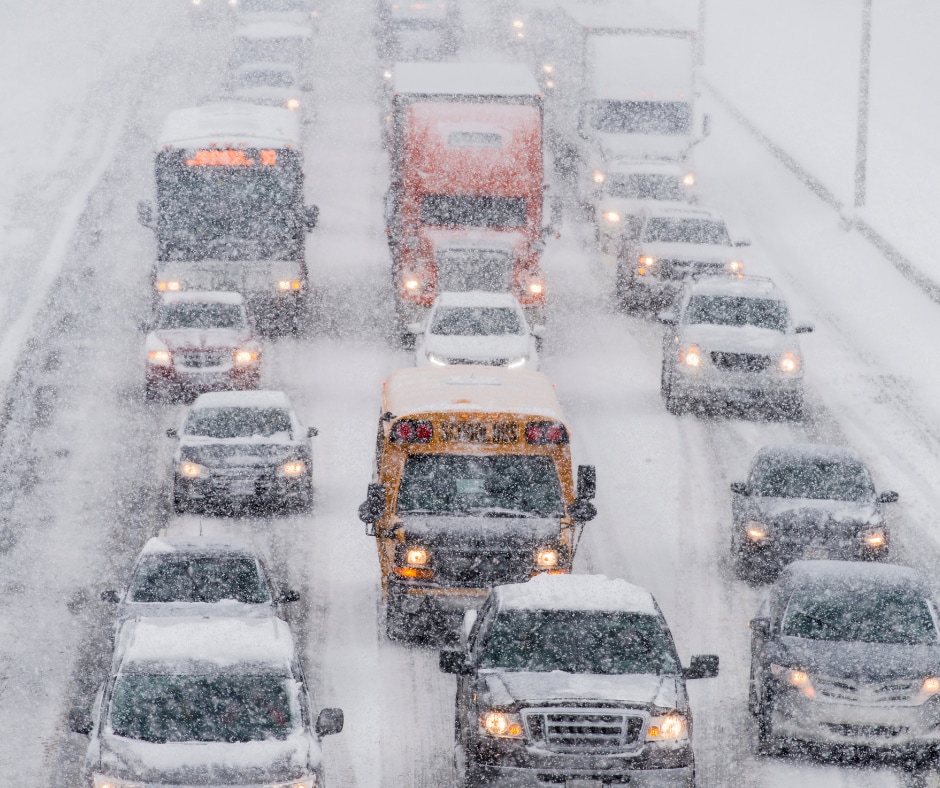
Keep tires properly inflated. Cold air lowers tire pressure, which can reduce fuel efficiency. Check tire pressure regularly in winter months.
Credit: www.raffertysubaru.com
Tips To Improve Winter Gas Mileage In Hybrids
Winter cold can lower hybrid car gas mileage. Cold weather affects battery efficiency and engine performance. Simple steps help improve fuel economy during winter months. Small changes add up to better mileage and less fuel use.
Keep Tires Properly Inflated
Cold air makes tire pressure drop. Low tire pressure increases rolling resistance. This causes the engine to work harder and use more fuel. Check tire pressure often and keep it at the recommended level.
Warm Up The Car Gently
Avoid idling the engine for a long time. Start driving slowly to warm up the engine and battery. This helps save fuel and reduces engine wear.
Use Eco Mode And Drive Smoothly
Eco mode helps control fuel use by adjusting power delivery. Avoid sudden stops and starts. Smooth driving keeps the engine and battery working efficiently.
Limit Use Of Electric Accessories
Heaters, defrosters, and seat warmers use extra energy. Use these devices only when needed. Turning off unnecessary electric accessories saves battery power and fuel.
Plan Trips To Reduce Cold Starts
Cold starts consume more fuel. Combine errands into one trip. Fewer cold starts help improve overall gas mileage.
Comparing Hybrids To Conventional Cars In Cold
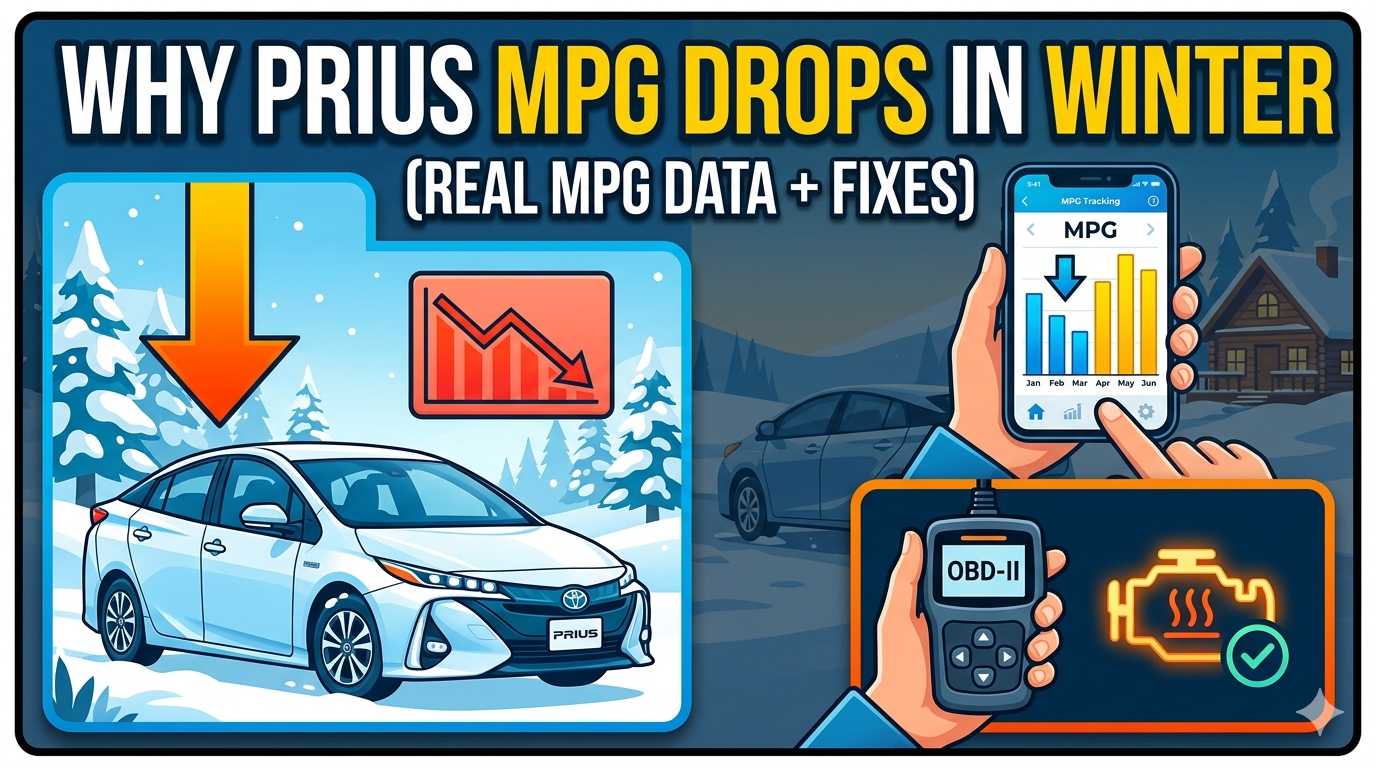
Cold weather affects all cars’ gas mileage. Engines take longer to warm up. This uses more fuel in the first few miles. Both hybrids and conventional cars lose some efficiency in winter.
Hybrids rely on batteries and electric motors. Batteries do not perform as well in low temperatures. Conventional cars depend only on gasoline engines. Their engines also struggle in the cold but differently.
How Cold Weather Affects Hybrid Batteries
Hybrid batteries slow down in cold weather. They cannot deliver power as quickly. The car uses the gas engine more often. This lowers the hybrid’s fuel economy. Battery heating systems use energy too.
Gasoline Engines In Cold Weather
Gasoline engines need extra fuel to start. The engine runs rich until it warms up. This means more gas is burned early on. Cold air makes the engine work harder. This reduces fuel efficiency in conventional cars.
Heating And Fuel Use Differences
Conventional cars use the engine to heat the cabin. This burns more fuel in winter. Hybrids can use electric heaters or heat pumps. These use less fuel than engine heat. Still, running heaters lowers overall mileage.
Winter Driving And Fuel Economy
Stop-and-go traffic wastes fuel for all cars. Hybrids save fuel by using electric power at low speeds. Conventional cars cannot do this. In cold weather, hybrids lose some advantage but still use less gas in city driving.
Credit: gasmileageguide.com
Frequently Asked Questions
Do Hybrid Cars Use More Gas In Cold Weather?
Yes, hybrid cars often use more gas in cold weather due to engine warm-up. Cold temperatures reduce battery efficiency, causing the engine to run more.
Why Does Winter Reduce Hybrid Car Fuel Efficiency?
Winter lowers battery power and increases engine use in hybrids. Cold air also makes the car work harder, lowering miles per gallon.
Can I Improve My Hybrid’s Gas Mileage In Winter?
You can improve mileage by warming up the car gently and avoiding fast acceleration. Keeping tires properly inflated also helps save fuel in winter.
Does Using The Heater Affect Hybrid Car Gas Mileage?
Using the heater in a hybrid can reduce gas mileage slightly. The system uses extra energy, making the engine work harder in cold weather.
Conclusion
Winter can lower hybrid car gas mileage a bit. Cold weather makes batteries work harder and engines run less efficiently. Using heaters and defrosters also uses more energy. Still, hybrids usually save fuel compared to regular cars. Driving gently and keeping tires properly inflated helps improve mileage.
So, expect some drop, but hybrids remain a smart choice in winter. Your car will keep you moving while using less gas than many others.