
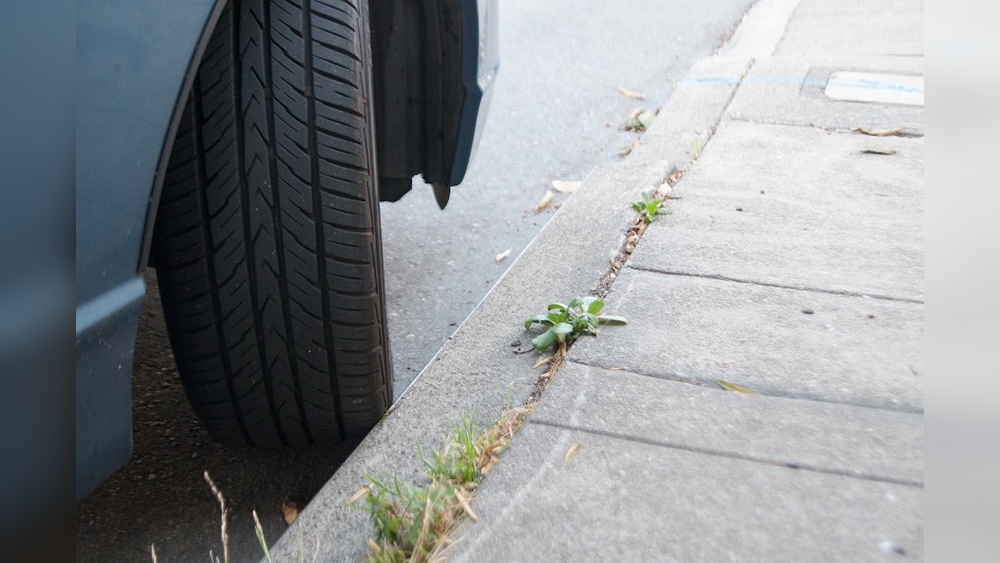
Is It Bad to Leave Your Wheels Turned While Parked? Expert Insights
Have you ever parked your car with the wheels turned and wondered if it could cause damage? You might think it’s harmless, but leaving your wheels turned while parked could actually affect your vehicle in ways you didn’t expect.
Understanding what happens when your wheels stay angled can save you from costly repairs and keep your car in top shape. Keep reading to find out why this simple habit matters and how it could impact your car’s health.
Credit: www.oregon.gov
Impact On Tire Wear
Leaving your wheels turned while parked can affect your tires over time. The angle puts extra pressure on certain parts of the tire. This pressure can change how your tires wear out. Understanding these effects helps you protect your tires and save money.
Effects On Tire Pressure
Turning your wheels changes how the weight spreads on the tires. More pressure goes on the inner or outer edges of the tire. This uneven pressure can lower tire life. Tires may lose air faster due to extra strain. Checking tire pressure often keeps your tires healthy.
Risk Of Uneven Tread
When wheels stay turned, tread wears unevenly. One side of the tire rubs more against the road. This causes the tread to wear out faster on that side. Uneven tread reduces traction and safety. Rotating tires regularly helps balance tread wear. Proper alignment also prevents uneven wear patterns.
Strain On Suspension Components
Leaving your wheels turned while parked can affect your car’s suspension parts. These parts help keep your car steady and smooth on the road. When the wheels stay turned, extra pressure sits on these components. This pressure can cause wear and tear faster than normal. Over time, this strain may lead to costly repairs.
Pressure On Steering System
Turning wheels creates tension in the steering system. The system holds the wheels in a fixed position. This tension stays even when the car is not moving. The constant pressure can stress steering parts like the tie rods and rack. These parts may wear out quicker than usual. Repairing steering components is often expensive and time-consuming.
Long-term Damage Risks
Consistently parking with turned wheels can cause long-term damage. Suspension parts may bend or break under constant stress. Rubber bushings and ball joints also suffer from extra load. This damage can reduce your car’s handling and safety. Over time, the cost of fixing these parts can add up. Avoiding this habit helps keep your car’s suspension healthy.
Safety Concerns When Parked
Parking your car safely is very important. Leaving your wheels turned while parked can affect your vehicle’s stability. This section explains key safety concerns related to this practice. Understanding these risks helps prevent accidents and damage.
Risk Of Vehicle Movement
Turning wheels while parked can increase the chance of your vehicle moving. If the parking brake fails, the car may roll. This is especially true on slopes. The wheels turned can cause the car to roll into traffic or other objects. Straight wheels reduce this risk. They keep the car aligned and easier to control.
Parking On Hills And Curbs
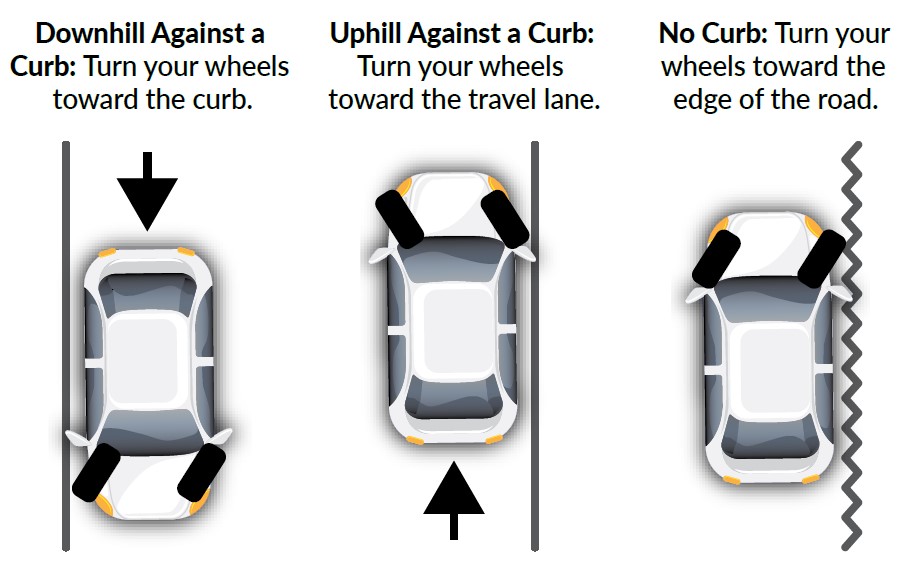
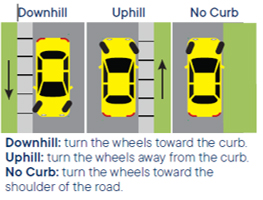
Wheels turned while parked on hills or curbs can be a safety measure. Turning the wheels toward the curb prevents rolling into the street. If parked uphill, turn wheels away from the curb. When downhill, turn wheels toward the curb. This helps stop the car if brakes fail. Not using this method can cause serious accidents.
Credit: www.dmv.ca.gov
Expert Recommendations
Experts agree that how you position your wheels while parking matters. It can affect your car’s safety and the ease of getting out of a parking spot. Understanding the right way to turn your wheels helps prevent damage and keeps your vehicle secure.
Best Practices For Parking
Always park your car with the wheels straight on flat ground. This reduces strain on the tires and steering system. On a slope, turn your wheels toward the curb or edge. This acts as a block, preventing the car from rolling. Use the parking brake every time to hold the car firmly.
When To Turn Wheels
Turn your wheels toward the curb when parking downhill. This stops the car from rolling into traffic. When parking uphill, turn wheels away from the curb. Let the car roll back slightly until the tire touches the curb. On a hill without a curb, turn wheels toward the road edge. This reduces the chance of the car rolling away.
Common Myths About Wheel Position
Many drivers worry about how to position their wheels when parking. There are several myths about whether leaving wheels turned can cause harm. These myths often confuse people and make them unsure about the best practice. Clearing up these ideas helps you park safely without stress.
Misconceptions About Tire Damage
Some believe turning wheels damages tires. The thought is that pressure on one side wears tires faster. Tires are made to handle pressure from different angles. Leaving wheels turned does not cause uneven tire wear. Other factors like road conditions affect tire life more.
Clarifying Safety Myths
Many say turning wheels while parked makes the car unsafe. Some think the car might roll downhill. Actually, turning wheels can add safety on slopes. It helps prevent the car from rolling into traffic. Proper use of the parking brake is more important for safety.

Credit: www.squareone.ca
Frequently Asked Questions
Is It Harmful To Leave Wheels Turned When Parking?
Leaving wheels turned while parked can strain the steering system. It puts pressure on the power steering pump and tires. Over time, this might cause faster wear or damage.
Does Turning Wheels While Parked Affect Tire Wear?
Yes, turned wheels can cause uneven tire wear. Tires may wear more on the edges if left turned for long. Straight wheels reduce uneven pressure on tires.
Will Leaving Wheels Turned Drain My Car Battery?
Leaving wheels turned does not drain the car battery. Battery drains happen when electrical systems run without the engine. Turning wheels affects mechanical parts, not the electrical system.
Can Parked Wheels Turned Cause Steering Problems?
Keeping wheels turned might increase stress on steering parts. This can lead to harder steering or noise when driving. Straight wheels reduce unnecessary strain on the steering system.
Should I Turn Wheels Straight When Parking On Flat Ground?
Turning wheels straight on flat ground is best. It reduces wear on tires and steering parts. On a hill, wheels should be turned to prevent rolling.
Conclusion
Leaving your wheels turned while parked can affect your car’s safety and parts. It adds extra strain on the steering system and tires. This can lead to faster wear and costly repairs. Parking with wheels straight is often safer, especially on flat surfaces.
On slopes, turning wheels can help prevent rolling. Knowing when and how to turn your wheels helps protect your vehicle. Small habits like this keep your car in better shape over time. Think about your parking spot and choose the best wheel position.
Your car will thank you for it.

One Comment