Why Does My Heated Steering Wheel Keep Turning Off: Fix It Fast!
Have you ever settled into your car on a cold morning, only to find your heated steering wheel keeps turning off unexpectedly? It’s frustrating when you’re looking for comfort, and your steering wheel won’t stay warm.
You might wonder if it’s a simple glitch or something more serious. Understanding why this happens can help you fix the problem quickly and enjoy a cozy drive every time. Keep reading to discover the most common reasons your heated steering wheel turns off and what you can do about it.
Common Causes Of Heated Steering Wheel Issues
Heated steering wheels add comfort during cold days. They keep your hands warm and improve driving safety. Still, these systems sometimes stop working or turn off randomly. Understanding the common causes helps fix the problem faster. Several issues can interrupt the heating function.
Electrical Connection Problems
Loose or damaged wires often cause the heated steering wheel to turn off. Electrical connections may wear out over time. Moisture or dirt can also disrupt the contact. Faulty wiring stops power from reaching the heating element.
Check wiring harnesses and connectors for signs of damage. Repairing or replacing broken parts restores proper function. Good electrical flow is essential for steady heat.
Faulty Temperature Sensors
The system uses temperature sensors to control heat levels. Faulty sensors send wrong signals to the control unit. This causes the heating to shut off unexpectedly. A bad sensor may show the steering wheel as too hot.
Replacing faulty sensors helps the system maintain the right temperature. Accurate sensor readings keep the heated wheel working smoothly.
Blown Fuses And Relays
Fuses protect the heated steering wheel circuit from overload. A blown fuse stops power from reaching the heater. Relays act as switches to control the heating element. Faulty relays can cause the system to turn off.
Inspect fuses and relays for damage or wear. Swap out broken parts to restore heating function. Regular checks prevent unexpected failures.
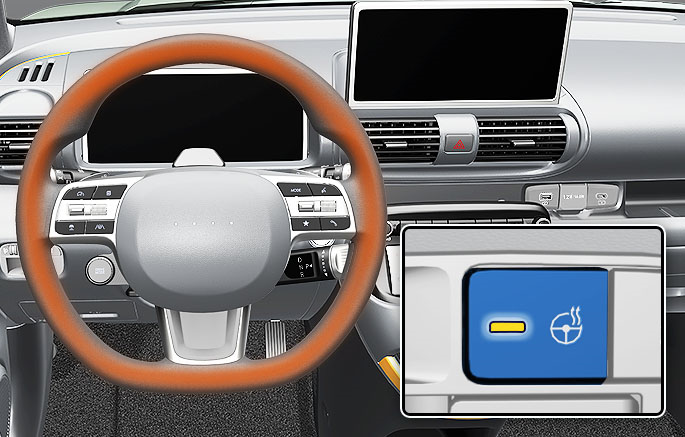
Credit: ownersmanual.hyundai.com
How Climate Affects Steering Wheel Performance
Climate plays a big role in how well your heated steering wheel works. Different weather conditions can cause it to turn off unexpectedly. Understanding these effects helps you keep it working longer.
Cold weather and moisture can interfere with the heating system. These factors can cause damage or trigger safety features that shut the system down. Let’s explore how climate affects your steering wheel’s performance.
Impact Of Cold Weather
Cold weather makes your steering wheel heating system work harder. The system uses more power to warm up the wheel. Extreme cold can cause the system to turn off to prevent damage.
The heating element inside the wheel can become less effective in very low temperatures. This can trigger the system’s automatic shutoff. Cold weather also affects the battery and electrical parts.
Low temperatures reduce battery power. This can cause the system to switch off to save energy. Cold weather slows down the car’s electronics, causing interruptions in heating.
Moisture And Corrosion Effects
Moisture from rain, snow, or humidity can damage the heated steering wheel’s parts. Water can enter the wiring or connectors, causing short circuits. This may force the system to shut down for safety.
Corrosion happens when moisture stays inside the steering wheel components. Corrosion damages wires and contacts, leading to poor performance. The heating system may turn off to avoid further harm.
Moisture also causes sensors to malfunction. Faulty sensors send wrong signals that stop the heating system. Keeping your steering wheel dry helps prevent these problems.
Diagnosing Your Heated Steering Wheel
Diagnosing your heated steering wheel helps find why it keeps turning off. This process involves checking parts and tools that control the heat. Understanding the problem can save money and avoid frustration. It also ensures safe and comfortable driving during cold weather.
Checking Electrical Components
Start by inspecting the electrical parts of the steering wheel. Look for loose wires or damaged connectors. Check the fuse related to the heated steering wheel. A blown fuse can stop the heat from working. Examine the heating element inside the wheel for breaks or wear. Faulty parts may need replacement to restore function.
Using Diagnostic Tools
Use diagnostic tools to scan for error codes in your car’s system. These tools connect to the vehicle’s computer to find faults. They show if sensors or switches related to the steering wheel are failing. A code reader can help identify hidden electrical problems. This step saves time and guides proper repairs.

Credit: www.youtube.com
Quick Fixes To Try At Home
Quick fixes can solve many common problems with your heated steering wheel. These easy steps might help you avoid costly repairs. Start with the simplest solutions at home before seeking professional help.
Resetting The System
Resetting the heated steering wheel system can clear minor glitches. Turn off your vehicle and remove the key. Wait for a few minutes to let the system reset. Restart the car and switch the heated steering wheel on. This simple reset may restore normal function.
Inspecting And Replacing Fuses
Fuses protect your car’s electrical system. A blown fuse can cause the heated steering wheel to turn off. Locate the fuse box using your vehicle’s manual. Check the fuse for the heated steering wheel. Replace it with a fuse of the same rating if it is damaged. This fix often restores power and resolves the problem quickly.
When To Seek Professional Help
Knowing when to seek professional help for your heated steering wheel saves time and money. Some problems are simple to fix. Others need expert care. Ignoring serious issues can cause more damage. Watch for signs that show a need for expert attention. Choosing the right service ensures the repair lasts. Here is how to know when to call a pro.
Signs Of Complex Electrical Issues
Your heated steering wheel turns off often without reason. The heat feels weak or uneven. Warning lights on the dashboard appear. Fuses blow repeatedly after replacement. Strange smells, like burning plastic, come from the wheel. These signs point to complex electrical problems. Such issues require a skilled technician to diagnose and fix safely.
Choosing The Right Repair Service
Select a repair service with experience in vehicle electrical systems. Look for certified mechanics or dealerships. Ask about warranty on repairs and parts. Check reviews for reliability and customer satisfaction. A good service uses proper tools and genuine parts. This helps avoid repeat problems and keeps your steering wheel safe and warm.

Credit: www.vhcars.com
Frequently Asked Questions
Why Does My Heated Steering Wheel Turn Off By Itself?
Your heated steering wheel may turn off due to a safety timer or power-saving feature. It stops heating after a set time to avoid overheating or draining the battery.
Can A Weak Car Battery Cause The Heated Steering Wheel To Stop?
Yes, a weak battery can limit power to the heating system. This may cause the heated steering wheel to turn off unexpectedly.
Does Weather Affect How Long The Heated Steering Wheel Stays On?
Cold weather can cause the system to work harder but won’t directly turn it off. Most systems have a fixed timer regardless of outside temperature.
Could A Faulty Switch Cause The Heated Steering Wheel To Shut Off?
Yes, a bad switch or loose connection can interrupt the power flow. This leads to the heated steering wheel turning off suddenly.
How Can I Reset My Heated Steering Wheel If It Keeps Turning Off?
Try turning the car off and on again to reset the system. If the problem continues, check the fuse or consult a mechanic.
Conclusion
A heated steering wheel turning off can be frustrating. It might happen due to a loose connection or a blown fuse. Sometimes, the car’s safety system turns it off to prevent overheating. Checking these parts can help find the problem.
Regular maintenance keeps your heating system working well. Don’t ignore the issue; fixing it improves your comfort and driving safety. Stay warm and safe on every trip.