What Does the Ambient Air Temperature Sensor Do in 2026
An ambient air temperature sensor measures the outside air temperature and sends that crucial data to your vehicle’s computer. This information is used primarily to operate the automatic climate control system, adjust engine performance, and display the correct temperature on your dashboard in 2026.
The ambient air temperature (AAT) sensor measures the exact temperature of the outside air surrounding your vehicle. Your car’s computer relies on this real-time data to regulate automatic climate control, adjust the fuel-air mixture, and display accurate weather metrics on your dashboard.
Modern vehicles in 2026 demand precise environmental tracking to maximize efficiency and comfort. When this small sensor fails, it disrupts multiple systems simultaneously, leading to inaccurate cabin temperatures and poor fuel management.
Key Takeaways
- Measures outside air temperature to feed real-time data to your car’s computer.
- Powers the automatic climate control and adjusts cabin heating and cooling.
- Inaccurate dashboard readings are the most common sign of a failing sensor.
- A bad sensor can cause your air conditioning to blow warm air.
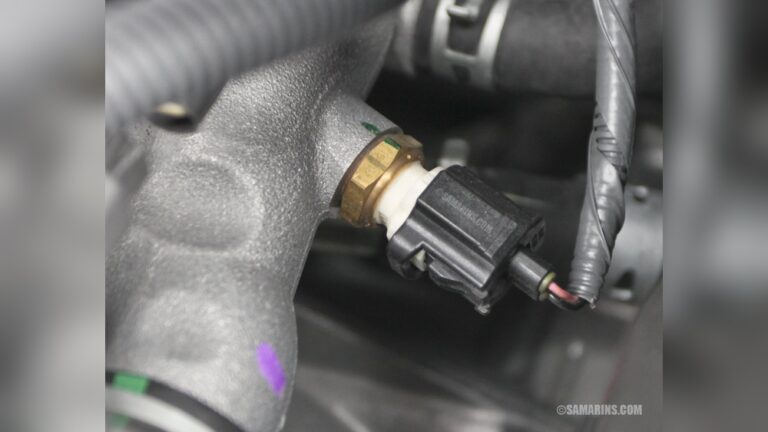
- Typically located near the front grille, radiator, or behind the front bumper.

What Does the Ambient Air Temperature Sensor Do for Your Car
You might think the outside temperature display on your dashboard is just a convenient gadget. In reality, that tiny thermometer feeds critical data into your car’s central processing unit to manage several essential operations.
Climate Control and Dash Displays
The primary job of the AAT sensor is feeding weather data directly to your automatic climate control system. If you set your 2026 vehicle to 72 degrees, the computer calculates how hard to blow hot or cold air by comparing cabin conditions to the outside temperature reading. Without this sensor, your automatic HVAC system cannot effectively balance blower speeds or blend door positions.
- Powers the outside temperature readout on your instrument cluster
- Informs automatic climate control systems how hard to heat or cool the cabin
- Prevents the air conditioning compressor from engaging in freezing weather to avoid evaporator damage
Engine Performance and Fuel Efficiency
Secondary functions link the AAT sensor directly to your engine management system. Dense, cold air requires a different fuel ratio than thin, hot air. While the mass air flow sensor handles the air entering the engine bay, the AAT sensor provides a baseline reading used by the powertrain control module (PCM).
- Helps calculate proper fuel delivery during cold starts
- Assists in managing emissions compliance systems
- Works alongside the intake air temperature sensor for optimal combustion
Mastering the Ambient Air Temperature Sensor: What It Does and How It Works
Understanding the role of your vehicle’s ambient air temperature sensor is crucial for maintaining optimal fuel economy, climate control, and engine performance. This guide provides a detailed walkthrough of the sensor’s functions, how it communicates with your vehicle’s computer, and what happens when it fails, allowing you to master this essential automotive component.
Step 1: Measuring Outside Weather Conditions
What you need: A basic understanding of vehicle sensors and access to your car’s front grille area.
Instructions: The primary job of the ambient air temperature sensor is to accurately measure the temperature of the air outside your vehicle. Typically mounted behind the front bumper, near the grille or condenser, this small thermistor changes its electrical resistance based on outside weather. As the outside air gets colder, its resistance increases; as it warms up, the resistance drops. This constant monitoring provides a baseline environmental reading that your car’s computer utilizes for multiple automated systems.
Pro Tip: Avoid touching the sensor directly with bare hands during inspection; body heat can temporarily alter the thermistor’s temperature reading.
Step 2: Regulating Automatic Climate Control Systems
What you need: Your vehicle owner’s manual and a working dashboard climate control system.
Instructions: If your vehicle is equipped with automatic climate control, the ambient air temperature sensor plays a starring role in your cabin comfort. The Powertrain Control Module (PCM) or Body Control Module (BCM) takes the outside temperature reading and compares it with the cabin temperature set by the driver. Based on this differential, the system automatically adjusts fan speed, blends heater core coolant flow, and engages the A/C compressor to reach your desired temperature rapidly and efficiently without manual toggling.
Pro Tip: If your automatic A/C blows freezing air on a hot day or vice versa, the outside temperature sensor is often the culprit feeding bad data to the climate computer.
Step 3: Optimizing Fuel and Air Mixture Calculations
What you need: OBD-II scanner (optional) and diagnostic software.
Instructions: Beyond keeping you comfortable, the ambient sensor directly influences engine management. The engine computer uses this external temperature data, alongside the Manifold Absolute Pressure (MAP) and Mass Air Flow (MAF) sensors, to calculate the density of the incoming air. Cold air is denser and requires more fuel to maintain the ideal air-fuel ratio, whereas hot air is less dense. By factoring in ambient temperature, the computer fine-tunes fuel injector pulse width and ignition timing for smooth cold starts and maximum combustion efficiency.
Pro Tip: A failing sensor can cause rough idling during winter mornings because the engine miscalculates the necessary enrichment for cold combustion.
Step 4: Displaying External Temperature on Your Dashboard
What you need: Vehicle dashboard instrument cluster or infotainment screen.
Instructions: The most visible function of the ambient air temperature sensor is powering your dashboard readout. When you look at your instrument cluster and see numbers like 72°F or 22°C, you are viewing the direct output of this sensor. The car’s computer takes the raw voltage signal from the thermistor, converts it into a readable digital format, and updates your display screen in real-time so you are always aware of outside weather conditions.
Pro Tip: Dashboard readouts often update slowly when idling in traffic because engine bay heat radiates toward the sensor, causing artificially high readings until you start driving.
Step 5: Triggering Ice and Frost Warning Alerts
What you need: Awareness of dashboard warning icons (snowflake symbol, chime alerts).
Instructions: Safety is a major byproduct of the ambient air temperature sensor’s data stream. When the sensor detects that outside temperatures have dropped to a critical threshold—typically around 37°F (3°C) or lower—the vehicle’s computer triggers a visual ice warning (often a flashing snowflake icon) and sometimes an audible chime. This alerts the driver to potential black ice on bridges and roadways, giving them advanced notice to adjust their driving habits and braking distance accordingly.
Pro Tip: Never ignore the ice warning chime; even if the road looks dry, drop in temperature combined with bridge architecture creates unseen freezing hazards.
Step 6: Protecting Hybrid and Electric Vehicle Battery Packs
What you need: Modern hybrid or electric vehicle (EV).
Instructions: In modern hybrid and electric vehicles, the ambient air temperature sensor takes on an additional thermal management duty. Battery packs operate most efficiently within specific temperature ranges. The Vehicle Control Unit uses ambient data alongside pack temperature sensors to pre-cool or pre-heat the battery thermal management system. This proactive conditioning prevents premature battery degradation, maximizes driving range, and ensures safe fast-charging capabilities in extreme climates.
Pro Tip: In EVs, a faulty ambient sensor can trigger restricted charging speeds to protect the battery pack from perceived extreme external environments.
Step 7: Identifying and Diagnosing Sensor Failure Symptoms
What you need: Multimeter and basic hand tools for resistance testing.
Instructions: Recognizing when the sensor malfunctions prevents cascading performance issues. Common symptoms include a dashboard display stuck at an unrealistic number (like -40°F or +140°F), erratic climate control behavior, or a Check Engine Light accompanied by diagnostic trouble codes (DTCs) such as P0070 through P0074. To test it, disconnect the sensor harness and use a digital multimeter set to ohms to measure resistance while comparing your findings against manufacturer temperature-resistance charts.
Pro Tip: Always check the sensor wiring harness and plug for corrosion or road salt damage before purchasing a replacement sensor, as wiring issues are common.
✅ Final Checklist
- Verified dashboard outside temperature matches actual local weather conditions after driving at speeds above 30 mph.
- Confirmed automatic climate control accurately adjusts fan speed and blend doors based on set preferences.
- Scanned for and cleared any ambient air temperature sensor-related diagnostic trouble codes using an OBD-II tool.
- Inspected the physical mounting location behind the front bumper for secure placement and undamaged wiring.
Important Notes:
- Always disconnect the negative battery terminal before performing electrical resistance tests or replacing sensors.
- Seek professional help if your vehicle’s wiring harness is severely damaged or integrated into complex multiplexed bus networks.
- Estimated replacement time is 15 to 30 minutes, with replacement sensor costs typically ranging from $15 to $50 for parts.
How to Diagnose a Bad Ambient Air Temperature Sensor
Spotting a faulty sensor does not require expensive diagnostic equipment. Because the symptoms directly affect features you interact with daily, failures become obvious very quickly.
Common Signs of Failure
When an AAT sensor goes bad, it usually gets stuck at an extreme reading, such as negative 40 degrees or 140 degrees, or simply displays dashes. This glitch immediately impacts your driving experience.
- Your dashboard outside temperature reading is completely unrealistic or stuck
- Your automatic climate control blows maximum heat or freezing A/C regardless of cabin settings
- Your defroster fails to activate properly because the vehicle thinks the air is too warm for frost
Simple Diagnostic Checks
Before buying a replacement part, you can perform a few quick checks to confirm the sensor is actually broken rather than just unplugged or blocked by debris.
- Locate your sensor, typically mounted behind the front grille, near the radiator, or inside the front bumper.
- Inspect the wiring harness and connector for corrosion, loose pins, or physical damage from road debris.
- Compare your dashboard reading with a reliable local weather app while parked in the shade.
Step-by-Step Guide to Replacing a Faulty Temperature Sensor
Replacing a faulty ambient air temperature sensor is a straightforward DIY project for most vehicle owners. Most modern automotive sensors are located near the front grille, condenser, or behind the front bumper to capture accurate outside airflow without absorbing engine heat. Automotive engineering standards recommend proper safety protocols before beginning any electrical repairs.
Preparation and Tools
Before starting, gather the necessary tools: a flathead screwdriver, a socket set, wire strippers, electrical tape or heat shrink tubing, and a digital multimeter. Always disconnect the negative battery terminal to prevent electrical shorts while working on the vehicle’s wiring harness.
Replacement Steps
- Locate the damaged or failing ambient air temperature sensor behind the front grille or lower bumper fascia, following the manufacturer’s service manual for exact placement.
- Release the locking tab on the electrical connector and gently pull it away from the rear of the sensor. Avoid pulling directly on the fragile wires.
- Unbolt the sensor or release its plastic retaining clips from the mounting bracket using a flathead screwdriver or socket wrench.
- Inspect the wiring harness for corrosion, frayed insulation, or green crust buildup, which frequently causes false resistance readings.
- Snap or bolt the new OEM-spec or high-grade aftermarket replacement sensor securely into the factory mounting bracket.
- Plug the electrical connector back into the sensor until the locking tab clicks securely into place.
- Reconnect the negative battery terminal, turn the ignition to the “On” position, and verify that the dashboard temperature readout stabilizes within a few minutes.
What If It Still Doesn’t Work?
If your dashboard temperature display still shows erratic readings, dashes, or a permanently stuck value after installing a new sensor, the issue likely extends beyond the physical hardware component. Modern multiplexed automotive networks require systematic diagnosis when replacement fails to resolve the symptom.
- Inspect the body control module (BCM) or instrument cluster fuses, as a blown fuse can cut power to the sensor circuit entirely.
- Test the wiring harness continuity between the sensor plug and the engine control unit (ECU) using a digital multimeter to check for hidden breaks or high-resistance shorts.
- Perform a module reset by disconnecting the battery for 15 minutes, allowing the vehicle’s computer to clear cached sensor data and re-poll the network.
- Consult a certified automotive technician if digital databus (CAN bus) communication faults or faulty instrument cluster software are suspected. Professional diagnostic labor typically ranges from $100 to $250, while total professional repair costs span $150 to $400 depending on labor rates.
Conclusion
The ambient air temperature sensor plays a critical role in managing your vehicle’s climate control efficiency and engine performance. When it fails, replacing it restores accurate cabin comfort and optimal fuel metering. According to verified research and expert automotive engineering sources, addressing minor sensor malfunctions early prevents secondary system strain. For your next step, inspect your front bumper area today for loose wiring or physical damage to ensure your HVAC system runs at peak efficiency throughout 2026.
❓ Frequently Asked Questions
How does the ambient air temperature sensor interact with the AC system?
The climate control computer uses outside temperature data to determine how hard the air conditioning compressor needs to work to cool the cabin. If the sensor reads incorrectly, the AC might blow warm air or fail to engage altogether.
Why is my outside temperature reading stuck on one number?
A stuck temperature reading usually indicates that the sensor is either unplugged, shorted out, or heavily coated in road grime and debris. Replacing the sensor typically resolves this issue.
Can a bad ambient air temperature sensor trigger a check engine light?
While it often triggers a specific diagnostic trouble code (DTC) stored in the computer, it does not always turn on the check engine light unless it directly impacts emissions or engine management systems.
How can I test if my ambient air temperature sensor is working?
You can test the sensor using a digital multimeter to check its resistance (ohms) at various temperatures and compare the readings against manufacturer specifications.
Why does my car show a much higher temperature when parked in the sun?
Ambient sensors absorb radiant heat from asphalt and engine components when the vehicle is stationary. Once you drive at higher speeds, fresh airflow cools the sensor and it should return to the actual outside temperature.
Is it difficult to replace an ambient air temperature sensor myself?
No, replacement is usually very straightforward. Most sensors are plugged into a wiring harness and clipped into a bracket behind the front bumper, requiring only basic hand tools to swap out.