How Long Can You Drive With a Bad Wheel Bearing in 2026
You should never drive on a severely failing wheel bearing because it can seize up or cause the wheel to detach completely. While a very minor hum might last a couple of weeks, a grinding bearing can fail within miles and lead to a catastrophic accident.
If you are hearing a strange humming or grinding noise from your wheels in 2026, you might be wondering just how long you can push your car before getting it fixed. The blunt truth is that you cannot drive safely on a failing wheel bearing for very long, and any timeline you gamble with is a massive safety hazard. While some drivers limp a dying bearing along for a few weeks, others experience a catastrophic lockup or wheel detachment within a matter of miles.
A bad wheel bearing is not a minor fluid leak you can ignore; it is a critical structural failure waiting to happen. Modern vehicle technology relies heavily on integrated hub assemblies, meaning a neglected bearing can quickly destroy your ABS sensors, damage your steering knuckles, and leave you stranded in traffic. Let us break down what causes these parts to fail, how to spot the warning signs, and what steps you must take to protect yourself on the road.
Key Takeaways
- Stop driving immediately if you hear loud grinding or heavy vibration.
- A failing bearing can seize completely or cause wheel detachment.
- Mild humming gives you very limited, unpredictable time—usually under 100 miles.
- Towing is always safer than risking a complete highway breakdown.
- Replacing a bad bearing early prevents expensive damage to the steering knuckle and hub.
What Causes Wheel Bearings to Fail and How to Diagnose Them
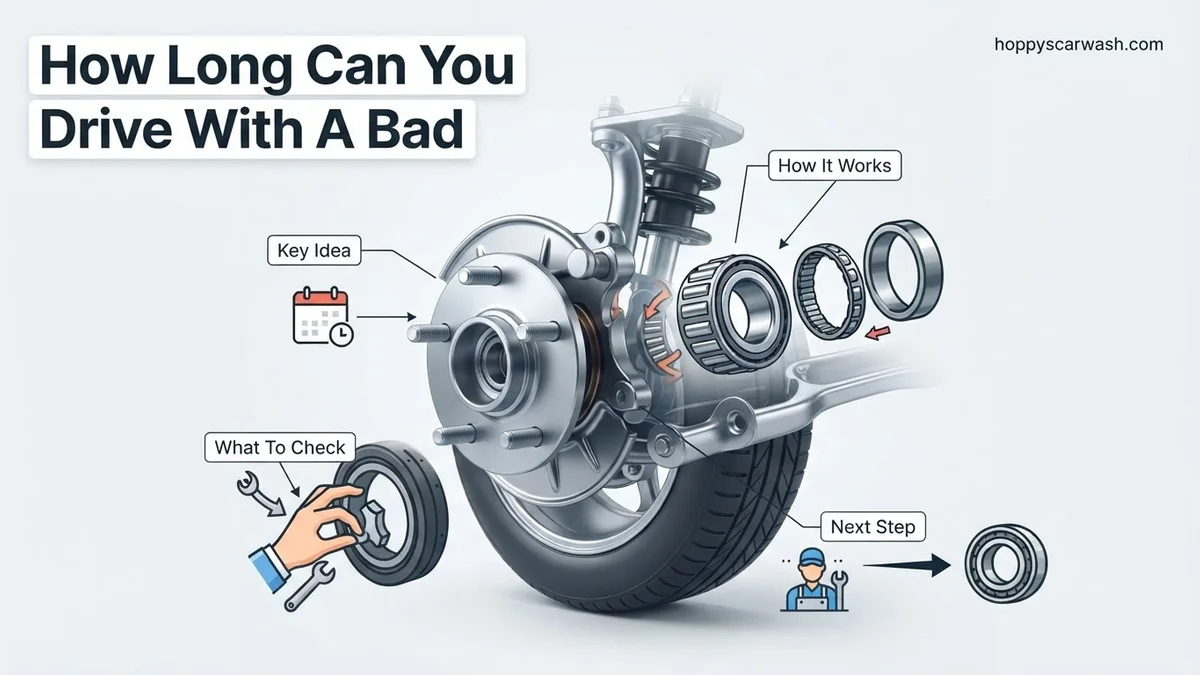
Wheel bearings operate under immense pressure, supporting the entire weight of your vehicle while spinning thousands of times per minute. Understanding what destroys them helps you monitor your vehicle’s health.
Common Culprits Behind Bearing Degradation
- Potholes and curb impacts that dent the bearing races or balls.
- Water and road salt contamination past worn rubber seals.
- Improper installation or over-torqued axle nuts during previous repairs.
- Normal wear and tear, typically manifesting between 100,000 and 150,000 miles.
Key Symptoms You Cannot Ignore
Pinpointing a failing bearing early is your best defense against a sudden highway breakdown. Pay close attention to these specific sensory warnings:
- Auditory cues: A deep humming, growling, or roaring noise that gets progressively louder as your vehicle accelerates, often resembling a low-pitched airplane propeller.
- Cornering pitch changes: If the noise grows louder when you turn right, the left wheel bearing is usually taking the load and failing.
- Steering feedback: A loose, vague steering wheel or excessive vibration felt through the floorboards at highway speeds.
- ABS warning lights: Modern 2026 vehicle sensors often fail when excessive bearing play disrupts the magnetic encoder ring.
How to Safely Inspect and Fix a Bad Wheel Bearing
Once you suspect a bad bearing, you need to verify the diagnosis immediately before planning your next drive. Do not attempt long-distance travel or high-speed commuting once these symptoms appear.
Performing a Quick Safety Check at Home
You can easily test for bearing play using a standard floor jack and basic mechanical leverage. Safety comes first, so always secure your vehicle with wheel chocks before lifting it off the ground.
- Safely lift the suspect corner of the vehicle until the tire clears the ground.
- Grip the tire firmly at the 12 o’clock and 6 o’clock positions and rock it back and forth.
- Repeat the test at the 9 o’clock and 3 o’clock positions to check for movement.
- If the wheel wobbles or plays loosely, your wheel bearing or ball joint is severely compromised.
The Only Real Solution: Immediate Replacement
There are no temporary sealants, quick fixes, or additives that can repair a damaged wheel bearing. The internal metal races and rolling elements are physically pitted or cracked.
- Limit your driving exclusively to a slow, cautious trip to a nearby repair shop.
- Avoid highway driving, sharp cornering, and heavy braking loads that stress the hub.
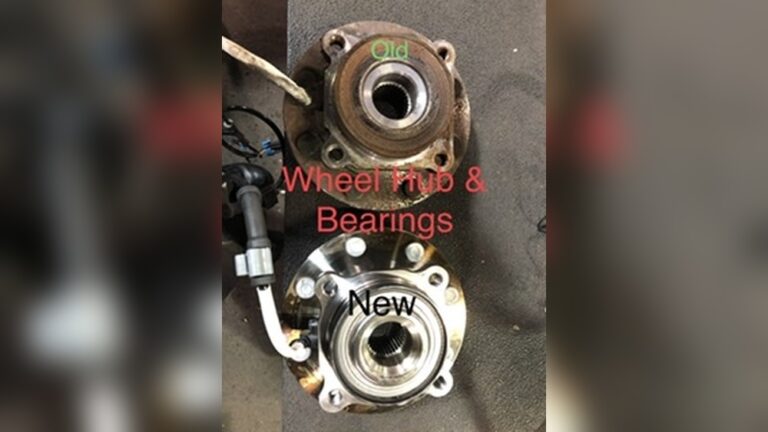
- Expect to replace the entire hub assembly on most modern vehicles rather than pressing in individual bearings.
What If It Still Fails or the Noise Persists After Inspection
Sometimes a driver replaces a noisy wheel hub assembly, yet the grinding or humming sound stubbornly persists into 2026. This frustrating scenario usually indicates that the initial diagnosis misidentified the source of the vibration. Automotive engineers note that several components share identical acoustic signatures with a dying wheel bearing.
Common Misdiagnosed Drivetrain Components
Manufacturers like Society of Automotive Engineers (SAE) technical bulletins highlight that technicians frequently confuse failing bearings with other spinning parts. Tires with cupped tread patterns create a deep-pitched hum that intensifies at highway speeds, mimicking bearing wear precisely. Constant Velocity (CV) joints emit clicking during turns, while failing differential or transmission bearings produce continuous mechanical whines under load.
Troubleshooting Persistent Drivetrain Noise
If the symptom continues after a part replacement, execute these diagnostic steps systematically:
- Rotate the tires from front to rear to determine if the acoustic frequency shifts location.
- Inspect the inner and outer tire tread blocks manually for feathering, cupping, or irregular wear patterns.
- Elevate the vehicle on a sturdy hydraulic jack and spin each wheel by hand while gripping the coil spring to feel for micro-vibrations.
- Check the brake caliper slide pins and rotor dust shields for metal-on-metal contact that generates similar friction noises.
Critical Safety Precautions for Handling Wheel Bearing Failure
Operating a vehicle with compromised structural hardware presents extreme road hazards that require immediate intervention. Industry safety organizations emphasize that ignoring advanced bearing degradation risks catastrophic wheel separation at high speeds. Drivers must adhere to strict protocols when managing this mechanical emergency.
Emergency Driving Protocols
When bearing failure symptoms escalate to severe grinding, steering wheel play, or ABS sensor faults, abandon long-distance travel plans immediately. Limit vehicle operation strictly to low-speed, short-distance transit directly to a repair facility. Avoid expressways, heavy cargo loads, and aggressive braking maneuvers that place lateral stress on the damaged hub assembly.
Professional Repair Expectations and Costs
According to current 2026 automotive service data, replacing a complete bolt-on wheel hub assembly ranges from $250 to $650 per wheel, depending on vehicle make and whether integrated ABS sensors require replacement. Vehicles utilizing press-fit bearings demand specialized hydraulic tooling, pushing labor costs higher. Always utilize certified technicians to guarantee correct torque specifications, as improper axle nut torque destroys new bearings within thousands of miles.
Conclusion
Attempting to predict how long you can drive with a bad wheel bearing is a dangerous gamble with unpredictable timelines. Once audible humming or structural play begins, total mechanical breakdown can happen without further warning. According to verified research and expert sources from major automotive safety councils, replacing a compromised bearing immediately prevents catastrophic wheel detachment and costly collateral damage. The single most actionable next step is to schedule an immediate diagnostic inspection and limit your driving speed until the repair is complete.
❓ Frequently Asked Questions
How long can you realistically drive with a bad wheel bearing?
There is no safe timeline because failure is unpredictable. While some drivers limp a car along for a week with a faint humming noise, a grinding or clicking bearing can disintegrate in less than 50 miles.
What are the absolute warning signs that I must stop driving immediately?
Loud metallic grinding, severe steering wheel vibration, a burning rubber or hot metal smell near the wheel, and visible play when shaking the tire indicate immediate failure.
Will a bad wheel bearing ruin other suspension components?
Yes, ignoring a bad bearing puts immense stress on the steering knuckle, axle hub, and CV joints, turning a relatively cheap fix into an expensive assembly replacement.
Is it safe to drive on the highway with a noisy wheel bearing?
No. High speeds generate intense heat and friction, causing a compromised bearing to seize or disintegrate catastrophically on the interstate.
How much does it cost to replace a wheel bearing?
Costs typically range from $250 to $600 per wheel depending on your vehicle’s make and model, as some require pressing while others involve bolt-on hub assemblies.
Can I test a bad wheel bearing at home?
You can jack up the vehicle and shake the tire at the 12 and 6 o’clock positions. Excessive play or a rough rotation sound when spinning the tire confirms failure.