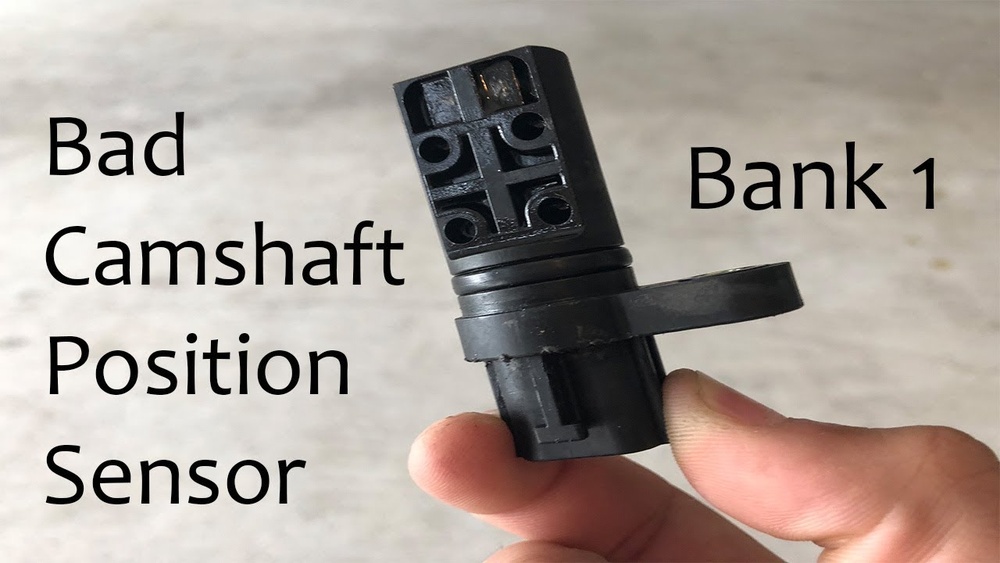
Where is Camshaft Position Sensor a Bank 1 Located: Easy Guide
Are you having trouble finding the camshaft position sensor on Bank 1 of your engine? Knowing exactly where this sensor is located can save you time and frustration when diagnosing engine problems or doing repairs.
You’ll get clear, simple guidance on how to spot the camshaft position sensor on Bank 1 quickly and easily. Whether you’re a car enthusiast or just want to understand your vehicle better, this information will help you take control and keep your engine running smoothly.
Keep reading to uncover the exact location and why it matters for your car’s performance.
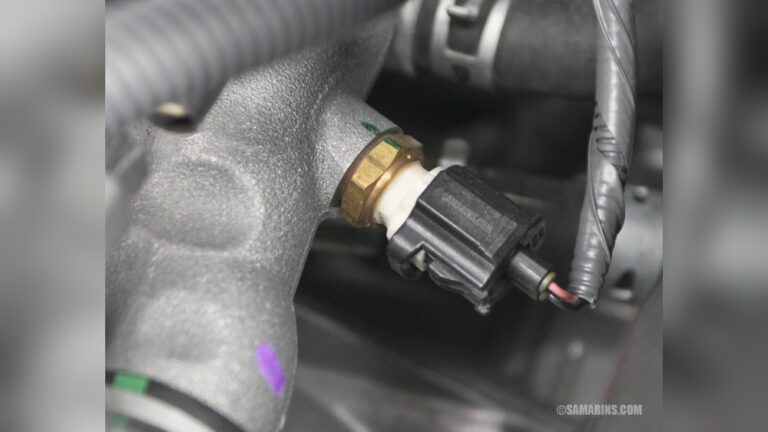
Credit: repairpal.com
Camshaft Position Sensor Basics
The camshaft position sensor is a small but vital part of your car’s engine. It tells the engine control unit (ECU) the exact position of the camshaft. This data helps the engine control fuel injection and ignition timing. Without accurate signals from this sensor, the engine may run poorly or not start at all.
Knowing the basics of the camshaft position sensor helps you understand its role in engine performance. It also explains why locating and maintaining this sensor is important. Let’s explore the key functions and types of camshaft position sensors.
Role In Engine Performance
The sensor tracks the camshaft’s rotation. It sends this information to the ECU. The ECU uses this data to time fuel injection and spark plug firing. Accurate timing improves engine efficiency and power. It also reduces emissions and fuel consumption.
If the sensor fails, the engine may misfire or stall. The check engine light often turns on. The car might have trouble starting or running smoothly. The camshaft position sensor is essential for smooth engine operation.
Common Types Of Sensors
There are two main types of camshaft position sensors: Hall effect and magnetic sensors. Hall effect sensors use a magnetic field and a semiconductor to detect the camshaft’s position. They provide a digital signal to the ECU.
Magnetic sensors, also called variable reluctance sensors, use a coil and magnet. They generate an analog signal based on the camshaft’s movement. Both types are reliable but differ in signal type and design.
Car makers choose the sensor type based on engine design and cost. Knowing the type helps when locating or replacing the sensor.
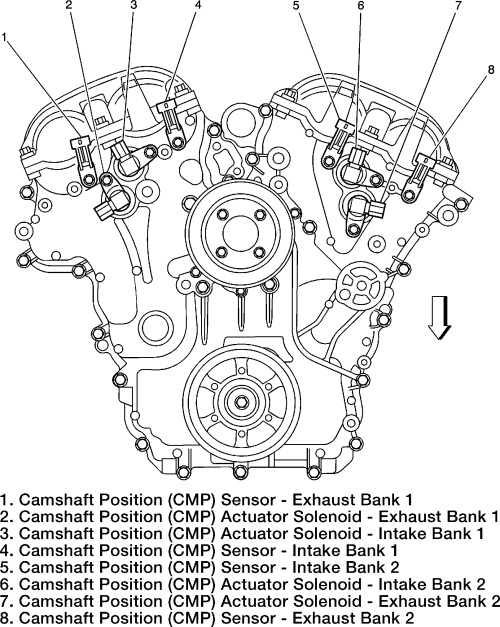
Credit: www.autozone.com
Bank 1 Location Explained
The camshaft position sensor plays a key role in your engine’s performance. Knowing where Bank 1 is helps you find this sensor quickly. This section explains the location of Bank 1 in simple terms. It guides you through identifying Bank 1 and typical sensor placement in your engine.
Identifying Bank 1 In Your Engine
Bank 1 refers to the side of the engine with cylinder number one. Most engines have two banks, especially V6 and V8 types. The position of cylinder one is usually marked on the engine block or in the owner’s manual. Knowing which side has cylinder one helps locate Bank 1 easily. This side contains the camshaft position sensor labeled for Bank 1.
Typical Sensor Placement
The camshaft position sensor on Bank 1 is often placed near the cylinder head. It sits close to the camshaft, which controls valve timing. Usually, you find it at the front or side of the engine. Some sensors are mounted near the timing cover. In certain models, it may be near the intake manifold. This sensor picks up signals from the camshaft’s rotation to help engine timing.
How To Locate The Sensor
Finding the camshaft position sensor on Bank 1 can be simple with the right steps. This sensor plays a key role in engine timing and performance. Knowing its location helps with repairs and checks.
The sensor is usually near the engine’s cylinder head on Bank 1. Bank 1 refers to the side of the engine with cylinder 1. The exact spot can vary by car model and engine type.
Tools You’ll Need
- Socket wrench set
- Flashlight or work light
- Screwdriver (flathead or Phillips)
- Gloves for hand protection
- Vehicle repair manual (optional but helpful)
Step-by-step Location Guide
- Open the car hood and locate the engine block.
- Identify Bank 1, the side with cylinder 1.
- Look near the cylinder head for a small sensor with an electrical connector.
- Use a flashlight to see clearly in tight spaces.
- Check near the timing cover or camshaft area for the sensor.
- Use the repair manual to confirm exact location if uncertain.
Troubleshooting And Replacement Tips
Troubleshooting and replacing the camshaft position sensor on bank 1 is important for your engine’s smooth function. This sensor helps the engine control system know the camshaft’s position. Without it working well, your car may run poorly or not start at all.
Knowing the signs of a faulty sensor helps you decide if it needs replacement. Basic steps make the replacement process easier and safer.
Signs Of A Faulty Sensor
The engine may misfire or run roughly. You might notice poor fuel economy or hesitation during acceleration. The check engine light often turns on. Sometimes, the car struggles to start or stalls unexpectedly. These signs suggest the camshaft sensor needs checking.
Basic Replacement Steps
First, disconnect the battery to avoid electric shocks. Locate the camshaft position sensor on bank 1, usually near the engine’s cylinder head. Unplug the electrical connector carefully. Remove the sensor mounting bolt using the correct tools. Take out the old sensor gently. Insert the new sensor and tighten the bolt securely. Reconnect the electrical plug. Finally, reconnect the battery and start the engine to test.

Credit: www.youtube.com
Frequently Asked Questions
Where Exactly Is The Bank 1 Camshaft Position Sensor Located?
The bank 1 camshaft position sensor is usually found near the engine’s cylinder head. It sits close to the camshaft to monitor its position precisely.
How To Identify Bank 1 On My Engine For The Sensor Location?
Bank 1 refers to the side of the engine with cylinder 1. Check your vehicle manual or engine diagram to find this side easily.
Can I Access The Camshaft Sensor Without Removing Other Parts?
Access depends on your car model. Some sensors are easy to reach, while others may need removing covers or parts.
What Does The Camshaft Position Sensor Do In Bank 1?
This sensor tells the engine computer the camshaft’s position. It helps control fuel injection and ignition timing accurately.
Conclusion
The camshaft position sensor on Bank 1 sits near the engine’s first cylinder. Knowing its location helps with quick repairs and accurate diagnostics. This sensor sends signals to your car’s computer for smooth engine timing. A faulty sensor can cause poor engine performance or stalling.
Regular checks keep your engine running well. Remember, a clear understanding of this part makes car maintenance easier and safer. Keep your engine healthy by paying attention to the camshaft position sensor’s role and place. Simple care goes a long way.