How Many Coolant Temperature Sensors are in a Car: Essential Insights
Have you ever wondered how your car knows when it’s getting too hot? The secret lies in a small but powerful part called the coolant temperature sensor.
But here’s a question you might not have thought about: how many of these sensors does your car actually have? Understanding this can help you keep your engine running smoothly and avoid costly repairs. You’ll discover the number of coolant temperature sensors in most cars and why each one matters to your vehicle’s health.
Keep reading—you’ll be surprised at how these tiny sensors play a big role in your car’s performance.
Types Of Coolant Temperature Sensors
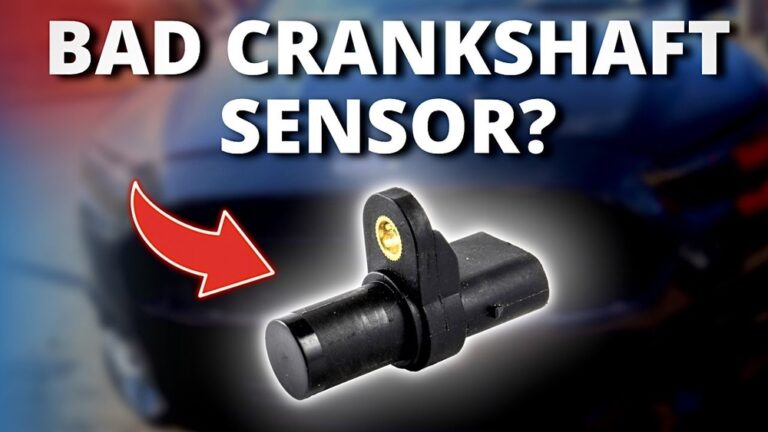
Coolant temperature sensors play a vital role in a car’s engine system. These sensors monitor the temperature of the engine coolant. This information helps the engine control unit (ECU) manage fuel injection, ignition timing, and cooling fan operation. Cars can have different types of coolant temperature sensors, each with specific functions and designs.
Thermistor Coolant Temperature Sensor
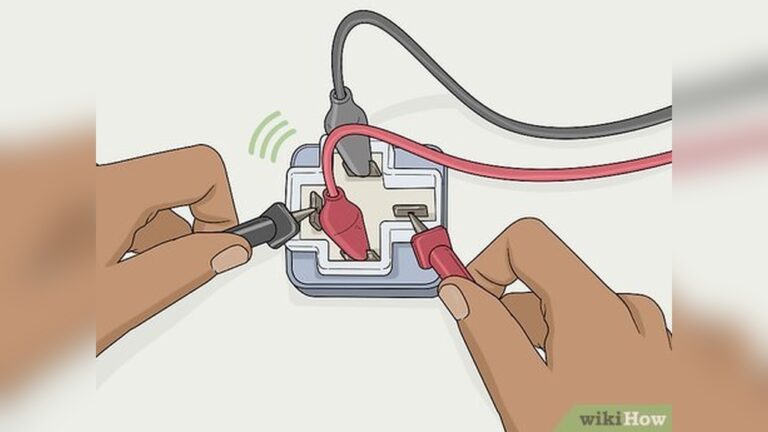
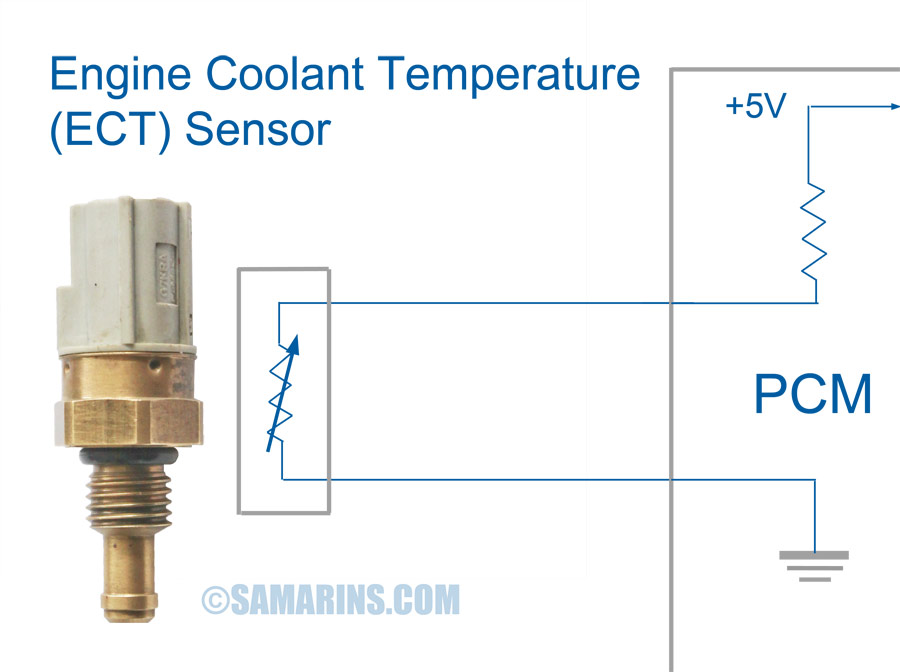
The thermistor sensor is the most common type in cars. It changes resistance based on temperature. When the coolant gets hotter, the resistance drops. The ECU reads these changes to adjust engine settings. This sensor is simple and reliable.
Thermocouple Coolant Temperature Sensor
Thermocouple sensors generate a small voltage based on temperature differences. This voltage signals the ECU to measure coolant temperature. These sensors work well in high-temperature environments. They provide quick and accurate readings.
Infrared Coolant Temperature Sensor
Infrared sensors measure temperature without touching the coolant. They detect heat by measuring infrared light emitted by the coolant. These sensors are less common but useful in special applications. They offer fast and contactless temperature readings.
Resistance Temperature Detector (rtd)
RTD sensors use a metal element that changes resistance with temperature. They provide accurate and stable readings over time. RTDs are more expensive but offer high precision. They are often used in advanced or heavy-duty vehicles.

Credit: www.meineke.com
Locations Of Coolant Temperature Sensors
Coolant temperature sensors sit in key spots in a car’s engine. These sensors measure how hot the engine coolant is. This info helps the car run smoothly and avoid overheating.
Different cars may have one or more sensors. Each sensor has a specific job and place. Knowing where these sensors are helps with car care and repair.
Engine Block Sensor
This sensor is often inside the engine block or cylinder head. It measures coolant temperature right where the engine gets hottest. This data helps control engine timing and fuel delivery.
Radiator Sensor
The radiator sensor sits near the radiator’s outlet or tank. It checks the coolant temperature after it cools down. This sensor helps manage the cooling fan and radiator performance.
Thermostat Housing Sensor
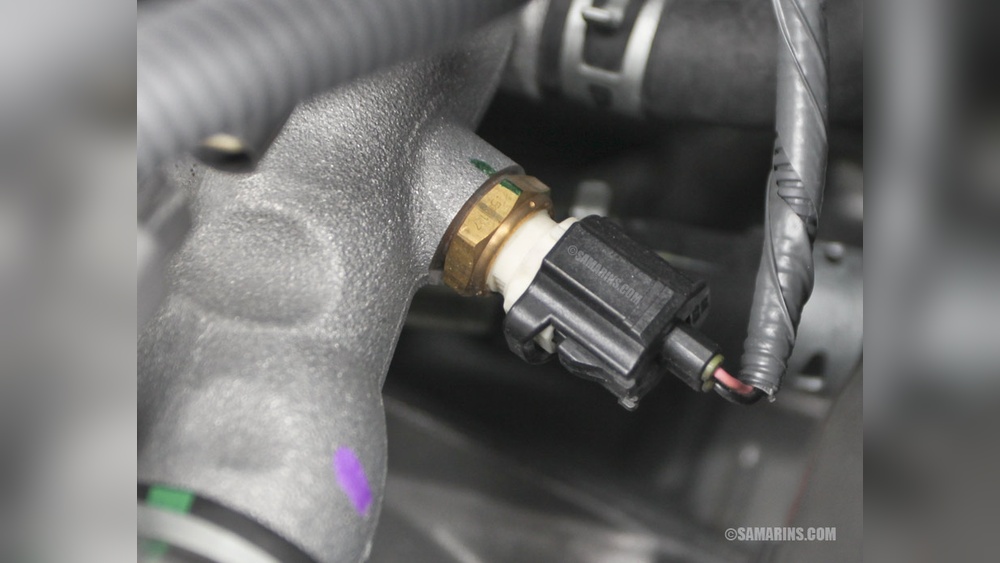
This sensor is placed on or near the thermostat housing. It monitors coolant temperature as it leaves the engine. It aids in controlling the thermostat’s opening and closing.
Intake Manifold Sensor
Some cars have a sensor in the intake manifold. It measures the temperature of the coolant that flows through this area. This helps adjust air and fuel mix for better engine efficiency.
Functions Of Multiple Sensors
Cars often have more than one coolant temperature sensor to monitor engine heat accurately. These sensors help control the engine’s cooling system and improve fuel efficiency. Multiple sensors ensure the engine stays at the right temperature during different driving conditions.
Engine Temperature Monitoring
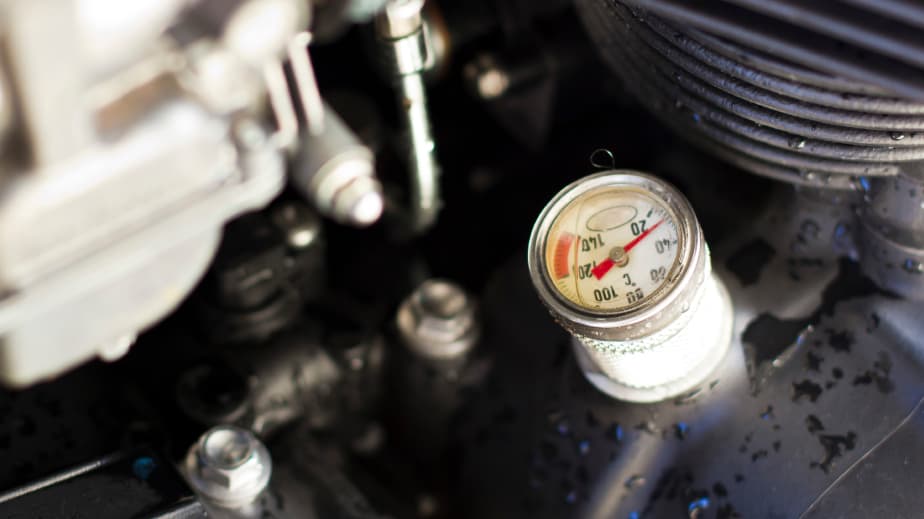
Multiple coolant temperature sensors track different engine parts. One sensor measures the coolant near the engine block. It helps keep the engine from overheating by sending real-time data. Another sensor may track the temperature near the radiator. This helps control the cooling fan and maintain the right temperature.
Improving Fuel Efficiency
Coolant sensors also guide the engine’s fuel system. Accurate temperature readings help the engine decide how much fuel to use. When the engine is cold, it needs more fuel. When warm, less fuel is required. Multiple sensors provide precise data to optimize fuel use.
Protecting Engine Components
Some sensors focus on protecting engine parts from damage. They detect overheating early and alert the system. This prevents costly repairs by triggering warnings or shutting down the engine. Multiple sensors cover different zones for better protection.
Enhancing Emission Control
Coolant temperature sensors help reduce harmful emissions. They work with the vehicle’s emission system to keep it efficient. When the engine reaches the right temperature, sensors signal the system to reduce pollutants. Multiple sensors ensure this process works smoothly at all times.
Credit: www.meineke.com
Signs Of Sensor Malfunction
Coolant temperature sensors show signs like unusual engine temperature or poor fuel economy. A faulty sensor may cause the car to overheat or run rough. Watch for warning lights on the dashboard indicating sensor problems.
Erratic Temperature Gauge Readings
The temperature gauge may jump up and down without reason. This happens when the sensor sends wrong signals. The car’s computer gets confused about the engine heat. This can cause the gauge to show very high or low temperatures suddenly.
Poor Engine Performance
The engine might run rough or stall often. The sensor helps control the fuel mixture. Wrong sensor data makes the engine get too much or too little fuel. This leads to poor acceleration and jerking motions while driving.
Check Engine Light Turns On
The check engine light may come on unexpectedly. The car’s system detects wrong readings from the coolant sensor. This triggers the warning light to alert the driver about a problem. Ignoring this light can cause bigger engine troubles.
Overheating Engine
The engine could overheat without warning signs. The sensor helps monitor and prevent overheating. A faulty sensor may fail to alert the cooling system. This can cause engine damage due to excess heat.
Credit: www.samarins.com
Frequently Asked Questions
How Many Coolant Temperature Sensors Are In A Car?
Most cars have one or two coolant temperature sensors. One sensor monitors the engine temperature. Another may control the radiator fan.
What Is The Main Function Of A Coolant Temperature Sensor?
It measures the engine’s coolant temperature. This helps the engine control unit adjust fuel and timing. It also prevents overheating.
Can A Car Run With A Faulty Coolant Temperature Sensor?
Yes, but it may cause poor engine performance. The engine might overheat or run inefficiently. It’s best to replace a bad sensor quickly.
Where Is The Coolant Temperature Sensor Located In A Car?
Usually, it is near the thermostat housing or engine block. This spot helps it measure coolant temperature accurately. Location varies by car make and model.
Conclusion
Most cars have one or two coolant temperature sensors. These sensors help the engine stay at the right temperature. They send important information to the car’s computer. This keeps the engine safe and running well. Knowing about these sensors helps you understand your car better.
It also helps when you need to fix or check your vehicle. Keep an eye on your car’s temperature sensor to avoid engine problems. Simple maintenance can save you time and money later.