

Can a Catalytic Converter Cause a Car to Not Start? Shocking Truths!
Have you ever turned your key or pushed the start button, only to find your car refusing to come to life? It’s frustrating, especially when you don’t know why.
One common but often overlooked culprit could be your catalytic converter. You might be wondering, “Can a catalytic converter cause my car to not start? ” The answer might surprise you. Understanding how this small but important part affects your car’s ability to start can save you time, money, and stress.
Keep reading to find out what signs to watch for and what you can do if your catalytic converter is the problem.
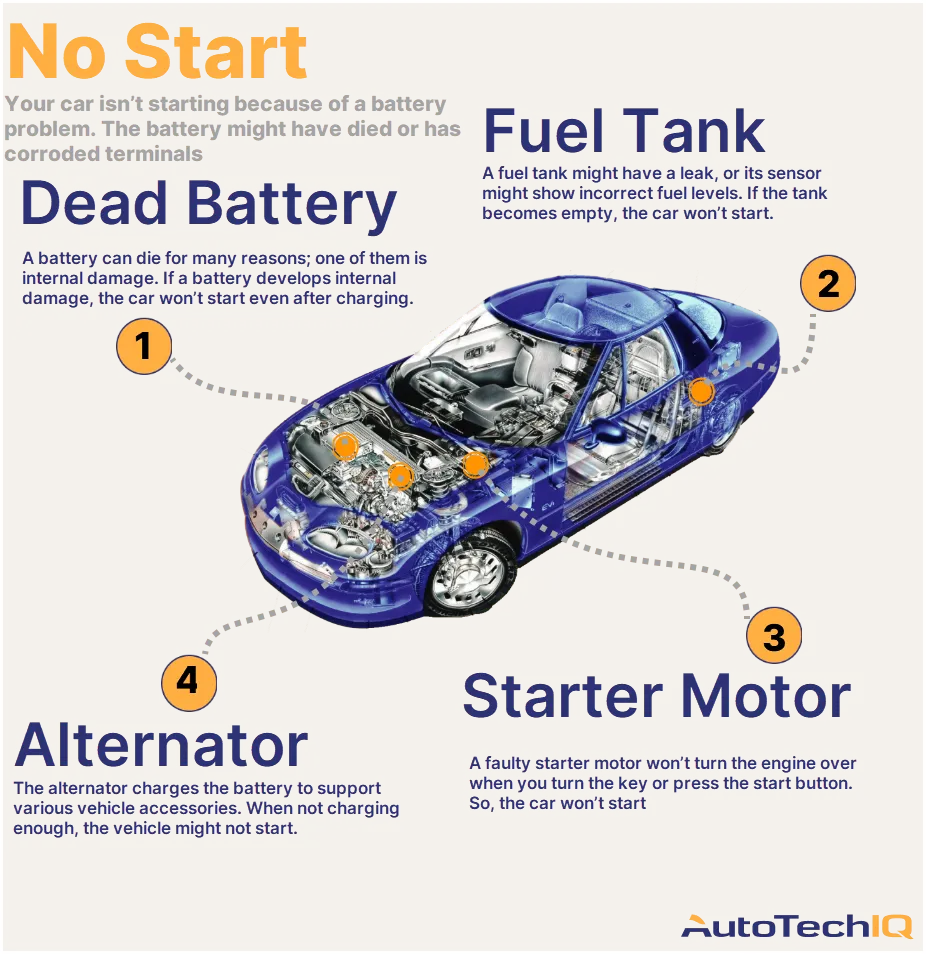
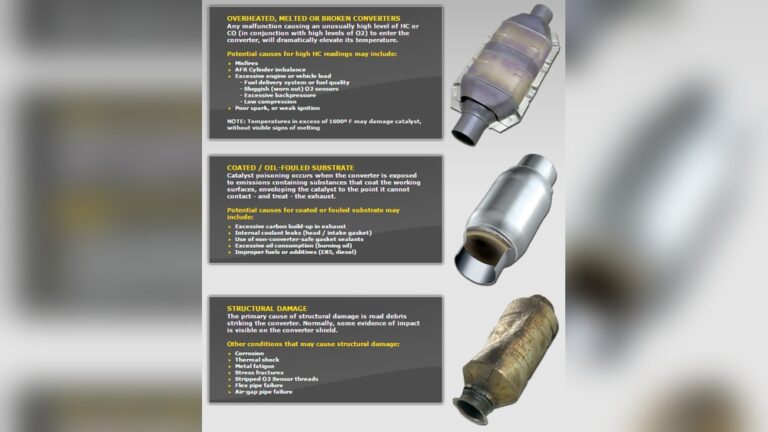
Credit: www.autotechiq.com
Role Of A Catalytic Converter
The catalytic converter plays a key role in a car’s exhaust system. It helps reduce harmful gases released into the air. This device supports cleaner air and helps the engine run smoothly. Understanding its role can explain why a faulty converter might stop a car from starting.
How It Works In The Exhaust System
The catalytic converter sits between the engine and the tailpipe. It takes harmful gases from the engine’s exhaust. Inside, a chemical reaction breaks down these gases. This process turns them into less harmful substances like water and carbon dioxide. The converter needs heat from the engine to work well.
Impact On Engine Performance
A healthy catalytic converter allows exhaust gases to flow freely. This keeps the engine’s backpressure at a safe level. A clogged converter blocks gas flow. The engine struggles to push exhaust out. This can cause poor engine performance or prevent the car from starting. The engine may stall or lose power if the converter is damaged.
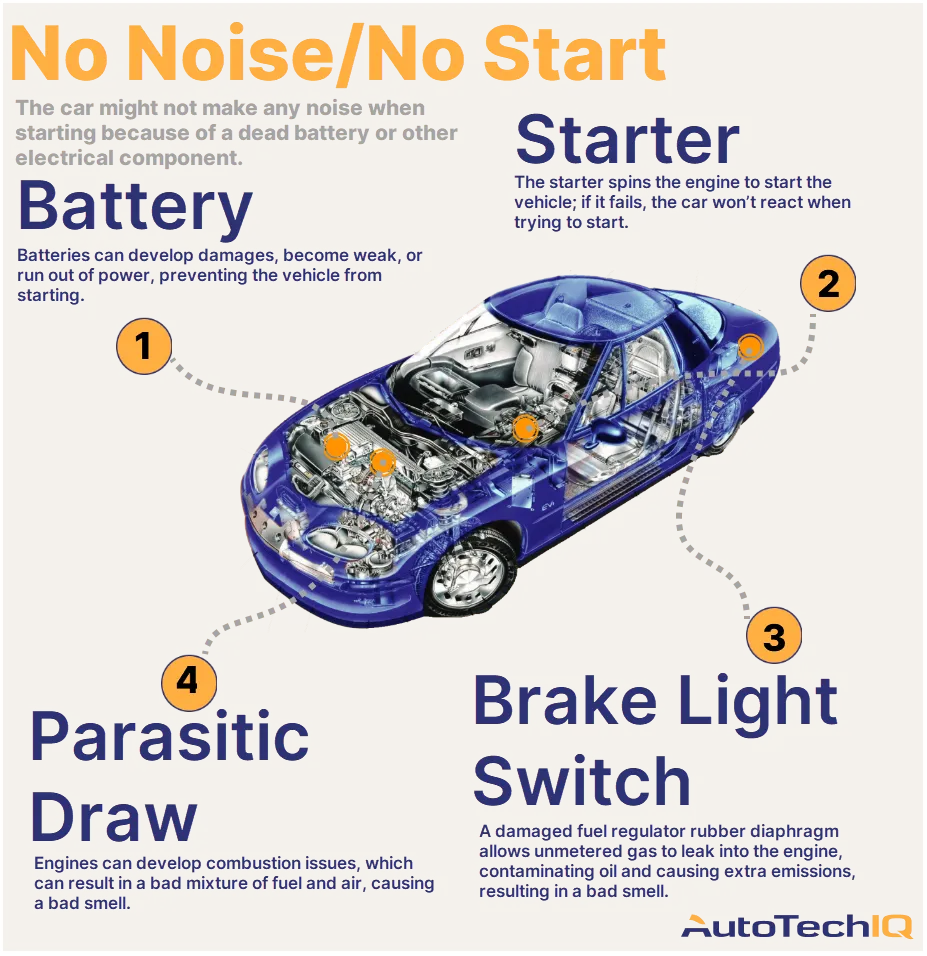
Credit: www.autotechiq.com
Signs Of A Failing Catalytic Converter
The catalytic converter plays a key role in a car’s exhaust system. It helps reduce harmful gases. When it starts to fail, it can cause several problems. Knowing the signs of a failing catalytic converter helps prevent bigger issues. It also helps keep your car running smoothly.
Common Symptoms
A failing catalytic converter can cause strange smells. A rotten egg or sulfur smell is common. The car might lose power during acceleration. You may notice the engine running rough or misfiring. The check engine light often turns on. Sometimes, the car may fail emissions tests. These symptoms suggest the catalytic converter is not working well.
Effects On Starting The Car
A clogged catalytic converter can block exhaust gases. This causes pressure buildup in the engine. The engine struggles to start or may not start at all. The car might crank but fail to turn on. Poor fuel efficiency and stalling are also signs. A bad catalytic converter can make starting your car hard or impossible.
How A Clogged Converter Blocks Starting
A catalytic converter helps clean your car’s exhaust. Over time, it can get clogged with dirt and soot. This blockage can stop your car from starting. Understanding how this happens can help you spot the problem early.
A clogged converter creates a tough barrier inside the exhaust system. This barrier stops the smooth flow of gases. Without proper gas flow, the engine struggles to work right. This struggle often leads to starting problems.
Exhaust Flow Restrictions
A blocked catalytic converter slows down exhaust gases. These gases cannot leave the engine quickly. This causes a backup of pressure inside the engine. The engine has to work harder to push out gases. Too much pressure makes it hard for the engine to run.
This restriction lowers engine performance and can stop it from starting. The engine needs clear exhaust paths to work well. A clogged converter closes off this path, causing trouble.
Engine Stall And No-start Issues
With a clogged converter, the engine may stall suddenly. It cannot keep running with blocked exhaust flow. Sometimes, the engine will crank but not start at all. The blocked converter chokes the engine, cutting off power.
These problems often appear as rough idling or stalling. The engine struggles to breathe and run smoothly. This can leave you stranded with a car that won’t start.
Fixing And Preventing Converter Problems
Fixing and preventing catalytic converter problems helps keep your car running smoothly. A bad converter can stop your car from starting. Catching issues early saves time and money. Regular checks and proper care reduce breakdown risk.
Knowing how to spot problems and maintain the converter is key. The right tools and knowledge make repairs easier. Preventive steps help avoid costly replacements and engine damage.
Diagnostic Methods
Start with an OBD-II scanner to check error codes. These codes point to converter or exhaust issues. Listen for strange noises like rattling inside the converter. A clogged converter often causes poor engine performance.
Measure exhaust backpressure with a gauge to find blockages. Inspect the converter for physical damage or discoloration. A mechanic can perform a temperature test to check heat differences. High heat means a working converter; low heat signals trouble.
Maintenance Tips
Use quality fuel to reduce harmful deposits inside the converter. Avoid running your car low on fuel to prevent overheating. Regular oil changes keep the engine clean and protect the converter.
Fix engine problems like misfires quickly to stop converter damage. Avoid harsh driving that stresses the exhaust system. Clean the air filter and replace it when dirty to improve engine flow.

Credit: www.corsaperformance.com
Frequently Asked Questions
Can A Clogged Catalytic Converter Stop A Car From Starting?
A clogged catalytic converter can restrict exhaust flow, causing engine issues. While it rarely prevents starting, severe blockage may make starting difficult. It often leads to poor engine performance and stalling.
How Does A Faulty Catalytic Converter Affect Engine Start?
A bad catalytic converter can cause back pressure, affecting engine function. This may lead to hard starting or rough idling. It often triggers the check engine light as well.
Can A Catalytic Converter Cause A No-start Condition?
A completely blocked catalytic converter can cause a no-start condition. It stops exhaust gases from escaping, choking the engine. This issue is rare but possible in extreme cases.
What Signs Indicate Catalytic Converter Problems Affecting Starting?
Signs include engine stalling, slow cranking, and poor acceleration. A check engine light may come on with related trouble codes. Strange smells or rattling noises also hint at converter issues.
Conclusion
A clogged catalytic converter can stop your car from starting. It blocks the exhaust flow, causing engine problems. This issue may lead to poor performance or no start at all. Checking the catalytic converter is important when facing starting troubles.
Fixing or replacing it can restore your car’s function. Don’t ignore strange smells or engine warning lights. These signs help catch problems early. Keep your car healthy by regular maintenance and inspections. A working catalytic converter helps your car run smoothly and cleanly.
4 Comments