What Year Did Ford Start Making Aluminum Bodies 2026 Guide
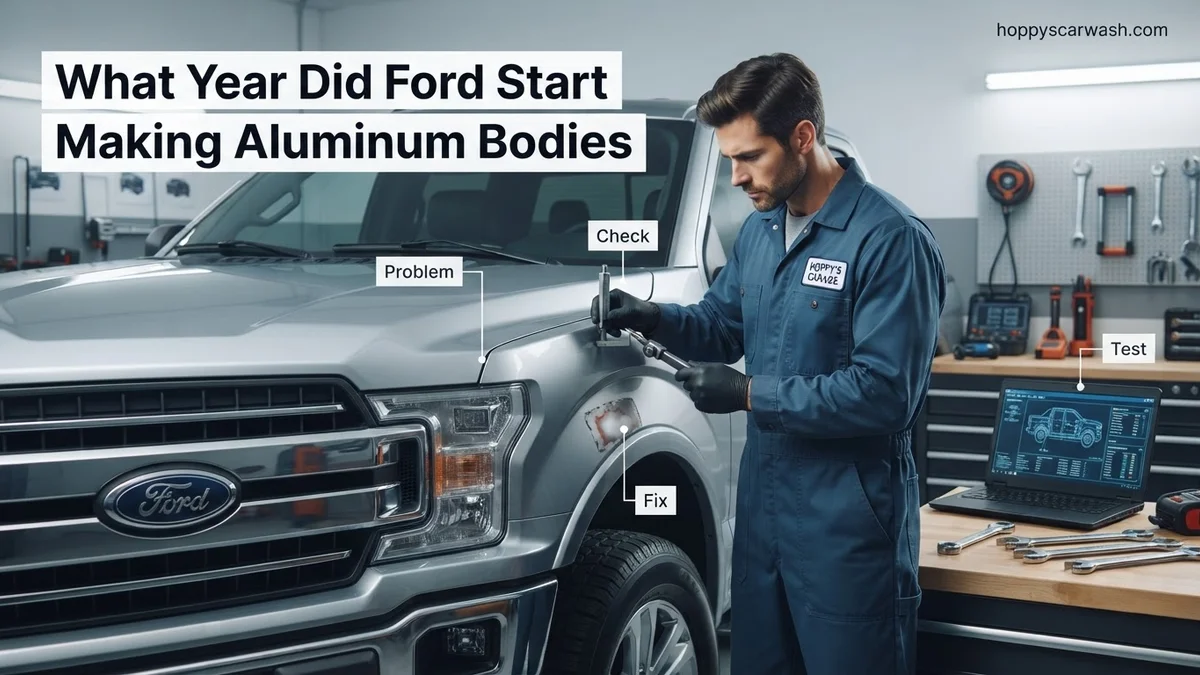
Ford officially began using aluminum bodies for its pickup trucks with the 2015 Ford F-150. This groundbreaking transition replaced traditional steel panels with high-strength, military-grade aluminum alloy to dramatically reduce vehicle weight and improve fuel efficiency.
Ford officially started making aluminum bodies for its mass-market pickup trucks with the 2015 Ford F-150. This high-stakes transition marked one of the biggest manufacturing gambles in automotive history, moving away from traditional high-strength steel to military-grade, high-strength aluminum alloy for almost the entire exterior body panels of the truck.
If you are looking at buying a used truck or maintaining your current rig in 2026, understanding this transition matters. The shift radically changed how these trucks handle payload, fuel economy, and collision repair work, making it crucial to know which model years feature the aluminum construction.
Key Takeaways
- Ford introduced the aluminum body on the F-150 for the 2015 model year.
- The heavy-duty F-250 and F-350 Super Duty trucks transitioned to aluminum in 2017.
- The shift to aluminum reduced overall vehicle weight by up to 700 pounds.
- Military-grade aluminum alloy provides superior dent and rust resistance compared to steel.
- Specialized repair techniques and equipment are required to fix aluminum truck bodies.
What Caused Ford to Switch to Aluminum Bodies
Fuel Economy and EPA Regulations
Federal fuel economy standards forced automakers to slash vehicle weight aggressively. Steel body panels weigh significantly more than aluminum counterparts. By shedding up to 700 pounds from the F-150 lineup during the 2015 redesign, Ford instantly improved fuel economy numbers without needing to downsize engine displacements. Lighter trucks require less energy to move, translating to direct efficiency gains at the pump for you.
Payload, Towing, and Corrosion Resistance
Weight savings do not just help fuel economy; they transfer directly into capability. Every pound Ford stripped out of the cab and bed was reinvested into the fully boxed high-strength steel frame and suspension. This allowed the 2015 and newer trucks to boast class-leading payload and towing ratings. Furthermore, aluminum bodies offer superior corrosion resistance. If you live in the Rust Belt where road salt chews through traditional steel rocker panels, an aluminum Ford body will not rust the same way.
- Weight Reduction: Up to 700 pounds lighter than previous steel generations.
- Payload Bonus: Weight saved from the body went straight into hauling and towing capacity.
- Rust Immunity: Aluminum does not oxidize into red rust like steel, protecting your investment from winter road treatments.
How to Identify and Verify an Aluminum Ford Truck Body
The Magnet Test
Because aluminum is non-ferrous, standard permanent magnets will not stick to it. This provides the fastest, most reliable field test when evaluating a Ford truck in person. Grab a refrigerator magnet and place it against the exterior panels of the vehicle.
- F-150 (2015+): Magnets will fail to stick to the doors, hood, fenders, and tailgate, though some internal frame components remain steel.
- Super Duty (2017+): Ford expanded this exact same high-strength aluminum alloy body treatment to the F-250, F-350, and F-450 lineups starting in the 2017 model year.
- Previous Generations: Any F-150 built in 2014 or earlier will hold a magnet securely across all standard exterior steel body panels.
Checking VIN and Door Jambs
You can also verify construction details through official factory documentation. The safety compliance certification label located inside the driver-side door jamb often lists the primary material specifications or manufacturing plant details. Additionally, running the Vehicle Identification Number through a modern decoder database will explicitly state whether the chassis features the aluminum cab and bed configuration, giving you total clarity before making a purchase or heading to a body shop.
How to Properly Inspect and Maintain Aluminum Body Panels
Maintaining a modern aluminum-bodied vehicle requires different strategies than traditional steel trucks. Automotive industry experts emphasize that while aluminum resists red rust, it remains vulnerable to galvanic corrosion and distinct environmental stressors.
Routine Inspection Protocols
Fleet managers and private owners should execute regular structural checks to catch micro-damages early. Follow these procedural inspection steps:
- Wash the exterior bi-weekly using a pH-neutral automotive soap to remove road salt, industrial fallout, and acidic contaminants.
- Inspect high-impact zones, such as rocker panels and lower doors, for paint chips that expose bare aluminum.
- Examine areas where steel fasteners contact aluminum body panels to check for early signs of galvanic white corrosion.
- Apply a high-grade synthetic sealant or ceramic coating to create a sacrificial barrier against environmental oxidation.
Preventing Cross-Contamination
When performing DIY detailing or minor upkeep, technicians must never use steel wool or standard carbon-steel wire brushes on aluminum surfaces. Embedded steel particles will rapidly oxidize and pit the aluminum substrate. Always use dedicated microfiber towels and non-ferrous plastic scrapers for cleaning and maintenance tasks.
What If Your Aluminum Body Needs Specialized Collision Repair
Repairing an aluminum F-150 or Super Duty requires factory-certified facilities equipped with specialized tooling. Standard body shops utilizing conventional steel-repair methods risk compromising the vehicle’s structural crash integrity.
Collision Restoration Procedures
If your truck sustains body damage, certified repair networks adhere to strict restoration sequences. Follow these steps when navigating post-collision care:
- Select an I-CAR Gold Class or Ford-certified collision center that maintains a dedicated, isolated aluminum clean room.
- Verify that the facility utilizes specialized squeeze-type resistance spot welding (STRSW) and MIG/TIG pulse welding equipment designed for aluminum alloys.
- Ensure technicians use approved self-piercing rivets (SPRs) and structural adhesives matching original factory specifications.
- Request a post-repair scan and calibration report to confirm all Advanced Driver Assistance Systems (ADAS) sensors function accurately.
What If It Still Doesn’t Work?
If preliminary repairs fail, paint adhesion issues persist, or structural alignment remains compromised after initial restoration attempts, vehicle owners must take decisive action. Aluminum metal memory and work-hardening properties differ significantly from steel, often necessitating complete panel replacement rather than traditional body filler remediation.
- Escalate the claim to a Ford Aluminum Repair Network coordinator if a certified shop fails to achieve manufacturer tolerances.
- Obtain a secondary independent structural inspection from a certified master technician to document hidden frame or rivet failures.
- Prepare for professional component replacement, noting that specialized aluminum labor rates typically range from $100 to $175 per hour in 2026.
- Budget for total panel replacement costs, which average 20% to 35% higher than equivalent steel repairs due to specialized materials and bonding agents.
Conclusion
Ford’s historic transition to military-grade aluminum alloy bodies in 2015 revolutionized the full-size truck market by significantly reducing weight and increasing payload capacity. Maintaining and repairing these advanced vehicles requires strict adherence to specialized protocols to prevent galvanic corrosion and structural failure. According to verified research and automotive manufacturing data, utilizing certified repair networks ensures long-term durability and safety. Take the next step today by inspecting your vehicle’s exterior panels for paint integrity and scheduling routine protective treatments.
❓ Frequently Asked Questions
What specific model year did Ford introduce aluminum bodies?
Ford officially transitioned the F-150 body to high-strength aluminum for the 2015 model year, marking a massive shift in the automotive pickup truck market.
How can you tell if a Ford truck has an aluminum body?
The easiest way to test is by using a refrigerator magnet; magnets will not stick to aluminum body panels. Additionally, 2015 and newer F-150s feature specific styling updates and stamping lines unique to the aluminum generation.
Does aluminum rust like steel on Ford trucks?
Aluminum does not rust in the traditional red-oxide way that steel does, making these truck bodies much more resistant to road salt and environmental corrosion, though it can still oxidize under specific conditions.
How much weight did Ford save by switching to aluminum?
The transition to military-grade aluminum alloy shaved up to 700 pounds off the total weight of the F-150 compared to the previous steel-bodied generation.
Are aluminum Ford trucks harder to repair after an accident?
Yes, repairing aluminum requires specialized tools, dedicated clean-room environments to prevent cross-contamination with steel, and certified technicians trained in specific riveting and bonding techniques.
Do Ford aluminum trucks have a steel frame?
While the body panels, cab, and bed are made of aluminum, the underlying structural foundation is a fully boxed frame constructed from high-strength steel for maximum towing rigidity.