How to Keep Squirrels From Chewing Wires in Car 2026 Guide
Squirrels chew car wiring primarily because modern soy-based wire insulation serves as an appealing food source, while the engine bay offers a warm nesting space. To protect your vehicle, you must combine effective physical deterrents and chemical repellents to make the engine compartment entirely unlivable.
Stopping squirrels from chewing your car’s wiring requires a mix of chemical deterrents, physical barriers, and smart parking habits. Modern car manufacturers use soy-based wire insulation that attracts rodents, making under-hood damage an expensive and common problem for drivers in 2026.
When squirrels nest in your engine bay, they chew wires to keep their teeth trimmed. This damage can trigger check engine lights, disable safety sensors, and result in repair bills costing thousands of dollars. Taking immediate action with proven deterrents stops this destructive cycle before it starts.
Key Takeaways
- Modern car wires use soy-based insulation that naturally attracts hungry rodents seeking food.
- Apply spicy capsaicin or peppermint-based sprays under the hood weekly to repel squirrels.
- Wrap vulnerable electrical wiring in specialized Honda rodent tape containing denatonium benzoate.
- Keep your vehicle parked away from trees and open the hood during the day.
- Inspect wiring immediately and tape minor damage before driving to prevent electrical shorts.
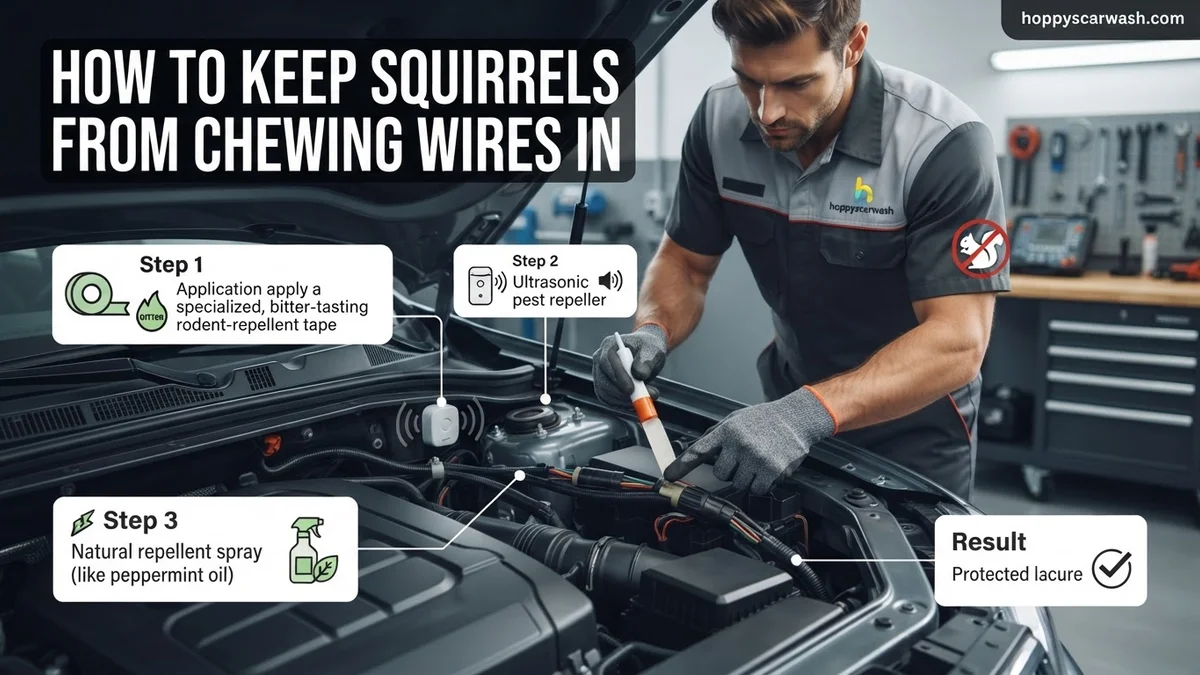
Why Squirrels Are Chewing Your Car Wires
The Soy-Based Insulation Problem
Car manufacturers switched to eco-friendly, soy- and plant-based wire insulation to reduce environmental impact. Unfortunately, rodents recognize these materials as food sources. Squirrels are naturally drawn to the fatty acids and proteins present in modern wire coatings. If your car sits parked for a few days, it becomes an inviting buffet for local wildlife.
Warmth and Shelter in the Engine Bay
Your engine retains heat long after you park, creating a cozy shelter during chilly mornings or overnight hours. Squirrels seek out these protected spaces to build nests using leaves, twigs, and chewed insulation. Once they establish a territory under your hood, they view your vehicle’s wiring harness as both a nesting material source and a teething toy.
Protecting Car Wires from Squirrels Made Easy: Your Essential Action Plan
Squirrels chewing on modern vehicle wiring can cause thousands of dollars in damage, disabling crucial engine components, sensors, and safety systems. This comprehensive walkthrough provides a proven, multi-layered defense strategy to deter rodents, safeguard your electrical harness, and keep your vehicle running smoothly.
Step 1: Conduct a Thorough Engine Bay Inspection
What you need: A high-lumen flashlight, inspection mirror, and leather work gloves.
Instructions: Open your car hood and meticulously examine every visible wire harness, rubber hose, and plastic component. Look closely for telltale signs of rodent activity, such as chewed insulation, scattered nut shells, dried leaves, or animal droppings nestled near the firewall or battery tray. Even if your car is running fine right now, identifying an early infestation allows you to intervene before a check engine light or electrical failure strands you on the road.
Pro Tip: Always let the engine cool down completely before inspecting, and check underneath the vehicle as well since squirrels often enter from the bottom splash guard.
Step 2: Deep Clean the Engine Compartment
What you need: Automotive engine degreaser, a soft-bristle brush, microfiber towels, and safety glasses.
Instructions: Squirrels are heavily attracted to food odors, nesting scents, and pheromones left behind by previous rodents. Spray a dedicated automotive degreaser over the entire engine bay, focusing on areas where debris accumulates. Gently agitate stubborn grime with your brush, then rinse carefully with a low-pressure garden hose, taking care to cover sensitive alternators and electronic control units with plastic bags if necessary. A spotless engine bay removes the scent markers that invite repeat attacks.
Pro Tip: Never use a high-pressure pressure washer under the hood, as it can force water past weather-sealed electrical connectors and ruin delicate sensors.
Step 3: Wrap Vulnerable Wires with Rodent-Resistant Tape
What you need: Honda Rodent Deterrent Tape (or equivalent capsaicin-infused tape) and heavy-duty utility scissors.
Instructions: Identify easily accessible wire bundles, particularly those running near the battery, air filter box, and upper engine sensors. Wrap these harnesses tightly with specialized rodent-deterrent tape containing capsaicin—the fiery chemical compound found in chili peppers. Start at one end of the harness, overlap each rotation by at least fifty percent, and press down firmly to ensure it adheres securely. When curious rodents bite into the tape, the intense spice immediately overwhelms their taste buds, driving them away without permanently harming them.
Pro Tip: Wear disposable nitrile gloves and safety glasses while applying capsaicin tape, as accidental contact with your eyes or skin can cause severe burning sensations.
Step 4: Install Physical Protective Wire Loom Tubing
What you need: Split-slit corrugated wire loom tubing (polyethylene or high-temperature nylon) and heavy-duty zip ties.
Instructions: For extra insurance beyond tape, encase exposed wire runs inside rigid plastic or braided nylon wire loom tubing. Measure the length of wire needing protection, cut the slit-tubing to size with scissors, and pop the wires inside the protective channel. Secure the loom tubing tightly every few inches using high-temperature zip ties to prevent it from shifting. This physical barrier makes it extremely difficult for rodents to get their incisors around the actual copper wiring underneath.
Pro Tip: Ensure your zip ties are trimmed flush and kept well away from extremely hot exhaust manifolds or moving serpentine belts.
Step 5: Apply Scent-Based Repellent Sprays and Pouches
What you need: Commercial rodent repellent spray (peppermint or predator scent-based) and hanging repellent pouches.
Instructions: Spray all plastic and rubber surfaces inside the engine bay generously with a concentrated peppermint oil or commercial rodent repellent formula. Hang two or three long-lasting botanical repellent pouches in strategic, safe locations under the hood—such as near the strut towers or air intake—away from moving engine parts. The overwhelming aroma disrupts the squirrels’ keen sense of smell, making your vehicle an inhospitable environment for nesting or chewing.
Pro Tip: Reapply liquid sprays every two weeks and replace scent pouches every 30 to 90 days, especially during rainy or high-humidity seasons when scents dissipate quickly.
Step 6: Deploy Ultrasonic Electronic Deterrents
What you need: 12V hardwired ultrasonic rodent repeller or battery-operated motion-activated unit, and mounting zip ties.
Instructions: Mount an electronic ultrasonic repeller directly inside the engine bay facing the primary entry points. Hardwire the unit to your car battery (connecting it so it activates automatically when the ignition turns off, or using a constant low-draw connection with built-in low-voltage shutoff protection). These devices emit high-frequency sound waves and intermittent flashing LED lights that drive rodents crazy, deterring them from setting up camp under your hood overnight.
Pro Tip: Choose a model with variable frequency outputs so resident neighborhood squirrels do not adapt to a single, predictable tone over time.
Step 7: Alter Your Parking Habits and Environment
What you need: A broom, outdoor trash cans with tight-fitting lids, and optional car cover.
Instructions: Park your vehicle away from overhanging tree branches, dense shrubs, and wooden fences where squirrels nest and travel. If you have bird feeders in your yard, relocate them far away from your driveway, as fallen seeds are a primary magnet for foraging rodents. If indoor parking is unavailable, consider sweeping your parking pad regularly and keeping nearby trash storage securely sealed.
Pro Tip: Popping your hood open slightly during the daytime (when local garage rules and weather permit) lets natural light flood the engine compartment, making nocturnal rodents feel exposed and unsafe.
✅ Final Checklist
- Engine bay inspected thoroughly for existing chew marks, nesting materials, or droppings
- All grease, food residue, and animal scent markers washed away with degreaser
- Exposed wiring tightly wrapped with capsaicin-infused rodent deterrence tape
- Corrugated wire loom tubing and secure zip ties installed over high-risk harnesses
- Peppermint repellent sprayed and hanging scent pouches positioned safely under the hood
- Ultrasonic electronic repeller wired and tested for proper frequency/light operation
- Parking location adjusted away from trees, bird feeders, and dense foliage
Important Notes:
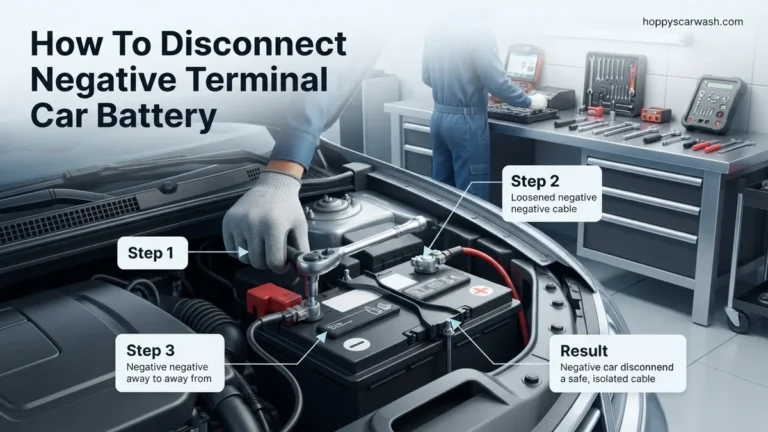
- Always disconnect the negative car battery terminal before performing electrical wrapping or hardwiring accessories.
- Consult a certified professional mechanic immediately if you discover exposed bare copper wire or intermittent sensor failures.
- Estimated time investment: 1 to 2 hours. Total material cost range: $30 to $100 depending on the chosen electronic and physical deterrents.
Step-by-Step Guide to Fixing and Preventing Rodent Damage
Apply Specialized Rodent Deterrents
You need strong chemical and physical barriers to drive squirrels away from your engine bay. Standard household cleaners will not cut it. Use these proven methods to protect your wiring:
- Honda Rodent Tape: Wrap vulnerable wiring harnesses with this specialized tape, which is heavily infused with denatonium benzoate—one of the bitterest substances known to science.
- Capsaicin and Peppermint Sprays: Apply a concentrated hot pepper or peppermint oil spray to non-electrical components under the hood every two weeks to irritate a squirrel’s sensitive nose and taste buds.
- Ultrasonic Repellers: Install a battery-powered or hardwired under-hood ultrasonic device that emits variable high-frequency sounds to disorient rodents.
Change Your Parking and Housekeeping Habits
Altering your daily routine drastically reduces the chances of a squirrel infestation. Simple changes make your car a much less appealing target:
- Park Away From Trees: Avoid parking directly under oak, walnut, or fruit trees where squirrels forage and gather nesting materials.
- Open Your Hood: If you park in a secure garage during the day, prop your hood open. Squirrels prefer dark, hidden spaces and will usually avoid exposed, well-lit engine bays.
- Remove Food Sources: Never leave fast-food bags, wrappers, or snacks inside your vehicle cabin or trunk, as lingering food odors attract rodents to the immediate area.
Best Deterrents, Sprays, and Tapes to Stop Squirrels
When physical barriers alone fail to discourage persistent rodents, chemical and sensory deterrents provide an essential second line of defense. Automotive experts and pest control specialists recommend combining multiple methods for optimal vehicle protection in 2026.
Anti-Rodent Tape and Capsaicin Sprays
Honda and other major manufacturers specifically manufacture rodent-resistant tape infused with capsaicin, the active compound that makes chili peppers spicy. When squirrels bite the tape, the intense irritation forces them to abandon the wire. For maximum efficacy, wrap vulnerable wiring harnesses completely from end to end. Additionally, commercial peppermint oil sprays and ultrasonic repellent devices emit frequencies that annoy rodents without harming the vehicle’s electrical system.
- Clean the target wires thoroughly with a degreaser so the anti-rodent tape adheres properly.
- Wrap the tape tightly around all exposed engine bay wiring, overlapping edges by at least half an inch.
- Apply a capsaicin or bitter-taste spray to surrounding rubber hoses, plastic covers, and insulation liners every 30 days.
- Install battery-powered or under-hood ultrasonic pest repellers on the inner fender walls to create an uncomfortable acoustic environment.
What If It Still Doesn’t Work?
If squirrels continue chewing through wires despite deterrent sprays, ultrasonic devices, and protective tape, the infestation has likely moved past simple deterrence. Persistent rodents often build nests directly inside the warm engine insulation, making the vehicle their established territory.
- Inspect the entire engine bay thoroughly with a high-powered flashlight to locate hidden nests made of leaves, grass, or foam insulation.
- Remove any vehicle covers or parking habits that inadvertently shelter the car, such as parking directly beneath mature oak or walnut trees.
- Apply professional-grade mechanical snap traps or live-catch cage traps safely around the perimeter of the parked vehicle, never directly on top of hot engine components.
- Consult a certified automotive mechanic to inspect compromised electrical harnesses and repair damaged insulation with professional-grade solder and shrink-wrap. Professional electrical repairs typically range from $150 to $600 depending on the severity of the chewed wiring.
Conclusion
Protecting your vehicle from destructive rodents requires a proactive combination of physical barriers, capsaicin-infused tapes, and regular engine bay inspections. Ignoring early warning signs can lead to severe electrical failures and costly repairs. According to verified research and automotive insurance data, comprehensive preventative measures significantly reduce the risk of under-hood animal damage. Take the next step today by applying anti-rodent tape to your vehicle’s most vulnerable wiring harnesses before the next seasonal migration begins.
❓ Frequently Asked Questions
Will mothballs keep squirrels out from under my car hood?
Mothballs can provide mild deterrence due to their strong odor, but they are generally less effective outdoors and contain toxic chemicals that can harm the environment. Better alternatives include natural peppermint sprays or under-hood flashing lights.
How often should I reapply squirrel repellent sprays?
Most commercial under-hood deterrent sprays should be reapplied every one to two weeks, or immediately after driving through heavy rain or washing the engine bay. Consistency is key to breaking the squirrels’ nesting habits.
Can I use chicken wire to block squirrels from entering the engine bay?
Yes, constructing a physical barrier using hardware cloth or fine-mesh chicken wire around the perimeter of the car or underneath the engine can prevent access. However, ensure it is securely fastened and does not interfere with moving parts.
Do ultrasonic rodent repellers work on cars?
Ultrasonic devices that plug into the car battery can deter pests, but their effectiveness varies because sound waves struggle to pass around solid engine components. They work best when combined with chemical deterrents and wire tape.
What insurance covers car damage caused by squirrels?
Comprehensive auto insurance coverage typically pays for damage caused by rodents chewing wires and internal components. Always check your specific policy deductible before filing a claim.
How do I temporarily fix chewed wires before a professional repair?
If wires are only superficially damaged, disconnect the battery, wrap the exposed copper tightly with electrical tape, and schedule a professional inspection. Never drive if multiple wires are severed or exposed.