

How Much Is Water Pump And Timing Belt Replacing Water 2026
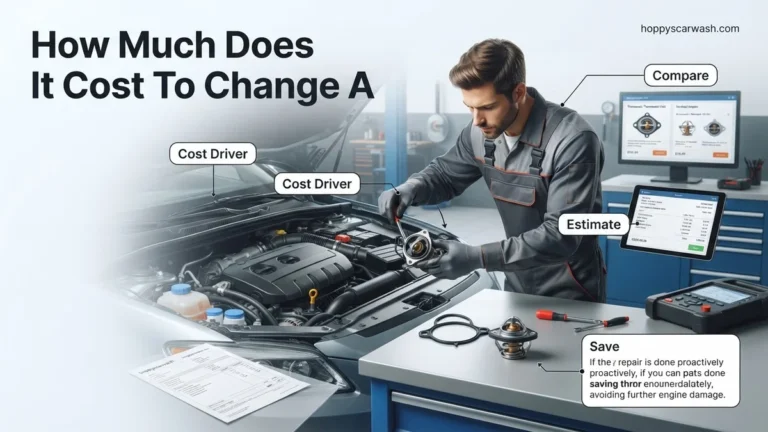
Replacing a water pump and timing belt typically costs between $500 and $1,000+ depending heavily on your vehicle’s make, model, and engine configuration. Because both components require dismantling the same engine parts, replacing them at the same time saves hundreds in overlapping labor charges.
If you are wondering how much it costs to replace a timing belt and water pump together, expect a total bill ranging between $500 and $1,000+ for most standard vehicles in 2026. Luxury cars, sports cars, and complex V6 or V8 engines can easily push this repair past $1,500 due to tight engine bays and expensive components.
Because these two critical parts live in the exact same area of your engine, mechanics almost always recommend replacing them at the same time. Paying for the labor once saves you hundreds of dollars in duplicate labor costs down the road, making this bundled service a necessary financial and mechanical investment for your car’s longevity.
Key Takeaways
- Expect total replacement costs to range between $500 and $1,000+ for most standard vehicles.
- Labor usually makes up 60% to 80% of the total bill due to the complex engine disassembly required.
- Replacing the water pump during a timing belt change prevents double labor charges later.
- Luxury vehicles, sports cars, and complex V6 or V8 engines can push costs past $1,500.
- Always replace associated components like tensioners, pulleys, and engine coolant at the same time.
Why Timing Belt and Water Pump Failure Requires Immediate Attention
The Catastrophic Cost of a Broken Timing Belt
Your timing belt keeps the engine’s crankshaft and camshaft in precise synchronization. If this rubber belt snaps while you are driving down the highway, your pistons will likely collide with your open valves. In an interference engine—which most modern cars use—this sudden impact destroys the engine. You will face a complete engine replacement or a massive rebuild bill that dwarfs the cost of routine belt maintenance.

The Danger of a Leaking Water Pump
The water pump circulates coolant through your engine block and radiator to prevent overheating. When a water pump fails, it usually starts leaking coolant through its weep hole or experiences total bearing seizure. If the bearing seizes, it can physically bind the timing belt, causing the belt to slip or snap instantly. This triggers the exact same catastrophic engine damage as a broken belt alone.
- Engine Overheating: A failing pump restricts coolant flow, warping cylinder heads within minutes.
- Bearing Seizure: Worn pump bearings create a whining noise that signals immediate mechanical failure.
- Coolant Contamination: A leaking water pump sprays coolant directly onto the rubber timing belt, degrading the material and causing premature snap-risk.
Master Water Pump and Timing Belt Replacing in 6 Simple Steps
Replacing your vehicle’s timing belt and water pump is one of the most critical maintenance tasks you can undertake to prevent catastrophic engine failure. Because these components typically fail around the 60,000 to 100,000-mile mark and often share the same labor-intensive access path, it makes immense financial and practical sense to replace them simultaneously. This comprehensive guide will walk you through evaluating costs, preparing your workspace, and executing the replacement process like a seasoned mechanic.
Step 1: Evaluate Costs and Gather Estimates
What you need: Access to repair manuals (like Haynes or AllData), local mechanic quotes, and online parts catalogs.
Instructions: Before turning a single wrench, you need to understand the financial scope of the job. If you are hiring a professional, expect the total cost for a water pump and timing belt replacement to range between $500 and $1,200, depending heavily on your vehicle’s make, model, and engine layout. Front-wheel-drive transverse engines often cost more due to cramped engine bays. If you are doing the job yourself, parts kits (which usually include the timing belt, water pump, tensioner, and idler pulleys) typically cost between $150 and $350. Always factor in the cost of fresh coolant and specialized tools.
Pro Tip: Never buy cheap aftermarket timing components. Stick to OEM or high-tier aftermarket brands like Aisin, Gates, or Continental to avoid premature failure.
Step 2: Prepare Your Workspace and Disconnect Power
What you need: Hydraulic floor jacks, sturdy jack stands, wheel chocks, basic socket set, and safety glasses.
Instructions: Park your vehicle on a flat, level surface, engage the parking brake, and place wheel chocks behind the rear tires. Disconnect the negative battery terminal to protect your vehicle’s electrical system and prevent accidental starting. Elevate the front of the vehicle securely using rated jack stands—never rely on a hydraulic jack alone. Open the hood and remove any plastic engine covers, intake piping, or accessory belts that block access to the front harmonic balancer and timing cover. Make sure you have adequate lighting and a clean magnetic tray to hold small bolts.
Pro Tip: Take clear, high-resolution photos with your smartphone at every single step of disassembly. This visual reference will be a lifesaver during reassembly.
Step 3: Drain the Coolant System
What you need: Drain pan, clean coolant catch container, pliers, and fresh engine coolant.
Instructions: Since the water pump is bolted directly into the cooling system, replacing it will inevitably cause coolant to spill. Locate the radiator drain plug (petcock) at the bottom corner of the radiator or disconnect the lower radiator hose if a petcock is absent. Place your drain pan underneath and open the valve slowly. Remove the radiator cap to speed up the draining process. Once the system is completely empty, capture the old coolant and dispose of it responsibly at a local recycling facility. Inspect the drained coolant for debris or oil contamination to diagnose any underlying engine issues.
Pro Tip: Always let the engine cool down completely before opening the cooling system to prevent severe scalding from pressurized hot coolant.
Step 4: Remove Accessories and Access the Timing Cover
What you need: Serpentine belt tool, breaker bar, sockets, and harmonic balancer puller (if required).
Instructions: Relieve tension on the serpentine belt and slide it off the pulleys. Remove any power steering pumps, alternators, or compressor brackets that block the plastic or metal timing belt covers. Next, you will need to remove the crankshaft pulley (harmonic balancer). This bolt is notoriously tight and usually requires a breaker bar combined with a flywheel locking tool or a quick bump of the starter (if safe and experienced). Once the pulley is removed, unbolt the upper and lower timing covers to expose the timing belt, tensioner, and water pump assembly.
Pro Tip: Do not use impact wrenches on the crankshaft bolt unless specifically recommended by your service manual, as this can damage internal engine components.
Step 5: Align Timing Marks and Remove Old Components
What you need: Socket wrench, chalk or paint marker, and a torque wrench.
Instructions: Turn the crankshaft manually (using a socket on the crankshaft bolt) clockwise until the timing marks on the camshaft gear(s) and crankshaft gear align perfectly with the engine block indicators. Double-check that cylinder number one is at Top Dead Center (TDC). Once aligned, loosen the timing belt tensioner, slide the old belt off, and completely remove the tensioner and idler pulleys. Next, unbolt the old water pump, being ready to catch any residual coolant that escapes the engine block. Clean the water pump mounting surface thoroughly, scraping away all old gasket material without gouging the aluminum block.
Pro Tip: Never rotate the camshafts or crankshaft independently while the timing belt is removed, or you risk damaging the valves by striking the pistons.
Step 6: Install the New Water Pump and Timing Belt
What you need: New water pump gasket or RTV sealant, new timing belt kit, torque wrench, and new coolant.
Instructions: Apply the appropriate sealant or position the new gasket onto your new water pump. Bolt the water pump into place, torquing the bolts in a crisscross pattern to the manufacturer’s exact specifications. Install the new idler pulleys and the new tensioner assembly (leave it loose). Carefully thread the new timing belt over the sprockets, ensuring there is zero slack on the drive side (usually the exhaust/intake side opposite the tensioner). Re-verify that all timing marks still align perfectly. Activate the tensioner to apply proper tension to the belt, then manually rotate the engine two full revolutions and check the marks one final time. Reassemble the covers, harmonic balancer, and accessories in reverse order, refill the cooling system, and reconnect the battery.
Pro Tip: Always bleed the cooling system thoroughly after refilling to eliminate trapped air pockets that can cause engine overheating.
✅ Final Checklist
- All timing marks on camshaft and crankshaft gears align perfectly with engine reference points
- Water pump and timing cover bolts are torqued to factory specifications
- Cooling system is fully refilled with fresh coolant and air pockets are properly bled
- Serpentine accessory belt is correctly routed and tensioned
- Engine starts smoothly without any unusual ticking, whining, or rattling noises
Important Notes:
- Always wear safety glasses and gloves when working with hazardous chemicals like engine coolant.
- If you lack confidence in maintaining engine timing alignment, seek professional mechanic assistance immediately to avoid bent valves.
- Estimated professional cost ranges from $500 to $1,200; DIY costs range from $150 to $350 in parts with an estimated time commitment of 4 to 8 hours.
Step-by-Step Breakdown of Replacement Costs and Parts vs Labor
Understanding Parts Costs
Buying the components individually or as a complete kit dictates a major portion of your upfront material expenses. A standard timing belt kit typically includes the belt, tensioner pulleys, and idler pulleys. Adding the water pump to this kit usually brings the total parts cost to between $150 and $400 for mainstream vehicles, while performance or luxury parts can exceed $600.
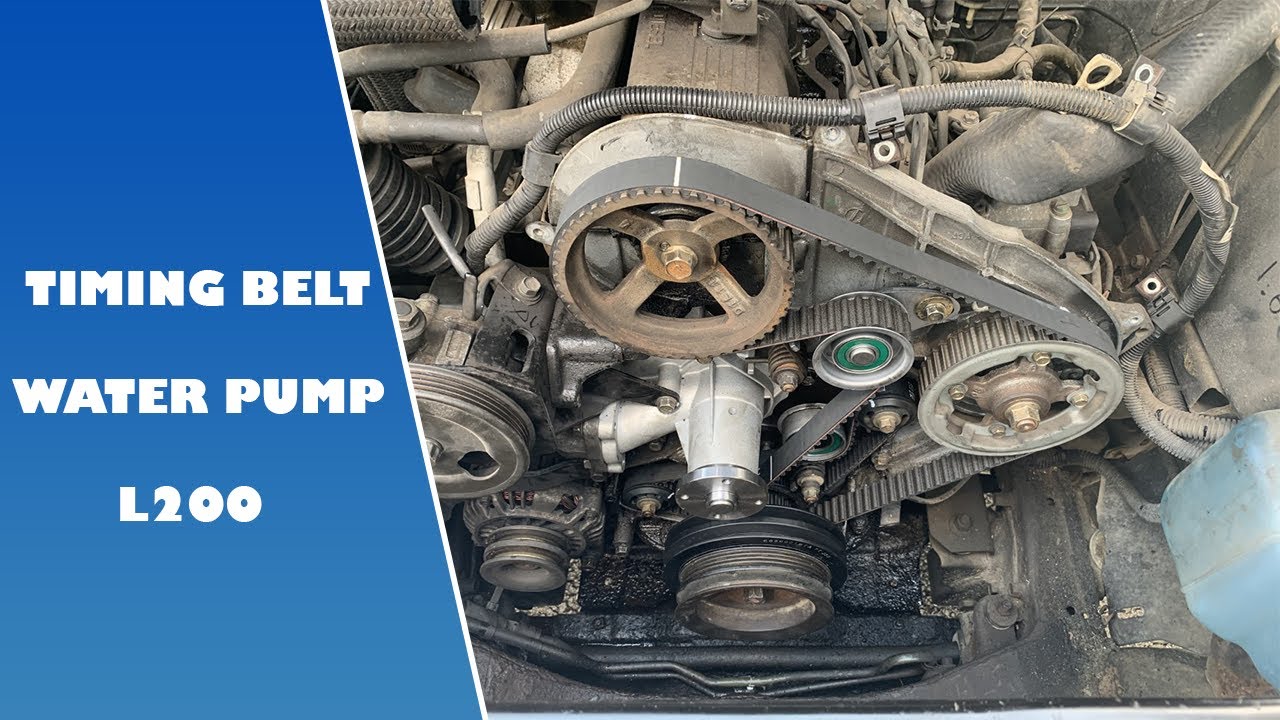
- Timing Belt Kit: $80 to $200 depending on vehicle make and model.
- Water Pump: $60 to $180 for standard OEM or high-grade aftermarket replacements.
- Coolant Fluid: $25 to $50 to refill your drained cooling system.
The Heavy Impact of Labor Charges
Labor dominates the total cost of this service, accounting for roughly 70% of your final invoice. Mechanics must remove engine mounts, accessory drive belts, plastic timing covers, and sometimes parts of the front bumper or wheel well to access the components. This intensive labor process requires 3 to 6 hours of professional mechanic time, with standard labor rates in 2026 ranging from $100 to $200+ per hour.
How to Fix and Save Money on Your Timing Belt and Water Pump Service
Replacing a timing belt and water pump requires specialized tools and deep mechanical knowledge. However, savvy car owners can significantly lower the total repair bill by adopting strategic cost-saving measures. Labor typically accounts for up to 70 percent of the total quote at franchise dealerships. Sourcing parts independently or utilizing certified independent shops can reduce expenses dramatically in 2026.
Shop Around for Certified Independent Mechanics
Dealership service departments often charge between 150 dollars and 250 dollars per hour for labor. Independent ASE-certified shops usually charge 90 dollars to 140 dollars per hour for the exact same mechanical procedures. Request written, itemized estimates from at least three different local shops before authorizing any engine work.
Purchase Comprehensive Kit Bundles
Manufacturers strongly recommend replacing the timing belt, water pump, tensioners, and idler pulleys simultaneously. Buying these components individually from auto parts stores inflates the overall material cost. Purchasing an all-inclusive timing belt kit with a water pump usually saves 25 to 40 percent compared to buying separate parts.
- Ask the service advisor if you can supply your own high-quality OEM or equivalent parts to save on markup.
- Verify that the independent shop offers a minimum 12-month or 12,000-mile warranty on both labor and installed parts.
- Schedule the service proactively before the belt snaps to avoid expensive cylinder head or valve damage.
What If Your Engine Still Overheats or Fails After Replacement
Sometimes, replacing the timing belt and water pump does not immediately resolve persistent engine overheating or coolant loss issues. Additional underlying mechanical failures may mimic water pump symptoms or may have been triggered by prior overheating events. Addressing these residual issues promptly prevents catastrophic engine block cracking or blown head gaskets.

Troubleshooting Post-Repair Failures
If temperature gauges continue climbing after a fresh installation, technicians must investigate secondary cooling system components. Trapped air pockets in the cooling passages frequently cause erratic temperature spikes immediately following a water pump service. Furthermore, a stuck thermostat or a partially blocked radiator core will restrict coolant flow entirely.
- Perform a thorough coolant system pressure test to check for hidden external leaks or failing hose connections.
- Bleed the cooling system completely using a specialized spill-free funnel to eliminate stubborn air pockets.
- Test the thermostat opening temperature and inspect cooling fan relays for proper electrical operation.
- Consult a professional engine specialist for a combustion leak test if coolant contamination or white exhaust smoke persists. Professional diagnostic fees for advanced cooling system testing typically range from 100 dollars to 250 dollars.
Conclusion
Replacing a timing belt and water pump is an expensive yet unavoidable maintenance milestone for interference engines. Total costs in 2026 generally span from 500 dollars to 1,250 dollars, heavily influenced by labor rates and vehicle design. According to verified research and automotive service data from expert sources, bundling these replacements prevents redundant labor charges and catastrophic engine failure. Take the next step by requesting quotes from certified independent technicians in your area today.
❓ Frequently Asked Questions
How much is water pump and timing belt replacing on a standard four-cylinder car?
For standard four-cylinder economy cars, total replacement costs typically range from $500 to $800. These engines generally offer easier access for mechanics, keeping the labor hours lower than complex multi-cylinder layouts.
Why is the labor cost so high for this specific repair?
Mechanics must remove several engine accessories, motor mounts, timing covers, and sometimes the radiator to access the belt and pump. This labor-intensive process often takes anywhere from 3 to 6 hours of dedicated shop time.
Can I replace just the timing belt and leave the old water pump?
It is strongly discouraged. Water pumps run off the timing belt and share the same lifespan; if an old pump fails shortly after a new belt is installed, you will have to pay the entire labor cost over again.
What additional parts should be replaced during this service?
Besides the belt and pump, you should always replace idler pulleys, tensioners, and engine coolant. Many shops sell these items bundled together as a complete timing belt kit.
How do I know if my water pump or timing belt is failing?
Signs of a failing water pump include coolant leaks, a whining noise from the engine, or overheating. A bad timing belt often gives no warning before snapping, though high-mileage cracking or ticking noises can sometimes be detected.
Does car insurance cover timing belt and water pump replacements?
No, insurance does not cover standard maintenance items or mechanical wear and tear. You will need to pay for this service out of pocket as part of routine vehicle upkeep.
One Comment