Why Does My AC Stop Working When I Stop Driving 2026 Fix
When your vehicle’s air conditioning stops blowing cold air while idling but works fine while driving, it is usually caused by a faulty condenser fan or restricted airflow. Moving forward forces air through the condenser, while stopping requires the electric fan to pull airflow over the system components.
When your car’s air conditioning blows ice cold on the highway but turns warm the moment you pull up to a red light, you are dealing with a classic automotive airflow problem. This frustrating symptom means your AC system works fine while you are driving at speed, but it fails the moment your vehicle stops moving. In almost every case, this points directly to a failure in how your car manages heat exchange and airflow when idling.
Fixing this issue quickly is critical for your comfort during hot summer commutes in 2026. Ignoring a cooling system that only functions at high speeds can also overwork your compressor, leading to a much more expensive total system failure down the road. Let us dive into the mechanics of why your car loses its cool when you stop driving.
Key Takeaways
- A broken cooling fan is the primary culprit when AC fails at idle.
- Driving forces natural airflow through the condenser to cool refrigerant.
- Low refrigerant levels can also cause warm air when engine RPMs drop.
- Check if your engine temperature rises while idling in traffic.
- Replacing a faulty relay or condenser fan usually resolves the issue.
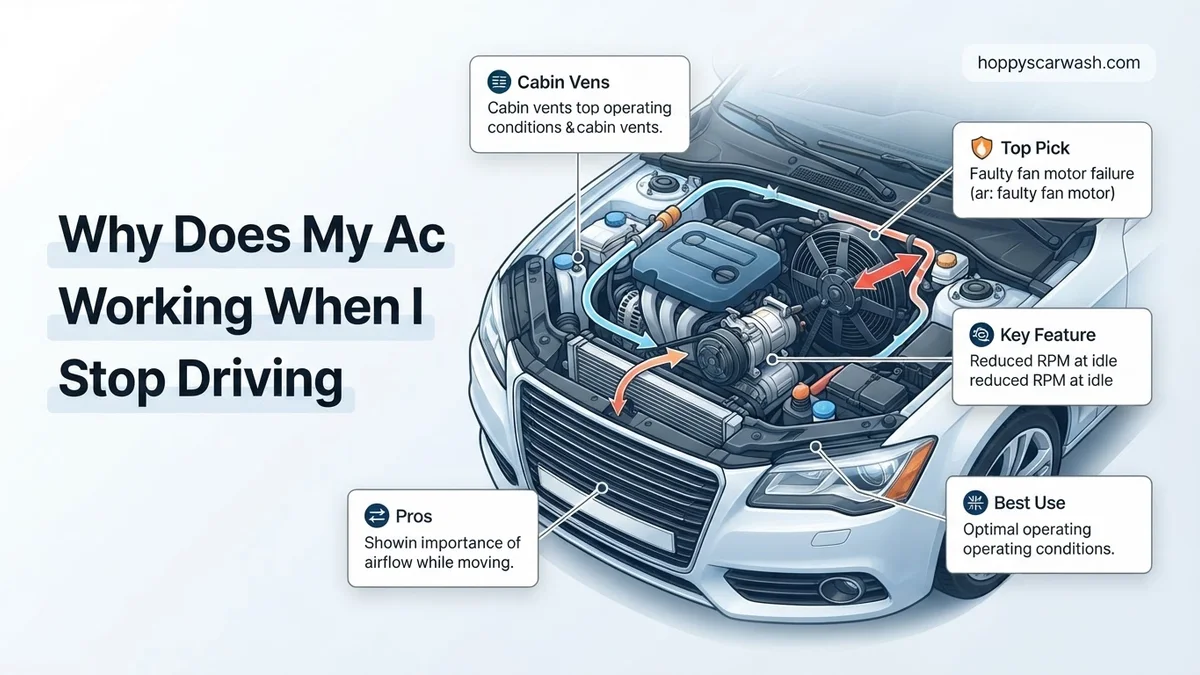
What Causes Your AC to Stop Working When You Stop Driving
The Physics of Ram Air and Condenser Cooling
Your car’s air conditioning system relies heavily on the condenser to release heat absorbed from your cabin. When you drive at 45 miles per hour, natural wind—known as ram air—rushes through your front grille and forces heat out of the condenser coils. However, when you stop at a light, that natural airflow drops to zero instantly. Your AC system now depends entirely on mechanical assistance to pull air across the condenser.
The Role of the Cooling Fan
Because natural airflow disappears when you idle, your vehicle relies on an electric cooling fan (or a mechanically driven fan clutch) to pull air through the radiator and condenser. If this fan stops working, pressure inside your AC lines spikes dangerously high within seconds. Modern 2026 vehicle computers will often shut down the AC compressor clutch automatically to prevent a catastrophic hose rupture. Once you step on the gas and start driving again, the ram air effect cools the condenser, pressure drops, and cold air miraculously returns.
How to Diagnose the Condenser Fan and Airflow Restrictions
Checking Operation and Fuses
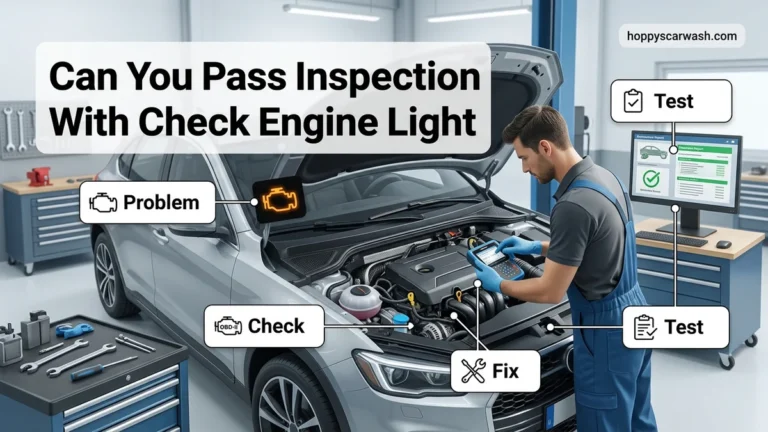
To find out if your cooling fan is the culprit behind your warm idle, pop the hood while the engine and AC are running. Safely observe whether the cooling fan behind the radiator and condenser is spinning. If the fan remains completely stationary while the engine gets hot and the AC blows warm, you have likely found your root cause. Before replacing the expensive fan motor, check your vehicle owner’s manual to locate the specific cooling fan relay and fuse, as these components frequently burn out.
Identifying Physical Blockages
Sometimes the fan is spinning, but airflow is still severely restricted when you stop. Inspect the front of your car for hidden obstacles:
- Heavy buildup of dead insects, dirt, and road debris packed tightly between the condenser fins
- Bent or crushed condenser fins from minor front-end bumps or flying road stones
- Aftermarket front grille guards or license plate relocators blocking critical intake surface area
- Plastic under-engine splash shields missing or improperly installed, which disrupts designed shroud airflow paths
Step-by-Step Guide to Fix AC That Only Works While Driving
Diagnosing an automotive air conditioning system that quits at idle requires a methodical approach. According to Mobile Air Conditioning Society (MACS) guidelines, technicians always start with visual inspections before moving to pressure gauges. Follow this sequence to isolate the root cause safely in 2026.
Step 1: Check Condenser Fan Operation
Turn on your vehicle’s engine and crank the air conditioning to maximum chill. Pop the hood and observe the cooling fan mounted directly in front of the radiator and condenser. If the fan remains completely stationary or stutters while the engine idles, you have found your primary culprit. Without airflow over the condenser, refrigerant cannot shed heat when vehicle motion stops.
Step 2: Inspect Electrical Fuses and Relays
Locate your vehicle’s under-hood fuse box and consult the diagram printed on the lid. Find the specific fuse and relay designated for the cooling fan or condenser fan. Pull the fuse and examine the metal bridge inside; if it is snapped, replace it immediately with an identical amperage rating. Swap out the fan relay with a matching horn or accessory relay to test for internal relay failure.
Step 3: Monitor Refrigerant Levels and Pressures
Connect a manifold gauge set to the low and high-side service ports of your AC system. If resting pressures fall below standard operating ranges, a slow leak has starved the compressor of necessary mass flow. Overcharged systems will also trigger safety switches that disable compressor operation under low-airflow, high-pressure idle conditions.
What If It Still Doesn’t Work?
If DIY inspections fail to restore your idle air conditioning, the issue likely resides deep within internal mechanical components or complex computerized control modules. Modern vehicles rely on pulse-width modulation signals from the powertrain control module to regulate fan speeds, complicating simple circuit tests.
- Test the Electronic Fan Control Module: If fuses and relays check out, the control module itself may be dead, preventing voltage from reaching the fan motor at low speeds.
- Inspect Compressor Clutch Air Gap: A worn compressor clutch can slip when engine RPMs drop, failing to engage the compressor pulley properly at idle.
- Flush or Replace the Condenser: Internal blockages restrict refrigerant flow, causing massive pressure spikes the moment forward vehicle momentum ceases.
- Seek Professional Help: Take your vehicle to an ASE-certified HVAC specialist if you lack a refrigerant recovery machine or advanced diagnostic scanners. Professional diagnostics generally range from $150 to $250, while total component repairs span $300 to $1,200 depending on whether you need a new fan assembly or compressor.
Conclusion
An automotive air conditioning system that stops blowing cold air the moment you press the brake pedal typically points to restricted airflow across the condenser or a failing cooling fan circuit. Addressing faulty relays, blown fuses, or dead fan motors quickly restores proper refrigerant heat exchange and cabin comfort. According to verified research and expert sources from the automotive service industry, proactive maintenance of cooling fans prevents costly compressor burnouts. Schedule a professional AC system inspection today to ensure reliable cooling all season long.
❓ Frequently Asked Questions
Why does my car AC blow warm air only when idling?
When you drive, forward motion forces outside air through the AC condenser to release heat. When you stop, an electric cooling fan must kick on to maintain that airflow; if the fan fails, the refrigerant stays hot and the air turns warm.
Could a bad compressor cause the AC to stop working at a stop sign?
While less common than airflow issues, a worn compressor or failing compressor clutch might not spin fast enough at idle speeds to build adequate pressure, resulting in a loss of cold air until you accelerate.
How can I test my car’s condenser fan at home?
Turn on your engine and turn the AC to its max cold setting with the front defroster off. Safely open the hood and look at the cooling fan assembly to see if the fan is actively running or completely stagnant.
What is the difference between a cooling fan and a condenser fan?
In many modern vehicles, a single dual-purpose electric fan cools both the engine radiator and the AC condenser. If this fan stops working, you may notice both AC failure at idle and rising engine temperatures.
Are there fuses or relays that control the AC fan at idle?
Yes, blown fuses or failing electrical relays can prevent power from reaching the condenser fan motor when the vehicle is stationary. Checking your fuse box is a quick, inexpensive first troubleshooting step.
When should I take my car to a professional mechanic for this issue?
If your fuses and relays are in good working order, the fan motor is completely dead, or you suspect internal refrigerant leaks, you should take the vehicle to an HVAC specialist for proper diagnosis and repair.