Can You Go from Full Synthetic to Synthetic Blend? Expert Advice
Are you wondering if you can switch from full synthetic oil to a synthetic blend without harming your engine? It’s a common question for car owners who want the best for their vehicle but also want to save some money.
Making the right choice for your engine oil can protect your car, improve performance, and even extend its life. You’ll discover exactly what happens when you make the switch and what you need to know to keep your engine running smoothly.
Keep reading—you might be surprised by what you learn!
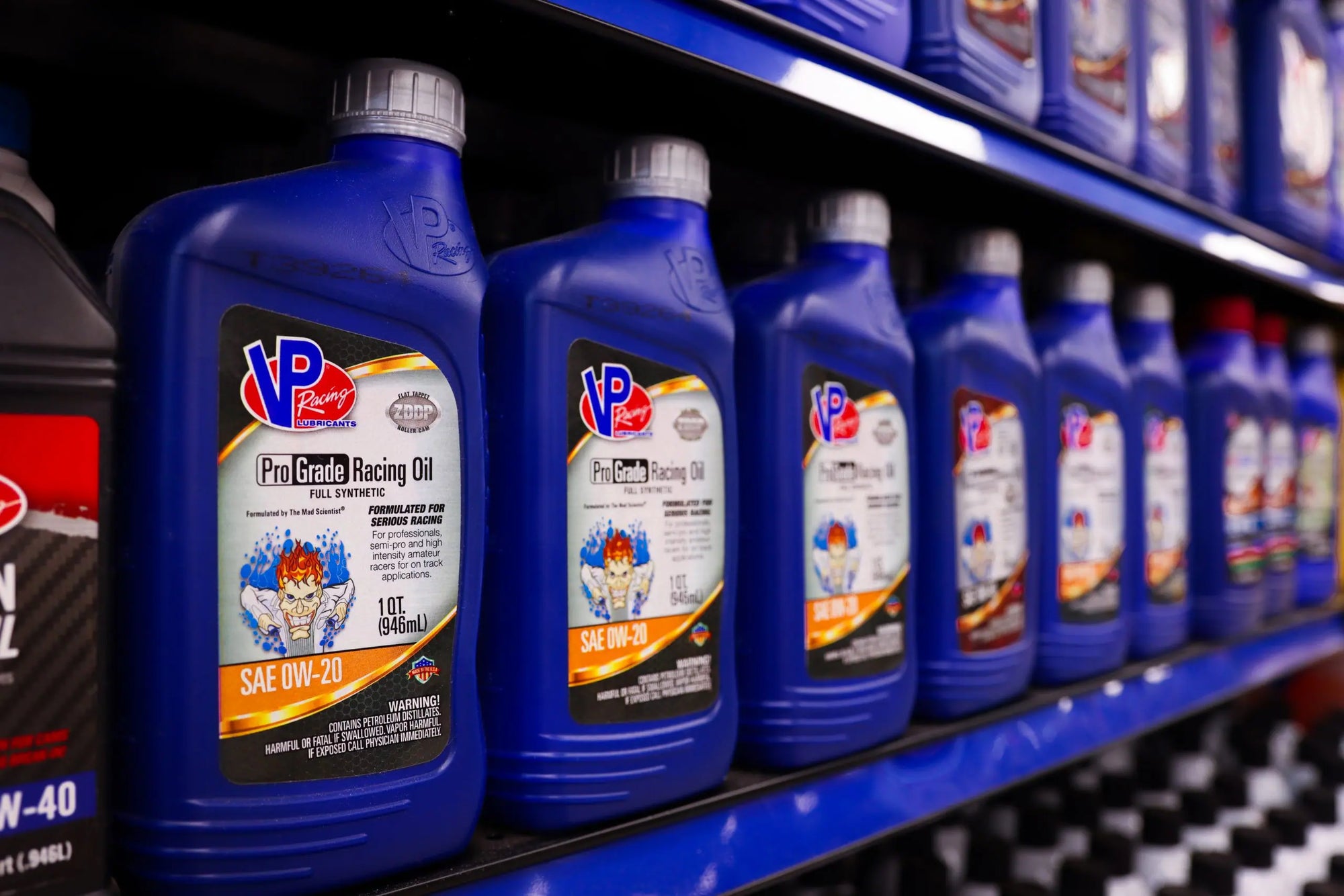
Credit: vpracingfuels.com
Differences Between Full Synthetic And Synthetic Blend
Understanding the differences between full synthetic and synthetic blend oils helps you make smart choices. Both types of oil protect your engine but vary in makeup and cost. Knowing these differences lets you decide which oil suits your car best.
Below, we explore key aspects like composition, performance, cost, and common uses.
Composition And Performance
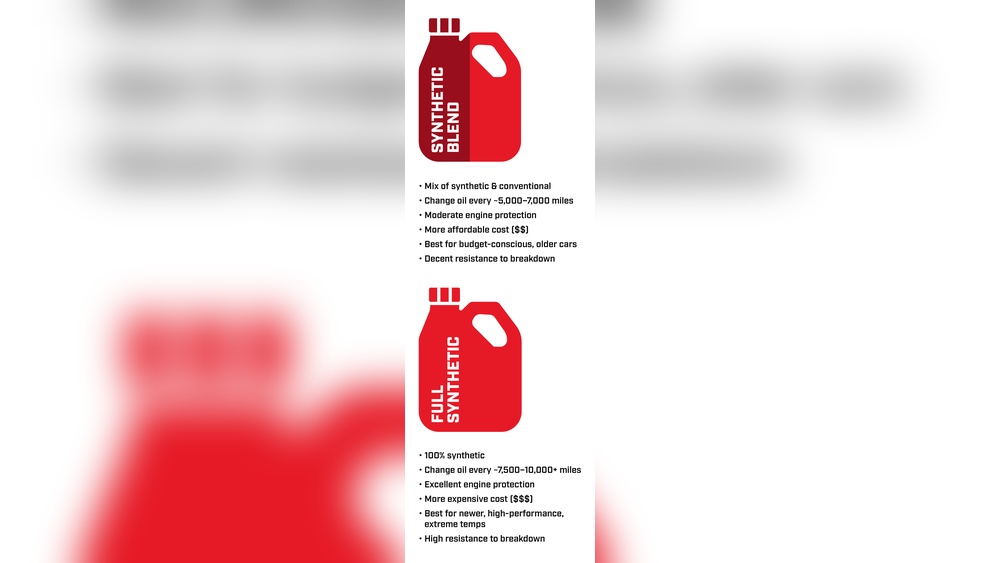
Full synthetic oil is made from pure chemical compounds. It offers high purity and fewer impurities than other oils. This oil performs well in extreme temperatures and reduces engine wear. Synthetic blend oil combines synthetic oil with conventional oil. It has better performance than regular oil but less than full synthetic. Synthetic blends protect engines but may not last as long under tough conditions.
Cost Comparison
Full synthetic oil costs more because of advanced refining. It lasts longer and protects your engine better. Synthetic blend oil is cheaper, making it easier on your budget. It offers a middle ground between cost and performance. Choosing depends on how much you want to spend and how you drive.
Common Uses
Full synthetic oil suits high-performance and luxury cars. It works well for vehicles in hot or cold climates. Drivers who want the best engine protection choose full synthetic. Synthetic blend oil fits everyday cars and light trucks. It is good for drivers who want better protection than regular oil but don’t need full synthetic. Many people use synthetic blend for older engines or shorter trips.

Credit: www.greasepro.com
Benefits And Drawbacks Of Switching
Switching from full synthetic oil to synthetic blend oil affects your vehicle in several ways. It is important to understand both benefits and drawbacks before making the change. This helps you decide what works best for your car and driving style.
Advantages Of Synthetic Blend
Synthetic blend oil costs less than full synthetic. It still offers better protection than conventional oil. This blend helps reduce engine wear and keeps parts cleaner. It works well in everyday driving conditions. Synthetic blends also improve fuel efficiency compared to regular oil.
Limitations Of Downgrading
Synthetic blend oil does not perform as well as full synthetic. It may break down faster under extreme heat or heavy loads. This can reduce engine protection in tough conditions. The oil change interval is usually shorter. It may not protect high-performance engines as effectively.
Impact On Engine Health
Using synthetic blend oil can still maintain good engine health. It provides decent lubrication and reduces friction. Engines will run smoothly during normal driving. However, full synthetic oil offers superior protection for long-term engine health. Switching down may increase engine wear over time, especially in harsh environments.
When Switching Is Safe
Switching from full synthetic to synthetic blend oil is possible in many cases. The key is knowing when it is safe for your vehicle. This decision depends on several factors including your car’s needs and how you drive.
Manufacturer Recommendations
Always check your vehicle’s owner manual first. Manufacturers provide clear guidelines on oil types. Following these helps keep your engine healthy. Some cars require full synthetic only. Others allow synthetic blend without problems.
Vehicle Age And Condition
Older cars with high mileage may handle synthetic blends well. Synthetic blends can protect worn engine parts better than conventional oil. Newer cars designed for full synthetic might need that specific oil. Using the wrong type can cause engine issues over time.
Driving Habits Considerations
Driving style affects oil choice. Frequent short trips and stop-and-go traffic create more engine stress. Synthetic blend oil can be enough for these conditions. For long highway drives or heavy towing, full synthetic offers better protection. Match oil type to how you use your vehicle.
Tips For A Smooth Transition
Switching from full synthetic oil to a synthetic blend requires care. This change can affect your engine’s health if not done right. Follow these tips to help your engine adjust smoothly. Simple steps can keep your vehicle running well and avoid problems.
Proper Oil Change Procedures
Start with a complete oil change. Drain all the old oil before adding the synthetic blend. Use a new oil filter to keep dirt out. Clean oil helps the engine parts work well together. Check your car’s manual for the right oil type and amount. Proper oil change keeps your engine safe during the switch.
Monitoring Engine Performance
After changing the oil, watch how your engine runs. Listen for strange noises or rough idling. Check for any leaks around the oil filter or drain plug. Feel if the engine runs hotter than usual. Early observation helps catch issues before they get worse. Keep an eye on your dashboard warning lights too.
Signs To Watch For
Look for smoke from the exhaust or unusual smells. Notice if your fuel efficiency drops suddenly. Watch out for engine knocking or hesitation during acceleration. Any unusual vibration can be a warning sign. If you see these signs, get your vehicle checked quickly. These clues show how well your engine accepts the new oil.
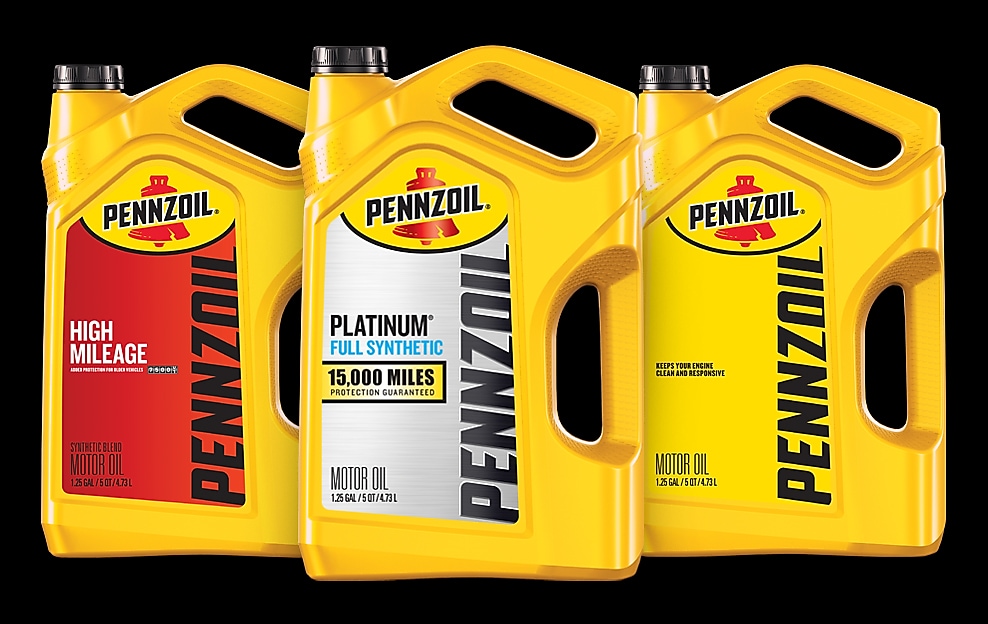
Credit: www.pennzoil.com
Frequently Asked Questions
Can I Switch From Full Synthetic To Synthetic Blend Oil Safely?
Yes, switching from full synthetic to synthetic blend oil is generally safe. Synthetic blends offer good protection but may not last as long as full synthetic oils.
Will Switching Oils Affect My Car’s Engine Performance?
Switching to synthetic blend oil may slightly reduce engine protection. Still, it works well for most daily driving conditions and keeps the engine clean.
How Often Should I Change Synthetic Blend Oil Compared To Full Synthetic?
Synthetic blend oil usually requires more frequent changes, about every 3,000 to 5,000 miles. Full synthetic oils often last longer, up to 7,500 or more miles.
Can Using Synthetic Blend Oil Void My Vehicle Warranty?
Most vehicle warranties do not require only full synthetic oil. Using synthetic blend oil typically does not void the warranty if you follow recommended service intervals.
Conclusion
Switching from full synthetic to synthetic blend is usually safe for most cars. Synthetic blends still offer good engine protection and can save money. Just check your car’s manual for oil recommendations. Watch for any changes in performance or engine noise after the switch.
If the car runs smoothly, the blend is working fine. Always keep track of oil changes to maintain engine health. This choice balances quality and cost without major risks. Simple steps help you protect your engine while managing expenses.