

How Long Does It Take to Change Differential Fluid: Quick Guide
If you want to keep your vehicle running smoothly, changing your differential fluid is a key step. But how long does it take to change differential fluid?
You might be worried about spending hours in the garage or facing a complicated process. The good news is, it’s often quicker and easier than you think. You’ll discover exactly how much time you need to set aside and what to expect during the process.
By the end, you’ll feel confident about taking care of your differential fluid without any guesswork or stress. Keep reading to find out the simple truth about changing your differential fluid.
Signs You Need To Change Differential Fluid
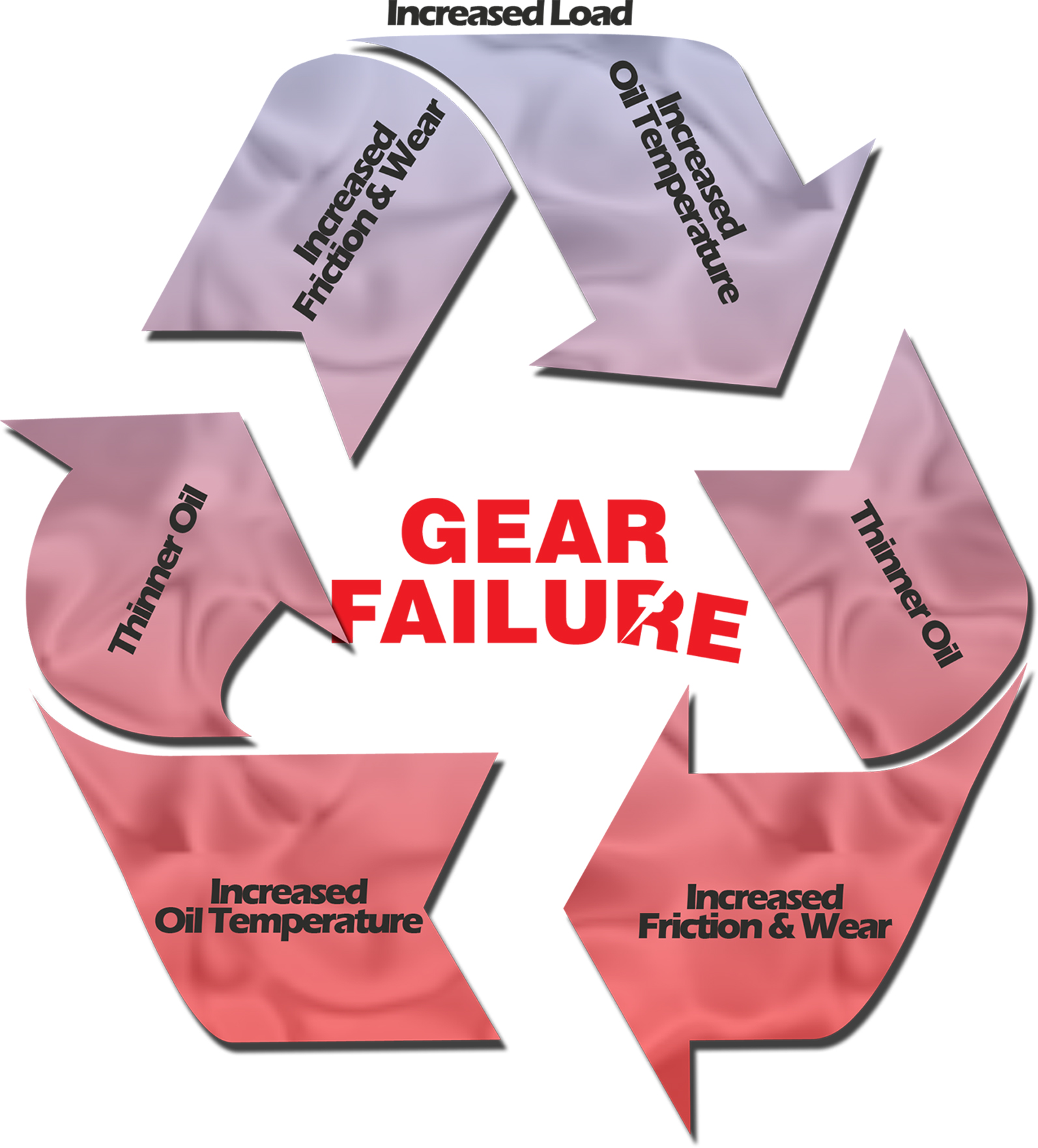
Knowing the signs that indicate a need to change differential fluid helps protect your vehicle. The differential fluid keeps the gears running smoothly. Over time, it breaks down and becomes less effective. This can cause damage to your differential and affect your car’s performance.
Pay attention to these warning signals. Early detection can save you costly repairs and keep your ride safe.
Unusual Noises From The Differential
Listen for whining, clunking, or grinding sounds. These noises often mean the fluid is dirty or low. Worn fluid fails to lubricate the gears properly.
Vibrations While Driving
Feel for shaking or vibrations from the rear or front axle. Bad differential fluid can cause uneven gear movement. This leads to noticeable vibrations inside the vehicle.
Leaking Fluid Under The Vehicle
Check for puddles or wet spots beneath your car. Differential fluid leaks may appear as thick, oily drops. Leaks reduce fluid levels and harm differential parts.
Difficulty Turning Or Handling
Notice if your car struggles to turn smoothly. Stiff or jerky turns suggest poor lubrication. Fresh differential fluid ensures smooth and easy handling.
Burning Smell Near The Rear Of The Car
Smell a burning odor near the differential area. Overheated or old fluid produces a strong, unpleasant scent. This signals the fluid needs replacement immediately.
Credit: blog.amsoil.com
Tools And Materials Required
Changing differential fluid requires specific tools and materials. Having the right items ready makes the job easier and faster. It also helps avoid mistakes that could damage the vehicle.
Gather all tools before starting. This preparation saves time and reduces frustration.
Basic Tools Needed
A wrench set is essential for loosening bolts on the differential cover. A socket wrench with the correct size socket works best. A drain pan is necessary to catch old fluid as it drains out.
Materials Required
Use the correct type and amount of differential fluid for your vehicle. Check the owner’s manual to find the right fluid. New washers or gaskets may be needed to seal the differential cover properly.
Additional Equipment
A fluid pump or squeeze bottle helps refill the differential without spills. Clean rags or shop towels are useful for wiping off dirt and spills. Gloves protect your hands from dirty or hot fluid.
Step-by-step Fluid Change Process
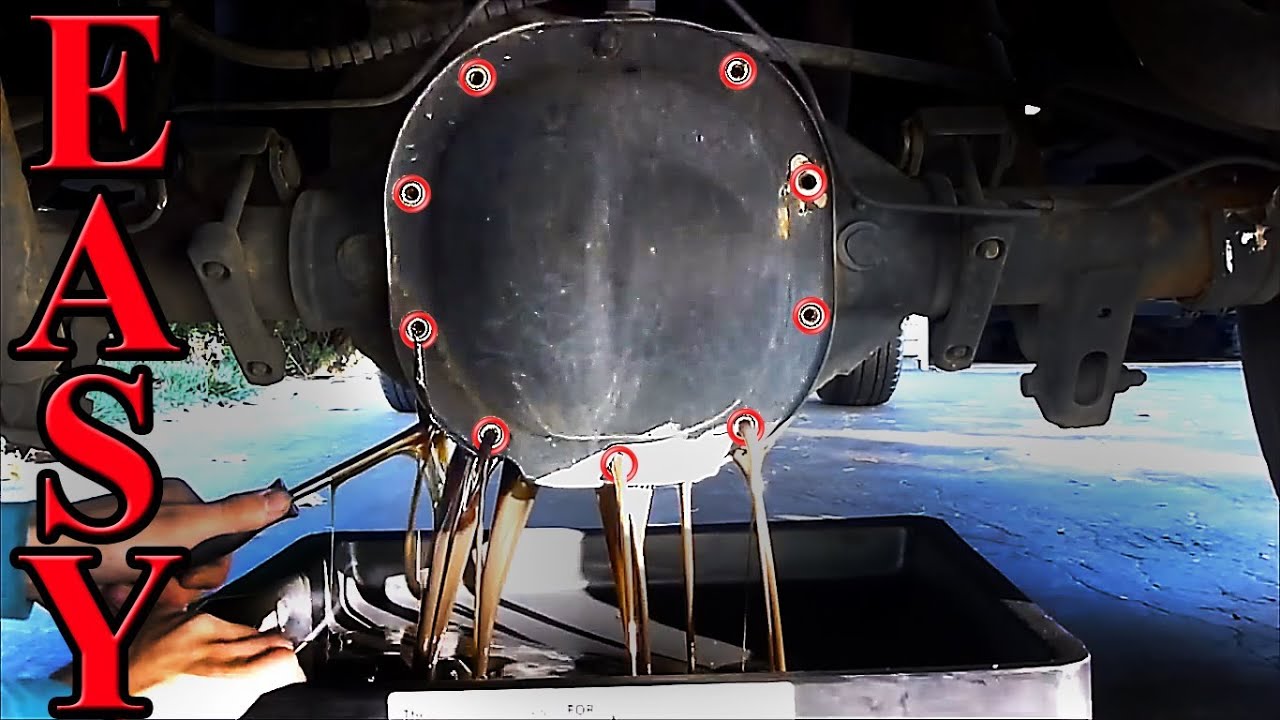
Changing differential fluid usually takes about 30 to 60 minutes. The process includes draining old fluid, cleaning the area, and refilling with fresh fluid. Proper steps help keep your vehicle running smoothly.
Prepare Your Vehicle
Start by parking your vehicle on a flat surface. Use wheel chocks to keep it steady. Let the differential cool down if it was running. Gather all tools and new differential fluid. Wear gloves to protect your hands.
Drain The Old Fluid
Locate the differential drain plug underneath the vehicle. Place a drain pan below the plug. Unscrew the drain plug carefully. Let the old fluid fully drain out. Check for metal shavings in the fluid.
Clean The Drain Plug And Housing
Wipe the drain plug clean with a rag. Inspect the plug for damage or worn washers. Clean the drain plug threads and housing. Replace the washer if needed to avoid leaks.
Refill With New Differential Fluid
Find the fill plug on the differential case. Remove the fill plug to allow fluid in. Use a fluid pump or squeeze bottle. Slowly add new differential fluid until it reaches the fill hole.
Secure The Plugs And Check For Leaks
Reinstall the fill plug and tighten it securely. Screw back the drain plug and tighten. Wipe any spilled fluid off the differential. Start the vehicle and check for leaks.
Credit: www.youtube.com
Time Estimates And Tips For Efficiency
Changing differential fluid usually takes about 30 to 60 minutes. Gather tools and drain old fluid first. Working efficiently saves time and helps avoid mistakes.
Typical Time Estimates For Changing Differential Fluid
Changing differential fluid usually takes about 30 to 60 minutes. This depends on your vehicle type and your experience level. Simple models can be quicker, while complex systems may take longer. Preparing all tools and materials before starting saves time. Having the right fluid and replacement parts ready helps speed up the process.
Tips To Make The Process More Efficient
Gather all necessary tools before you begin. Use a fluid pump to remove and add fluid faster. Work in a clean, well-lit area to avoid mistakes. Loosen the fill and drain plugs early to reduce waiting time. Keep rags or towels handy to clean spills quickly. Follow your vehicle’s manual for exact fluid type and amount.
Signs You Might Need Extra Time
Rusty or stuck drain plugs can slow you down. Leaking seals or damaged parts may require repairs. Cold weather thickens fluid and makes draining slower. If you notice any issues, take extra time to handle them. Rushing can cause damage or incomplete fluid replacement.

Credit: www.blingstrom.com
Frequently Asked Questions
How Long Does Changing Differential Fluid Usually Take?
Changing differential fluid typically takes 30 to 60 minutes. This depends on your vehicle type and your experience level.
How Often Should Differential Fluid Be Changed?
Most manufacturers recommend changing differential fluid every 30,000 to 60,000 miles. Check your owner’s manual for exact intervals.
Can I Change Differential Fluid Myself At Home?
Yes, you can change it yourself with basic tools. Just follow proper steps and safety precautions carefully.
What Tools Are Needed To Change Differential Fluid?
You need a wrench, drain pan, fluid pump, and new differential fluid. Some vehicles may require special tools.
Conclusion
Changing differential fluid usually takes about 30 to 60 minutes. The exact time depends on your vehicle and experience level. Regular fluid changes help keep your differential working well. Clean fluid prevents damage and extends parts’ life. Don’t wait too long to change it.
A quick service saves you money and stress later. Keep your car running smoothly by staying on schedule. Simple steps make a big difference. Now you know how long it takes and why it matters.
One Comment