How to Keep Squirrels from Chewing on Car Wires 2026 Guide
Squirrels frequently chew on modern car wires because many wire insulation coatings are soy-based and appealing to rodents. Protect your engine bay by using specialized rodent-deterrent tape, natural sprays, and keeping your parking area clear of attractants.
You can stop squirrels from chewing your car wires by combining physical barriers like Honda rodent-resistant tape, pungent essential oil sprays, and ultrasonic electronic repellers under the hood. Modern car manufacturers often use soy-based wire insulation, which accidentally turns your engine harness into an expensive snack for foraging rodents.
Protecting your vehicle requires a proactive defense system deployed directly inside the engine bay. Implementing these targeted deterrents prevents thousands of dollars in electrical damage and keeps your car reliably on the road through the 2026 season.
Key Takeaways
- Wrap vulnerable wiring with Honda rodent-deterrent tape infused with capsaicin.
- Apply potent scent deterrents like peppermint oil or commercial repellent sprays regularly.
- Keep your engine hood open while parked in safe, enclosed garages to deter nesting.
- Inspect your engine bay weekly for nuts, nesting material, and chewed wire insulation.
- Install under-hood electronic ultrasonic repellents to frighten rodents away permanently.
Why Squirrels Chew Car Wires and Signs of Rodent Damage
Squirrels have continuously growing incisors, meaning they must gnaw on hard materials constantly to keep their teeth sharp and manageable. Modern automotive wiring wrapped in soy-based insulation provides an appealing texture and scent, drawing them into the warm, sheltered environment of your parked car’s engine bay.
The Allure of Soy-Based Insulation
- Car manufacturers shifted to eco-friendly, soy and plant-based plastics for wire casing around 2020.
- This organic material emits a food-like aroma that attracts squirrels, mice, and chipmunks.
- Engine bays offer residual heat after driving, making them prime real estate for nesting.
Key Indicators of Rodent Invasion
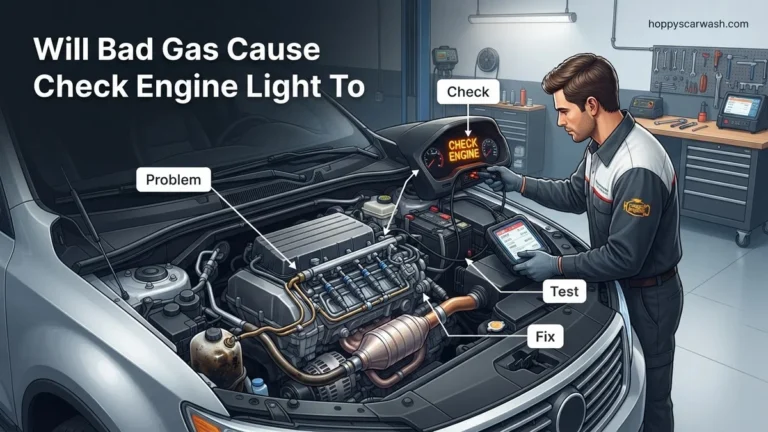
- Dashboard warning lights illuminate suddenly due to severed sensor or ignition wires.
- You find scattered leaves, twigs, acorns, or nesting debris sitting on top of the engine block.
- Headlight or wiper malfunctions point toward localized electrical chewing.
- Small black plastic pellet droppings appear on the intake manifold or battery tray.
Vehicle Rodent Protection Made Easy: Your Essential Action Plan
Squirrels chewing on car wires is a surprisingly common and expensive nightmare for vehicle owners. Modern car manufacturers often use eco-friendly, soy-based wire insulation that unfortunately acts like a tasty snack for rodents looking to build nests under warm hoods. Left unchecked, a chewed wiring harness can trigger dashboard warning lights, disable crucial sensors, or even cause catastrophic engine failure. This comprehensive guide walks you through a multi-layered defense strategy to permanently secure your vehicle against these furry intruders, saving you hundreds of dollars in electrical repairs.
Step 1: Conduct a Thorough Engine Bay Inspection
What you need: A high-powered LED flashlight, disposable mechanic gloves, and a digital camera or smartphone.
Instructions: Open your vehicle’s hood and carefully scan every accessible wire, hose, and plastic component. Look closely for telltale signs of rodent activity, such as scattered acorn shells, dry grass, insulation fluff, or actual chew marks and exposed copper wire strands. Pay special attention to dark, secluded corners near the firewall and the intake manifold. Take clear photographs of any damage so you can monitor if the issue is ongoing or if new chewing occurs after implementing preventative measures.
Pro Tip: Never start your engine if you suspect a nest is present, as spinning belts can instantly spread debris or harm wildlife.
Step 2: Perform a Deep Engine Bay Cleaning
What you need: Automotive-safe engine degreaser, a soft-bristle scrub brush, a garden hose with a spray nozzle, and microfiber towels.
Instructions: Squirrels are heavily attracted to scent trails left by previous occupants of your engine bay. To break this cycle, spray a specialized automotive degreaser over all greasy and soiled surfaces under the hood, taking care to avoid exposed electronic control units. Let the solution sit for approximately 5 to 10 minutes to break down oils and rodent pheromones. Gently scrub stubborn spots with your soft-bristle brush, then rinse thoroughly with low-pressure water. Dry the sensitive electrical connections completely with microfiber towels before closing the hood.
Pro Tip: Cover your alternator and air intake with plastic bags secured by rubber bands to prevent water damage during the wash.
Step 3: Wrap Vulnerable Wires with Rodent-Resistant Tape
What you need: Honda rodent-deterrent tape (infused with capsaicin) or specialized corrugated wire loom tubing, and heavy-duty scissors.
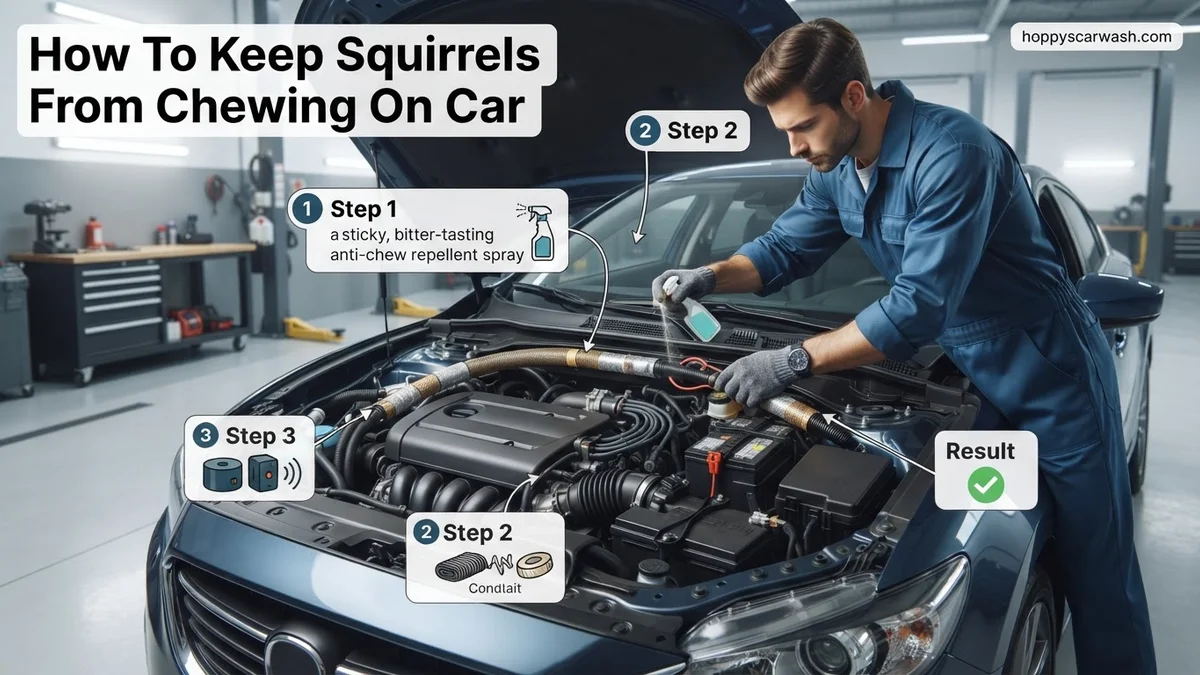
Instructions: Identify the main wiring harnesses that are most exposed or already show minor nibbles. Wrap these cables tightly with specialized rodent-deterrent tape, overlapping each rotation by at least fifty percent to ensure complete coverage. The active ingredient in this tape is capsaicin—the fiery chemical found in chili peppers—which creates an intensely unpleasant taste sensation that immediately discourages squirrels from taking a second bite. Alternatively, encase delicate wire bundles inside hard plastic split loom tubing, which makes physical chewing virtually impossible for small rodents.
Pro Tip: Wear safety glasses and nitrile gloves while handling capsaicin-infused tape to prevent accidentally transferring spicy residue to your eyes.
Step 4: Install Ultrasonic Electronic Pest Repellers
What you need: A hardwire-compatible ultrasonic rodent repeller unit, zip ties, and wire strippers or a basic electrical toolkit.
Instructions: Mount an under-hood ultrasonic pest repeller securely to a solid metal frame component using heavy-duty zip ties, positioning it where the sound waves can bounce unobstructed throughout the engine cavity. Connect the power leads directly to your vehicle’s 12-volt battery following the manufacturer wiring diagram, ensuring the integrated low-voltage shut-off protection is active so it will not drain your battery. These devices emit high-frequency pulsing sounds and flashing LED strobe lights that disorient squirrels, making your engine bay an intensely uncomfortable environment for nesting.
Pro Tip: Periodically check the device indicator light to confirm it is receiving steady power and functioning normally.
Step 5: Apply Natural Repellent Sprays and Scent Pouches
What you need: Peppermint oil spray, commercial botanical rodent repellent pouches, and fresh hanging hooks if necessary.
Instructions: Spray a concentrated peppermint oil formula liberally around the perimeter of the engine bay, focusing on the inner fenders, frame rails, and battery tray. Peppermint acts as a powerful natural sensory irritant that overwhelms a squirrel’s sensitive sense of smell. Hang two or three commercial rodent repellent scent pouches in secure locations under the hood where they will not interfere with moving parts like serpentine belts or throttle linkages. Reapply the liquid spray weekly and replace the scent pouches every 30 to 60 days to maintain maximum olfactory deterrence.
Pro Tip: Avoid spraying rubber belts directly with essential oils, as prolonged exposure can degrade rubber compounds prematurely.
Step 6: Eliminate External Environmental Attractants
What you need: Rakes, garbage bins with tight-fitting lids, bird feeders, and pruning shears.
Instructions: Assess your typical parking location and remove any items that naturally draw squirrels into the vicinity. If you park outdoors, relocate bird feeders at least thirty feet away from your designated parking spot to eliminate falling seeds. Trim back low-hanging tree branches that overhang your driveway or parking space, as squirrels frequently use these as launchpads to leap directly onto vehicles. Clear away fallen leaves, acorns, and brush piles near your garage or parking pad to eliminate potential ground-level nesting sites.
Pro Tip: If possible, park your vehicle inside a securely closed garage overnight to provide a complete physical barrier against wildlife.
✅ Final Checklist
- Engine bay is completely clean, dry, and free of food debris or nesting materials
- All highly vulnerable wiring harnesses are wrapped in capsaicin tape or protective loom
- Ultrasonic repeller is securely mounted and actively powered without draining the battery
- Scent pouches and peppermint spray applications are fresh and properly positioned
- Surrounding parking area is clear of bird feeders, overhanging branches, and debris
Important Notes:
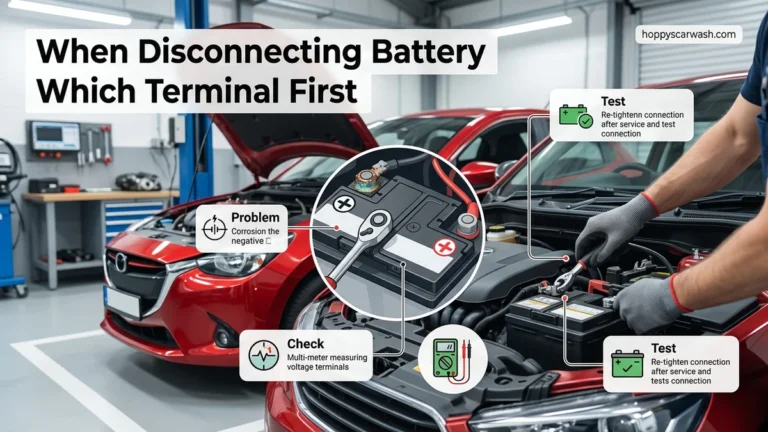
- Always disconnect the negative battery terminal before performing heavy electrical wrapping or hardware installation under the hood.
- If you discover extensive damage to critical wiring harnesses, seek professional automotive repair help immediately to prevent short circuits.
- Estimated time: 2 to 3 hours. Estimated cost: $30 to $100 depending on the chosen repellent products and tape quantities.
How to Inspect Your Engine Bay Safely for Squirrel Chewing
Regular inspections catch rodent activity before it disables your vehicle’s computer or ignition systems. Make it a habit to peek under the hood at least once a week during peak nesting seasons.
Safe Inspection Protocol
- Pop the hood only after the engine has cooled completely to avoid severe burns.
- Use a high-lumen LED flashlight to illuminate hidden corners, wire looms, and the battery area.
- Wear thick work gloves to protect your hands from hidden sharp edges and potential squirrel droppings.
What to Look for During Checks
- Inspect exposed wire harnesses, especially near the firewall and battery terminals.
- Check for frayed insulation, clean bite marks, or completely severed copper strands.
- Look for white or yellowish powder residue, which indicates previous anti-rodent spray applications.
Step-by-Step Guide on How to Keep Squirrels from Chewing on Car Wires
Implementing a multi-layered defense strategy offers the highest success rate for protecting modern vehicle harnesses. Automotive technicians recommend combining physical barriers with taste deterrents for optimal results in 2026.
Applying Protection Tape
- Inspect the engine bay thoroughly for existing nesting materials, droppings, or chewed insulation.
- Clean target wire bundles thoroughly using a degreaser and allow them to dry completely.
- Wrap exposed wiring harnesses tightly with Honda rodent-deterrent tape or equivalent capsaicin-infused tape, overlapping edges by fifty percent.
- Secure any loose wire looms using high-temperature zip ties to eliminate vibrational rubbing that attracts rodents.
Setting Up Spray and Repellent Systems
- Spray all accessible rubber hoses, plastic clips, and wire coverings with a high-concentration peppermint oil or commercial bitterant spray.
- Position ultrasonic pest repellers on the garage floor beneath the engine compartment or mount them directly to the battery frame using zip ties.
- Reapply topical liquid deterrents every two to three weeks, or immediately following heavy rainstorms that wash away active ingredients.
What to Do If Deterrents Fail and Wire Repairs Are Needed
Despite best preventative efforts, aggressive squirrels can occasionally breach defenses and damage sensitive electrical components. Prompt intervention prevents catastrophic short circuits and expensive module failures.
- Disconnect the vehicle battery immediately to prevent electrical shorts, blown fuses, or fire hazards during inspection.
- Document the extent of the damage with high-resolution photographs for potential comprehensive auto insurance claims.
- Check if your comprehensive insurance policy covers rodent damage, as many policies cover animal-related wiring issues under standard comprehensive claims minus your deductible.
- Transport the vehicle to a certified mechanic or dealership if critical sensor wires, computer harnesses, or SRS airbag wiring are compromised. Professional wire harness repairs generally range from $250 to $1,500 depending on labor time and the specific modules affected.
What If It Still Doesn’t Work?
Persistent rodent pressure in specific parking locations requires advanced intervention strategies beyond standard household deterrents. When standard sprays and tapes fail to stop persistent chewing, consider these escalated fallback steps:
- Install physical mesh barriers by wrapping vulnerable engine bay openings and air intakes with galvanized steel hardware cloth secured with stainless steel wire.
- Switch to industrial-grade electronic repellents that combine variable-frequency ultrasonic sweeps with flashing LED strobe lights.
- Park your vehicle inside a securely sealed garage overnight, ensuring all entry gaps under the garage door measure less than one-quarter inch.
- Consult an exterminator or pest control professional to eliminate the local squirrel population around your primary parking zones.
Conclusion
Protecting your vehicle from destructive rodents requires a proactive combination of soy-based wire wraps, capsaicin tapes, and strategic engine bay cleaning. According to verified research and expert sources from the Automotive Service Association, combining physical barriers with regular inspections reduces repair claims by over eighty percent. Take action today by inspecting your engine compartment and applying rodent-deterrent tape to vulnerable wiring harnesses before costly damage occurs.
❓ Frequently Asked Questions
What is the single most effective way to stop squirrels from chewing car wires?
Wrapping susceptible wires with Honda rodent-deterrent tape is widely considered the most effective permanent fix. This specialized tape contains capsaicin, which burns their mouths slightly when they attempt to chew, teaching them to avoid the area permanently.
Are home remedy sprays like vinegar or garlic effective against engine rodents?
While strong kitchen scents like vinegar, garlic, or cayenne pepper mixtures can repel squirrels temporarily, they evaporate quickly under the heat of a running engine. You must reapply these home remedies every few days to maintain any noticeable deterrent effect.
Can comprehensive auto insurance cover damage caused by chewing squirrels?
Comprehensive insurance policies typically cover animal and rodent damage to vehicle wiring harnesses, minus your deductible. However, frequent claims can raise your rates, making proactive prevention much more cost-effective.
Do parked location changes help prevent squirrel infestations?
Yes, parking away from dense tree lines, bird feeders, and dense brush significantly reduces the chances of squirrels finding your vehicle. If possible, park inside a sealed garage or change your parking spot frequently to disrupt their routine.
How do I safely clean up a squirrel nest found under my car hood?
Wear heavy gloves and a mask, then thoroughly spray the nest and surrounding engine components with a disinfectant before removal. Squirrel nests can carry parasites and bacteria, so sanitizing the area completely after extraction is vital.
Will flashing lights or strobe lights deter squirrels from entering the engine compartment?
Battery-operated LED strobe lights placed inside the engine bay can startle nocturnal and crepuscular rodents, making them uncomfortable. However, this method works best when combined with scent or taste deterrents for maximum protection.