What Happens If You Drive With a Bad Wheel Bearing: Risks Revealed
Have you ever wondered what could happen if you keep driving with a bad wheel bearing? It might seem like a small issue at first, but ignoring it can lead to serious problems for you and your car.
Your safety, your wallet, and your peace of mind are all at risk. You’ll discover exactly what happens when a wheel bearing goes bad, how to spot the warning signs, and why fixing it sooner rather than later is crucial.
Keep reading—you don’t want to miss this important information that could save you from costly repairs and dangerous situations on the road.
Signs Of A Failing Wheel Bearing
Wheel bearings help your wheels spin smoothly. When they start to fail, your car shows clear signs. Recognizing these signs early can save you from costly repairs and dangerous driving conditions.
Noise And Vibration
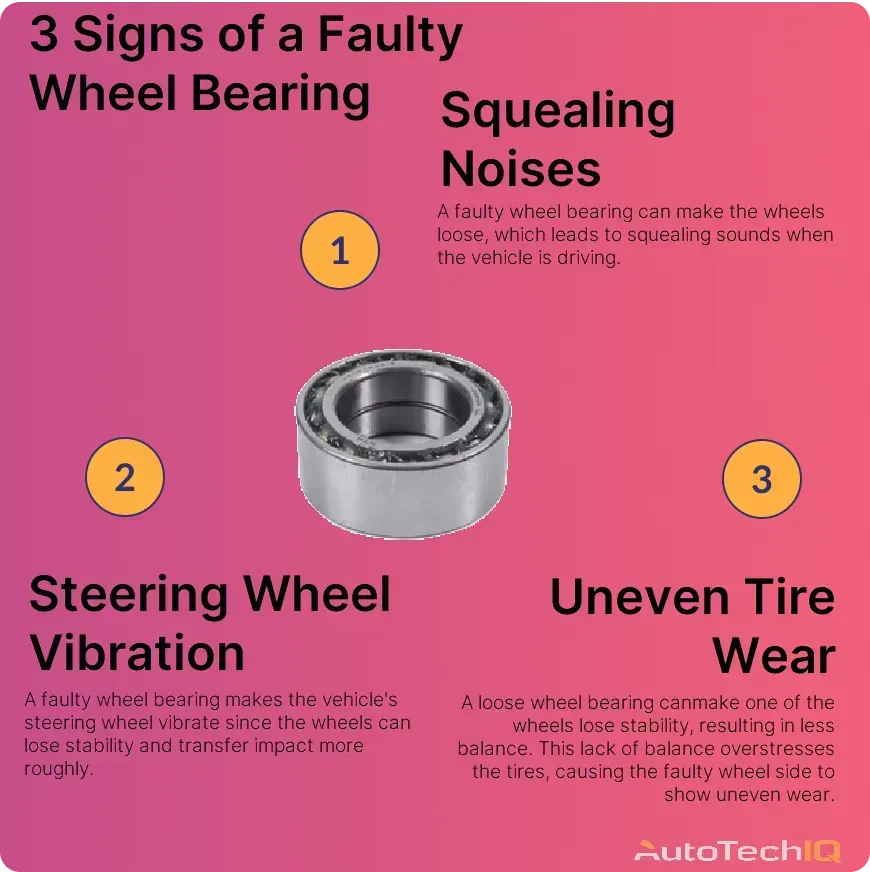
A bad wheel bearing often causes unusual noises. You may hear grinding, humming, or growling sounds near the wheel. These sounds get louder as you speed up. Vibrations through the steering wheel or car body also happen. They can make driving uncomfortable and unsafe.
Uneven Tire Wear
Failing wheel bearings affect tire contact with the road. This causes uneven tire wear patterns. You might notice bald spots or faster wear on one side. Uneven tires reduce traction and increase the risk of a blowout. Check your tires regularly for unusual wear.
Wheel Play And Looseness
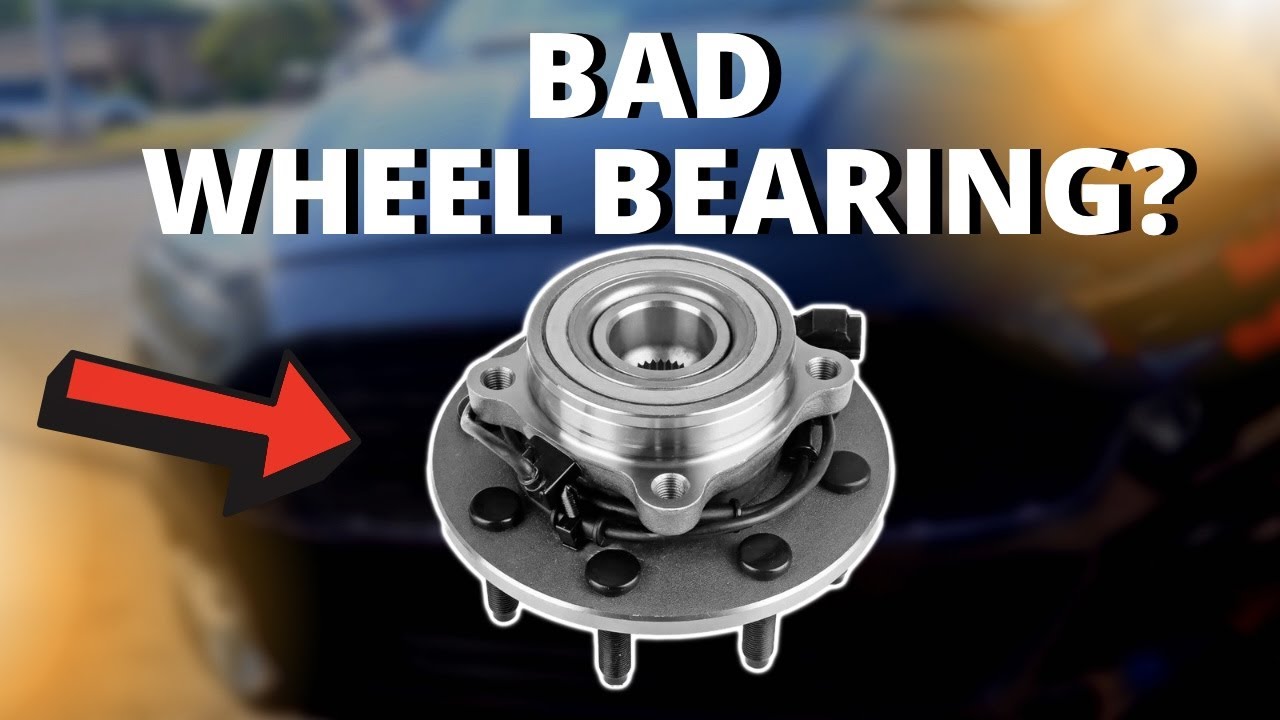
Loose or wobbly wheels suggest wheel bearing trouble. You can test this by shaking the wheel while the car is lifted. Excessive play means the bearing may be damaged or worn out. Driving with loose wheels can lead to wheel detachment. It is a serious safety hazard.
Credit: www.youtube.com
Immediate Risks On The Road
Driving with a bad wheel bearing creates serious dangers on the road. This part helps your wheels turn smoothly. If it fails, your car becomes harder to control. The risks start immediately and can lead to accidents. Understanding these risks helps you stay safe.
Loss Of Steering Control
A bad wheel bearing makes steering unstable. The wheel may wobble or feel loose. This causes the car to pull to one side. You may struggle to keep the car straight. Sudden loss of steering control can cause crashes.
Increased Stopping Distance
A damaged wheel bearing affects your brakes. It reduces the pressure your tires have on the road. Your car takes longer to stop. This delay increases the chance of hitting obstacles. Stopping safely becomes much harder with a bad bearing.
Long-term Damage To Vehicle Components
Driving with a bad wheel bearing causes more than noise and rough rides. Over time, it harms other parts of your vehicle. These damages raise repair costs and affect safety. Understanding the long-term damage helps you act quickly and avoid big problems.
Damage To Hub Assembly
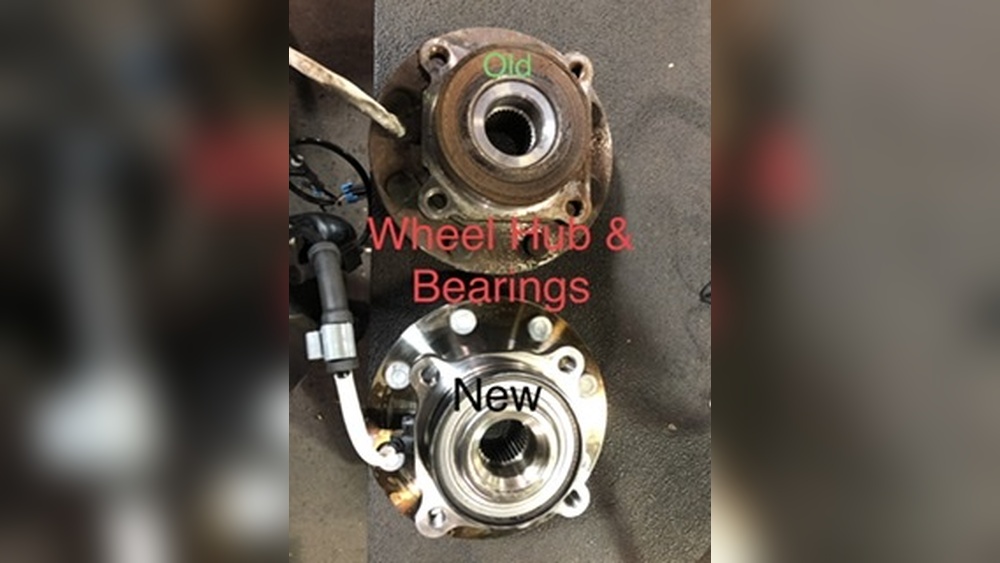
The wheel bearing supports the hub assembly. A failing bearing makes the hub wobble. This wobble causes uneven pressure on the hub. Over time, the hub assembly wears out fast. It may crack or break under stress. Replacing the hub assembly is costly and time-consuming.
Impact On Suspension System
The suspension system absorbs shocks for a smooth ride. A bad wheel bearing creates extra vibration. This vibration strains suspension parts like shocks and struts. These parts wear out faster and lose effectiveness. Driving with a bad bearing can lead to suspension failure. Repairs can become expensive and affect vehicle control.

Credit: wrench.com
Safety Hazards For Drivers And Passengers
Driving with a bad wheel bearing creates serious safety risks for everyone inside the vehicle. The wheel bearing holds the wheel in place and helps it turn smoothly. When it wears out, the wheel can wobble or even come off. This puts drivers and passengers in danger.
Ignoring the problem raises the chance of accidents. Small issues can quickly become bigger, causing loss of control. Understanding these hazards helps drivers make safer choices and avoid injury.
Risk Of Wheel Detachment
A damaged wheel bearing can cause the wheel to loosen. The wheel may shake or wobble while driving. This movement weakens the connection between the wheel and the car. In severe cases, the wheel can detach completely.
Wheel detachment at high speeds can cause the vehicle to crash. It can also lead to other vehicles hitting the loose wheel. This risk is dangerous for everyone on the road.
Potential For Accidents
A bad wheel bearing affects steering and braking. The car may pull to one side or feel unstable. These problems make it harder to control the vehicle. Drivers might not react quickly to road hazards.
Sudden wheel failure can cause the car to skid or roll over. Passengers inside face serious injuries in such accidents. Staying alert to wheel bearing issues reduces these risks.
Preventive Measures And Maintenance Tips
Taking care of your wheel bearings helps keep your car safe and running smoothly. Small problems can turn into big issues if ignored. Regular checks and proper maintenance stop damage early. This saves money and prevents accidents.
Regular Inspection
Check your wheel bearings often. Listen for unusual noises like humming or grinding. Feel for vibrations while driving. Look for loose or worn parts around the wheels. Inspect your vehicle during routine service visits. Early signs of trouble can be spotted this way.
Timely Replacement
Replace wheel bearings as soon as damage appears. Worn bearings cause poor handling and uneven tire wear. Delaying replacement risks wheel failure and accidents. Use quality parts that match your car’s model. Follow your vehicle’s service schedule for best results.
Credit: www.autotechiq.com
Frequently Asked Questions
What Are The Signs Of A Bad Wheel Bearing?
You may hear a humming or grinding noise from the wheel area. The car can feel loose or shaky while driving. Uneven tire wear is also a common sign.
Can A Bad Wheel Bearing Cause A Car Accident?
Yes, a bad wheel bearing can make steering difficult. It may cause the wheel to lock or come off. This increases the risk of losing control and crashing.
How Long Can You Drive With A Bad Wheel Bearing?
Driving with a bad bearing is risky and not advised. It can fail suddenly, causing damage or accidents. Repair should be done as soon as possible.
What Damage Can A Bad Wheel Bearing Cause?
It can damage the wheel hub and suspension parts. The tire may wear unevenly or blow out. Ignoring it can lead to costly repairs.
How Much Does It Cost To Replace A Wheel Bearing?
The cost varies by car make and model. On average, it can range from $150 to $400. Labor fees and parts quality affect the total price.
Conclusion
Driving with a bad wheel bearing can cause serious problems. It makes your car noisy and hard to control. The wheel might even stop working, leading to dangerous accidents. Repair costs rise the longer you wait. Fixing the problem early saves money and keeps you safe.
Pay attention to strange sounds or vibrations. Take your car to a mechanic as soon as you notice issues. Staying safe on the road is always worth the effort. Don’t ignore wheel bearing problems—act quickly for peace of mind.