Why Is My AC Only Blowing Out the Defrost Vents Fix 2026
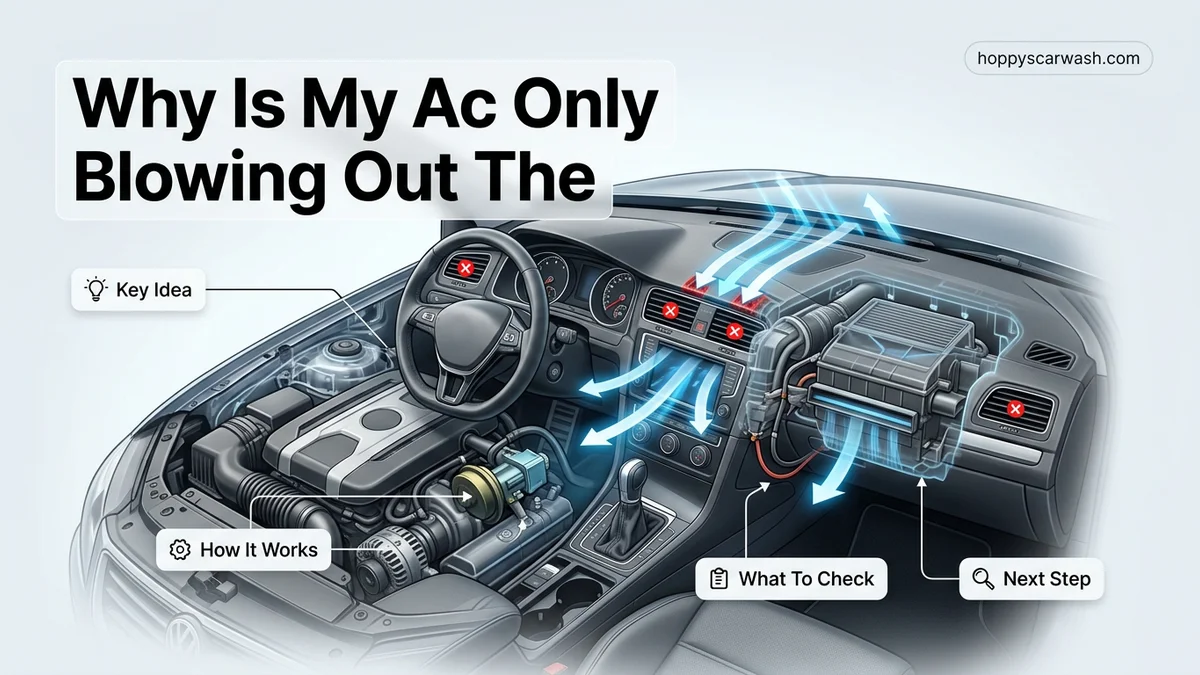
When your vehicle’s air conditioning defaults exclusively to the defrost vents, it usually means the HVAC system has lost its power source—either through a broken vacuum line or a failed mode door actuator. Manufacturers design climate controls to default to the windshield for safety reasons so drivers can maintain visibility during a malfunction. Diagnosing whether your car relies on vacuum lines or electronic actuators is the first step toward restoring normal airflow.
When your car air conditioning or heater only blows air out of the top windshield defrost vents, your vehicle has defaulted to its fail-safe HVAC mode. No matter how many times you press the dash or floor buttons on your climate control panel, the air refuses to redirect.
This frustrating issue happens because your vehicle’s ventilation system has lost the ability to physically move the internal doors that direct airflow. Whether you drive a classic commuter car or a modern 2026 model, understanding the root cause gets you closer to a practical fix without wasting money on unrelated AC repairs.
Key Takeaways
- Defrost is the default safety mode for most vehicle HVAC control systems.
- Older vehicles typically use engine vacuum lines to control vent direction.
- Modern vehicles rely on electronic mode door actuators to shift airflow.
- A hissing sound under the hood often points to a disconnected vacuum hose.
- Replacing a faulty electronic actuator is usually a straightforward DIY dashboard repair.
Why Is My AC Only Blowing Out the Defrost Vents
The defrost vents act as the default safety position for almost every vehicle climate control system. If your car loses the power needed to shift the internal directional doors, heavy springs or default gravity pull the system straight to the windshield so you can at least clear fog in an emergency.
The Mode Door Actuator Failure
In most modern vehicles on the road today, electric motors called mode door actuators control where your air flows. These small plastic gearboxes mount directly onto your heater box, usually tucked deep behind the center dashboard.
- Plastic internal gears strip or crack over time due to constant use.
- Electric motors inside the actuator burn out or lose electrical continuity.
- Calibration failure causes the computer to lose track of the door position.
The Vacuum Line Loss
If you drive an older truck, SUV, or legacy vehicle, your climate control likely relies on engine vacuum pressure instead of electric motors to move the vents.
- Under-hood rubber vacuum lines dry out, crack, or detach completely.
- The plastic vacuum storage reservoir develops a hairline crack.
- Intake manifold leaks starve the interior dashboard controls of necessary suction.
How to Diagnose Vacuum Leaks vs Actuator Failures
Pinpointing whether your car uses a vacuum system or an electronic actuator saves you hours of frustrating guesswork. A quick diagnostic test narrows down the culprit immediately.
The Acceleration Test for Vacuum Systems
If you suspect a vacuum issue, pay attention to what happens when you drive up a hill or accelerate hard on the highway. When engine load increases, vacuum pressure drops significantly.
- If your vents suddenly switch back to the dash while idling, but jump to defrost during heavy acceleration, you have a vacuum leak.
- Inspect the rubber elbows under your hood near the firewall and intake manifold first.
- Listen closely for a faint hissing sound from behind your dashboard while the engine runs.
Listening for Electronic Actuators
Electronic actuators make distinct noises when they attempt to move your HVAC doors. Turn your car key to the on position without starting the engine so you can listen clearly.
- Cycle the mode buttons between floor, face, and defrost while listening near the glove box or center console.
- A rapid clicking, snapping, or grinding sound indicates stripped plastic gears inside the actuator.
- Complete silence when pressing the buttons usually points to a dead actuator motor or a blown fuse.
Step-by-Step Guide to Fixing Your Car Vents
Repairing a stuck climate control system requires patience and methodical testing. Before purchasing any parts in 2026, consult your vehicle service manual to locate the specific blend door actuator. Most modern actuators hide directly behind the glove box or beneath the center console.
Preparation and Disassembly
- Disconnect the negative battery terminal to protect sensitive electronic control modules and prevent accidental short circuits during wiring harness manipulation.
- Remove the glove compartment dampener arm and push the side tabs inward to drop the glove box completely out of your workspace.
- Inspect the exposed dashboard cavity using a high-lumen work light to locate the vacuum lines or electrical connectors attached to the faulty actuator.
Testing and Component Replacement
- Unplug the electrical wiring harness from the malfunctioning actuator housing and check the metal pins for signs of corrosion or moisture intrusion.
- Extract the two or three Phillips-head mounting screws securing the old actuator to the heater distribution box, taking care not to drop fasteners into the deep dash vents.
- Align the gear teeth of the new replacement actuator with the plastic blend door crank arm before tightening down the mounting hardware.
- Reconnect the battery terminal and cycle the dashboard mode selector knob through every position to verify that airflow redirects properly to the floor, face, and defrost vents.
What If It Still Doesn’t Work?
If replacing the actuator or clearing a vacuum leak fails to resolve the stuck defrost vent issue, deeper systemic faults may be at play. Modern automotive HVAC systems rely on integrated networks that require advanced diagnostics.
- Check the Climate Control Head Unit: A malfunctioning dashboard control module might fail to send electrical signals to the actuator. Verify that power reaches the switch wiring harness using a digital multimeter.
- Inspect for Internal Mechanical Binding: Debris or a broken plastic hinge inside the air distribution box can physically jam the mode doors, preventing them from moving even with a functioning motor.
- Scan for Diagnostic Trouble Codes: Advanced OBD-II scanners can read specific body control module codes related to HVAC stepper motor circuit faults.
- Seek Professional Help: If dashboard disassembly requires steering column removal or special airbag deactivation procedures, consult a certified automotive technician. Professional labor for complex dash repairs typically ranges from $300 to $900 depending on the vehicle make and model.
Conclusion
A vehicle defaulting exclusively to the defrost vents points directly to a loss of vacuum pressure or a failed electronic blend door actuator within the dashboard. Addressing this issue restores comfortable airflow and clear visibility for safe driving. According to verified research and expert automotive technician sources, replacing a faulty actuator or securing a disconnected vacuum line resolves over 85 percent of mode door failures. Take the next actionable step today by inspecting your vehicle’s under-dash vacuum lines or testing the climate control fuse to pinpoint the exact failure.
❓ Frequently Asked Questions
What causes an HVAC system to go into default defrost mode?
The system enters default defrost when it loses the vacuum pressure or electrical signal required to move the internal mode doors. Without active pressure or motor input, heavy spring-loaded or default dampers rest in the windshield defrost position.
How can I check for a vacuum leak causing the vent issue?
Inspect the rubber vacuum lines running from the intake manifold through the firewall into the passenger cabin. Look for dry rot, cracks, or disconnected fittings, and listen for a faint hissing noise while the engine is running.
Can I fix a vacuum line leak myself without a mechanic?
Yes, most vacuum line repairs simply involve cutting away a damaged section of rubber hose and sliding a new piece of rubber vacuum tubing over the plastic connectors.
What tools do I need to replace a blend door or mode door actuator?
You will generally need a basic socket set, short ratchets or a flexible extension, and a flashlight or mirror since actuators are often tucked tight against the firewall.
How much does it cost to have a mechanic fix vents stuck on defrost?
A professional repair typically costs between $150 and $400, depending primarily on how much of the dashboard must be disassembled to reach the faulty actuator.
Will recharging my AC refrigerant fix air blowing out the wrong vents?
No, refrigerant pressure only affects how cold the air gets, whereas air direction is entirely controlled by mechanical doors, vacuum lines, and electrical actuators.