What Is Transmission Temperature Supposed to Be 2026 Guide
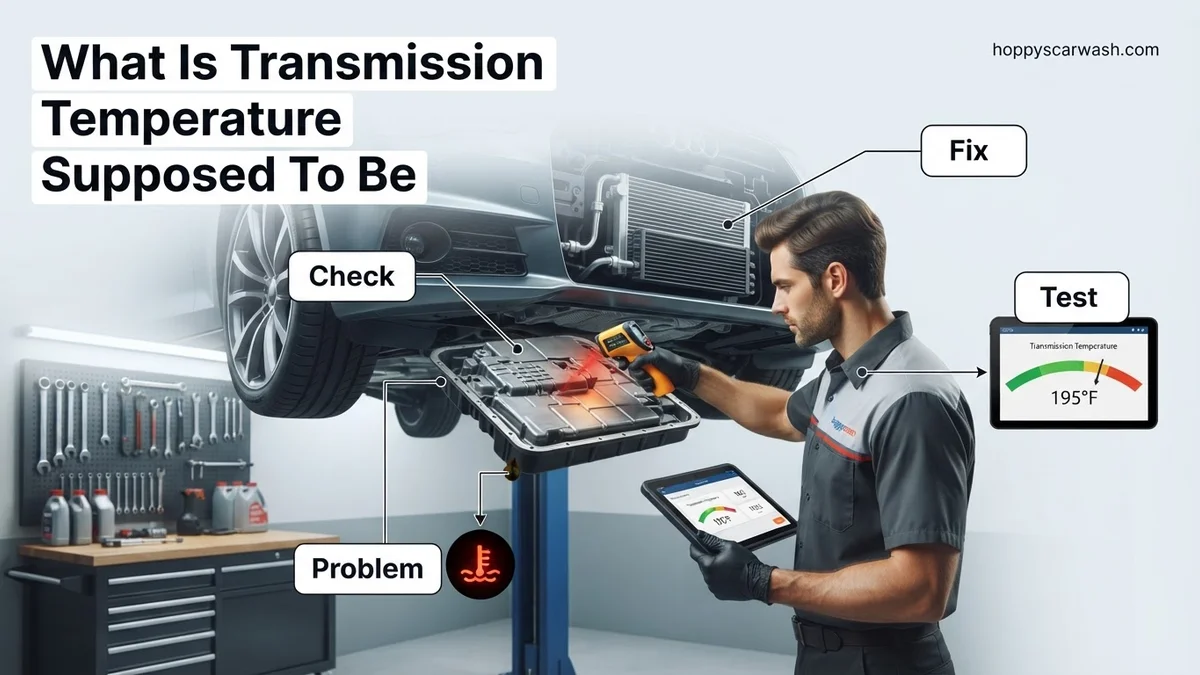
The normal transmission temperature is typically between 175°F and 200°F (79°C to 93°C) under standard driving conditions. Operating outside this safe window can rapidly degrade transmission fluid and cause severe mechanical damage. Monitoring these thermal thresholds prevents costly component failures.
For most modern vehicles on the road in 2026, the standard normal transmission fluid temperature ranges between 175°F and 200°F (approx. 79°C to 93°C). If you drive a heavy-duty truck or push your vehicle hard while towing, that normal ceiling can safely stretch up to 220°F (104°C). Staying within this thermal window ensures your transmission fluid maintains optimal viscosity, protecting complex valve bodies, clutches, and gears from premature wear.
Monitoring this gauge or digital readout matters practically because heat is the absolute number one enemy of automatic transmissions. When fluid temperatures consistently creep past 220°F, additive packages begin to break down rapidly, leading to varnish buildup, slipping clutch packs, and ultimately, catastrophic mechanical failure. Knowing your exact operating range helps you catch minor cooling inefficiencies before they turn into expensive roadside breakdowns.
Key Takeaways
- Normal operating temperature ranges between 175°F and 200°F for standard daily driving.
- Temperatures exceeding 220°F lead to rapid fluid breakdown and accelerated wear.
- Heavy towing naturally spikes fluid temperatures, making auxiliary coolers essential.
- Dashboard warning lights and delayed shifting indicate dangerous overheating conditions.
- Safely cool an overheating transmission by pulling over and shifting into neutral.
What Causes Transmission Overheating and High Temperatures
Heavy Towing and Hauling Loads
Pushing your vehicle beyond its gross combined weight rating creates massive friction inside the torque converter. When you tow a heavy trailer up a steep grade in hot summer weather, fluid temperatures can easily spike past 230°F. Without an auxiliary transmission cooler, the factory radiator-integrated heat exchanger struggles to shed this excess thermal energy quickly enough.
Stop-and-Go Urban Commuting
City driving generates high heat because your transmission constantly cycles through lower gears while the torque converter slips extensively. Unlike highway cruising, where airflow over the chassis naturally cools the transmission pan, stop-and-go traffic starves the system of vital airflow. This traps heat in the transmission housing, causing operating temperatures to slowly climb well above the normal 200°F threshold.
- Prolonged idling in traffic without adequate airflow
- Frequent shifting between first and third gears
- Failing or restricted factory cooling lines
- Slipping internal clutches generating localized friction
How to Diagnose Abnormal Temperature Readings and Fluid Issues
Interpreting Factory Gauges and OBD-II Scanners
Many modern 2026 trucks and performance vehicles feature dedicated transmission temperature gauges, but standard passenger cars often require checking live data via an OBD-II scanner. If your digital readout fluctuates wildly or regularly sits above 220°F during normal highway cruising, you likely have a restriction in the cooling circuit or low fluid levels. Never ignore a persistent warning light or a dashboard message regarding transmission heat.
Inspecting Transmission Fluid Condition
When temperatures run abnormally high, the physical state of your transmission fluid changes noticeably. Pull the dipstick or check the service port to evaluate the color and smell of the fluid:
- Bright Red or Pink: Normal, healthy fluid with active additives.
- Dark Brown: Aged fluid that has likely experienced elevated operating temperatures.
- Black with a Burnt Odor: Severe overheating has occurred, resulting in scorched friction material and ruined fluid.
Step-by-Step Guide to Lowering Transmission Operating Temperatures
When monitoring data in 2026 reveals that your transmission runs consistently above the optimal 175°F to 200°F threshold, immediate corrective action is required. Implementing targeted modifications protects internal components from premature thermal degradation.
1. Upgrade Your Factory Cooler
Factory transmission coolers often struggle during heavy towing or extreme ambient heat. Installing an aftermarket auxiliary cooler significantly increases fluid capacity and heat dissipation rates.
2. Perform a Complete Fluid Flush
Degraded fluid loses its thermal transfer properties and frictional stability. Flush old fluid entirely and replace it with a high-grade synthetic fluid that meets or exceeds OEM specifications for 2026 vehicle standards.
3. Install a Deep-Capacity Pan
Aluminum deep-capacity transmission pans increase fluid volume and feature cooling fins that radiate heat away from the gearset much faster than stock stamped-steel pans.
What If Your Transmission Still Runs Hot After Maintenance
If fluid flushes, auxiliary coolers, and deep pans fail to bring operating temperatures down below 215°F, deeper mechanical issues are usually to blame. Drivers facing persistent high temperatures should consider these advanced troubleshooting steps:
- Inspect the Torque Converter: A failing or slipping torque converter generates excessive internal friction and heat. Replacing a damaged torque converter typically costs between $600 and $1,200 including labor.
- Check for Internal Blockages: Debris from clutch pack wear can clog valve bodies and cooler lines, severely restricting fluid flow. A professional hot-flush of the cooler lines is required, ranging from $150 to $300.
- Diagnose Solenoid and Valve Body Failures: Electronic pressure control malfunctions cause improper clutch engagement and extreme slippage. Professional diagnostic scanning and replacement costs average $400 to $900.
- Consult a Certified Transmission Specialist: If temperatures remain elevated despite mechanical repairs, seek professional help immediately to prevent catastrophic internal seizure, which can cost upwards of $3,500 to $6,500 for a full rebuild.
Conclusion
Maintaining transmission temperatures between 175°F and 200°F is critical for preventing fluid breakdown, seal hardening, and catastrophic mechanical failure. When monitoring reveals persistent overheating, targeted interventions like fluid changes, auxiliary cooling upgrades, and prompt mechanical repairs restore optimal thermal balance. According to verified research and automotive engineering sources, proactive fluid management extends modern transmission lifespans by up to 150,000 miles. Take the next actionable step today: check your transmission fluid condition and temperature readings using an OBD2 scanner before your next long drive or towing trip.
❓ Frequently Asked Questions
What is transmission temperature supposed to be during highway driving?
During normal highway cruising in moderate weather, your transmission temperature should stabilize right around 175°F to 195°F. Wind resistance and gear ratio efficiency keep temperatures steady in this window.
Does towing heavy loads increase transmission temperature?
Yes, pulling a heavy trailer forces the torque converter to work harder and slip more, which rapidly increases fluid friction and pushes temperatures up to 210°F–230°F.
What are the warning signs of an overheating transmission?
Common symptoms include a burning smell, dark or discolored transmission fluid, delayed or harsh gear engagement, and an illuminated dashboard warning light.
How often should transmission fluid be changed to prevent overheating?
Most manufacturers recommend changing transmission fluid every 30,000 to 60,000 miles, especially for vehicles used frequently for towing or commercial applications.
Can adding an auxiliary transmission cooler help lower temperatures?
An auxiliary cooler significantly improves thermal regulation by routing fluid through an extra heat exchanger, keeping heavy-duty trucks well below dangerous thresholds.
What should I do immediately if my transmission temperature warning light turns on?
Safely pull over to the side of the road, shift the transmission into neutral or park with the engine running at a fast idle, and allow the cooling system to bring temperatures down.