How Do You Know If Odometer Has Been Tampered With: Top Warning Signs
Have you ever wondered if the odometer on a car you’re interested in has been tampered with? It’s a sneaky trick some sellers use to make a vehicle look more valuable by showing fewer miles than it actually has.
This can cost you a lot of money and lead to unexpected repairs down the road. But how can you tell if the odometer reading is real or fake? You’ll discover simple and effective ways to spot odometer fraud, so you can protect yourself and make a smart purchase.
Keep reading—you’ll want to know these tips before your next car deal.
Check The Odometer Numbers
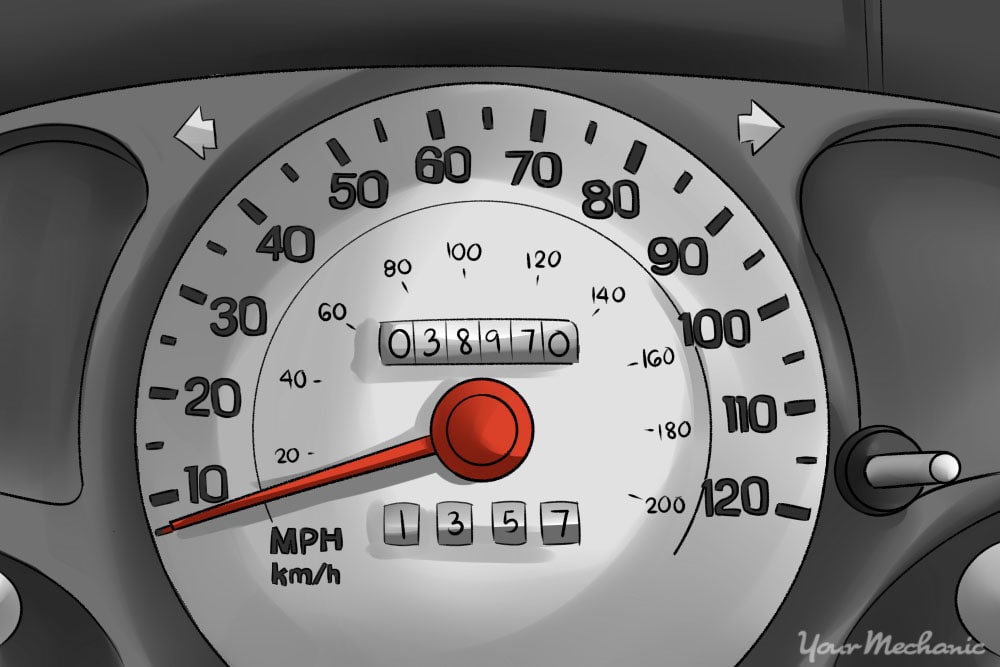
Checking the odometer numbers is a key step to spot tampering. The odometer shows the total miles a car has traveled. A tampered odometer can hide the true mileage. This affects the car’s value and safety.
Look closely at the numbers on the odometer. They should line up evenly and turn smoothly. Uneven numbers or crooked digits can signal tampering.
Examine Number Alignment
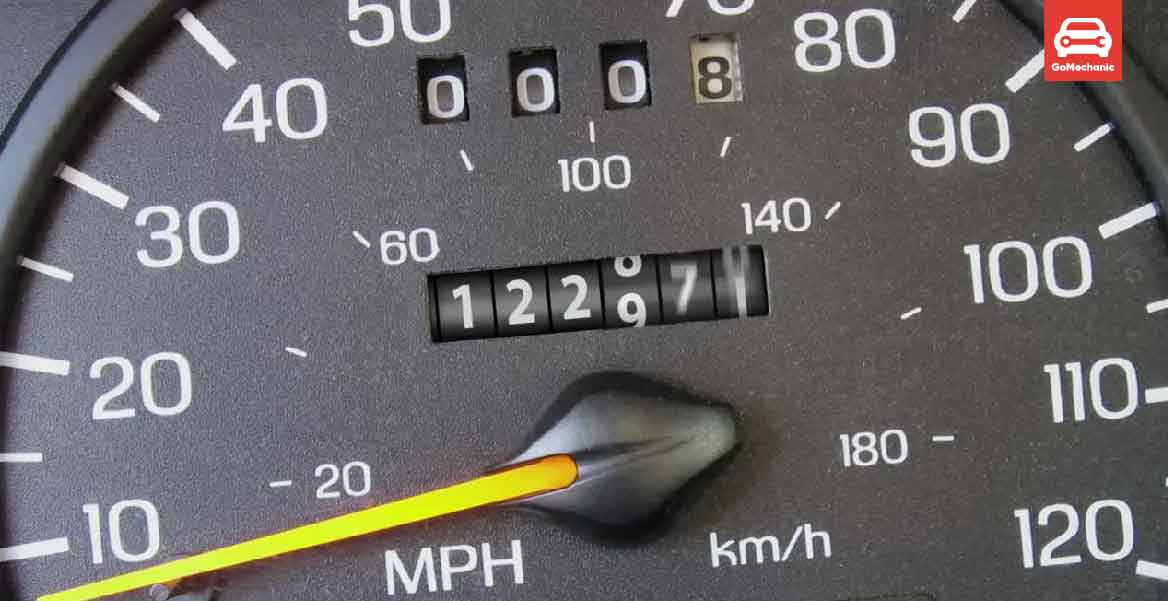
Each digit should be perfectly aligned. If numbers are not straight, the odometer might have been rolled back. Misaligned digits can mean someone forced the wheels backward.
Check For Scratches Or Damage
Scratches near the odometer can hint at tampering. Look for marks around the numbers or on the dashboard. Signs of damage suggest someone tried to open the display.
Observe The Number Movement
Watch how the numbers change when the car moves. The digits should roll smoothly forward. If numbers jump or move oddly, it could be a fake odometer.
Inspect Vehicle History Reports
Vehicle history reports reveal important details about mileage records. Comparing these records helps spot unusual changes in the odometer. Checking for inconsistencies shows if tampering might have occurred.
Check Consistency Of Mileage Records
Vehicle history reports show the recorded mileage at different times. These records come from service visits, inspections, and title changes. Compare these mileages to the odometer reading on the car. Large jumps backward or strange patterns suggest tampering. Consistent mileage progression means the odometer is likely accurate.
Review Past Ownership Details
Ownership history helps confirm the vehicle’s use and maintenance. If the car changed hands many times in a short period, it might hide odometer fraud. A clear and steady ownership trail supports honesty in mileage records. Look for any titles marked as “salvage” or “rebuilt,” which can indicate possible issues.
Look For Report Warnings And Alerts
Many vehicle history reports highlight potential problems. These alerts include odometer rollback warnings or title inconsistencies. Pay attention to any flags raised by the report. They help spot hidden odometer tampering faster. A clean report lowers the risk of hidden mileage fraud.
Look For Wear And Tear Inconsistencies
Wear and tear inconsistencies reveal clues about odometer tampering. Every car shows signs of use on its parts. These signs should match the mileage shown on the odometer. If they do not, something may be wrong.
Look closely at the interior parts. They can tell a story about the car’s actual mileage. Pay attention to areas that get heavy use.
Check The Pedals And Floor Mats
The pedals wear out as miles add up. Brake, gas, and clutch pedals should show wear that fits the odometer reading. New pedals on a high-mileage car raise questions. Floor mats also show wear patterns consistent with use. Worn mats with low mileage might indicate tampering.
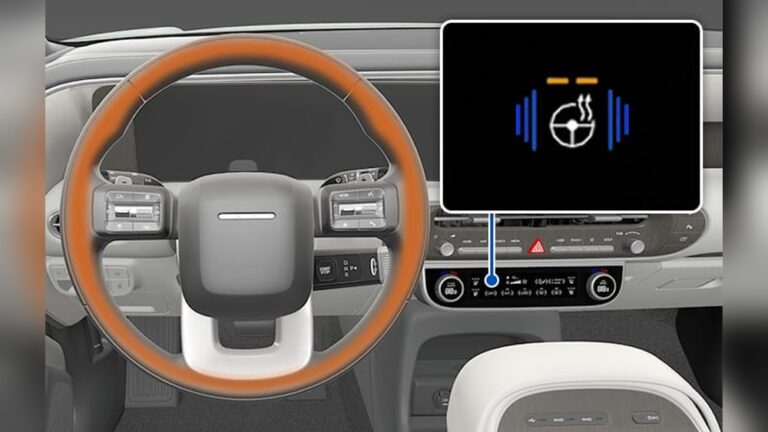
Inspect The Steering Wheel And Gear Shift
The steering wheel’s surface wears smooth over time. A shiny or new steering wheel on a car with high mileage is suspicious. The gear shift knob also shows signs of use. It should not look brand new if the odometer shows many miles.
Look At The Seat Fabric And Controls
Seats wear down from regular use. The fabric or leather should match the car’s age and mileage. Seat controls and buttons should work well but show some signs of wear. New-looking seats on an old, high-mileage car are unusual. This mismatch can indicate odometer fraud.
Credit: www.yourmechanic.com
Examine Service And Maintenance Records
Service and maintenance records show the car’s mileage over time. Check if the numbers match the odometer reading. Gaps or sudden drops may signal tampering.
Check Consistency Of Mileage In Records
Service and maintenance records show the car’s history. Each entry usually notes the odometer reading at service time. Compare these readings to spot unusual drops or jumps. A sudden drop in mileage between visits may indicate tampering. Consistent mileage increases mean the odometer likely shows the true distance traveled.
Look For Missing Or Incomplete Records
Missing service records can raise red flags. If records skip dates or do not include mileage, it may hide odometer tampering. Complete and detailed records build confidence in the car’s history. Ask for official documents like repair invoices or inspection reports to verify mileage.
Compare Records With Vehicle Condition
Match the reported mileage with the car’s condition. A vehicle with low mileage but worn tires or seats might not be genuine. Service records help confirm if the car’s wear fits the mileage shown. Inconsistencies could mean the odometer was rolled back.
Consult A Professional Mechanic
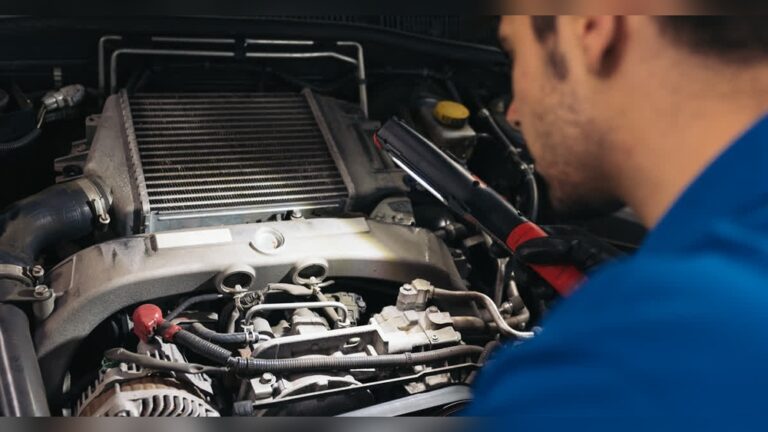
Consulting a professional mechanic is a smart step to check for odometer tampering. Mechanics have the skills and tools to find signs that most people miss. They can inspect the vehicle deeply and give a clear answer.
A mechanic can compare the odometer reading with the car’s condition. For example, if the odometer shows low miles but the engine and tires look very worn, it raises a red flag. Mechanics know what to look for and can spot these mismatches quickly.
Visual Inspection Of The Odometer
A mechanic checks the odometer for physical signs of tampering. Scratches, loose screws, or broken seals can show someone opened the odometer. These clues help identify if the miles were rolled back.
Use Of Diagnostic Tools
Modern cars store mileage data in their computer systems. Mechanics use special scanners to read this stored data. If the stored mileage does not match the odometer, tampering is likely.
Checking Service And Repair Records
Mechanics review the car’s service records. These records often note the mileage during each service. If the records show higher miles than the odometer, it suggests tampering.
Assessing Vehicle Wear And Tear
Experts examine parts like the brake pedal, steering wheel, and seats. Heavy wear on these parts does not match low mileage on the odometer. This mismatch can reveal odometer fraud.
Credit: gomechanic.in

Credit: ineedappi.com
Frequently Asked Questions
How Can I Spot Odometer Tampering On A Used Car?
Check for inconsistent mileage on service records and car history reports. Look for wear that doesn’t match the mileage shown.
What Are Common Signs Of Odometer Fraud?
Uneven wear on pedals or seats and scratches around the odometer area can hint at tampering. Sudden drops in mileage raise suspicion.
Can A Car’s Maintenance Records Reveal Odometer Tampering?
Yes, regular service dates and mileage should increase steadily. Mismatched or missing records may indicate tampering.
Is It Possible To Detect Digital Odometer Tampering?
Digital tampering is harder but not impossible to spot. Look for error messages or unusual dashboard behavior.
Should I Hire A Professional To Check Odometer Accuracy?
A mechanic can inspect the car thoroughly and spot signs of tampering. Professional checks add extra confidence before buying.
Conclusion
Checking an odometer for tampering protects you from hidden car issues. Look for mismatched numbers, scratched seals, or inconsistent wear on the dashboard. Compare the car’s history report with the odometer reading. Trust your instincts if something feels off. Taking these simple steps helps you avoid costly surprises later.
Stay alert and ask questions before buying a used car. Your careful check keeps you safe and confident on the road.