How Much Pressure is in a Transmission Cooler Line: Essential Facts
Have you ever wondered how much pressure runs through your transmission cooler line? Understanding this small but powerful part of your vehicle can save you from costly repairs and keep your car running smoothly.
Whether you’re a car enthusiast or just someone who wants to take better care of your ride, knowing the right pressure level can help you spot problems early. Keep reading to discover what the ideal pressure should be, why it matters, and how it affects your transmission’s health.
Your car will thank you for it.

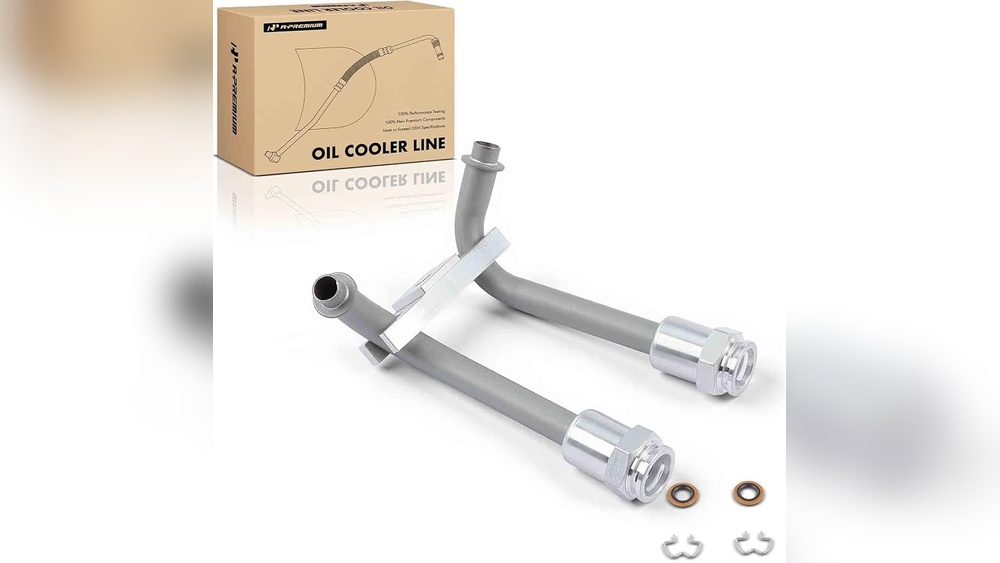
Credit: www.amazon.com
Transmission Cooler Line Basics
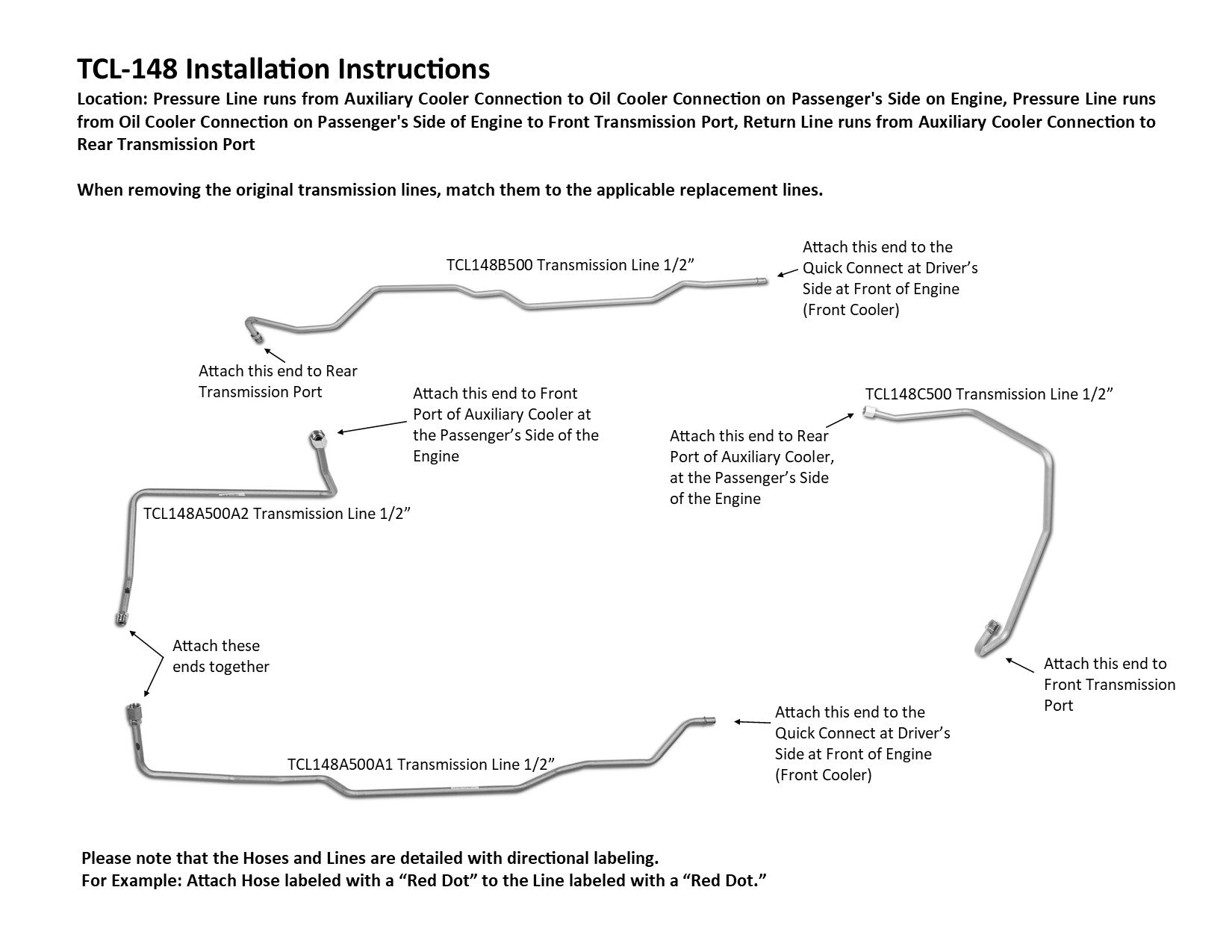
The transmission cooler line plays a key role in keeping your vehicle’s transmission healthy. It moves hot transmission fluid away from the transmission. This fluid then flows through a cooler to lower its temperature. Cooler fluid helps the transmission run smoothly and lasts longer.
Understanding the basics of cooler lines helps you spot issues early. These lines face pressure and heat, so they must be strong and reliable.
Purpose Of The Cooler Line
The cooler line carries hot transmission fluid from the transmission to the cooler. The cooler reduces the fluid’s temperature. Cooler fluid keeps transmission parts from overheating. This prevents damage and improves performance. Without this line, the transmission could fail quickly.
Common Materials Used
Transmission cooler lines are usually made from steel, aluminum, or rubber. Steel and aluminum lines resist heat and pressure well. Rubber lines are flexible and easier to install but can wear faster. Some lines have protective coatings to avoid rust and leaks. Choosing the right material affects durability and safety.
Typical Pressure Ranges
The pressure in a transmission cooler line is important for the system’s health. It helps keep the transmission fluid moving and cool. Knowing the typical pressure ranges can help spot problems early. This section explains normal pressure levels and how they differ by vehicle type.
Normal Operating Pressure
Transmission cooler lines usually carry fluid at 50 to 100 psi. This range keeps the fluid flowing through the cooler properly. The pressure depends on engine speed and load. At idle, pressure is lower, around 30 to 50 psi. When driving hard, pressure can rise to 100 psi or more. Staying within this range helps avoid damage to the transmission and cooler.
Pressure Variations By Vehicle Type
Different vehicles have different pressure needs. Small cars often have lower pressure, around 40 to 80 psi. Heavy trucks and SUVs may have higher pressures, reaching 120 psi. Automatic transmissions tend to have higher pressure than manual ones. Some modern vehicles use electronic pumps that change pressure quickly. Always check the specs for your vehicle to understand its pressure range.
Signs Of Pressure Issues
Pressure issues in a transmission cooler line can cause serious car problems. It is important to spot signs early. These signs help prevent damage to your transmission system. Both low and high pressure have distinct symptoms. Knowing these can save repair costs and keep your vehicle running smoothly.
Symptoms Of Low Pressure
Low pressure in the cooler line often leads to poor fluid flow. This causes the transmission to overheat. You might notice the transmission slipping or shifting late. The car may feel sluggish or hesitate during acceleration. Strange noises like whining or humming might come from the transmission. Fluid leaks under the vehicle are common signs too. Low pressure can also trigger the transmission warning light on the dashboard.
Symptoms Of High Pressure
High pressure in the cooler line can cause fluid to leak from seals. You may see puddles of transmission fluid under your car. The transmission might shift harshly or jerk while driving. Over time, high pressure can damage seals and hoses. This damage worsens leaks and can lead to transmission failure. A burning smell can also indicate high pressure issues. Watch for a hot transmission warning light as well.
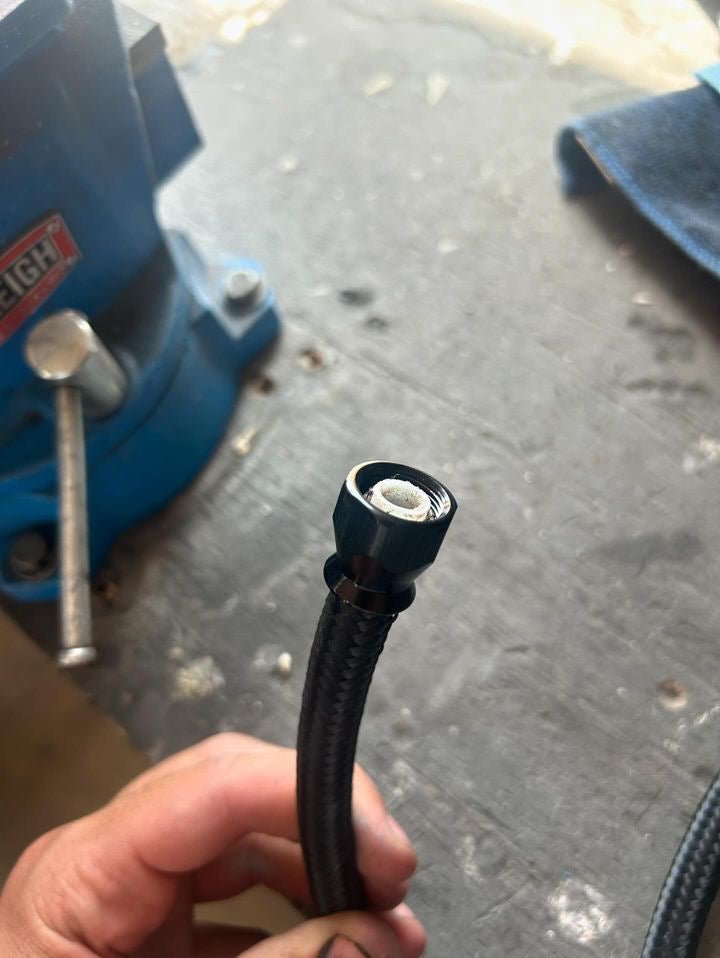
Credit: hotrodan.com
Testing And Maintenance Tips
Testing and maintaining the transmission cooler line is key for smooth vehicle operation. Regular checks help spot issues early. This keeps your transmission healthy and working well.
How To Measure Line Pressure
To measure transmission cooler line pressure, use a pressure gauge made for transmissions. First, find the test port on the transmission. Attach the gauge securely to avoid leaks. Start the engine and let it idle. Note the pressure reading on the gauge. Then, increase engine speed slowly and watch the pressure change. Compare the readings to your vehicle’s manual specs. Low or high pressure signals a problem. Repeat the test if necessary to confirm results.
Preventive Maintenance Practices
Keep the transmission cooler line clean and free of damage. Check hoses and connections for cracks or leaks regularly. Replace any worn or brittle parts immediately. Flush the transmission fluid at the intervals suggested by your vehicle’s guide. Use the correct fluid type to avoid damage. Inspect the cooler itself for blockages or corrosion. Proper maintenance reduces the risk of overheating and extends transmission life.
Credit: www.linestogo.com
Frequently Asked Questions
What Is The Normal Pressure In A Transmission Cooler Line?
The typical pressure in a transmission cooler line ranges from 20 to 60 psi. This pressure helps move transmission fluid through the cooler efficiently. It varies depending on the vehicle’s make and model.
How Does Transmission Cooler Line Pressure Affect Vehicle Performance?
Proper pressure ensures the transmission fluid cools correctly, preventing overheating. Low pressure can cause poor cooling, leading to transmission damage. High pressure may indicate blockages or pump issues.
Can Transmission Cooler Line Pressure Cause Transmission Failure?
Yes, incorrect pressure can lead to transmission overheating and failure. Low or high pressure stops the fluid from circulating properly. Regular checks help avoid costly repairs.
How Do Mechanics Measure Pressure In A Transmission Cooler Line?
Mechanics use a pressure gauge connected to the cooler line to test pressure. This tool gives a real-time reading of fluid pressure. It helps diagnose transmission or cooler problems quickly.
Conclusion
Transmission cooler line pressure usually stays between 20 and 100 psi. This pressure helps keep the transmission fluid flowing and cool. Too much pressure can cause leaks or damage. Too little pressure means the fluid might not cool properly. Regular checks can keep your transmission healthy and working well.
Knowing this pressure range helps you spot problems early. Keep your vehicle running smoothly with the right transmission cooler line pressure. Simple maintenance makes a big difference.