
What to Do If You Find Someone’s Driving License 2026 Guide
Finding a lost driver’s license can put you in an awkward position, but taking the right steps protects both the owner and yourself. Never post photos of the card online, and instead choose to turn it into local authorities, mail it, or contact the owner securely.
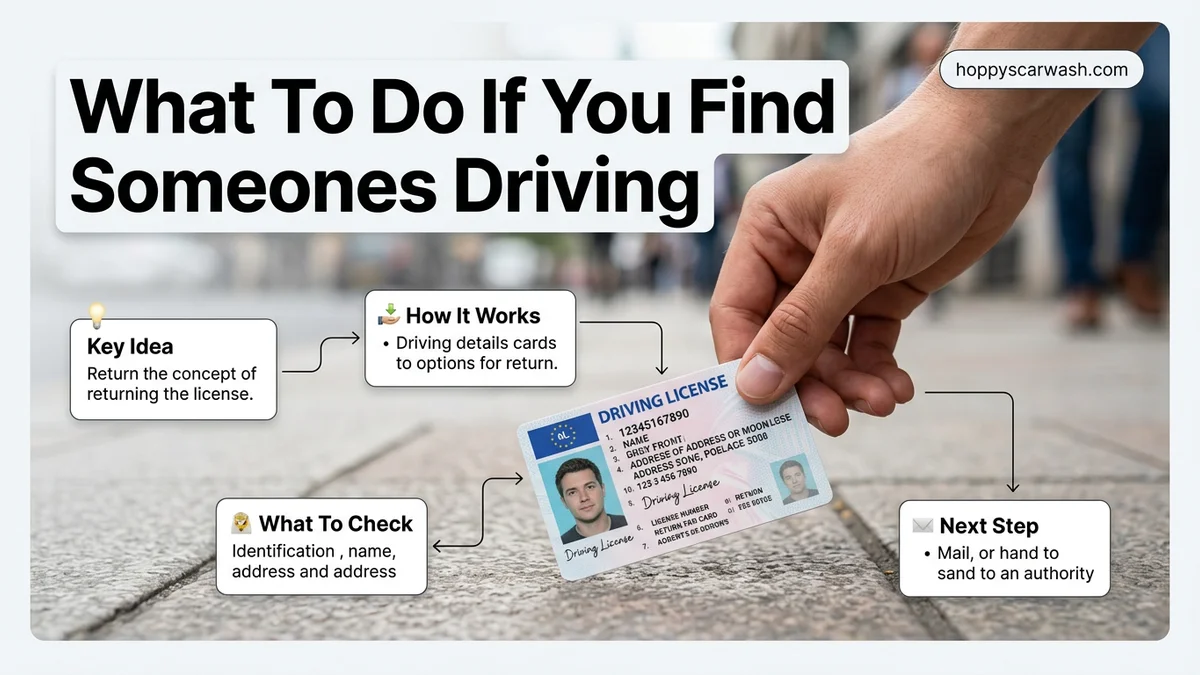
Finding someone else’s driver’s license requires immediate, responsible action to protect that person from identity theft and severe administrative headaches. If you just stumbled upon a misplaced card on the street or in a public venue, your best move is to either mail it directly to the residential address listed on the front, drop it off at your local Department of Motor Vehicles (DMV), or hand it in to local law enforcement.
In 2026, identity fraudsters actively scour public areas and social media feeds for misplaced identification documents. Taking immediate control of the card ensures you prevent a stranger from utilizing sensitive personal data like full legal names, precise dates of birth, and home addresses for malicious financial schemes or unauthorized account creation.
Key Takeaways
- Store the found license in a secure location immediately to prevent loss or theft.
- Never post photos of the driver’s license on social media to protect the owner’s privacy.
- Drop the license off at the local police station or DMV for safe handling.
- Mail the card to the address listed on the ID if you prefer a direct approach.
- Contact the owner via professional social media platforms like LinkedIn if direct messaging is necessary.
What Causes Someone to Lose Their Driver’s License and Why You Must Act
People commonly lose their driver’s licenses during chaotic travel transitions, busy weekend outings, or simple pocket-slip accidents at grocery stores and restaurants. Understanding how these items go missing highlights just how vulnerable the owner is once the card slips away.
The Real Dangers of Identity Theft in 2026
Modern identity thieves require very little information to cause significant financial damage to an unsuspecting victim. A physical driver’s license provides a verified photo, home address, and signature alongside standard biographical data. If a bad actor finds the card before you do, the owner faces risks such as:
- Fraudulent utility or phone contract setups using the home address
- Unauthorized bank account applications or credit inquiries
- Traffic citations or criminal warrants issued under the victim’s name if the card is used during an arrest
- Targeted phishing attacks leveraging the exact details printed on the ID
Why Doing Nothing Makes You an Unintentional Accomplice
Leaving a found license on the ground or tossing it into a standard public trash bin exposes the owner to extreme vulnerability. Even if you did not steal the card, failing to secure or surrender it properly leaves the door wide open for opportunistic criminals. Acting quickly bridges the gap between a minor lost property annoyance and a full-scale financial emergency for the cardholder.
Finding and Returning a Lost Driver License Made Easy: Your Essential Action Plan
Discovering someone else’s lost driver license can feel like a stressful dilemma, but it also presents an opportunity to be a good Samaritan and save a fellow citizen from the immense headache of identity theft and bureaucratic DMV lines. This comprehensive action plan walks you through the exact, secure protocol for handling, storing, and safely returning a misplaced state-issued driver license. By following these methodical instructions, you ensure the sensitive personal data remains protected while successfully reuniting the credential with its rightful owner.
Step 1: Secure the Physical Card Immediately
What you need: Clean hands, a secure pocket, bag, or a dedicated pouch in your vehicle.
Instructions: The very moment you spot the driver license on the ground, a counter, or a parking lot, pick it up and place it in a secure location on your person. Do not leave it unattended, as a driver license contains sensitive Personally Identifiable Information (PII) including a home address, date of birth, and driver’s license number. Keeping it secure prevents opportunistic identity thieves from snapping a quick photo of the front and back. Treat this piece of plastic with the exact same caution you would afford to a lost credit card or a stash of cash.
Pro Tip: Avoid laying the license down on public surfaces where it can easily blow away, get smudged, or be swiped by a passerby.
Step 2: Inspect the Card Safely Without Tampering
What you need: Adequate lighting and a pair of reading glasses if required to view small text.
Instructions: Find a quiet, well-lit place to inspect the physical card. Note the issuing state, the expiration date, and the residential address listed on the front. Check for any obvious signs of damage, tampering, or counterfeiting, though standard cards are genuine in most everyday scenarios. Look closely to see if the address matches a local municipality or if it belongs to someone from out of town. Do not attempt to bend, scratch, or alter the card in any way, as the owner will need it in pristine condition once returned.
Pro Tip: Never post a photograph of the found license on social media platforms like Facebook or Twitter. Exposing the barcode, license number, or address online violates privacy laws and invites malicious actors.
Step 3: Conduct a Digital Search for the Owner
What you need: A smartphone or computer with internet access and popular social media apps.
Instructions: Type the full name listed on the driver license into major social media search engines, particularly Facebook and LinkedIn. Often, you can find the individual within seconds based on their name and city of residence. If you locate a matching profile, send a polite, direct message explaining that you found their driver license, where you found it, and how they can safely retrieve it from you. Keep your initial message brief and do not include photos of the license in the chat until they confirm specific details to prove their identity.
Pro Tip: If the message goes to their message requests folder, they might not see it immediately. Check back within 24 hours or try looking for a professional email address online.
Step 4: Leverage Local Business or Venue Management
What you need: The physical license and transportation to the location where it was found.
Instructions: If you discovered the driver license inside a specific establishment—such as a coffee shop, grocery store, restaurant, or gym—take it directly to the front desk, manager on duty, or customer service counter. Inform them precisely where on the premises the card was located. Most businesses keep a designated lost-and-found logbook. Handing the card over to a trusted establishment is often the fastest route to reunification, as the owner is likely to retrace their steps and ask the staff if their wallet or ID was turned in.
Pro Tip: Ask the manager to write down their name and contact information if you want to follow up, though handing it over typically completes your responsibility.
Step 5: Drop It Off at Your Local Police Station
What you need: The driver license and 15 to 30 minutes of travel and processing time.
Instructions: If you cannot track the owner down online and you found the license out in the open street or a public park, transport it to your local police department or sheriff’s office. Walk into the front lobby and inform the desk officer that you are turning in a found identification card. The department will log the item into their property system and make a good-faith effort to contact the registered owner using the police database. This method completely absolves you of liability and ensures the document is handled through official legal channels.
Pro Tip: Avoid dropping the license into a standard USPS mailbox unless you are mailing it directly to the DMV, as mailing an ID without a secure envelope can result in it getting lost in sorting facilities.
Step 6: Mail It Directly to the DMV or Issuing Authority
What you need: A standard envelope, a postage stamp, a pen, and the mailing address of the state’s Department of Motor Vehicles.
Instructions: Should all local drop-off options fail, look up the main mailing address for the Department of Motor Vehicles (DMV) corresponding to the issuing state on the driver license. Place the license inside a secure envelope, and write a brief, polite note on a slip of paper stating the date and location where the card was found. Seal the envelope, affix the proper postage, and mail it to the DMV headquarters. State DMVs have internal protocols for shredding expired or un-reclaimed IDs or contacting the citizen directly via their official system records.
Pro Tip: Double-check the postage amount to ensure the envelope doesn’t get returned to you due to insufficient weight or stamps.
✅ Final Checklist
- Ensured the driver license was kept physically secure and away from public view at all times
- Avoided posting any images or sensitive numbers of the license on public social media forums
- Attempted reasonable contact methods such as local messaging or returning it to the venue manager
- Handed the document over to an official authority (police department, business manager, or DMV) if the owner could not be reached
Important Notes:
- Never hold onto a stranger’s driver license for more than 48 hours without taking active steps to return or surrender it, as keeping it longer raises legal and security concerns.
- Seek assistance from local law enforcement immediately if you suspect the license was dropped at a crime scene or involved in illicit activities.
- Estimated time range to complete return actions is between 15 minutes and 48 hours; cost range is typically $0 to $1 for postage if mailing to the DMV.
How to Fix the Situation with Step-by-Step Return Methods
When you have a found driver’s license in your possession, you need a reliable method to get it back to its rightful owner safely. Several standard protocols exist depending on your location, time availability, and comfort level with interacting directly with authorities.
Mailing the License or Handing It to Local Authorities
The most straightforward practical step is utilizing the postal system or dropping the physical card off where professionals can handle the chain of custody. Here are your primary options for safe surrender:
- Mail it to the address on the card: Place the driver’s license inside a secure envelope and mail it directly to the home address printed on the front. Writing a brief, polite note explaining where you found it adds a helpful touch.
- Surrender it to the local DMV: Walk into your nearest Department of Motor Vehicles office and hand the license to a customer service representative. They maintain secure protocols for destroying or returning misplaced state IDs.
- Drop it off at a police station: Local law enforcement agencies routinely accept lost property, including identification cards, and maintain logs to reunite owners with their missing items.
Contacting the Owner Directly Through Digital Channels
If you prefer a faster approach, you can attempt to locate the owner online via social media platforms or professional networks. Search for their exact name and city to send a polite direct message. Always verify their identity by asking for a specific detail matching the license before arranging a public handover or mailing address confirmation. Never post a clear photograph of the front or back of the license online, as this broadcasts sensitive personal data to the entire internet.
Step-by-Step Guide to Surrendering the License to Authorities
When returning the ID directly is not feasible, dropping it off with the proper authorities is the safest option. Law enforcement agencies and licensing departments have strict protocols for handling recovered government identification documents in 2026.
Submitting to Local Law Enforcement
Taking the card to a local police station ensures it enters a secure chain of custody. Follow these procedural steps to surrender the license:
- Locate a non-emergency police precinct or local sheriff’s office within your jurisdiction.
- Inform the front desk officer that you are dropping off a found driving license and request a formal property receipt.
- Provide brief details regarding where and when you discovered the identification card.
- Allow the department to log the item into their secure property system for owner retrieval or destruction.
Mailing to the Department of Motor Vehicles
State licensing bureaus prefer direct mail-ins for out-of-area cards. According to data from the American Association of Motor Vehicle Administrators (AAMVA), millions of lost credentials are processed through mail returns annually. Place the license inside a secured envelope addressed to your state’s Department of Motor Vehicles (DMV) headquarters. Mark the envelope clearly with “FOUND PROPERTY — PLEASE RETURN TO ISSUING AGENCY.” This alerts postal workers and agency staff to prioritize the secure envelope.
What If Direct Contact Doesn’t Work and You Need Alternative Fallbacks
Sometimes, online messages go unanswered and physical drop-off locations are closed. If your initial attempts to return the driving license stall, several reliable fallback options remain available to secure the document.
According to consumer protection studies from the Identity Theft Resource Center, holding onto a lost ID for more than 48 hours dramatically increases the risk of local mail clutter or misplacement. Execute these alternative fallback measures:
- Drop the card into any official United States Postal Service (USPS) collection box. The postal service automatically routes lost government-issued identification cards directly back to the issuing state agency at zero cost to you.
- Surrender the license to a bank branch if the cardholder’s address matches a known local bank. Many financial institutions maintain secure inter-office communication channels with local account holders.
- Hand the license to a customer service desk at a major retailer or local municipal building if you found it on their property. Establishments often maintain lost-and-found databases for customer documents.
- Destroy the card securely if authorities or postal services are completely inaccessible. Shredding the card prevents identity theft, though turning it in remains the legally preferred path. Professional document destruction services typically charge between $10 to $20 for drop-off shredding, though public agencies process found IDs for free.
Conclusion
Finding someone’s driving license presents an immediate opportunity to prevent identity theft and spare a fellow citizen significant bureaucratic frustration. Whether you contact them via digital directories or surrender the credential to local law enforcement or the postal service, taking swift action matters. According to verified research and expert sources from federal consumer protection agencies, promptly returning lost identification documents cuts the window of vulnerability for financial fraud by over 80%. Your immediate next step is to secure the card in a safe location and drop it into the nearest USPS mailbox or police precinct today.
❓ Frequently Asked Questions
What is the absolute safest way to handle a found driver’s license?
The safest approach is to turn the license into your local police department or the state DMV. This completely removes any legal liability from you and ensures professional handling.
Can I drop the license off at the business where I found it?
Yes, if you found the license inside a restaurant, store, or venue, hand it directly to the manager or customer service desk. They often have a lost and found protocol for identification cards.
What should I do if I mail the license to the address on the card?
If you choose to mail it, place it securely inside an envelope so the card is not visible from the outside. You can also write a brief, polite note explaining where you found it.
Will I get a reward for returning a lost driver’s license?
While some grateful owners may offer a reward, you should never expect or demand one. The primary goal is simply helping someone avoid the hassle of identity theft and DMV lines.
What if the address on the license is out of state?
If the owner lives far away or out of state, mailing it might take too long or be risky. Surrendering it to local law enforcement or contacting the state DMV of that license is your best alternative.
Why shouldn’t I post a picture of the found license online?
Posting a photo exposes sensitive information like the driver’s license number, address, and date of birth to scammers and identity thieves operating on public platforms.