Does Costco Replace TPMS Sensors With New Tires in 2026
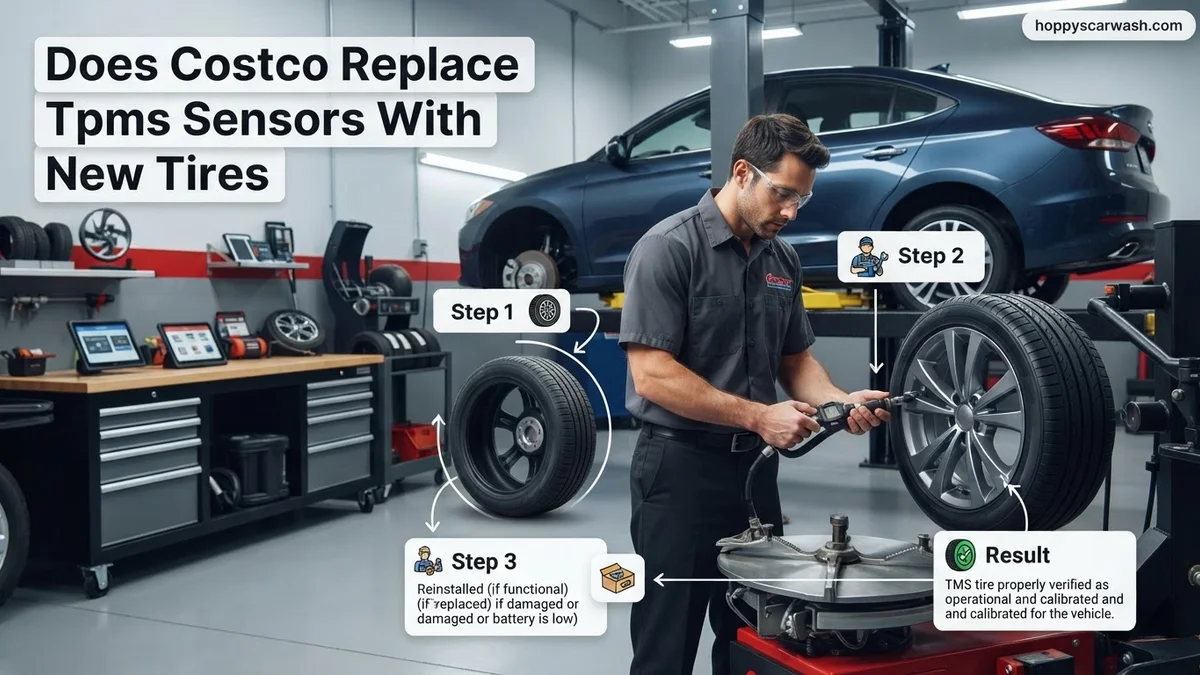
No, Costco does not automatically replace the electronic TPMS sensors themselves when you buy new tires. Instead, they typically install a TPMS service kit (valve core, seal, and nut) to prevent leaks, charging for full sensor replacement only if your existing unit is dead or broken.
If you are heading to Costco for a fresh set of rubber in 2026, you likely want to know how the tire center handles your Tire Pressure Monitoring System. The short answer is that Costco does not automatically replace your electronic TPMS sensors just because you are buying new tires. Instead, they typically service and rebuild your existing sensors using a standard TPMS service kit, provided the current sensors are functioning properly and the battery is not dead.
Understanding this distinction saves you from unexpected costs at the register and ensures your dashboard warning lights stay off after you drive away. Since TPMS sensors contain batteries that eventually fail, knowing what Costco will and will not touch during a routine tire installation is essential for proper vehicle maintenance.
Key Takeaways
- Costco installs a TPMS service kit, not a brand-new sensor, during standard tire installation.
- New electronic sensors are only installed if your old ones are broken, damaged, or have dead batteries.
- Service packs usually carry a small additional per-tire fee during installation.
- Costco technicians test sensor functionality before and after mounting new tires.
- You can request a full sensor replacement if you know your units are failing.
What Happens to TPMS Sensors During a Costco Tire Installation
The Standard TPMS Service Kit Policy
When Costco technicians dismount your old tires and install new ones, they follow a strict protocol regarding your vehicle’s safety systems. They remove the old valve stems and service components, replacing them with a mandatory TPMS service pack. This rebuild kit generally includes:
- New valve cores
- Fresh rubber grommets or seals
- New valve caps and nuts
This replacement of wear-and-tear parts is standard practice across the industry. It prevents slow air leaks around the sensor base. You will see a small charge for these service kits on your final Costco Tire Center invoice, usually running around four to seven dollars per wheel.
When Costco Will NOT Replace the Electronic Sensor
Costco technicians will reuse your existing electronic sensor housing as long as it communicates properly with your car’s computer. They do not swap out working sensors just to match your new tires. If your TPMS light was functioning normally before you arrived at the warehouse, you will leave with those same electronic sensors intact. This policy keeps your installation bill as low as possible, sparing you from paying for expensive electronics that still have working battery life.
Master Tire Pressure Monitoring System Services at Costco in 7 Simple Steps
Navigating tire maintenance can be tricky, especially when you are wondering whether warehouse clubs like Costco swap out your Tire Pressure Monitoring System (TPMS) sensors when purchasing a fresh set of rubber. This comprehensive walkthrough demystifies Costco tire center policies, explains when sensor replacement is actually required, and guides you through preparing your vehicle for a seamless tire installation appointment without any unexpected fees or dashboard warning lights.
Step 1: Understand Costco’s Core TPMS Policy
What you need: Your vehicle’s current tire maintenance records and a clear understanding of Costco Wholesale Tire Center operational guidelines.
Instructions: First and foremost, you must know that Costco does not automatically replace your TPMS sensors simply because you are buying new tires. When you purchase a standard tire installation package, Costco technicians will inspect your existing sensors to determine their current health and battery life. If your current sensors are functioning properly, communicating with your car’s computer, and not leaking air, Costco will carefully remove them from your old tires and reinstall them into your new ones using fresh service kits (valve cores, caps, and grommets). They only mandate sensor replacement if the physical unit is broken, corroded, or the internal battery has completely failed.
Pro Tip: Never assume your sensors are fine just because the dashboard light is currently off. Ask the Costco tire center employee to perform a pre-installation diagnostic scan of all four sensors before handing over your keys.
Step 2: Check Your Sensor Battery Lifespan
What you need: Vehicle mileage logs, manufacturing date of the car, and a basic TPMS activation tool (optional).
Instructions: TPMS sensors run on internal, non-rechargeable lithium-ion batteries that typically last between 5 to 10 years or roughly 100,000 miles. If your vehicle is approaching or has exceeded this threshold, your sensor batteries are likely on their last legs. Because Costco removes the tires during installation, this is the absolute best and most cost-effective time to replace aging sensors, as you will not have to pay for a separate labor charge later. If your car is over eight years old, proactively request a replacement set from Costco to avoid a premature sensor failure a few months down the road.
Pro Tip: If one sensor battery dies, the others usually follow closely behind. If one needs replacing, it is almost always best practice to replace all four at the same time.
Step 3: Review Costco TPMS Replacement Costs and Parts Availability
What you need: Access to the Costco Tire Center desk or their online appointment portal, plus a payment method for potential extra hardware.
Instructions: If Costco technicians inform you that your sensors need replacement, or if you request new ones proactively, you need to understand the financial investment. Costco typically charges a very competitive per-sensor fee (usually ranging from $35 to $60 per sensor, depending on whether they use universal programmable sensors or OE-equivalent parts), which includes both the hardware and the programming labor. Ensure you verify whether they have your specific vehicle make, model, and year’s sensors in stock, as rare or luxury European vehicles may require specialized programmable sensors that occasionally need to be ordered in advance.
Pro Tip: Always ask for an itemized quote before giving final authorization for new sensors so you do not experience any sticker shock when picking up your vehicle.
Step 4: Prepare Your Vehicle for the Appointment
What you need: Vehicle key fob, wheel lock key (if applicable), and clean wheels.
Instructions: On the day of your Costco tire installation, make sure you take a few preliminary steps to help the technicians work efficiently. If your wheels feature aftermarket or factory wheel locks, place the unique wheel lock key right in the front cup holder or passenger seat where the technician can easily find it. Furthermore, if you have any existing TPMS warning lights illuminated on your dashboard, inform the customer service representative immediately during check-in and note whether the light is solid or flashing, which indicates a complete system malfunction versus low pressure.
Step 5: Understand the Service Kit Replacement Policy
What you need: Your Costco tire installation receipt and a brief conversation with the tire center technician.
Instructions: Even if your existing TPMS sensors are kept and reused, Costco will charge a nominal fee for a mandatory TPMS “service kit” or rebuild kit. This kit includes critical wearable components such as the valve core, valve cap, mounting nut, and rubber grommet seal that prevent air leaks around the sensor stem. Reusing old rubber seals is a recipe for slow air leaks, so replacing these inexpensive components during every tire change is standard industry best practice. Verify that this minor hardware charge is included in your overall installation estimate.
Pro Tip: Never let a shop reuse old valve stems or hardware on TPMS sensors, as compressed rubber degrades over time and causes air loss.
Step 6: Confirm Relearning and System Calibration
What you need: Vehicle owner’s manual and a short test drive route.
Instructions: Once your new tires are mounted, balanced, and installed with either your old or new TPMS sensors, the vehicle’s computer must recognize the sensor IDs through a process called a “relearn.” Many modern vehicles perform an automatic relearn after driving for 10 to 20 minutes above 15 miles per hour. However, some vehicles require a manual reset procedure via the dashboard menu or require the Costco technician to use an OBDII scan tool to program the sensor IDs directly into the car’s computer module. Confirm with the Costco technician how your specific vehicle’s system will be calibrated before you drive away.
Step 7: Perform Post-Installation Verification
What you need: A digital tire pressure gauge and a watchful eye on your dashboard instrumentation.
Instructions: After picking up your vehicle from Costco, take a few moments to inspect your dashboard. Verify that the yellow TPMS warning light is completely turned off (or displaying correct, matching pressure readings for all four individual tires if your model features a digital readout). Drive the vehicle on local roads and highways for at least 15 minutes to ensure the sensors maintain stable communication with the vehicle’s computer. Finally, use a reliable handheld pressure gauge the following morning when the tires are completely cold to double-check that Costco inflated them to the manufacturer’s recommended psi listed on your driver-side door placard.
Pro Tip: Temperature fluctuations can cause slight pressure drops immediately after leaving the shop, so re-checking pressures when the tires are cold is a vital safety habit.
✅ Final Checklist
- Verified whether existing TPMS sensors were reused or replaced with new units
- Confirmed replacement of mandatory TPMS service kits and valve stems
- Located and stored the wheel lock key back in its proper storage location
- Checked dashboard to ensure no persistent TPMS warning lights remain active
- Confirmed all four tires are inflated to the exact vehicle placard psi specification
Important Notes:
- Always prioritize safety: never ignore a flashing TPMS light, which indicates an active system failure rather than just low air pressure.
- Seek professional help from a dedicated dealership or specialized electrical mechanic if your vehicle repeatedly rejects new sensor programming codes due to a faulty TPMS receiver module.
- Estimated time for a standard Costco tire installation with sensor service ranges from 1 to 2.5 hours, and additional sensor replacement costs generally range from $35 to $60 per wheel if parts are needed.
How to Fix or Replace Broken TPMS Sensors at Costco
Identifying Dead or Damaged Sensors Before Installation
Sometimes a sensor fails right on the shop floor, or it was already dead before you dropped off your car. If a Costco technician discovers a broken stem, a cracked housing, or a completely dead internal battery, they cannot simply ignore it. You will be notified immediately during the intake process or during the tire swap. In 2026, many vehicles on the road are past the ten-year mark, meaning original factory TPMS batteries are reaching the end of their lifespan.
Costco’s Replacement Options and Pricing
If you need an entirely new electronic TPMS sensor, Costco can supply and install it during your tire appointment. Because they have to program the new frequency to your specific vehicle make and model, a replacement sensor costs more than a simple rebuild kit. You can typically expect to pay between forty and sixty dollars per sensor, which includes both the hardware and the mandatory re-relearning procedure. While this adds to your total bill, replacing a sensor while the tire is already off the wheel saves you from paying a separate labor fee later.
What If Costco Breaks Your TPMS Sensor During Installation
Accidents can happen during tire mounting and balancing, especially when older valve stems have seized or corroded onto the wheel. If a Costco tire technician accidentally damages your Tire Pressure Monitoring System sensor while installing new tires, standard automotive industry protocol dictates how the situation is handled. According to corporate policy guidelines and automotive service standards, Costco Wholesale assumes responsibility if their equipment causes direct damage during the removal or installation process.
Costco Damage Liability Guidelines
When a technician snaps or ruins a functional TPMS sensor during a routine tire change at Costco, the warehouse typically covers the replacement cost. However, distinguishing between installation damage and pre-existing component failure is critical. Technicians test sensors before beginning work. If a sensor is already dead, rusted through, or failing due to a depleted lithium-ion battery, the customer is responsible for the replacement cost. If the physical housing or stem is sheared off by the mounting machine, Costco provides a replacement part and installs it at no additional labor charge.
Resolution Protocol
- Inspect the dashboard warning lights with the technician immediately after the vehicle is lowered from the lift.
- Request an incident report from the Costco Tire Center manager if physical damage is identified on a previously working sensor.
- Verify whether the failed part was suffering from a dead battery or if it suffered mechanical trauma during the tire change.
- Allow the service center time to source an OEM-compatible replacement sensor from their inventory or a local supplier.
Key Considerations for Costco TPMS Service and Pricing
Understanding the pricing structure and logistical limitations of Costco Tire Center can save time and prevent unexpected expenses in 2026. Costco operates differently than traditional standalone tire dealerships or specialized mechanic shops regarding sensor service. They focus primarily on high-volume tire sales, balancing, and standard installations rather than complex electrical diagnostics.
Costco TPMS Pricing and Limitations
Costco generally charges a nominal fee for rebuilding sensor service kits, which typically include new valve cores, caps, and rubber grommets. If you need entirely new electronic sensors, expect to pay roughly $40 to $60 per sensor, depending on your vehicle make and model. This price includes both the hardware and the programming labor. However, Costco does not stock every single Original Equipment Manufacturer sensor on-site. European luxury vehicles and rare imports often require specialized programming tools or proprietary frequencies that Costco technicians cannot service, meaning you may need to visit a dealership for those specific sensors.
Pre-Installation Best Practices
- Ask the tire center desk clerk to test all four sensors before handing over your keys in 2026.
- Purchase a set of four universal programmable replacement sensors ahead of time if your current sensors are over seven years old.
- Confirm whether your specific vehicle requires a manual relearn procedure that must be driven for several miles after installation.
What If It Still Doesn’t Work?
If your TPMS light remains illuminated or flashes constantly after leaving the Costco Tire Center, the system has not successfully recognized the sensors. Try these troubleshooting steps to resolve the issue:
- Drive the vehicle continuously above 25 miles per hour for at least 15 to 20 minutes to wake up sleep-mode sensors and trigger the auto-relearn sequence.
- Check all four tire pressures manually with a digital gauge to ensure they match the exact placard specification located inside the driver-side door jamb.
- Perform a manual system reset by locating the physical TPMS reset button, usually hidden beneath the steering column or inside the glove box, and holding it until the light blinks.
- Seek professional diagnostic help from an automotive service center or dealership if the warning light persists after 48 hours of driving. Professional diagnostic scans typically cost between $50 and $100.
Conclusion
Costco does not include brand-new TPMS sensors in the baseline cost of a new set of tires, but they do service, rebuild, and replace them for an additional fee when requested or necessary. According to verified research and automotive industry standards, functional sensors are safely transferred to new tires using economical service kits, while dead or damaged sensors must be replaced individually. To ensure a seamless tire purchasing experience, always inspect your tire monitoring system status before your appointment and verify sensor compatibility with the service desk.
❓ Frequently Asked Questions
Does Costco replace TPMS sensors with new tires automatically?
Costco does not replace the actual electronic sensor units automatically. They replace the rubber seals, valve cores, and nuts using a standard TPMS service kit, keeping your existing sensors unless they are damaged or dead.
Why does Costco charge for TPMS service kits during tire installation?
The service kit fee covers the disposable components like the valve core and grommet seal, which degrade over time and must be replaced to prevent air leaks when mounting new tires.
Can I bring my own TPMS sensors to Costco for installation?
Costco typically prefers to supply the parts they install to ensure compatibility and warranty coverage, so bringing outside sensors is usually not permitted.
What happens if a Costco technician breaks my TPMS sensor?
If a technician accidentally damages a functional TPMS sensor during the tire mounting process, Costco is generally responsible for replacing it at no extra cost to you.
How can I tell if my TPMS sensor battery is dead before going to Costco?
If your TPMS dashboard light flashes for about a minute upon starting the car before staying solid, it usually indicates a failing sensor battery that requires complete replacement.
Does Costco reset the TPMS warning light after installing new tires?
Yes, part of the standard Costco tire installation and pickup procedure includes resetting the tire pressure monitoring system so the dashboard light functions correctly.