How Do You Know If Your Catalytic Converter is Bad: Clear Signs
Have you noticed your car acting up lately? Maybe it’s not running as smoothly, or your fuel efficiency has dropped.
These could be signs that your catalytic converter is failing. But how do you know for sure if your catalytic converter is bad? Understanding the warning signs can save you time, money, and avoid bigger problems down the road. Keep reading to discover the simple ways to spot a failing catalytic converter before it causes serious damage to your vehicle.
Credit: www.premierautomotiveservice.com
Common Symptoms Of A Failing Catalytic Converter
The catalytic converter is a key part of a car’s exhaust system. It helps reduce harmful emissions. When it starts to fail, the car shows some clear signs. Knowing these symptoms can help you catch problems early. This saves money and keeps your car running well.
Here are some common symptoms of a failing catalytic converter to watch for.
Reduced Engine Performance
The engine may feel weak or slow. Acceleration slows down noticeably. The car might hesitate or struggle on hills. Fuel efficiency can drop too. These happen because the converter blocks exhaust flow. This puts extra strain on the engine.
Unusual Exhaust Smell
A strong, rotten egg smell often means trouble. This odor comes from sulfur in the exhaust. A bad catalytic converter cannot clean the gases well. The smell might be stronger near the back of the car. It is a clear sign to have it checked.
Check Engine Light Activation
The check engine light may turn on without warning. This light signals that the car’s computer found a problem. A faulty catalytic converter often triggers this alert. A diagnostic scan can confirm the exact cause. Ignoring the light can lead to bigger issues.

Credit: comtires.com
Physical Signs To Inspect
Physical signs can help you spot a bad catalytic converter early. These signs show up on the outside of the converter. You can check these signs yourself before visiting a mechanic. Catching problems early can save time and money.
Rattling Noises
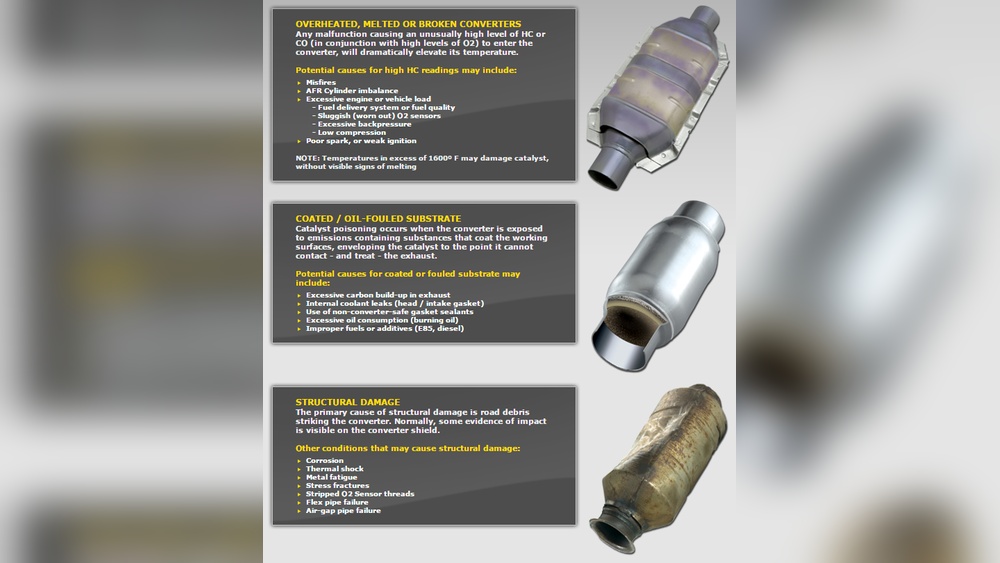
A bad catalytic converter often makes rattling sounds. This happens if the inside parts break loose. The noise is loud and clear when you start the car. It may get worse when you accelerate. Rattling means the converter needs a check soon.
Discoloration Or Damage
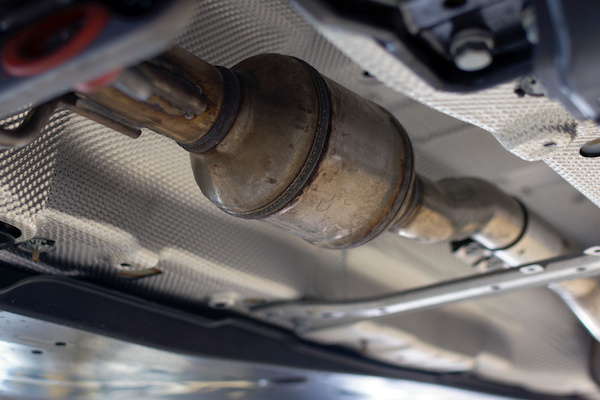
Look for dark or burnt spots on the converter’s surface. These spots show overheating or damage. Cracks or dents also mean trouble. Such damage can stop the converter from working well. A clean and smooth surface is a good sign.
Excessive Heat Near The Converter
If the area around the converter feels very hot, it may be failing. Too much heat means the converter is clogged. This can affect engine performance and fuel use. Be careful; high heat can cause other problems too.
Impact On Vehicle Emissions
The catalytic converter plays a key role in controlling vehicle emissions. It reduces harmful gases released into the air. A bad catalytic converter can cause serious emission problems. This affects the environment and your vehicle’s performance. Understanding the impact on vehicle emissions helps you spot issues early.
Failed Emissions Tests
A failing catalytic converter often causes vehicles to fail emissions tests. These tests check if your car releases too many harmful gases. A bad converter cannot clean exhaust gases effectively. This leads to high levels of pollutants like carbon monoxide and nitrogen oxides. Failing an emissions test may stop you from renewing your vehicle registration.
Increased Pollution Levels
When a catalytic converter is bad, pollution levels rise significantly. The device cannot convert toxic gases into less harmful substances. This means more dangerous chemicals escape into the air. Increased pollution harms the environment and public health. Cleaner air depends on a properly working catalytic converter.
Diagnostic Methods And Tools
Finding out if your catalytic converter is bad is important for your car’s health. Using the right tools and methods helps identify the problem quickly. This section explains two main ways to check your catalytic converter’s condition.
Obd-ii Scanner Usage
An OBD-II scanner reads error codes from your car’s computer. These codes show if the catalytic converter is not working well. Plug the scanner into the car’s port, usually under the dashboard. The scanner will display codes related to emissions and engine problems.
Common trouble codes for catalytic converters include P0420 and P0430. These codes mean the converter’s efficiency is below the limit. Using an OBD-II scanner is simple and gives quick results. It helps you know if the converter needs more testing or replacement.
Professional Inspection Techniques
Mechanics use special tools to check the catalytic converter’s condition. They may measure the exhaust temperature before and after the converter. A big difference in temperature shows it is working properly. Small differences suggest a bad converter.
Experts also inspect the converter for physical damage or clogging. They check the exhaust flow to find blockages. Sometimes, they perform an emissions test to confirm the problem. Professional inspections give a clear idea about the converter’s state.
Credit: www.youtube.com
Frequently Asked Questions
What Are Common Signs Of A Bad Catalytic Converter?
A bad catalytic converter can cause poor engine performance and low power. You might notice a rotten egg smell or dark exhaust smoke. These signs suggest the converter is clogged or damaged.
How Does A Bad Catalytic Converter Affect Car Performance?
A failing converter reduces fuel efficiency and engine power. The engine may run rough or hesitate during acceleration. This happens because exhaust gases can’t flow properly.
Can A Bad Catalytic Converter Cause A Check Engine Light?
Yes, a bad catalytic converter often triggers the check engine light. The car’s computer detects poor emissions and alerts the driver. Getting a diagnostic test helps confirm the issue.
How Long Does A Catalytic Converter Usually Last?
Most catalytic converters last about 70,000 to 100,000 miles. Driving habits and fuel quality affect its lifespan. Regular maintenance helps keep it working well for a long time.
Conclusion
A bad catalytic converter can cause many car problems. Strange noises, poor engine performance, and a check engine light are clear signs. Ignoring these signs may lead to costly repairs. Regular car check-ups help catch issues early. Fixing or replacing a bad catalytic converter keeps your car running smoothly.
It also helps reduce harmful emissions. Stay alert to your car’s signals and take action quickly. This keeps your vehicle safe and reliable on the road.