How to Check Engine Codes Without a Scanner Toyota: Easy DIY Guide
Is your Toyota acting up, and you want to know what’s wrong without spending money on a scanner? You’re in the right place.
Knowing how to check engine codes without a scanner can save you time, hassle, and even a trip to the mechanic. Imagine quickly finding out what’s causing that annoying check engine light right from your driveway. You’ll learn simple, step-by-step methods to read your Toyota’s engine codes using tools you probably already have.
Keep reading—you’re about to become your own car’s best friend.
Credit: us.gooloo.com
Locate The Check Engine Light
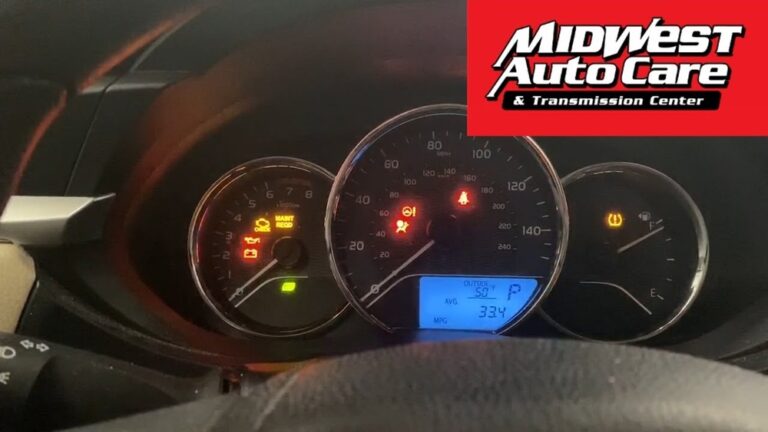
The Check Engine Light is usually on the dashboard. It looks like an engine icon or says “Check Engine. ” Finding it is the first step to read engine codes without a scanner.
The check engine light is the first clue to diagnosing your Toyota’s engine issues. This small icon appears on your dashboard and signals a problem.
Knowing where to find this light helps you act fast. It usually looks like an engine or says “Check Engine.”
It turns on after you start the car or when there is a fault detected by the car’s computer.
Dashboard Location
The check engine light is on the dashboard behind the steering wheel. It is grouped with other warning lights.
Look near the speedometer or fuel gauge. The light can be yellow, orange, or amber.
This placement makes it easy to see while driving. It stays off if the engine runs well.
When Does The Light Turn On?
The light comes on after you turn the ignition key to “on” before starting. It should turn off once the engine starts.
If the light stays on or flashes, it means the car’s computer found a problem. The problem could be minor or serious.
Pay attention to this light. Ignoring it can lead to bigger issues.
Understanding The Light’s Behavior
A steady light means a steady problem. A flashing light means a severe issue that needs urgent attention.
Do not panic if the light comes on briefly. But do not ignore it either.
Knowing how the light behaves helps you decide what to do next.
Prepare Your Toyota For Code Reading
Preparing your Toyota for code reading helps you get clear engine code signals. This step is important before checking codes without a scanner. Proper preparation ensures accurate and easy code reading.
Follow simple actions to set up your Toyota. These steps help avoid confusion during code retrieval. Take time to prepare well for better results.
Locate The Diagnostic Connector
First, find the diagnostic connector under the dashboard. It is usually near the steering column. This connector is where you access the engine codes. Knowing its location saves time during the process.
Turn Off The Engine
Make sure the engine is off before starting the code reading. This prevents wrong signals or damage. Wait a few seconds after turning off the engine for safety.
Disconnect The Battery
Disconnect the negative battery terminal to reset the engine control module. This step clears old codes and prepares the system to show current codes. Wait at least 10 minutes before reconnecting the battery.
Gather Necessary Tools
Have a jumper wire or paperclip ready. You will use it to connect terminals on the diagnostic connector. Use tools that are clean and in good condition. This helps avoid electrical shorts.
Check The Vehicle’s Manual
Read the owner’s manual for specific instructions. Toyota models may have slight differences in code reading steps. The manual often shows the exact connector pin layout. Follow the manual to avoid mistakes.
Read Engine Codes Manually
Reading engine codes manually helps you identify car issues without a scanner. Toyota vehicles have a built-in system that flashes codes through the check engine light. This method works well for older models using OBD-I systems. It requires patience but saves money on diagnostic tools.
Follow the steps carefully to read the codes and understand what they mean. This process shows you the error numbers, which point to specific problems in your engine.
Use The Obd-i Connector
Locate the OBD-I connector under the dashboard on the driver’s side. It looks like a small, rectangular plug with several wires. This connector links to the engine control unit. To start reading codes, you need to jump two specific terminals on the connector.
Use a paperclip or a thin wire to connect these terminals. This action triggers the check engine light to flash the error codes. Make sure the ignition is off before you connect the terminals. After connecting, turn the ignition key to the “ON” position without starting the engine.
Count The Blinking Codes
Watch the check engine light closely. It will blink in a pattern to show the trouble codes. Count the number of blinks to get the code digits. Each code has two parts separated by a short pause.
For example, three flashes, a pause, then four flashes means code 34. Write down all the codes you see. Repeat the process to ensure accuracy. These codes tell you what problems the engine computer found.
Interpret Common Toyota Codes
Some codes appear more often on Toyota vehicles. Code 12 means the system is working fine. Code 21 points to a problem with the coolant temperature sensor. Code 31 indicates an issue with the idle speed control.
Code 41 shows a problem with the oxygen sensor. Code 51 relates to the vehicle speed sensor. Knowing these common codes helps you decide the next step for repairs. Use a Toyota repair manual to get more details about each code.

Credit: www.endurancewarranty.com
Troubleshoot Based On Codes
Troubleshooting your Toyota based on engine codes helps you fix issues quickly. Engine codes point to the problem area in your car. Understanding these codes lets you decide on the next steps.
Even without a scanner, you can read the codes and learn what they mean. This knowledge saves time and money by tackling simple repairs yourself.
Identify Simple Fixes
Some engine codes show easy problems. For example, a loose gas cap can trigger a code. Tighten the cap and clear the code to fix it.
Other simple issues include dirty air filters or spark plugs. Clean or replace these parts if the code points to them. These fixes often stop the check engine light.
Look up the code online or in your Toyota manual. It shows what part needs attention. Small repairs like these don’t require special tools.
When To Seek Professional Help
Certain codes signal complex problems. Engine misfires, sensor failures, or transmission issues need expert care. Ignoring these may cause more damage.
Visit a Toyota mechanic if the code repeats after simple fixes. Professionals have tools and knowledge to diagnose deeper problems. They ensure your car runs safely and smoothly.
Trust experts for repairs involving engine or electrical systems. Avoid risking your safety or causing costly repairs later.

Credit: www.youtube.com
Frequently Asked Questions
How Can I Check Toyota Engine Codes Without A Scanner?
You can read engine codes by using the check engine light. Turn the ignition on and off three times, then watch the light blink to see the code.
What Does The Blinking Check Engine Light Mean On Toyota?
The blinking light shows trouble codes in a pattern. Count the blinks to find the specific code for your car’s issue.
Can I Reset Toyota Engine Codes Without A Scanner?
Yes, disconnecting the battery for about 15 minutes can reset engine codes. This clears the car’s memory but may erase other settings.
Are There Risks Checking Toyota Codes Without A Scanner?
Yes, misreading codes may lead to wrong fixes. Always follow instructions carefully or ask a professional if unsure.
Conclusion
Checking engine codes on a Toyota without a scanner is simple. Use the dashboard lights and key tricks to find codes. This method helps you spot problems early and saves money. Understanding these codes guides you on what to fix next.
Always keep your car’s manual close for code meanings. Regular checks keep your Toyota running smoothly. Try this easy way before visiting a mechanic. It’s a smart step for any Toyota owner.