What Years Did Subaru Have Head Gasket Problems 2026 Guide
Subaru head gasket failures primarily plagued vehicles built between 1999 and 2010 equipped with the naturally aspirated 2.5-liter EJ25 engine. These failures typically manifest as external oil leaks or internal coolant leaks due to a flawed factory gasket design.
If you are looking at used Subarus on the market in 2026, the short answer is that Subaru head gasket problems primarily affected models built between 1999 and 2010. Specifically, vehicles equipped with the 2.5-liter naturally aspirated EJ-series engines gained a notorious reputation for leaking oil and coolant.
Understanding which exact years and engines are vulnerable saves you from buying a costly mechanical headache. Whether you already own one of these classic wagons or you are inspecting a potential purchase, knowing the problem years lets you spot failing gaskets before catastrophic engine damage occurs.
Key Takeaways
- Models built between 1999 and 2010 with 2.5L engines are most at risk.
- The DOHC engines (1996-1999) commonly suffered internal coolant leaks.
- SOHC engines (1999-2010) frequently experienced external oil leaks.
- Upgrading to multi-layer steel (MLS) gaskets permanently resolves the issue.
- Always inspect service records for prior head gasket replacement when buying used.
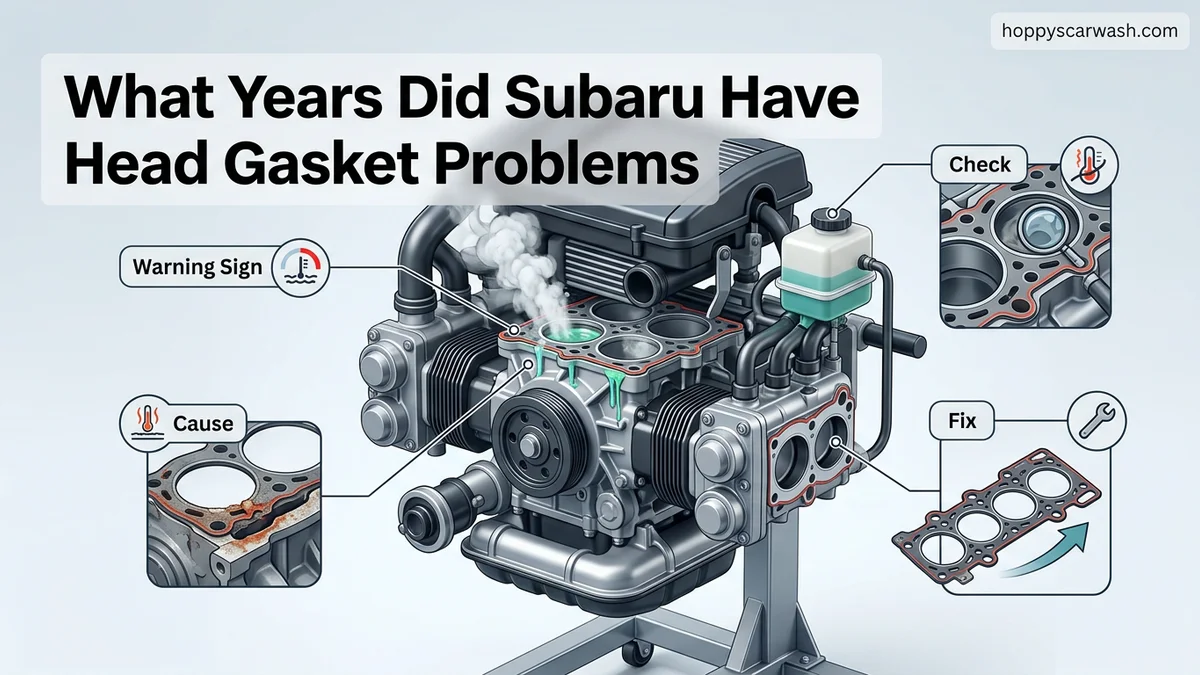
What Causes Subaru Head Gasket Problems and Affected Years
The Core Engine Culprits: EJ251, EJ252, and EJ253
The root cause of the infamous Subaru head gasket issue lies in the design of the 2.5-liter naturally aspirated (non-turbo) boxer engines. Specifically, engine codes EJ251, EJ252, and EJ253 utilized single-layer graphite head gaskets that simply could not withstand the constant thermal expansion and contraction of the horizontally opposed engine layout.
As the engine heats up and cools down, the aluminum block and cylinder heads expand at different rates than the steel fasteners. Over time, this cyclical shearing motion breaks down the factory gasket material. This design flaw makes certain model years far more prone to failure than others.
Chronological Breakdown of Affected Model Years
While head gaskets can fail on any high-mileage vehicle, certain Subaru production years have a statistically high failure rate. If you are shopping the used market in 2026, pay close attention to these specific windows:
- 1999–2002 Models: Impreza, Forester, and Outback models from this era frequently experience external oil leaks, weeping oil from the rear corners of the engine block.
- 2003–2004 Models: These transition years saw continued issues with the EJ253 engine, often shifting from simple oil leaks to more dangerous internal coolant leaks.
- 2005–2009 Models: Even into the late 2000s, naturally aspirated Foresters, Legacys, and Outbacks required updated multi-layer steel (MLS) gaskets to permanently fix the factory design flaw.
- 2010 Transition: The final year of the EJ25 engine in certain chassis before Subaru fully transitioned to the FB-series engine family, which largely resolved these legacy head gasket concerns.
How to Fix and Prevent Subaru Head Gasket Failures Step-by-Step
Diagnosing Internal Coolant Leaks Versus External Oil Leaks
Not all Subaru head gasket failures are created equal. Recognizing the type of leak you are dealing with determines how urgently you need to act:
- External Oil Leaks: You will smell burning oil after driving or spot puddles on your driveway. The gasket degrades around the perimeter, allowing oil to seep onto the hot exhaust headers. This is messy and annoying, but usually does not cause immediate engine failure if you monitor your oil levels closely.
- Internal Coolant Leaks: Combustion gases leak into the cooling system, or coolant enters the cylinders. Symptoms include persistent overheating, white smoke from the tailpipe, sweet-smelling exhaust, or bubbles in your coolant overflow tank. This requires immediate repair to avoid warped cylinder heads.
Permanent Resolution and Preventive Upgrades
If your Subaru experiences a head gasket failure, temporary fixes like stop-leak additives offer only short-term relief. A permanent solution requires a proper mechanical overhaul:
- Engine Removal: Because of the compact boxer engine design, mechanics typically pull the entire engine out of the bay to access the cylinder heads properly.
- Machine Shop Resurfacing: The aluminum cylinder heads must be checked for flatness and machined down if warping occurred due to overheating.
- Upgrade to Multi-Layer Steel (MLS): Insist on using updated Subaru turbo MLS gaskets (often the OEM turbo gasket part number) or aftermarket multi-layer steel gaskets. These modern designs solve the underlying material degradation issue permanently.
- Comprehensive Service: Since the engine is already out, replace the timing belt, water pump, tensioners, and spark plug tube seals at the same time to save on future labor costs.
What If It Still Leaks After Replacement or Repairs?
Completing a head gasket replacement on a Subaru is a major mechanical undertaking. Sometimes, leaks return due to installation errors or underlying engine damage. Mechanics must carefully machine the aluminum cylinder heads to prevent warping. Failure to use multi-layered steel (MLS) gaskets during the rebuild often leads to premature repeat failures. Even in 2026, proper torque sequences remain critical for these horizontally opposed boxer engines.
Advanced Troubleshooting Steps
- Perform a thorough pressure test on the cooling system to locate hidden micro-leaks in the block or newly installed gaskets.
- Check the engine oil for persistent coolant contamination, which indicates that the block mating surface may be warped beyond acceptable machining limits.
- Inspect the exhaust gases for hydrocarbons using a chemical block tester to rule out a cracked cylinder wall or a compromised combustion seal.
- Consult an independent Subaru specialist to evaluate whether the engine block requires decking or complete replacement.
If repairs fail, professional diagnostic intervention is mandatory. Expect professional machine shop evaluations and labor re-dos to cost anywhere from $1,500 to $3,500, depending on whether the short block requires replacement.
What If It Still Doesn’t Work?
When secondary leaks or persistent overheating continue despite a recent gasket repair, vehicle owners must take decisive fallback actions. Ignoring post-repair coolant loss usually leads to catastrophic engine failure. Here are the necessary steps to take when primary repairs fail:
- Verify repair warranty coverage with the original mechanic or dealership that performed the initial head gasket replacement.
- Transport the vehicle via flatbed tow truck to a certified Subaru master technician to avoid further thermal stress on the aluminum engine block.
- Request a comprehensive cylinder leakage test to isolate whether compression is escaping into the cooling jacket through the engine block itself.
- Evaluate the financial viability of installing a remanufactured short block versus continuing to repair a chronically compromised engine.
Professional diagnostic fees for second opinions typically range from $150 to $300. If a complete engine replacement becomes necessary, total costs generally span between $4,000 and $7,000 including labor.
Conclusion
Subaru head gasket failures primarily impacted naturally aspirated 2.5-liter engines manufactured between 1996 and 2010. While modern multi-layered steel gaskets and updated coolant formulations have largely resolved these chronic issues for newer models, vigilance remains essential when purchasing or maintaining older vehicles. According to verified research and expert automotive studies, proactive cooling system maintenance drastically extends engine longevity. Make your next step a comprehensive pre-purchase inspection by a certified technician if you are considering a legacy Subaru model.
❓ Frequently Asked Questions
What specific Subaru models had head gasket problems?
The issue heavily impacted the Subaru Outback, Forester, Impreza, and Legacy models produced during the late 1990s through the 2010 model year.
What is the difference between SOHC and DOHC gasket failures?
The older DOHC engines (1996-1999) usually suffered internal leaks leading to coolant contamination. The later SOHC engines (1999-2010) typically developed external oil leaks at the rear of the engine block.
Did Subaru fix the head gasket issue in newer models?
Yes, Subaru phased out the problematic EJ25 engines and introduced the FB25 engine series starting around 2011, which featured a completely redesigned block and updated head gasket configuration.
Can stop-leak products permanently fix a Subaru head gasket?
Chemical stop-leak additives are only temporary band-aids and can clog radiator passages, meaning a mechanical replacement with MLS gaskets is the only permanent solution.
How can I tell if a used Subaru had its head gaskets replaced?
Check service history records for receipts mentioning head gasket replacement or look for cleaner, non-leaking mating surfaces between the engine block and cylinder heads.
What are the early warning signs of head gasket failure?
Common symptoms include mysterious coolant loss, oil spots on the driveway, white smoke from the exhaust, or overheating during extended drives.