How to Tell If a Crankshaft Position Sensor is Bad: Quick Signs
Your car’s engine depends on many small parts working perfectly, and one of the most important is the crankshaft position sensor. If this sensor starts to fail, your vehicle might act strangely—like rough idling, stalling, or even not starting at all.
But how can you tell if the crankshaft position sensor is bad before it leaves you stranded? You’ll discover clear signs to watch for and simple steps to check your sensor. Keep reading to protect your car and avoid costly repairs down the road.
Common Symptoms Of A Failing Sensor
The crankshaft position sensor plays a key role in engine performance. It tells the engine control unit the exact position of the crankshaft. A failing sensor can cause various engine problems. Recognizing the symptoms early helps avoid serious damage and costly repairs.
Engine Stalling And Misfires
A bad crankshaft position sensor can cause the engine to stall suddenly. The engine may also misfire during driving. These problems happen because the sensor sends incorrect signals. The engine control unit then fails to time the fuel injection and spark correctly.
Difficulty Starting The Engine
Starting problems often point to a faulty sensor. The engine may crank but not start. This happens because the sensor cannot detect the crankshaft’s position. Without this data, the engine control unit cannot manage ignition and fuel delivery properly.
Check Engine Light Activation
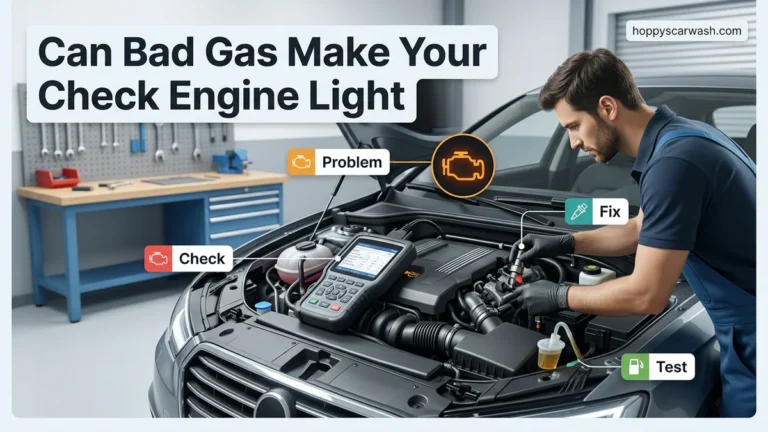
The check engine light often turns on if the sensor fails. The vehicle’s computer detects the problem and alerts the driver. A diagnostic scan tool can confirm if the sensor is the cause. Ignoring this warning may lead to bigger engine issues later.

Credit: atldiesel.com
Physical Inspection Tips
Physical inspection of the crankshaft position sensor helps find obvious problems. It can reveal damage or wear that affects sensor performance. This step is quick and does not require special tools. Checking the sensor’s condition and its connections can save time and money before testing with equipment.
Visual Damage And Wear
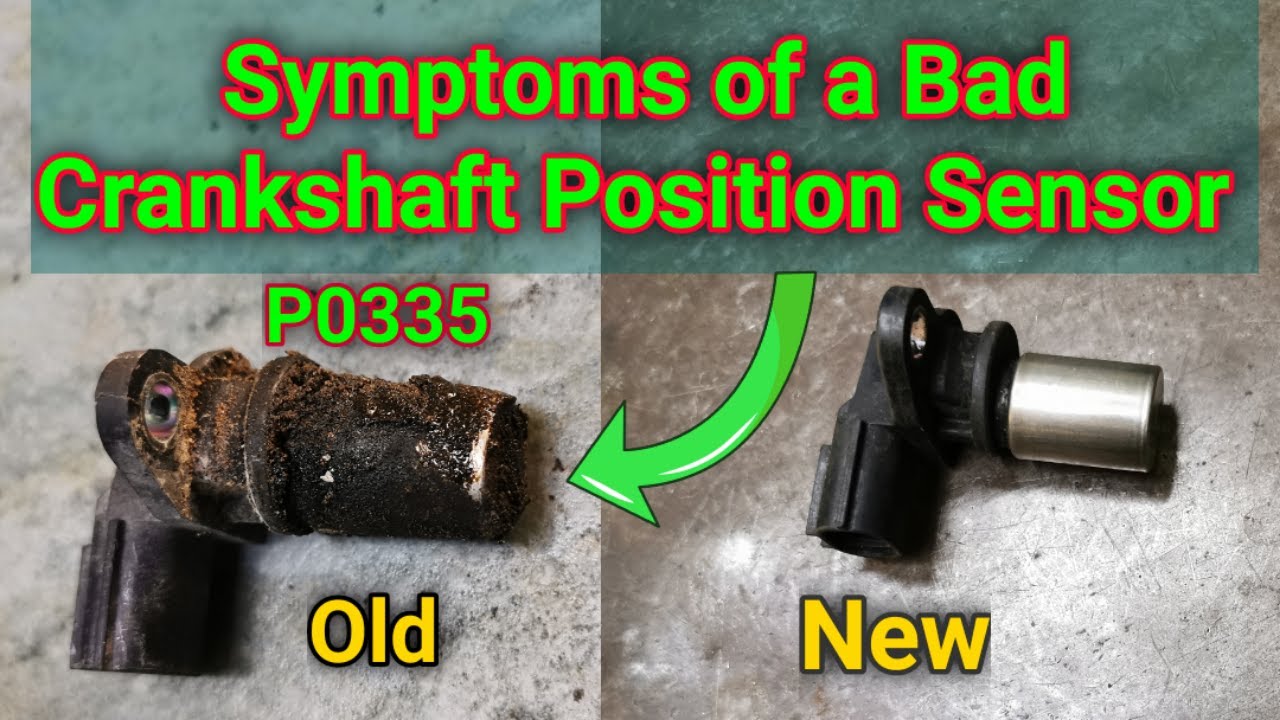
Start by cleaning the sensor to see it clearly. Look for cracks, breaks, or worn areas on the sensor body. Dirt and oil buildup can hide damage. Check for corrosion or rust on the sensor surface. Any physical damage often means the sensor needs replacement. Small cracks or chips can cause wrong signals. The sensor tip must be smooth and intact. Signs of heat damage like melting or discoloration also matter.
Connector And Wiring Issues
Inspect the sensor connector for loose or broken pins. Bent or corroded pins can stop proper electrical contact. The wiring harness should be free of cuts or frays. Worn insulation may cause short circuits. Check for dirt or grease inside the connector. Make sure the connector fits tightly and clicks in place. Look for any signs of water damage or corrosion. Damaged wiring or connectors often cause sensor failure or intermittent signals.
Testing The Sensor With Tools
Testing the crankshaft position sensor with tools helps find problems quickly. It saves time and guesswork. Two main tools work best: a multimeter and a scan tool. These tools check sensor signals and engine codes. They give clear signs if the sensor is faulty. You do not need to remove the sensor for some tests.
Using A Multimeter
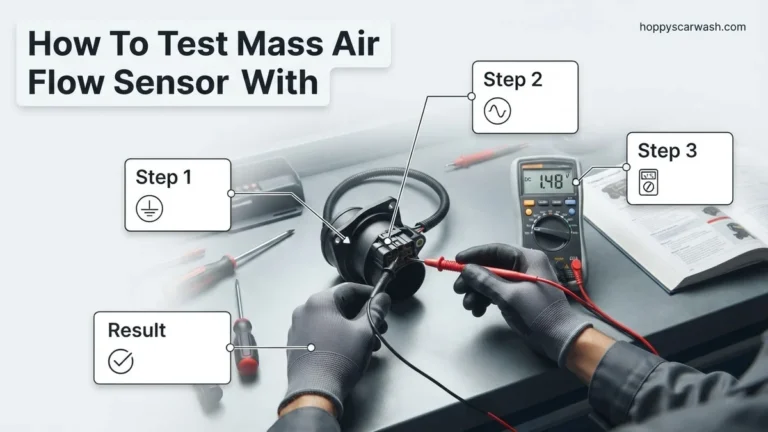
A multimeter measures electrical signals from the sensor. Set it to the ohms setting to check resistance. Connect the probes to the sensor terminals. A healthy sensor has specific resistance values. If the reading is too high or low, the sensor may be bad.
Next, switch the multimeter to the AC voltage mode. Crank the engine slowly or turn the sensor wheel. The sensor should generate a small voltage signal. No voltage or an unstable signal means trouble. This test shows if the sensor creates signals correctly.
Scanning For Error Codes
Use an OBD-II scan tool to read engine error codes. Plug the scanner into the car’s diagnostic port. Turn the ignition on without starting the engine. The scanner pulls codes stored by the engine control unit.
Look for codes related to the crankshaft sensor. Common codes include P0335 or P0336. These codes point to sensor failure or wiring issues. Clearing the codes and rechecking helps confirm the problem. A scan tool gives fast, accurate diagnosis.
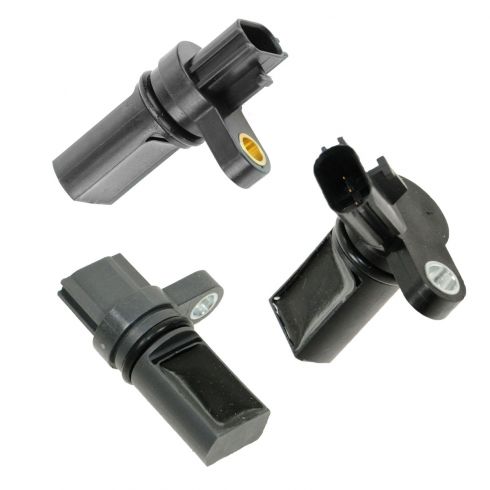
Credit: www.1aauto.com
When To Replace The Sensor
Knowing when to replace a crankshaft position sensor is key to keeping your car running smoothly. The sensor affects engine timing and performance. A failing sensor can cause rough idling, stalling, or trouble starting your vehicle. Replace the sensor as soon as you notice these signs or after a mechanic confirms the fault. Delaying replacement may lead to more serious engine problems.
Evaluating Repair Costs
Assess the cost of parts and labor before replacing the sensor. Sensor prices vary depending on the vehicle model. Labor costs depend on how easy the sensor is to access. Compare prices from different repair shops and online stores. Choose an option that fits your budget without sacrificing quality. Sometimes, paying a little more for a reliable part saves money in the long run.
Choosing The Right Replacement
Select a sensor that matches your vehicle’s make and model exactly. Original equipment manufacturer (OEM) parts offer the best fit and performance. Aftermarket parts can be cheaper but may vary in quality. Check reviews and ratings before buying. Proper installation is crucial. Follow the vehicle manual or get help from a professional mechanic to avoid errors.
Credit: www.youtube.com
Frequently Asked Questions
What Are Common Signs Of A Bad Crankshaft Position Sensor?
A bad sensor may cause engine misfires, stalling, or rough idling. The check engine light often turns on. You might also notice poor acceleration.
How Can I Test A Crankshaft Position Sensor At Home?
Use a multimeter to check sensor resistance and voltage signals. Compare readings with your car’s manual values. No special tools make testing easy for beginners.
Can A Bad Sensor Cause A Car Not To Start?
Yes, it can stop the engine from starting. The sensor helps the engine know when to fire. Without it, the engine may crank but not run.
How Much Does It Cost To Replace A Crankshaft Position Sensor?
Replacement costs typically range from $100 to $300. Labor and parts affect the price. Costs depend on your car model and repair shop rates.
Conclusion
A bad crankshaft position sensor can cause many engine problems. Signs like rough idling, stalling, or no start may point to it. Testing the sensor with a scanner or multimeter helps find issues. Replacing a faulty sensor improves engine performance and reliability.
Keep your car running smoothly by checking this part when problems arise. Taking action early prevents bigger, costly repairs later. Understanding these basics saves time and money on car care. Simple steps make a big difference in vehicle health.