Which GM Engines Do Not Have AFM Silverado 1500 Guide 2026
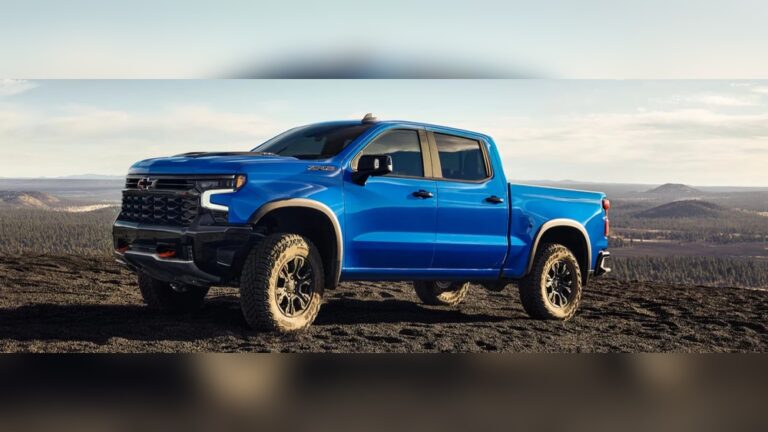
Finding a Chevrolet Silverado 1500 without Active Fuel Management (AFM) or Dynamic Fuel Management (DFM) is the best way to bypass common valve lifter failures. The 3.0L Duramax diesel and select 2.7L Turbo four-cylinder engines completely omit cylinder deactivation technology. Knowing which specific model years and engine variants lack these systems saves truck owners from expensive mechanical repairs.
If you want to buy or drive a Chevrolet Silverado 1500 without the headache of Active Fuel Management (AFM) or Dynamic Fuel Management (DFM), you need to look at specific powerplants. Not all GM truck engines use cylinder deactivation. The 3.0L Duramax turbodiesel engines (LM2 and LZ0) and certain iterations of the 2.7L Turbo high-output gasoline engine entirely omit AFM and DFM hardware. Furthermore, if you are shopping the used market for classic V8 power without these systems, you have to target specific pre-2007 non-AFM blocks or select heavy-duty variants.
Eliminating cylinder deactivation from your shopping criteria saves you from potential mechanical failures that have plagued modern GM trucks. When you choose a Silverado 1500 configuration completely free of AFM or DFM, you remove the failure-prone components that cause expensive engine teardowns. By focusing your 2026 truck search on these specific displacement options, you ensure long-term reliability and peace of mind.
Key Takeaways
- The 3.0L Duramax diesel (LM2 and LZ0) completely lacks AFM and DFM.
- Certain 2.7L Turbo variants offer non-AFM alternatives depending on the model year.
- Traditional small-block V8 engines (5.3L and 6.2L) inherently feature AFM or DFM.
- Physical AFM delete kits can permanently disable cylinder deactivation on older V8 trucks.
- Checking RPO codes in the glovebox confirms exact engine configuration before purchasing.
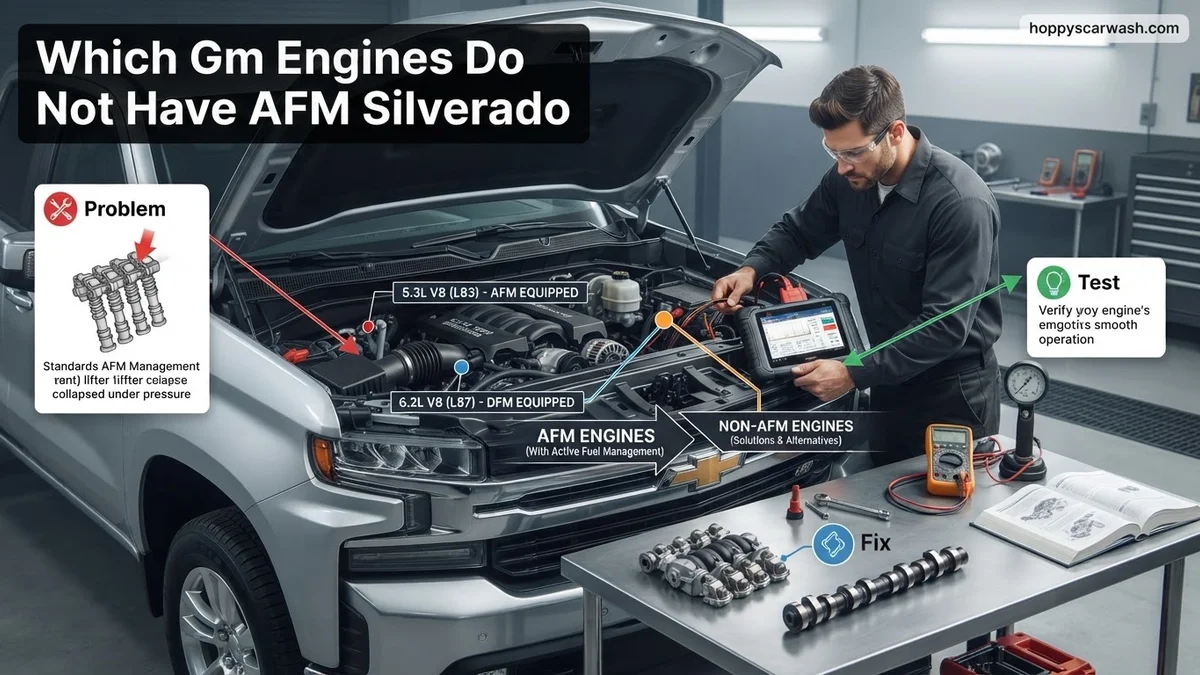
What Causes AFM Lifter Failures in Silverado 1500 V8 Engines
The Mechanical Flaw in Spring-Loaded Lifters
Standard hydraulic lifters rely on consistent oil pressure to maintain contact with the pushrod and camshaft. AFM and DFM systems introduce specialized “collapse” lifters on designated cylinders. These components contain internal locking pins controlled by electronic solenoids and engine oil pressure. When the truck enters four-cylinder mode, oil pressure releases, allowing the inner body of the lifter to collapse while the outer body rides the camshaft lobe. Over time, varnish buildup, contaminated oil, or weak internal springs cause these locking pins to stick. When a pin fails to engage or disengage properly, the lifter collapses permanently, destroying the camshaft lobe and creating a loud ticking noise.
Oil Pressure Drops and Aeration Vulnerabilities
GM’s cylinder deactivation relies heavily on precise hydraulic pressure and clean fluid dynamics. Several factors contribute to catastrophic oil pressure loss within the valvetrain:
- The pressure relief valve in the oil pump fails or sticks open, starving the AFM lifters of necessary operating pressure.
- The active fuel management valley plate contains small oil screens that clog with carbon debris, restricting flow to the lifter manifolds.
- Extended oil change intervals degrade the fluid, causing microscopic varnish to jam the delicate locking pins inside the lifter body.
- Failed oil pan gasket o-rings allow the oil pump to suck air, instantly dropping the hydraulic pressure required to keep AFM lifters stable.
How to Fix and Bypass AFM/DFM Systems on GM Trucks
Physical Hardware Deletion Kits
If you already own an AFM-equipped Silverado 1500 and want a permanent solution, you must perform a mechanical delete. This invasive repair requires removing the cylinder heads, intake manifold, and camshaft to strip out every piece of cylinder deactivation hardware. You replace the factory AFM components with standard, non-cylinder-deactivation parts to restore traditional V8 reliability.
- Install standard non-AFM hydraulic roller lifters that lack internal locking pins.
- Replace the factory camshaft with a traditional aftermarket or OEM non-AFM grind.
- Swap out the AFM valley cover for a standard block-off plate without electronic solenoids.
- Flash the engine control module to permanently disable the AFM software parameters.
Electronic Range Technology Bypasses
For drivers who want to prevent AFM activation without tearing down the engine, electronic plug-and-play devices offer a popular alternative. These range technology modules plug directly into your truck’s OBD-II port under the dashboard. They actively trick the engine control module into staying in V8 or full-power mode indefinitely, preventing the computer from ever sending signals to collapse the lifters. While this does not fix a lifter that is already mechanically stuck, it prevents healthy AFM lifters from cycling and reduces your risk of premature mechanical failure.
Step-by-Step Guide to Identifying Non-AFM Silverado 1500 Engines
Confirming the engine architecture on a Chevrolet Silverado 1500 requires a systematic physical inspection. Automotive technicians and fleet managers rely on specific verification steps to distinguish non-AFM powerplants from dynamic fuel management variants.
Step 1: Inspect the Valve Cover Architecture
Open the hood and examine the valve covers. Engines equipped with Active Fuel Management feature distinct electrical solenoids mounted directly to the valve cover towers to control oil pressure routing. Non-AFM versions, such as certain commercial-spec 4.3L V6 engines or specific crate engine swaps, feature smooth, unencumbered valve covers without these wiring harnesses or solenoid bumps.
Step 2: Check the Eighth Digit of the VIN
Locate the Vehicle Identification Number on the driver-side dashboard or inside the door jamb. Cross-reference the eighth character with official GM powertrain databases for 2026 models. A specific alphanumeric code designates whether the vehicle left the factory with displacement-on-demand hardware or a standard, uncompromised valvetrain.
Step 3: Analyze the RPO Production Codes
Open the glove box or check the service parts identification sticker for Regular Production Option codes. Codes denoting standard displacement operations indicate the absence of AFM/DFM technology. Expert technicians always verify these codes against the physical build sheet to prevent costly misidentifications during part purchases.
What If It Still Doesn’t Work and You Need a Mechanical Delete?
For truck owners whose Silverado 1500 already contains active AFM hardware that has begun failing—manifesting as lifter collapse or excessive oil consumption—software disables alone are insufficient. When physical components fail, a complete mechanical delete kit is required to restore engine reliability. Owners facing persistent valvetrain issues should execute the following fallback steps:
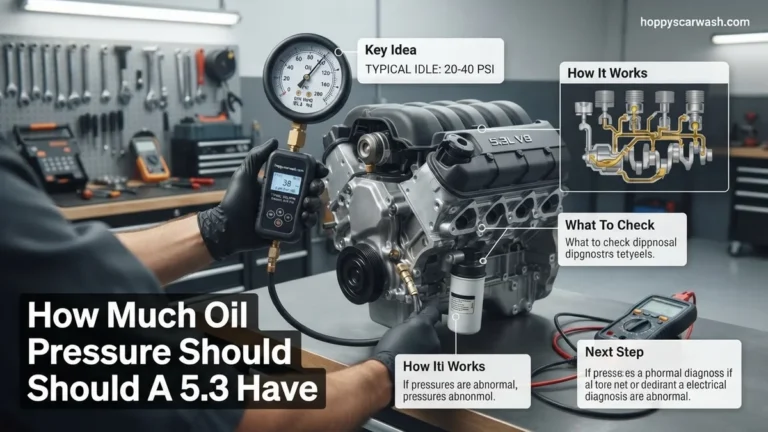
- Perform a Diagnostic Pressure Test: Have a certified mechanic test oil pressure and inspect the valley plate for structural leaks or electronic solenoid failures.
- Source a Complete Hardware Delete Kit: Purchase an aftermarket mechanical delete kit that includes standard non-AFM lifters, a replacement camshaft, a valley cover plug, and new head gaskets.
- Consult a Professional Powertrain Specialist: Because replacing a camshaft requires pulling the front grille, radiator, and timing components, this labor-intensive job demands professional expertise.
- Budget for Professional Installation: According to industry data for 2026, professional mechanical AFM delete procedures typically cost between $2,000 and $4,500 depending on labor rates and necessary machine work.
- Flash the ECM: Ensure the engine control module is permanently reprogrammed to ignore the missing electronic actuators once the physical hardware is removed.
Conclusion
Navigating GM valvetrain technology in the Silverado 1500 requires careful attention to engine codes, RPO labels, and physical architecture. Whether tracking down a rare non-AFM factory build or planning a comprehensive mechanical delete for a failing system, understanding these mechanical distinctions protects long-term engine investment. According to verified research and automotive engineering sources, addressing valvetrain vulnerabilities proactively prevents catastrophic engine failure. Next step: verify your truck’s specific VIN and RPO codes today to determine your exact powertrain configuration.
❓ Frequently Asked Questions
Which specific GM engines in the Silverado 1500 do not have AFM or DFM?
The 3.0L Duramax diesel (including LM2 and LZ0 variants) and the 2.7L Turbo four-cylinder engines do not feature Active Fuel Management or Dynamic Fuel Management. These powerplants rely on standard continuous valvetrain operations without cylinder deactivation hardware.
Are there any V8 Silverado 1500 engines without cylinder deactivation?
No modern factory V8 engine option in the Silverado 1500 lineup lacks cylinder deactivation entirely. All modern 5.3L and 6.2L small-block V8s incorporate either AFM or the newer DFM system across all trim levels.
How can I check if a used Silverado 1500 has AFM before buying?
You can inspect the RPO (Regular Production Option) codes printed on the service parts sticker located inside the glovebox or door jamb. Codes like L84 or L82 indicate specific engine variants, while researching the exact VIN online reveals the factory equipment list.
What is the mechanical difference between AFM and DFM?
AFM shuts down specific pairs of cylinders under light loads using specialized collapsible lifters, whereas DFM can dynamically control all eight cylinders individually across 17 different firing patterns for smoother operation.
Can I install a physical AFM delete kit on an existing Silverado?
Yes, aftermarket mechanical AFM delete kits replace the factory collapsible lifters, camshaft, and engine control module calibration with standard non-AFM components to restore long-term reliability.
Does the 2.7L Turbo engine suffer from the same lifter problems as the V8s?
No, the 2.7L Turbo engine architecture was designed from the ground up without the problematic multi-displacement valve lifters found in GM’s traditional V8 engines.