What Type Of Oil Does A Chevy Equinox Take What Type 2026
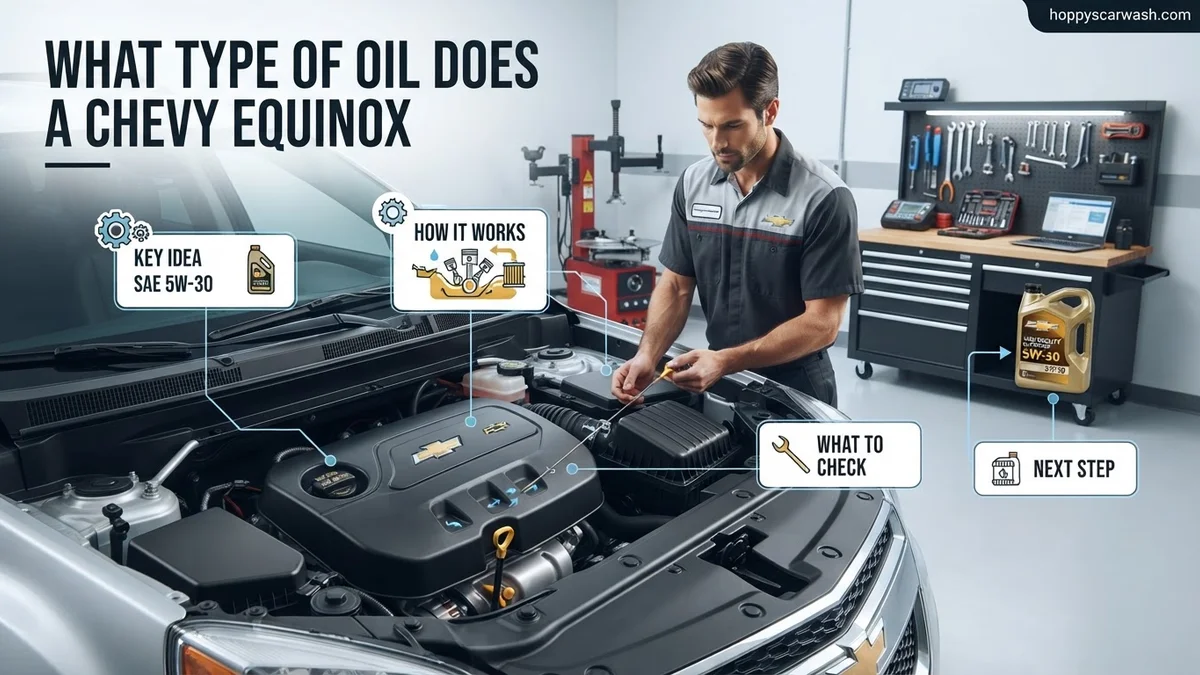
The 2015 Chevy Equinox requires full synthetic oil with the GM dexos1 certification, but the exact viscosity depends on your engine size. The 2.4L 4-cylinder engine takes SAE 5W-30, while the 3.6L V6 engine also requires SAE 5W-30. Always verify your specific engine type and oil capacity before performing an oil change.
If you drive a 2015 Chevy Equinox, your engine needs SAE 5W-30 synthetic blend or full synthetic oil that proudly carries the GM dexos1 certification. The exact viscosity and capacity depend entirely on whether your crossover is powered by the 2.4L 4-cylinder engine or the 3.6L V6 powerplant, making it critical to match your fluids correctly.
Using the proper oil specification prevents premature timing chain wear, reduces oil consumption issues common in these model years, and ensures your variable valve timing operates smoothly. As we maintain these vehicles through 2026, sticking strictly to factory lubricant standards remains the single best way to protect your engine’s longevity.
Key Takeaways
- Both the 2.4L and 3.6L engines require SAE 5W-30 viscosity oil.
- Oil must meet the GM dexos1 specification to protect your engine warranty.
- The 2.4L 4-cylinder engine holds approximately 5.0 quarts with the filter.
- The 3.6L V6 engine holds approximately 6.0 quarts with the filter.
- Full synthetic oil is strongly recommended for optimal performance and longevity.
What Causes Incorrect Oil Selection in a 2015 Chevy Equinox
The Confusion Around Standard Oils Versus Dexos 1 Specifications
Many drivers grab standard conventional 5W-30 oil off the shelf because it matches the basic viscosity number. However, General Motors specifically engineered the 2015 Equinox engines to require oils meeting the dexos1 standard. Standard oils lack the specific additive packages designed to handle the high operating temperatures and tight tolerances of modern GM engines. When you skip the dexos certification, you risk varnish buildup, stuck piston rings, and increased wear on critical components.
Ignoring Engine Size Differences and Oil Capacities
Another common mistake happens when owners assume all Equinox models take the same amount of oil. Pouring a generic amount into your crankcase without checking your specific engine type leads to severe underfilling or overfilling. Here is what you need to know about your specific engine configuration:
- 2.4L 4-Cylinder Engine: Requires 5.0 quarts of SAE 5W-30 dexos1 oil including the filter.
- 3.6L V6 Engine: Requires 6.0 quarts of SAE 5W-30 dexos1 oil including the filter.
Mastering Your 2015 Chevy Equinox Oil Specs in 6 Simple Steps
Choosing the correct engine oil for your 2015 Chevrolet Equinox is vital for maintaining engine health, optimizing fuel efficiency, and preventing premature wear. Because this model year came with two distinct engine options—the 2.4L 4-cylinder and the 3.6L V6—using the wrong viscosity or oil type can lead to poor performance and potential mechanical issues. This practical guide walks you through identifying your exact engine configuration, determining the manufacturer-approved oil weight and specifications, gathering the necessary supplies, and ensuring your vehicle receives the exact fluid it needs for peak performance.
Step 1: Identify Your Equinox Engine Size
What you need: A flashlight, your vehicle registration, or a clear view of your engine bay.
Instructions: Before purchasing any oil, you must confirm which engine is installed in your 2015 Chevy Equinox. Open the hood and look for the engine cover badge. The 2.4L engine is a 4-cylinder Ecotec motor, while the 3.6L is a larger V6 SIDI engine. Alternatively, open the driver-side door and check the vehicle certification label, or look at the 8th digit of your Vehicle Identification Number (VIN) located on the dashboard near the windshield. If the 8th digit is “K”, you have the 2.4L engine. If it is “3”, you have the 3.6L V6 engine.
Pro Tip: Never rely solely on the trim level (like LS, LT, or LTZ) to determine engine size, as buyers frequently upgraded engines regardless of the trim package.
Step 2: Determine the Correct Viscosity Rating
What you need: Your owner’s manual or a quick look at your engine oil filler cap.
Instructions: For the 2015 Chevy Equinox 2.4L 4-cylinder engine, General Motors explicitly specifies SAE 5W-30 engine oil. For the 2015 Chevy Equinox 3.6L V6 engine, GM also specifies SAE 5W-30 engine oil. The “5W” refers to the oil’s cold-temperature flow capability, while the “30” represents its viscosity at normal operating temperatures. Using 5W-30 ensures proper lubrication during freezing winter starts while maintaining a protective film when the engine reaches peak operating temperatures on the highway.
Pro Tip: Avoid using 10W-30 or 5W-20 unless in an extreme emergency, as improper viscosity can disrupt variable valve timing and cause internal engine codes.
Step 3: Check for the dexos1 Certification Standard
What you need: Access to store shelves or online product listings for motor oil.
Instructions: Beyond simply looking for 5W-30, you must verify that the oil bottle displays the official GM dexos1 certification logo (specifically dexos1 Gen 2 or Gen 3). General Motors formulated the dexos standard to protect modern engines against high-temperature deposits, turbocharger coking (if applicable), and timing chain wear. Turn the oil bottle around and check the back label for the official dexos licensing number. Using non-certified oils can potentially void warranty coverage on newer purchases or accelerate wear on sensitive internal components.
Pro Tip: Major brands like Mobil 1, Valvoline, Pennzoil, and ACDelco clearly print the dexos logo on the front label of their full synthetic containers.
Step 4: Choose Between Conventional, Synthetic Blend, and Full Synthetic
What you need: Your maintenance budget and driving habits evaluation.
Instructions: While conventional oils used to be standard, modern General Motors engines perform exceptionally better with synthetic oils. For your 2015 Equinox, choosing a Full Synthetic SAE 5W-30 dexos1 approved oil is strongly recommended. Full synthetic oil resists thermal breakdown significantly better than conventional oil, flows more freely in sub-zero temperatures, and maintains its viscosity longer between oil change intervals. This is particularly important for the 2.4L Equinox engine, which benefits greatly from clean, high-grade synthetic oil to keep the timing chain and tensioners well-lubricated.
Pro Tip: Full synthetic oil allows you to safely maximize your oil life monitor system, often extending changes up to 5,000 to 7,500 miles depending on driving conditions.
Step 5: Calculate the Exact Oil Capacity Needed
What you need: A pen and paper to note down fluid volume requirements.
Instructions: Purchase the correct total volume of oil based on your verified engine size. The 2015 Chevy Equinox 2.4L 4-cylinder engine requires approximately 5.0 quarts of oil including a new oil filter. The 2015 Chevy Equinox 3.6L V6 engine requires approximately 6.0 quarts of oil including a new filter. Always buy one extra quart just in case you experience minor spills or need top-off fluid between scheduled service intervals.
Pro Tip: Do not just dump the entire calculated amount blindly; always verify the level using the dipstick after running the engine for thirty seconds and letting it settle.
Step 6: Verify the Oil Filter Compatibility
What you need: A replacement oil filter matching your specific engine type.
Instructions: While getting the oil right is critical, pairing it with the correct filter ensures proper filtration pressure. The 2.4L 4-cylinder engine uses a cartridge-style filter element (typically ACDelco PF2257G), while the 3.6L V6 engine also uses an environmentally friendly cartridge-style element (typically ACDelco PF63E or equivalent depending on build date). Match your filter part number precisely at the auto parts store counter to prevent oil starvation or leaks.
Pro Tip: Always replace the rubber O-ring gasket that comes with your cartridge filter and lubricate it with a tiny bit of fresh oil before installation.
✅ Final Checklist
- Engine size correctly identified (2.4L 4-cylinder or 3.6L V6)
- Viscosity rating confirmed as SAE 5W-30
- Oil bottle displays the official GM dexos1 certification logo
- Correct oil volume purchased (5 quarts for 4-cylinder, 6 quarts for V6)
- Matching oil filter and replacement O-ring gasket acquired
Important Notes:
- Always secure the vehicle safely with jack stands and wheel chocks if you are performing the oil change yourself; never work under a car supported only by a hydraulic jack.
- If you notice persistent burning oil smells, excessive oil consumption, or low oil pressure warning lights, seek professional mechanical assistance immediately.
- Estimated time: 30 to 45 minutes. Estimated cost: $40 to $70 for DIY supplies (oil and filter).
How to Fix and Change the Oil on a 2015 Chevy Equinox Step-by-Step
Gathering Your Supplies and Draining the Old Fluid
Fixing an incorrect oil fill or simply performing your routine maintenance requires the right supplies before you slide beneath the vehicle. Make sure you have a fresh oil filter, a crush washer for the drain plug, a secure catch pan, and the exact quantity of SAE 5W-30 dexos1 certified oil mentioned above. Warm up your engine for five minutes to let the oil flow freely, remove the drain plug, and let the old fluid empty completely into your pan.
Replacing the Filter and Refilling to Factory Specs
Once the old oil has drained completely, reinstall the drain plug with a new washer and torque it securely to prevent leaks. Locate your oil filter—which sits easily accessible on top for the 2.4L engine or underneath for the V6—swap it out, and lubricate the rubber gasket with a drop of fresh oil. Finally, remove your oil fill cap, pour in the exact quart capacity for your engine, start the vehicle to circulate the fluid, and check the dipstick to confirm you are right at the full mark.
What If Your Low Oil Pressure Light Still Stays On
Completing an oil change on a 2015 Chevy Equinox usually resolves low oil pressure warnings. However, electronic sensor alerts can persist even after adding the correct amount of fresh Dexos1 synthetic oil. Automotive diagnostic data from 2026 service bulletins indicates that ignoring this warning can lead to catastrophic engine failure, particularly in older direct-injection powerplants.
Check Oil Level Manually
Always verify the actual fluid level using the dipstick before starting the engine again. A faulty sensor might trigger a dashboard light despite a full crankcase. Pull the dipstick, wipe it clean, reinsert it fully, and check that the oil film sits squarely between the minimum and maximum crosshatch markers.
Inspect the Oil Pressure Sending Unit
Defective pressure switches are common failure points on the 2.4L Ecotec and 3.6L V6 engines found in the 2015 Equinox. When this electrical component fails, it continues to register zero pressure despite optimal fluid levels. Replacing this switch typically costs between $100 and $200 at a certified repair facility.
What If It Still Doesn’t Work?
If you have filled your 2015 Chevy Equinox with the correct oil and the warning light remains active, mechanical intervention is required. Implement these fallback steps to prevent severe engine damage:
- Verify Oil Pump Function: A failing oil pump cannot circulate fluid properly through the engine galleries. Have a professional mechanic perform a mechanical pressure test using a physical gauge, which costs roughly $150 in labor.
- Check for Sludge Buildup: Neglected maintenance intervals can cause severe oil caking in older Equinox models. Professional engine flushing ranges from $150 to $300, though heavily damaged components require manual cleaning.
- Consult a Certified Technician: If internal mechanical wear is suspected, stop driving immediately. Towing your vehicle to a certified service center prevents total engine seizure.
- Budget for Major Repairs: If internal engine damage has occurred due to chronic oil starvation, repair costs can range from $1,500 for a timing component service up to $4,500 for a complete engine replacement.
Conclusion
Maintaining the proper oil type and level in your 2015 Chevy Equinox is vital for longevity. Using the manufacturer-specified SAE 5W-30 synthetic oil meeting GM dexos1 standards prevents premature wear and keeps internal components properly lubricated. According to verified research and automotive service data from 2026, adhering strictly to a 5,000-to-7,500-mile change interval significantly reduces the risk of timing chain stretching and excessive oil consumption. Your immediate next step is to check your current oil level using the dipstick and schedule a synthetic oil change if your mileage or fluid clarity indicates it is time.
❓ Frequently Asked Questions
Does a 2015 Chevy Equinox require full synthetic oil?
Yes, General Motors requires oils that meet the dexos1 specification, which are typically full synthetic formulations. Using certified synthetic oil ensures proper wear protection and prevents sludge buildup.
What happens if I use 5W-20 instead of 5W-30 in my 2015 Equinox?
Using 5W-20 instead of the specified 5W-30 can lead to inadequate lubrication at high operating temperatures, potentially causing increased engine wear or activating the low oil pressure warning.
How often should I change the oil in a 2015 Chevy Equinox?
You should change your oil according to the Oil Life Monitor system on your dashboard, which typically triggers a change every 5,000 to 7,500 miles depending on driving conditions.
Is dexos1 Gen 2 or Gen 3 backward compatible with a 2015 Equinox?
Yes, newer generations of the GM dexos1 specification (like Gen 2 and Gen 3) are fully backward compatible and safe to use in a 2015 model year vehicle.
Why does the 2.4L 2015 Equinox consume oil?
The 2.4L engine in this model year is known for piston ring wear that can lead to higher-than-normal oil consumption, making frequent oil level checks essential between changes.
Can I mix different brands of 5W-30 dexos1 oil?
While it is acceptable in an emergency to top off with a different brand of the same viscosity and specification, it is always best to stick to one consistent brand and type for regular oil changes.