Is It Bad to Drive Without Power Steering Fluid 2026 Guide
Yes, it is extremely dangerous and bad to drive without power steering fluid. Doing so makes your steering wheel aggressively heavy, especially at low speeds, and can instantly destroy your power steering pump through overheating and friction.
Driving your car without power steering fluid is definitively bad, and doing so will quickly cause severe, permanent damage to your vehicle. When your power steering reservoir runs dry, you are not just dealing with an uncomfortable workout behind the wheel; you are forcing metal components to grind against each other without lubrication. As vehicle systems evolve into 2026, manufacturers continue to warn drivers that operating a hydraulic steering system without fluid destroys internal components within minutes.
This situation transforms a manageable maintenance issue into an expensive emergency repair. Beyond destroying your vehicle’s hardware, losing power steering drastically reduces your ability to react to sudden road hazards, making every mile you drive a significant safety risk for you and everyone else on the road.
Key Takeaways
- Driving without power steering fluid causes permanent damage to the power steering pump.
- Steering becomes heavily restricted, creating severe safety hazards during sudden evasive maneuvers.
- A whining noise when turning usually indicates dangerously low fluid levels.
- Short distances to a mechanic can still result in costly rack and pinion damage.
- Towing your vehicle is the safest option when the fluid reservoir is completely empty.
What Causes Power Steering Fluid Loss and System Failure
Identifying Sudden Leaks vs. Gradual Seeps
Power steering fluid does not simply evaporate over time like gasoline. If your reservoir is empty, you have a leak. Sudden leaks usually happen when a high-pressure hose bursts or a steering rack seal blows out entirely, dumping fluid onto the pavement in seconds. Gradual seeps occur when aging rubber hoses crack, O-rings dry out, or worm-gear clamps loosen over years of driving. In 2026 vehicles, rubber degradation remains the leading culprit for slow fluid loss.
- Damaged or cracked high-pressure rubber hoses
- Worn-out seals inside the steering rack and pinion
- Loose or corroded hose clamps
- Physical damage to the metal steering lines from road debris
The Direct Impact on the Power Steering Pump
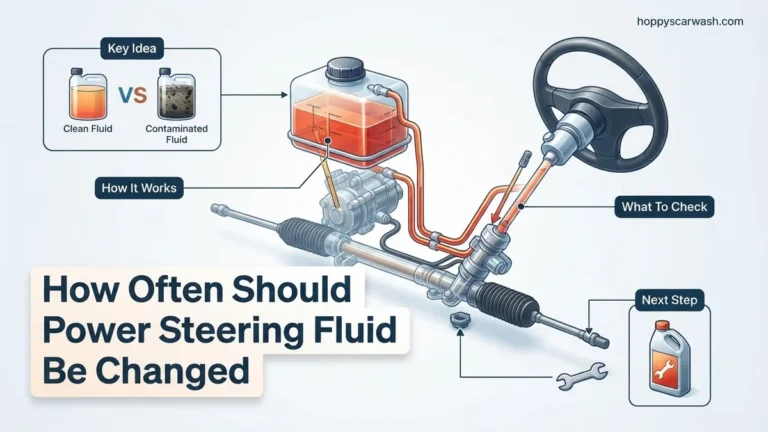
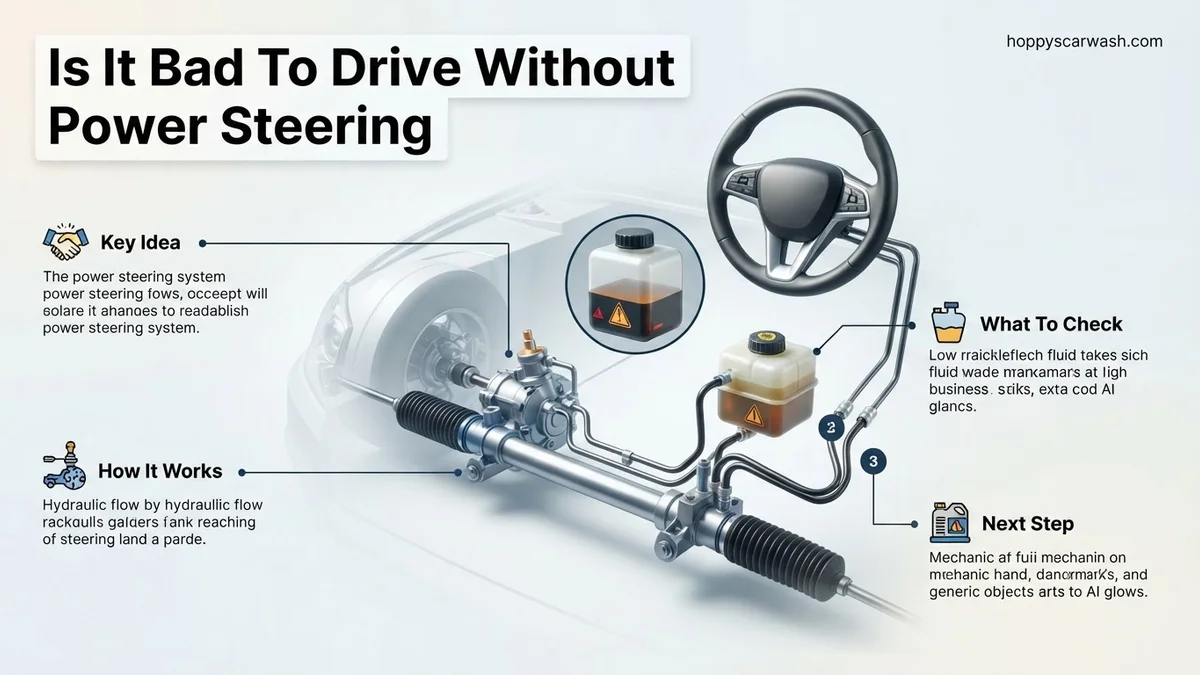
The power steering pump relies entirely on the fluid to act as both a hydraulic force multiplier and a lubricant. Without fluid, the internal vanes and bearings experience extreme friction and heat. Within a very short window of driving, the pump will begin to whine loudly, metal shavings will contaminate the entire system, and the pump will completely seize up, snapping your serpentine belt in worst-case scenarios.
How to Fix Low Power Steering Fluid and Refill the Reservoir
Checking Your Fluid Levels Safely
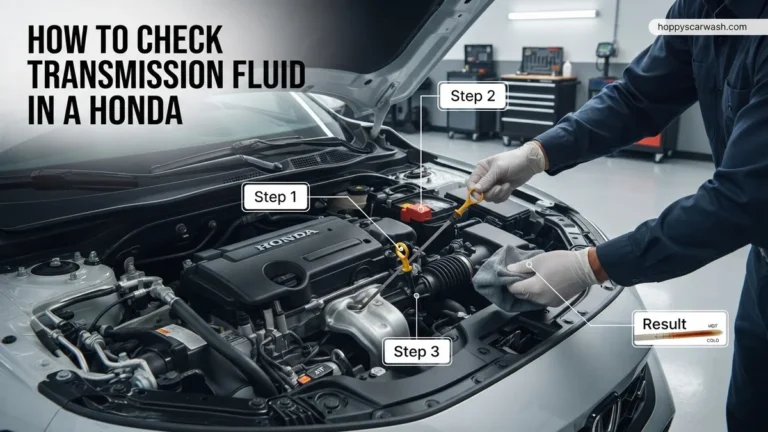
Before adding fluid, you need to diagnose the severity of the loss. Park your car on a flat surface, turn off the engine, and locate the power steering fluid reservoir under the hood. The cap usually features a steering wheel icon or a dipstick attached to the bottom. Wipe the dipstick clean, reinsert it, and check the level against the hot and cold markers.
- Locate the semi-translucent plastic reservoir with a labeled cap
- Wipe the area clean before opening to prevent dirt from entering
- Check fluid color: healthy fluid is pink or red; burnt fluid is dark brown or black
- Look for metal flakes in the remaining fluid, which indicate internal pump destruction
Refilling and Temporary Leak Management
If the reservoir is completely empty, filling it is a straightforward process, but remember this is only a temporary fix if you have a leak. Always use the exact fluid type specified in your owner’s manual—mixing ATF (Automatic Transmission Fluid) with specialized power steering fluid can swell internal seals.
- Pour the correct fluid slowly into the reservoir up to the full line
- With the front wheels off the ground or the car running, turn the steering wheel lock-to-lock several times to bleed trapped air
- Monitor the fluid level and top off as air bubbles escape the system
- Drive directly to a mechanic if the fluid drains out again within a few hours
What If It Still Doesn’t Work After Adding Fluid
Sometimes replenishing the reservoir does not restore smooth steering function. Drivers might still experience heavy resistance or whining noises despite proper fluid levels. Several underlying mechanical issues could cause these persistent symptoms in 2026 vehicles.
Trapped Air in the System
Air bubbles often enter the hydraulic lines during a leak or a low-fluid event. This trapped air prevents proper hydraulic pressure buildup. Drivers must bleed the system by turning the steering wheel from lock to lock multiple times while the engine idles. This process forces trapped air bubbles back up into the reservoir.
Pump and Rack Failures
Running a system dry causes permanent internal damage to the pump. The metal components grind together without lubrication, creating microscopic debris that clogs the entire circuit. Furthermore, the steering rack seals may have ruptured beyond simple fluid loss. When these components fail, fluid replacement alone will not restore functionality.
- Check for persistent leaks: Inspect the driveway or engine bay for fresh puddles to confirm the new fluid is not immediately escaping.
- Perform the bleed procedure: Lift the front wheels off the ground and cycle the steering wheel slowly from full left to full right at least twenty times.
- Inspect the drive belt: Verify that the serpentine belt driving the power steering pump is tight, unfrayed, and rotating properly.
- Consult a certified technician: If heavy steering continues, schedule a diagnostic appointment to test pump pressure and inspect the steering rack. Professional repair costs for a new pump or rack typically range from $500 to $1,200 depending on the vehicle make and model.
Conclusion
Operating a vehicle without power steering fluid severely damages critical steering components and creates dangerous driving conditions. Addressing low fluid levels immediately prevents costly pump failures and steering rack replacements. According to verified research and automotive safety experts, maintaining proper hydraulic fluid levels ensures optimal vehicle control and prevents sudden loss of steering response on the road. As an actionable next step, check your power steering reservoir today and inspect the surrounding hoses for any signs of cracking or weeping.
❓ Frequently Asked Questions
What immediate damage occurs when driving without power steering fluid?
The power steering pump relies on hydraulic fluid for both lubrication and cooling. Without it, the internal components overheat and seize within minutes, destroying the pump completely.
How can I tell if my power steering fluid is dangerously low?
Signs include a stiff or unresponsive steering wheel, a loud whining noise when turning, and visible fluid puddles underneath the front of your car.
Can I use automatic transmission fluid (ATF) if I have no power steering fluid?
Many vehicles allow ATF as a temporary emergency substitute, but you should check your owner’s manual to confirm compatibility before pouring it in.
How much does it cost to replace a power steering pump ruined by low fluid?
Depending on the make and model of your vehicle, replacing a burned-out power steering pump typically costs between $400 and $900 including parts and labor.
What causes power steering fluid to disappear rapidly?
Rapid fluid loss is almost always caused by a ruptured pressure hose, a damaged steering rack seal, or a cracked power steering fluid reservoir.
Is steering a car without power steering the same as manual steering?
No. True manual steering systems are engineered differently to make turning manageable, whereas a failed power steering system traps fluid and fights your steering inputs.