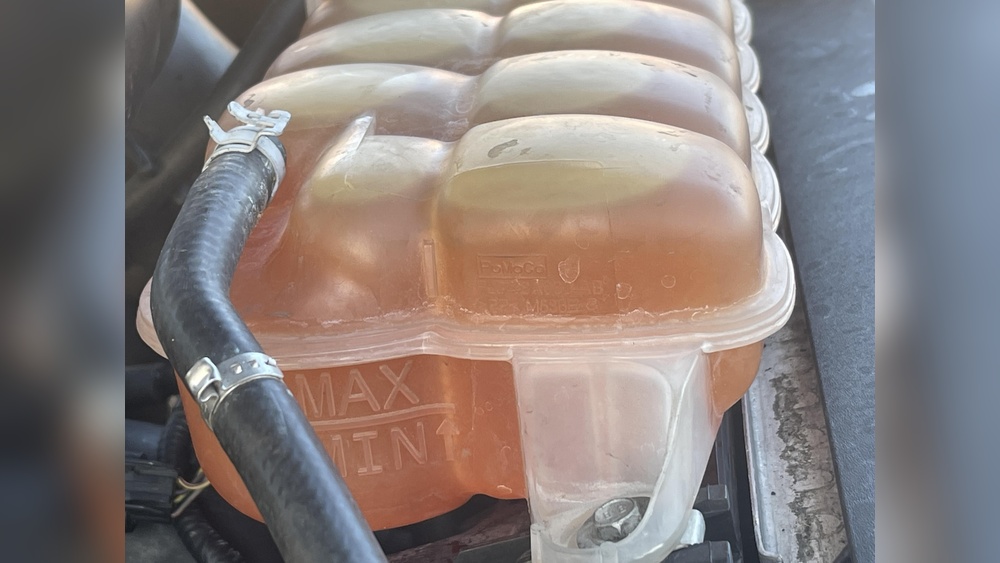
What Happens If You Overfill the Coolant Reservoir: Risks Revealed
Have you ever wondered what really happens if you overfill your car’s coolant reservoir? It might seem like a small mistake, but the effects could surprise you.
Overfilling isn’t just about a little extra fluid—it can cause serious problems for your engine and your wallet. If you want to keep your vehicle running smoothly and avoid costly repairs, it’s important to understand the risks and how to fix them.
Keep reading to find out exactly what overfilling the coolant reservoir means for your car and what you should do if it happens to you.

Credit: www.youtube.com
Signs Of An Overfilled Coolant Reservoir
Overfilling the coolant reservoir can cause problems in your car’s cooling system. It is important to spot the signs early. These signs help prevent bigger engine issues.
Check the coolant reservoir and engine area for clues. Watch for any unusual changes that suggest too much coolant inside.
Visible Overflow And Leaks
Coolant may spill out from the reservoir cap or overflow tube. This happens because excess fluid has no space. You might see wet spots or puddles under your car. The coolant often looks bright green, orange, or pink. Leaks can damage engine parts or cause rust.
Pressure Build-up Indicators
Too much coolant increases pressure inside the system. This can cause the radiator cap to release steam or fluid. The engine might feel hotter than usual. You may hear hissing sounds from the engine area. Pressure can also damage hoses or the reservoir itself.
Credit: www.youtube.com
Potential Engine Damage
Overfilling the coolant reservoir can cause serious problems for your engine. The extra fluid puts pressure on the cooling system. This pressure can lead to damage inside the engine. Understanding the risks helps you avoid costly repairs and keeps your car running smoothly.
Too much coolant affects how well your engine stays cool. It can also harm seals and hoses that keep the system tight and leak-free. These issues can cause your engine to overheat or leak coolant. Both problems reduce your engine’s performance and lifespan.
Overheating Risks
Overfilling reduces the space meant for coolant to expand. The pressure inside the system rises quickly. This can block coolant flow. Without proper flow, the engine heats up fast. Overheating can warp engine parts and cause serious damage. Your engine may stop working correctly or fail completely.
Damage To Seals And Hoses
Excess coolant puts stress on seals and hoses. These parts are not designed for extra pressure. They may crack or break under strain. Coolant leaks can start, leading to low coolant levels. Once leaks begin, engine damage risks increase. Replacing damaged parts can be expensive and time-consuming.
Impact On Cooling System Performance
The cooling system in a car is crucial for keeping the engine at the right temperature. Overfilling the coolant reservoir can affect how well this system works. The extra coolant can cause several problems that reduce the system’s ability to cool the engine properly.
Reduced Efficiency
Too much coolant can lead to higher pressure inside the cooling system. This pressure can cause leaks or damage to hoses and seals. The cooling system may not flow coolant smoothly, lowering its ability to cool the engine. The engine might run hotter than normal, causing damage over time.
Air Pockets And Circulation Issues
Overfilling can push coolant into places where air should be. Air pockets form and block coolant flow. This stops the coolant from reaching parts of the engine that need it most. The engine temperature can rise quickly. Air pockets cause uneven cooling and may lead to overheating.

Credit: www.reddit.com
Preventive Measures And Safe Practices
Keeping the coolant at the right level is important for your car’s health. Overfilling the coolant reservoir can cause pressure to build up. This may lead to leaks or damage in the cooling system. Taking steps to avoid overfilling helps keep your engine running smoothly. Following safe practices protects your vehicle and saves money on repairs.
Proper Coolant Levels
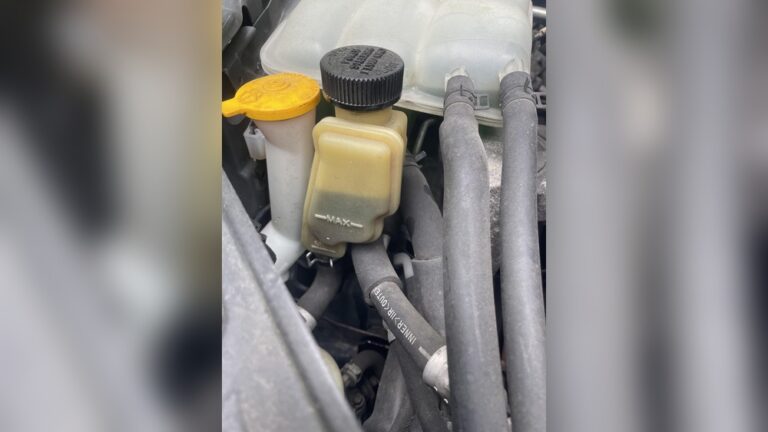
Check the coolant level when the engine is cold. Look for the “Full” and “Low” marks on the reservoir. Fill only up to the “Full” line. Avoid topping off beyond this mark. Use the recommended type of coolant for your car. Too much coolant can cause overflow and pressure problems. Use a clean funnel to avoid spills and contamination.
Routine Maintenance Tips
Inspect the coolant system regularly for leaks or cracks. Replace old or dirty coolant as suggested in your car manual. Flush the cooling system every two years or 30,000 miles. Check hoses and clamps for tightness and wear. Keep the radiator cap clean and secure. These small tasks help prevent overfilling and other issues.
Frequently Asked Questions
What Happens If The Coolant Reservoir Is Overfilled?
Overfilling the coolant reservoir can cause pressure build-up in the system. This may lead to leaks or damage to hoses and seals.
Can Overfilled Coolant Damage The Engine?
Yes, too much coolant can cause the engine to overheat or run inefficiently. It might also cause the coolant to spill, leading to engine damage.
How Do I Know If The Coolant Reservoir Is Overfilled?
Look for coolant spilling out of the reservoir or a sweet smell near the engine. The reservoir should have clear “min” and “max” fill lines to guide you.
Is It Safe To Drive With An Overfilled Coolant Reservoir?
Driving with too much coolant can cause pressure problems and leaks. It is best to fix the level before driving to avoid engine issues.
Conclusion
Overfilling the coolant reservoir can cause serious car problems. Too much coolant puts pressure on the system. This may lead to leaks or damage to engine parts. Always check the coolant level carefully. Use the marks on the reservoir as your guide.
Keeping the right amount helps your car run cool and safe. Avoid costly repairs by filling the reservoir just right. Regular checks protect your engine and save money. Simple care keeps your vehicle in good shape.