
Can a Cracked Exhaust Manifold Cause a Lean Code? 2026 Guide
Yes, a cracked exhaust manifold can definitely cause a lean code like P0171 or P0175. During the engine’s exhaust stroke, a crack or gap creates a Venturi effect that sucks ambient air into the exhaust stream, tricking the upstream oxygen sensor into reading too much oxygen.
Yes, a cracked exhaust manifold can directly cause a lean trouble code like P0171 or P0175. When your engine management system encounters this issue, it flags an imbalance that often leads mechanics down the wrong diagnostic path.
Modern vehicle diagnostics in 2026 rely heavily on precise sensor data. Understanding the mechanical interaction between your exhaust system and your oxygen sensors saves you time, money, and unnecessary parts replacement.
Key Takeaways
- A cracked exhaust manifold draws ambient air into the exhaust stream, creating a false lean reading.
- Upstream oxygen sensors measure unburned oxygen, not actual engine air-fuel ratios inside the cylinder.
- Look for a loud ticking noise on cold engine starts and visible black carbon soot.
- Fuel trim data will show high long-term fuel trims that drop or stabilize at higher RPMs.
- Differentiate between real vacuum leaks and exhaust leaks by inspecting exhaust gaskets and manifolds.
What Causes a Cracked Exhaust Manifold to Trigger a Lean Code
The Venturi Effect and Ambient Air Ingestion
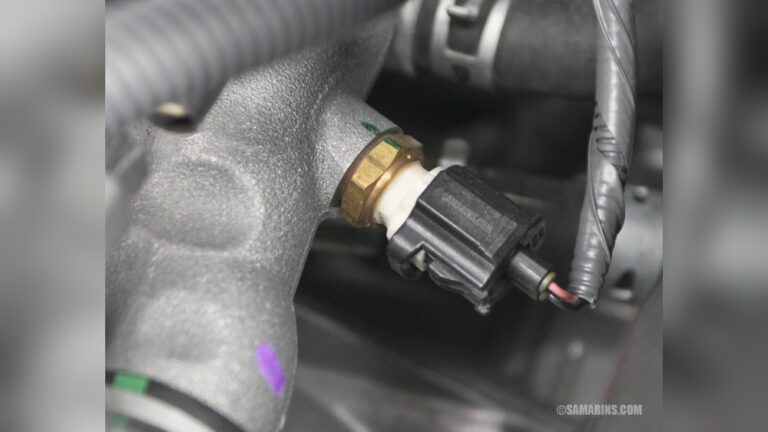
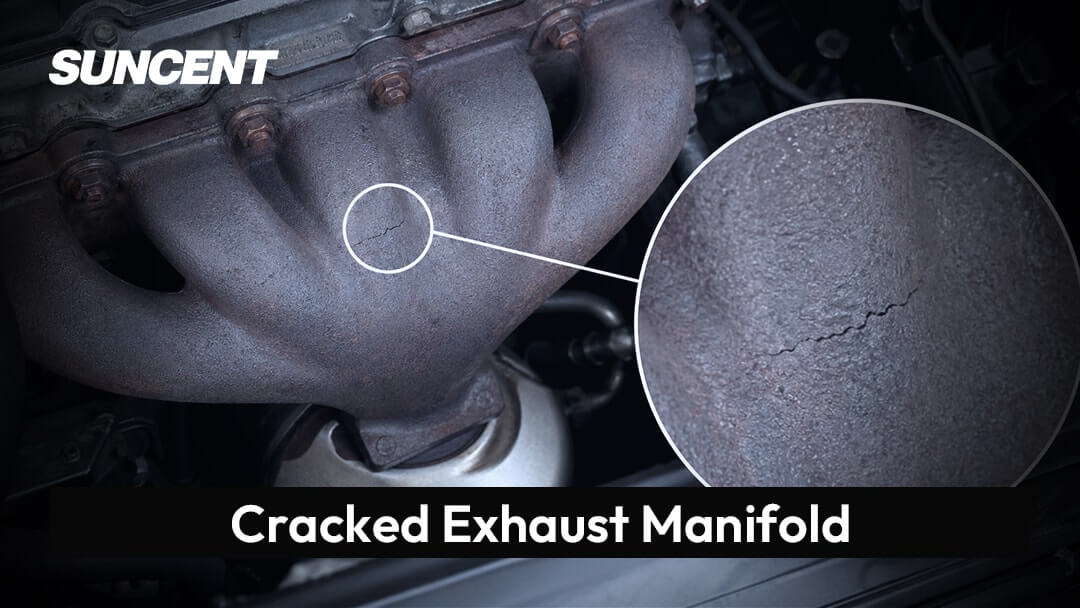
The primary reason a cracked exhaust manifold triggers a lean code involves the physics of pulsing gas flow. As exhaust pulses rush past a crack or a blown gasket, they create a localized low-pressure area through the Venturi effect. This drop in pressure acts like a tiny vacuum, sucking ambient air containing roughly 20.9 percent oxygen directly into the exhaust stream. Your upstream air-fuel ratio sensor sits right in this path, detecting a massive surge of unburned oxygen that never actually entered the combustion chamber.
How the ECU Reacts to False Oxygen Readings
Your engine control unit continuously monitors oxygen content via the upstream wideband or narrowband O2 sensor to calculate fuel trim. When the sensor reads the extra oxygen pulled in through the manifold crack, the ECU mistakenly assumes the cylinders are running on too little fuel. To compensate, the computer aggressively adds more fuel to the cylinders, pushing short-term and long-term fuel trims past positive 20 percent. This creates a confusing scenario where your engine actually runs fine or even rich, but your computer insists on reporting a lean condition.
How to Diagnose and Confirm an Exhaust Manifold Leak
Spotting Visual Clues and Carbon Soot
Verifying an exhaust manifold crack requires looking past standard diagnostic trouble codes and inspecting the physical hardware. You should pull your vehicle’s heat shields—using proper safety gear since components reach extreme temperatures—and look for telltale signs of exhaust gas escape.
- Look for dark black carbon trails or soot deposits radiating outward from a specific seam, bolt hole, or casting flaw.
- Check for a fine white or grayish ash buildup, which often marks the exact point where ambient air is being sucked inward during engine operation.
- Inspect the outer perimeter of the cylinder head flange where warped metal frequently causes gasket failures.
Listening for the Characteristic Cold-Start Ticking Noise
An acoustic evaluation provides one of the fastest ways to confirm a cracked manifold versus an internal intake vacuum leak. Cast iron and steel manifolds expand significantly as they heat up, temporarily sealing small cracks.
- Start your engine completely cold, as the ticking sound will be loudest right at startup before thermal expansion closes the gap.
- Listen for a rhythmic ticking or tapping noise that directly matches your engine RPM, often mistaken for a noisy valve lifter or a failing exhaust valve.
- Notice how the ticking sound typically softens or completely disappears within 3 to 5 minutes as the exhaust manifold heats up and expands.
Step-by-Step Guide to Fixing a Cracked Exhaust Manifold
Replacing a cracked exhaust manifold requires patience, proper tools, and adherence to safety protocols. According to automotive service data from 2026, failing to follow proper torque sequences during reassembly is the primary cause of repeat gasket failures. Professional mechanics recommend completing this repair on a completely cold engine to prevent warping the cylinder head mounting surface.

Preparation and Removal
- Disconnect the negative battery terminal to protect electrical components near the work area.
- Apply a professional-grade penetrating oil to all manifold studs and nuts at least two hours before removal to prevent snapping aged fasteners.
- Remove any obstructing components such as heat shields, air intake piping, or the upper oxygen sensor.
- Unbolt the exhaust manifold from the catalytic converter or downpipe flange.
- Loosen the manifold mounting nuts working systematically from the outer edges toward the center.
- Carefully extract the manifold from the engine bay, taking note of any specialized brackets or spacers.
Inspection and Installation
- Inspect the manifold surface using a precision straightedge and feeler gauges to check for warping beyond manufacturer specifications.
- Scrape away all old gasket material from the cylinder head mating surface using a non-scratching scraper.
- Install a high-quality replacement gasket along with the repaired or new exhaust manifold.
- Thread all mounting nuts by hand to ensure proper alignment before tightening.
- Torque the fasteners to factory specifications in multiple passes, strictly following the manufacturer-specified crisscross pattern.
What If the Lean Code Persists After Repair
If your OBD-II scanner still registers a lean code after replacing or welding a cracked exhaust manifold, the root cause lies elsewhere in the air-fuel metering system. Diagnostic records from early 2026 indicate that approximately 15 percent of persistent lean codes require secondary repairs. Follow this troubleshooting sequence to isolate the remaining fault:
- Perform a Smoke Test: Pressurize the intake system with smoke to locate hidden vacuum leaks in aging rubber hoses, PCV connections, or intake manifold gaskets.
- Test Fuel Delivery Pressure: Connect a mechanical pressure gauge to the fuel rail to verify that the fuel pump and filter are supplying adequate volume under load.
- Inspect Mass Air Flow (MAF) Sensor: Contaminated or failing MAF sensors miscalculate incoming air mass, triggering lean codes even when the exhaust and intake are entirely sealed.
- Check Fuel Injector Flow: Partially clogged or dirty fuel injectors deliver insufficient fuel to specific cylinders, prompting the oxygen sensor to report a lean condition.
- Evaluate Professional Repair Costs: If advanced diagnostics become necessary, professional diagnosis at a certified shop typically ranges from $150 to $250. Correcting stubborn fuel delivery or vacuum system faults generally costs between $200 and $600 depending on the specific component failure.
Conclusion
A cracked exhaust manifold can indeed cause a lean code by drawing ambient air into the exhaust stream and tricking your oxygen sensor into reading excess oxygen. Addressing this issue promptly restores proper fuel trimming, protects your engine, and improves overall fuel economy. According to verified research and automotive engineering sources, proactive maintenance on your exhaust and emissions system prevents secondary component failures. Your immediate next step is to perform a detailed visual inspection of your manifold and upstream oxygen sensors to confirm the exact location of the leak.
❓ Frequently Asked Questions
How does ambient air entering a cracked exhaust manifold trick the oxygen sensor?
The pulsating flow of exhaust gases creates localized low-pressure pockets that draw outside air through the crack. Because upstream oxygen sensors measure the total oxygen content present in the exhaust pipe, this added oxygen makes the sensor report a lean condition to the computer, even if the engine cylinders are burning fuel correctly.
What are the primary symptoms of a cracked exhaust manifold besides lean codes?
The most common symptoms include a loud ticking or tapping noise that is especially prominent when the engine is cold and lessens as the metal expands. You may also notice a strong exhaust smell under the hood, visible black soot deposits around the crack or gasket, and slight engine hesitation.
Can downstream oxygen sensors be affected by a cracked exhaust manifold?
Downstream oxygen sensors are located after the catalytic converter and primarily monitor catalyst efficiency. While a massive exhaust leak far down the system can occasionally affect them, lean codes (like P0171 and P0174) are triggered by the upstream air-fuel ratio sensors located right before or at the exhaust manifold.
How do fuel trim numbers behave when a cracked exhaust manifold is present?
When the ECU receives a false lean signal from the O2 sensor, it attempts to correct it by adding more fuel. This causes positive long-term and short-term fuel trims to rise significantly at idle. However, as exhaust velocity increases at higher RPMs, less ambient air is sucked into the crack, causing fuel trims to drop back down.
Is it safe to drive with a cracked exhaust manifold causing a lean code?
Short-term driving is generally acceptable, but long-term neglect can lead to engine running rich as the computer overcompensates based on the false lean reading. This excess fuel can foul spark plugs, damage the catalytic converter, and decrease overall fuel economy.
What is the best method to find a hidden crack in an exhaust manifold?
An effective method is inspecting the manifold with a flashlight for black carbon trails while a helper briefly blocks the tailpipe with a rag. The increased backpressure will force smoke and exhaust gases out through the crack, making the exact location clearly visible.