How Long Does an Oil Change Take at a Dealership 2026 Guide
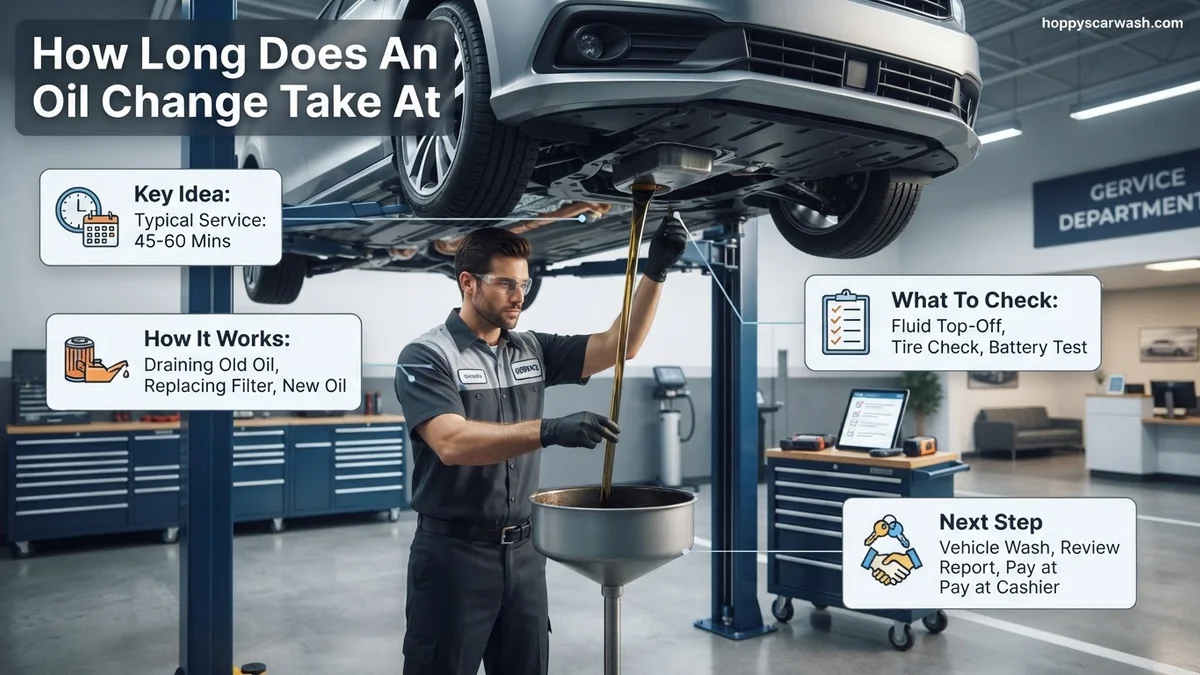
An oil change at a car dealership typically takes between 45 minutes and 1.5 hours. While quick-lube shops are faster, dealerships generally require more time because they perform complimentary multi-point inspections and courtesy vehicle washes.
You can typically expect a dealership oil change to take between 45 and 90 minutes from the moment you hand over your keys to the time you drive away. While that sounds longer than a quick five-minute stop at a neighborhood drive-thru lube shop, dealership service departments operate under a different set of standards that prioritize thorough vehicle health over sheer speed.
Planning your 2026 calendar around a service appointment requires knowing exactly what happens behind the scenes. If you want to avoid spending half your Saturday in a waiting room, understanding the mechanics of dealership wait times will help you strategize your visit efficiently.
Key Takeaways
- Expect to wait between 45 to 90 minutes for a standard dealership oil change.
- Dealerships take longer due to multi-point inspections and manufacturer-specific diagnostic checks.
- Scheduling the first appointment of the day drastically reduces your overall wait time.
- Walk-ins and Saturday peak hours can push wait times past the two-hour mark.
- Utilize shuttle services or dealership Wi-Fi to make productive use of your waiting time.
Why Dealership Oil Changes Take Longer Than Quick-Lube Shops
The Multi-Point Inspection Process
Unlike independent rapid-service shops that strictly drain oil and replace filters, dealerships view an oil change as a comprehensive health check. Technicians in 2026 follow strict brand guidelines that require a complimentary multi-point inspection during every service visit. This means while your oil drains, a certified mechanic is actively checking:
- Brake pad thickness and rotor condition
- Fluid levels including coolant, brake fluid, and windshield washer solvent
- Suspension components and steering linkage
- Battery health using digital diagnostic testers
- Tire tread depth and precise inflation pressures
Discovering a worn-out component during this inspection adds time to your visit because the service advisor will likely walk out to the waiting area to discuss potential repairs with you.
Additional Courtesy Services
Dealerships frequently bundle extra amenities into their standard maintenance packages to retain customer loyalty. Many service centers automatically run your car through an automated or hand-wash bay before returning it to you. Detailing the exterior and vacuuming the interior can easily tack an extra 15 to 20 minutes onto the tail end of your service time, even after the mechanical work is completely finished.
Mastering Dealership Oil Changes in 6 Simple Steps
Navigating a dealership service department for a routine oil change can sometimes feel like a mystery regarding how much time you will actually spend waiting. This comprehensive guide breaks down the dealership oil change timeline from arrival to checkout, helping you optimize your schedule, avoid common bottlenecks, and manage your expectations. Whether you are driving a brand-new leased vehicle or utilizing a complimentary maintenance plan, following this practical walkthrough will ensure a seamless and efficient service experience every single time.
Step 1: Schedule Your Appointment Online or By Phone
What you need: Your vehicle’s current mileage, license plate number, vehicle identification number (VIN), and a digital calendar.
Instructions: Avoid the temptation of a sudden walk-in visit, which often results in the longest wait times. Instead, schedule your service at least three to five days in advance using the dealership’s online portal or by calling the service desk directly. Choose the very first appointment slot of the day—typically 7:00 AM or 7:30 AM—or an early afternoon slot right after the lunch hour rush. Arriving for an early morning slot drastically reduces the likelihood of being stuck behind a backlog of delayed previous-day repairs, usually getting your vehicle onto the lift within minutes of your arrival.
Pro Tip: Booking mid-week appointments (Tuesday through Thursday) generally yields much faster service than Mondays or Fridays, which are traditionally chaotic for dealership service bays.
Step 2: Arrival and Service Advisor Check-In
What you need: Your vehicle keys, current mileage verification, active manufacturer warranty or service contract paperwork, and any active discount coupons.
Instructions: Pull your vehicle into the designated service drive lane, put it in park, turn off the engine, and remove your keys. Gather your personal belongings and wait for a service advisor to greet you. The advisor will walk around your vehicle to document existing body damage, note your exact odometer reading, ask about your driving habits, and confirm what services you are authorizing. Expect this initial conversation to take between 10 to 15 minutes, depending on the length of the queue in the service lane.
Pro Tip: Explicitly state if you are on a strict time schedule so the advisor can note “waiter” on your repair order, signaling the technicians to prioritize your vehicle.
Step 3: Vehicle Hand-Off and Technician Staging
What you need: Patience, a designated seating area preference, and a reliable mobile phone with active notifications.
Instructions: Once the service advisor completes the paperwork and hands you a digital or paper copy of your service order, they will instruct you to head to the customer waiting lounge. During this staging phase—which typically lasts 15 to 30 minutes—your car sits in a queue waiting for an open service bay and an available certified technician. While this downtime can feel unproductive, it accounts for a significant portion of the total time spent at the dealership. Use this period to settle into the lounge, connect to the Wi-Fi, or catch up on emails.
Pro Tip: Do not panic if your car does not move immediately after you check in; dealership workflows batch vehicles to maximize efficiency for the mechanic teams.
Step 4: The Actual Service Execution
What you need: No immediate action required on your part; let the certified technicians perform the standardized maintenance procedure.
Instructions: Once your vehicle is pulled onto the hydraulic lift, the oil change process officially begins. A factory-trained technician will drain the old engine oil, replace the oil filter with an OEM-spec component, inspect the drain plug gasket, and refill the engine with the exact viscosity and capacity of oil recommended by the manufacturer. Simultaneously, they will perform a multi-point inspection, checking fluid levels, tire tread depth, brake pad thickness, and battery health. This mechanical phase generally takes 20 to 35 minutes of uninterrupted work time.
Pro Tip: Dealerships use original equipment manufacturer (OEM) filters and bulk synthetic oils specifically engineered for your engine, ensuring optimal performance and warranty compliance.
Step 5: Reviewing Inspection Results and Approving Additional Work
What you need: Your smartphone for incoming calls, text messages, or digital inspection links sent by the service advisor.
Instructions: Toward the end of the oil change, your service advisor will typically contact you with the multi-point inspection results. They may send a digital link showing photos of worn cabin air filters, low tire pressure, or fading wiper blades. If additional maintenance is recommended, review the pricing and urgency before giving authorization. Approving extra services such as tire rotations or fluid flushes will naturally add 15 to 45 minutes to your overall visit duration, so weigh your immediate schedule constraints against your vehicle’s maintenance needs.
Pro Tip: You have the right to decline non-essential upsells performed at dealership pricing if you prefer to handle minor maintenance items yourself at a later date.
Step 6: Checkout, Payment, and Vehicle Retrieval
What you need: Credit card, cash, or digital payment method, alongside your service copy receipt.
Instructions: Once the service is fully completed and the vehicle has passed a final quality check and complimentary car wash (if offered), your service advisor will notify you that your car is ready. Head to the cashier counter to settle your bill, review the line items on your invoice to ensure all discounts or complimentary service plans were applied, and collect your keys. The cashier will provide you with the final paperwork and direct you to where your vehicle is parked in the pickup zone. This final closing step usually takes 10 to 15 minutes.
Pro Tip: Always double-check your dashboard before leaving the lot to ensure the maintenance reminder light has been successfully reset by the technician.
✅ Final Checklist
- Verify that the oil change sticker on your windshield displays the correct next service mileage and date.
- Inspect the engine bay oil filler cap to confirm it is securely tightened and no rags or tools were left behind.
- Check that your service invoice accurately reflects the promotional discounts, warranty coverage, or prepaid maintenance plans promised.
- Ensure your vehicle’s tires are properly inflated and the TPMS light is turned off before driving away.
Important Notes:
- Never pop your hood or check fluid levels immediately after a hot engine has been running; allow adequate cooling time to prevent severe burns.
- If you notice any unusual oil leaks under your parked vehicle within 48 hours of service, contact the dealership service manager immediately to have the drain plug or filter housing inspected.
- Total dealership oil change time typically ranges from 45 to 90 minutes for a standard service, with estimated costs ranging from $50 to $120 depending on synthetic oil requirements and local labor rates.
Step-by-Step Guide to Speeding Up Your Dealership Service
Book the First Appointment of the Day
Scheduling matters immensely when trying to minimize your wait time at the dealership. Securing the very first time slot of the morning—usually around 7:00 AM or 7:30 AM—puts your vehicle at the front of the queue before backlogs begin. Technicians are fresh, service bays are clear, and your car can often be serviced and returned to you in under 45 minutes.
- Avoid Saturday mornings, which are traditionally the busiest operational windows of the week.
- Skip the mid-day lunch hour rush when staff rotations slow down throughput.
- Opt for mid-week appointments on Tuesdays or Wednesdays for the fastest turnaround.
Leverage Shuttle Services and Express Lanes
If you cannot avoid a busy service window, plan your logistics ahead of time to reclaim your schedule. Most modern dealerships offer complimentary shuttle services that will drive you home or to your workplace, eliminating the need to camp out in the Wi-Fi lounge. Alternatively, check if your specific brand offers a dedicated Express Lane service for routine maintenance, which bypasses traditional appointment scheduling entirely on a first-come, first-served basis.
What to Do If Your Dealership Appointment Takes Too Long
Even with advanced 2026 scheduling technology, dealership service bays occasionally run behind schedule due to unexpected mechanical discoveries or understaffed service desks. When your quick 45-minute oil change stretches past the two-hour mark, specific protocols protect your time and vehicle.
Step-by-Step Escalation Process
- Locate your service advisor: Politely ask for a concrete status update on the physical vehicle repair order status board.
- Review the digital multi-point inspection: Check if your smartphone received a digital inspection link explaining additional discovered maintenance needs that delayed the process.
- Request alternative transportation: If delays exceed two hours without parts ordering issues, ask the dealership service manager for a complimentary shuttle ride or loaner vehicle.
- Escalate to the service director: Politely request management intervention if the staff cannot provide a transparent explanation for the extended wait time.
What If It Still Doesn’t Work?
When waiting yields no results and your vehicle remains trapped in service bays indefinitely, you must execute fallback strategies to resolve the situation and minimize wasted time.
- Demand vehicle reassembly: Request that technicians immediately button up the engine bay and return your car keys if work has not physically started.
- Consult an independent ASE-certified shop: Transfer the routine service to a local independent mechanic where turnaround times average 30 to 45 minutes without appointment backlog.
- Engage corporate customer service: Contact the automotive manufacturer’s regional consumer hotline to log a formal complaint regarding dealership service delays.
- Prepare for mobile mechanic costs: For future reference, mobile oil change providers bypass traditional wait times entirely, with service call fees ranging from $40 to $90 on top of standard fluid pricing.
Conclusion
Navigating dealership oil change timelines requires strategic planning, from booking off-peak morning appointments to utilizing digital express lanes. According to verified research and automotive consumer data compiled by Cox Automotive in 2026, setting realistic expectations and utilizing manufacturer scheduling apps significantly reduces overall wait times. One actionable next step is to download your specific brand’s service application today to lock in a priority morning time slot for your next scheduled maintenance visit.
❓ Frequently Asked Questions
How long does a dealership oil change take with an appointment?
With a scheduled appointment, you can usually expect to be out the door in 45 to 60 minutes, assuming the service bay is running on schedule. However, unexpected findings during the multi-point inspection can extend this timeframe.
How much longer do walk-in oil changes take?
Walk-in appointments can significantly increase your wait time, often stretching past two hours on busy days. Dealerships prioritize scheduled customers, meaning walk-ins must wait for an available technician.
What factors influence dealership service wait times?
Key factors include the day of the week, the time of day, whether you booked an appointment, and if the technician discovers recommended repairs during the multi-point inspection.
Are Saturdays the busiest day for dealership service centers?
Yes, Saturdays are typically the busiest days of the week for car dealerships. Visiting on a Tuesday or Wednesday morning usually results in a much faster turnaround.
Do dealerships wash your car during an oil change?
Many dealerships include a complimentary exterior car wash as part of their service package, which adds about 15 to 20 minutes to the total visit time.
What should I do if my oil change is taking over two hours?
Politely ask your service advisor for an update on the status of your vehicle. If the delay is excessive, request information about their shuttle service or ask to be prioritized.