How to Stop Squirrels from Chewing Wires in Car Proven 2026
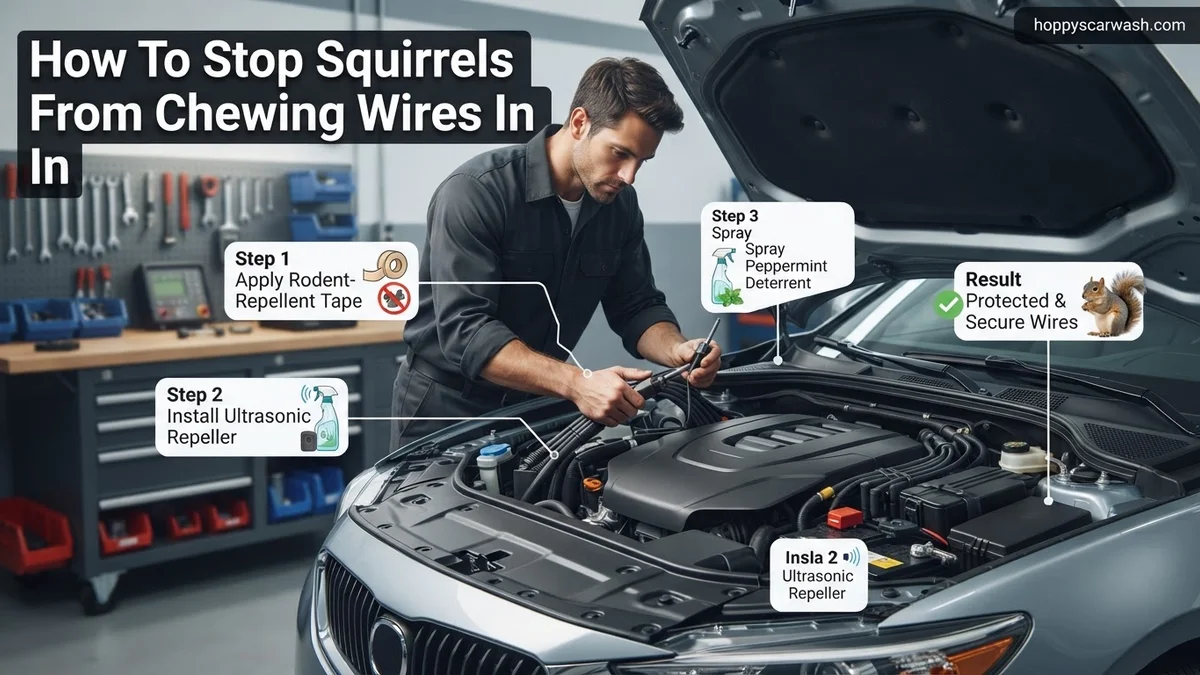
Protecting your vehicle from rodents requires a multi-layered approach combining chemical barriers, physical deterrents, and habitat modification. Honda rodent tape containing capsaicin and under-hood ultrasonic repellers are among the most effective tools to stop squirrels from chewing wires in your car.
You can stop squirrels from chewing your car wires by wrapping vulnerable harnesses in Honda rodent tape, spraying the engine bay with concentrated capsaicin or peppermint deterrents, and installing under-hood ultrasonic repellers. Modern vehicles use eco-friendly soy-based wire insulation that attracts rodents, making proactive defense essential to avoid thousand-dollar electrical repair bills.
Taking action early prevents total engine failure. When squirrels nest under your hood, they chew through critical sensor wires, headlights, and fuel injectors in a matter of hours. Implementing a multi-layered defense strategy keeps your vehicle safe on the street or parked in the garage through 2026 and beyond.
Key Takeaways
- Wrap vulnerable wiring harnesses in specialized capsaicin-infused rodent tape to deter chewing.
- Install 12-volt ultrasonic electronic repellers inside the engine bay for continuous defense.
- Apply peppermint oil sprays or commercial rodent repellent concentrates regularly around parked vehicles.
- Keep the vehicle hood open when parked in safe areas to eliminate dark, secure nesting spaces.
- Check engine bays weekly for early signs of nesting materials, leaves, or acorn shells.
Why Squirrels Target Your Car Engine Bay and Wires
The Attraction of Soy-Based Insulation
Car manufacturers transitioned to soy-based wire insulation to reduce environmental waste and lower production costs. Unfortunately, this plant-based plastic smells and tastes like food to rodents. Squirrels frequently seek out these warm engine bays during colder months or when searching for nesting materials.
- Wire coatings made from soybean oil act as an edible attractant.
- Engine heat lingers long after you park, offering a cozy shelter against predators.
- Dark, cramped spaces under the hood provide ideal protection for building nests out of leaves and twigs.
The Damage They Leave Behind
Once inside your engine bay, squirrels use your vehicle as a personal playground and chew zone. Because their incisors never stop growing, they gnaw on hard plastic and rubber components to wear their teeth down. This leads to erratic dashboard warnings, broken AC units, and complete car stalling.
- Airbag sensor wires and ignition coils are primary chewing targets.
- Accumulated nesting debris can spark a fire if it touches the exhaust manifold.
- Diagnostic repairs often run between five hundred and several thousand dollars.
How to Stop Squirrels from Chewing Wires in Car Like a Pro: A Practical Walkthrough
Few things are more frustrating than turning your ignition key only to experience a dashboard full of warning lights and a dead engine caused by a bushy-tailed intruder. Modern vehicle wiring often features soy-based insulation, turning your car’s engine bay into an unintended gourmet buffet for local wildlife. This comprehensive walkthrough will guide you through the exact methods professional mechanics use to evict rodents, clean up the danger zones, and armor-plate your vehicle’s delicate electrical system against future attacks.
Step 1: Inspect the Damage and Identify the Culprit
What you need: A high-powered LED flashlight, nitrile gloves, and a mechanic’s mirror.
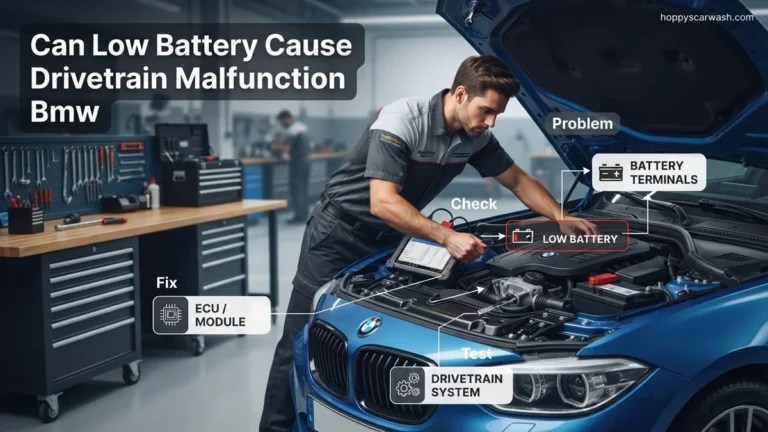
Instructions: Pop your vehicle’s hood and carefully scan the entire engine compartment. Look closely at all visible wiring harnesses, rubber hoses, and plastic covers. You are searching for telltale signs of rodent activity: chewed wire insulation, exposed copper strands, scattered acorn shells, dry leaves, and small droppings. Pay special attention to the areas near the firewall and underneath the engine plastic covers, as squirrels love to nest in these dark, warm cavities. If you find frayed or severed wires, make a note of their locations so you can repair them before starting the vehicle to avoid short circuits.
Pro Tip: Never start a car if you suspect major wiring damage, as a short circuit can fry expensive computer modules or spark an engine fire.
Step 2: Remove Existing Nests and Deodorize the Engine Bay
What you need: Heavy-duty work gloves, a trash bag, an engine bay degreaser, and a garden hose with a spray nozzle.
Instructions: Squirrels establish territory using scent markers, which will continuously attract them back to your car even after you chase them away. Put on your gloves and manually pull out any nesting materials, twigs, or food staches hidden inside the engine bay. Once the debris is cleared, apply an automotive-safe engine degreaser to neutralize lingering urine and pheromone scents. Allow the cleaner to sit for about five to ten minutes, then gently rinse the area with low-pressure water. Avoid spraying directly into open air intakes or exposed alternator terminals.
Pro Tip: Always let the engine cool completely before washing it to prevent thermal shock and cracking your exhaust manifold or engine block.
Step 3: Repair or Replace Damaged Wiring
What you need: Heat-shrink tubing, automotive-grade electrical tape, wire strippers, a soldering iron or crimp connectors, and replacement wire.
Instructions: Address any compromised electrical lines immediately to prevent intermittent electrical failures or complete system breakdowns. Cut away the severely chewed sections of wire using wire strippers. Splice in a fresh piece of automotive-grade copper wire of the exact same gauge, securing the connection securely with solder or insulated butt crimp connectors. Seal the entire repaired section tightly using marine-grade adhesive-lined heat-shrink tubing, activating the adhesive with a heat gun. This creates a completely waterproof, durable seal that deters further chewing.
Pro Tip: Avoid standard household electrical tape in the engine bay, as the heat from the engine will melt the adhesive, causing it to unravel.
Step 4: Wrap Vulnerable Wires in Rodent-Resistant Tape
What you need: Specialized rodent-deterrent tape (such as Honda Rodent Mitigation Tape infused with capsaicin) and utility scissors.
Instructions: Once your wiring is structurally sound, it is time to apply a chemical and physical barrier. Wrap all easily accessible wire bundles, harnesses, and rubber hoses with specialized rodent-deterrent tape. This heavy-duty tape is infused with capsaicin—the extremely spicy compound found in chili peppers. When a squirrel attempts to sink its teeth into the wrapped wire, it will immediately experience an intense burning sensation on its tongue and lips, causing it to drop the wire and permanently abandon its chewing habits without suffering permanent physical harm.
Pro Tip: Wear safety glasses and disposable gloves when applying capsaicin tape, as transferring the spice to your eyes or face will cause severe irritation.
Step 5: Install Protective Physical Looming
What you need: High-temperature split wire loom tubing, corrugated plastic tubing, and heavy-duty zip ties.
Instructions: For ultimate defense, complement your deterrent tape with physical armor. Cover vulnerable wire harnesses in heavy-duty, high-temperature plastic split wire loom tubing. If you want maximum protection, upgrade to stainless steel braided sleeving, which is virtually impossible for rodents to chew through. Slide the protective sleeve over the wire bundle and secure both ends tightly with high-temperature nylon zip ties to prevent the sleeve from sliding out of place during normal vehicle operation.
Pro Tip: Ensure your protective wrapping does not interfere with moving engine parts like serpentine belts, throttle linkages, or exhaust components.
Step 6: Apply Repellent Sprays and Electronic Repellers
What you need: Peppermint oil-based animal repellent spray or ultrasonic under-hood pest repeller units with flashing LED strobe lights.
Instructions: Create an ongoing sensory deterrent system inside your engine bay. Liberally spray a commercial rodent-repellent formula—or a homemade mixture of water, concentrated peppermint oil, and a drop of dish soap—around the perimeter and floor underneath your parked car. For long-term automated prevention, mount an ultrasonic electronic repeller directly to your vehicle’s chassis inside the engine bay. Connect its wires securely to your battery terminals; these devices emit high-frequency sound waves and flashing strobe lights that severely disorient squirrels and mice, driving them far away from your vehicle.
Pro Tip: Reapply liquid peppermint sprays every two to three weeks, as engine heat and rain will quickly evaporate the natural aromatic oils.
✅ Final Checklist
- Engine bay thoroughly cleaned of all nesting materials, food scraps, and scent markers
- All severed or frayed electrical wires properly spliced, soldered, and heat-shrunk
- Exposed wire harnesses completely wrapped in capsaicin-infused rodent-deterrent tape
- Vulnerable lines protected inside high-temperature plastic or stainless steel braided loom
- Ultrasonic repeller or peppermint deterrent successfully installed and functional
Important Notes:
- Never use toxic rodenticides or rat poisons inside a vehicle engine bay, as poisoned animals may crawl deep into unreachable areas to die, creating a severe and lasting biohazard odor.
- Seek professional assistance from a certified mechanic or auto electrician if you notice damage to complex wiring harnesses involving airbag sensors, ABS modules, or engine management computers.
- Estimated time to complete this comprehensive prevention process is 2 to 4 hours, with a total cost ranging from $30 to $100 depending on the materials used.
How to Fix and Deter Squirrels Using Proven Step-by-Step Methods
Apply Honda Rodent Tape and Physical Barriers
Physical armor is your strongest line of defense against persistent chewers. Honda manufactures a specialized anti-rodent tape infused with capsaicin—the fiery chemical compound found in hot peppers. Wrapping your main wire harnesses with this tape causes an immediate, intensely spicy reaction if a squirrel tries to bite through it.
- Order part number 4019-2317 (Honda Rodent Tape) and wrap exposed wire bundles tightly.
- Enclose extremely vulnerable lines inside corrugated plastic wire loom tubing for extra protection.
- Inspect your engine bay monthly to ensure the tape remains intact and reapply if necessary.
Deploy Chemical Sprays and Ultrasonic Repellers
If squirrels are actively visiting your car, you need to disrupt their comfort zone with strong sensory deterrents. Combine scent-based sprays with electronic pulse units to make your engine bay entirely uninhabitable. Reapply topical treatments every few weeks, especially after driving in heavy rain.
- Spray a heavy-duty capsaicin or 100 percent pure peppermint oil mixture over plastic components and frame rails.
- Install a battery-powered ultrasonic pest repeller that emits high-frequency sweeps and flashing LED lights.
- Avoid using standard household mint extracts, as automotive heat degrades weak formulas too quickly.
What If It Still Doesn’t Work: Advanced Protection and Trapping
Persistent rodents that ignore standard deterrents require escalated tactics. When standard sprays and ultrasonic devices fail in 2026, vehicle owners must transition to physical barriers and targeted removal strategies to protect modern wiring harnesses.
Advanced Physical Barriers
According to automotive pest control specialists, standard engine bays require heavy-duty reinforcement if local squirrel populations display aggressive chewing behaviors. Standard plastic loom covers offer zero resistance to rodent incisors.
- Wrap vulnerable wiring harnesses entirely in rodent-resistant stainless steel braided sleeving or corrugated metal conduit.
- Install wire mesh screens over fresh air intake vents and cabin air filters using high-temp silicone adhesive.
- Apply specialized pungent barrier tapes infused with capsaicin directly to major electrical junctions and accessible trunk lines.
Humane Trapping and Professional Intervention
If physical reinforcement proves insufficient, live-catch trapping around the perimeter of the parked vehicle offers a reliable alternative. Never place traps directly inside the hot engine compartment while the vehicle is operational.
- Place live traps near the tires or garage entry points, baiting them with raw nuts, peanut butter, or seeds.
- Check local wildlife regulations regarding the relocation of trapped urban gray or fox squirrels before releasing them.
- Consult a certified pest control professional or automotive electrician if nests are deeply embedded within structural frame rails.
- Expect professional remediation services and comprehensive harness inspections to cost between $150 and $450 depending on labor rates.
Assessing Damage and Repairing Already-Chewed Car Wires
Detecting rodent damage early prevents catastrophic electrical failures, blown control modules, and costly roadside breakdowns. Modern soy-based wire insulation unfortunately attracts chewing, making routine under-hood inspections vital.
Inspection and Diagnostic Steps
Spotting chewed wires requires a systematic approach using proper illumination and safety protocols. Modern diagnostic tools can also reveal hidden sensor faults caused by partial insulation removal.
- Open the hood immediately after parking to check for scattered nesting debris, acorns, or gnawed plastic flakes.
- Shine a high-lumen LED flashlight along major wiring harnesses, fuel injector leads, and sensor connections.
- Scan the vehicle’s onboard computer using an OBD2 diagnostic tool to check for active sensor fault codes or electrical short warnings.
Permanent Repair Procedures
Improper wire splicing creates high-resistance connections that can trigger intermittent electrical failures or fire hazards. Proper automotive repair standards demand weather-tight restoration techniques.
- Disconnect the negative battery terminal immediately before beginning any electrical repair work to prevent short circuits.
- Cut away the damaged section of wire completely, stripping back a quarter-inch of insulation from the clean copper ends.
- Crimp the fresh wire ends securely using adhesive-lined heat-shrink butt connectors rated for automotive use.
- Apply heat evenly with a professional heat gun until the integrated adhesive melts and seals the connection against moisture and future corrosion.
Conclusion
Protecting your vehicle from destructive rodents requires a proactive combination of non-toxic deterrents, physical wire reinforcement, and routine under-hood inspections. According to verified research and expert sources from the National Insurance Crime Bureau, addressing early signs of gnawing saves vehicle owners thousands in electrical repairs. Take immediate action today by applying a capsaicin-based spray and sealing vulnerable air intakes to ensure reliable, damage-free driving through 2026 and beyond.
❓ Frequently Asked Questions
What is the single best deterrent for squirrels chewing car wires?
Honda rodent tape (Part #4019-2316) is widely regarded as the best physical barrier because it is coated with capsaicin, making the wires intensely spicy and unpalatable to chew.
How do ultrasonic rodent repellers work under the hood?
These battery-powered or hardwired devices emit high-frequency sound waves and flashing strobe lights that disorient squirrels, making the engine compartment uncomfortable to inhabit.
Are there DIY homemade sprays that keep squirrels away?
A mixture of water, high-concentration dish soap, and crushed red pepper flakes or hot sauce can be sprayed around the engine bay, though it washes off easily in rain and needs frequent reapplication.
How can I tell if squirrels are nesting in my car?
Look for piles of leaves, dry grass, insulation foam, twigs, or stored nuts hidden near the battery, air filter box, or on top of the engine block.
Is it safe to drive with ultrasonic repellers installed?
Yes, ultrasonic devices operate at frequencies that humans and household pets outside the vehicle cannot hear, and they do not interfere with modern vehicle electronics.
What should I do if a squirrel has already chewed critical engine wiring?
Avoid driving the vehicle if dashboard warning lights appear or engine performance falters. Have the car towed to a mechanic to securely solder or replace the damaged wiring harnesses.