Will a Bad Neutral Safety Switch Cause Stalling Expert 2026
A bad neutral safety switch rarely causes an engine to stall while driving, but it will typically prevent your car from cranking or starting. The primary symptom of a failing switch is a ‘no-start’ condition unless the gear shifter is jiggled or placed into Neutral instead of Park.
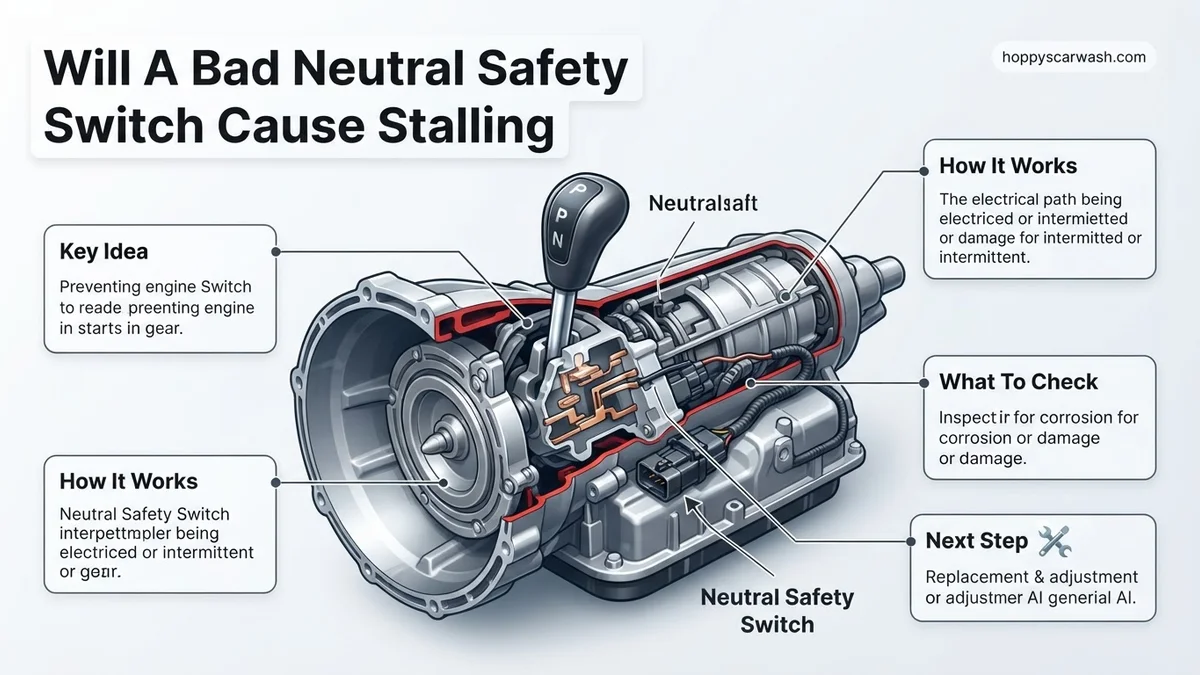
If you are wondering whether a bad neutral safety switch can cause your engine to stall, the short answer is no, not usually. In modern 2026 vehicles, a failing neutral safety switch typically prevents your car from cranking or starting altogether, rather than killing the engine while you are driving down the road. The primary job of this switch is simply to ensure the transmission is safely in Park or Neutral before allowing the starter motor to engage.
However, modern automotive electrical systems are complex, and rare edge cases do exist. While a standard mechanical failure inside the switch cuts off starting power, internal short circuits or severe wiring degradation can theoretically feed erratic signals to the Powertrain Control Module (PCM). Understanding how this component actually behaves will save you from replacing expensive fuel pumps or ignition coils when your real issue lies elsewhere.
Key Takeaways
- A bad neutral safety switch usually prevents starting rather than causing active engine stalling.
- Common symptoms include cars only starting in Neutral or reversing lights failing to illuminate.
- Internal electrical shorts can rarely kill engine power while driving.
- True stalling is usually caused by fuel pump, alternator, or crank position sensor failures.
- Testing continuity with a multimeter confirms a failing neutral safety switch.
What Causes Stalling vs. Neutral Safety Switch Failure
Drivers often misdiagnose engine stalling as a transmission safety switch problem because starting issues and stalling share similar frustrating symptoms. To fix your vehicle correctly, you need to know what a failing switch actually does versus what causes true engine death.
Understanding the Normal Failure Mode
When a neutral safety switch fails, it usually breaks the electrical circuit between your ignition switch and your starter relay. You turn the key or press the push-to-start button in 2026, and absolutely nothing happens. Your dashboard lights up, but the starter motor refuses to turn. Common indicators of this specific failure include:
- The engine cranks normally when you shift the gear selector into Neutral, but refuses to crank in Park.
- Your backup lights fail to illuminate when you shift the car into Reverse.
- Total lack of starter engagement regardless of battery health or starter motor condition.
The Rare Stalling Exception
Can a bad switch ever cause stalling? In extremely rare scenarios involving internal electrical shorts, a failing switch can send a confusing voltage spike to the computer network. This momentary signal drop can trick the computer into thinking the vehicle has been shifted out of gear, cutting ignition spark or fuel delivery. If your car suddenly dies while moving, you are much more likely dealing with a failing crankshaft position sensor, a clogged fuel filter, or a failing alternator rather than the neutral safety switch.
Will a Bad Neutral Safety Switch Cause Stalling? What Causes It and How to Fix It
Every driver relies on their vehicle’s safety systems without giving them much thought, until something goes wrong. If your engine is unexpectedly dying, you might be asking yourself if a faulty neutral safety switch is the culprit. This comprehensive walkthrough is designed to help you understand the direct relationship between your transmission’s safety inhibitor switch and engine stalling, providing you with a clear roadmap to diagnose, test, and resolve the issue safely and effectively.
Step 1: Understand the Role of the Neutral Safety Switch
What you need: Vehicle owner’s manual or a basic understanding of automotive automatic transmission electrical circuits.
Instructions: Before tearing into your dashboard or under-hood wiring, you must understand what this switch actually does. The neutral safety switch, often referred to as the range sensor, prevents your car from starting unless the gear selector is explicitly in Park or Neutral. Mechanically, it interrupts the starter solenoid circuit. In modern vehicles, however, this switch also communicates directly with the Powertrain Control Module. While a completely failed switch usually results in a vehicle that refuses to crank at all, a failing, misaligned, or short-circuiting switch can sometimes send erratic voltage signals to the computer, confusing the fuel and ignition management systems and occasionally triggering a sudden stall.
Pro Tip: Do not assume a stalling issue is automatically linked to this switch; always look for primary symptoms like starting in gear or dead starter behavior first.
Step 2: Perform the Shift-Waggle Diagnostic Test
What you need: A helper or a safe, flat testing location with the engine running.
Instructions: One of the easiest ways to determine if your neutral safety switch is acting up is the classic shift-waggle test. Start your vehicle, keeping your foot firmly on the brake pedal. While the engine is idling, gently move the gear shifter back and forth between Park, Reverse, Neutral, and Drive without actually engaging the transmission fully into driving gears. Watch your dashboard gear indicator lights closely. If the engine sputters, hesitates, or completely stalls out the moment you wiggle the shifter, or if the dashboard gear indicator blinks or fails to match your shifter position, you have successfully isolated a faulty or loose neutral safety switch.
Pro Tip: Always perform this test with your emergency brake securely engaged to prevent accidental vehicle movement.
Step 3: Locate the Neutral Safety Switch
What you need: Flashlight, safety glasses, and potentially a floor jack and jack stands.
Instructions: Once you suspect the switch, you need to find its physical location. On many older rear-wheel-drive vehicles, the switch is mounted directly on the side of the transmission housing where the shift linkage connects. On modern front-wheel-drive cars and trucks, the range sensor is frequently attached to the top or side of the transaxle, often hidden underneath the air intake box, battery tray, or center console linkage assembly. Consult your vehicle’s specific repair manual to pinpoint its exact location. Safely raise the vehicle if necessary, chock the wheels, and inspect the switch housing for cracks, excessive dirt buildup, or oil contamination.
Pro Tip: Transmission fluid leaks from a failing manual shaft seal are the number one killer of neutral safety switches; look for wet, oily residue around the sensor.
Step 4: Inspect the Electrical Wiring and Connector
What you need: Electrical contact cleaner, shop rags, and a flashlight.
Instructions: Intermittent electrical signals that cause stalling are often caused by poor connections rather than a dead component. Unplug the electrical wiring harness connected to the neutral safety switch. Carefully inspect the plastic connector and the metal pins inside for signs of corrosion, melted plastic, or green crusty buildup caused by moisture intrusion. Spray both sides of the connection generously with electrical contact cleaner, allow it to dry completely, and inspect the wiring harness for any frayed wires that might be grounding out against the hot exhaust or transmission casing, which can easily blow fuses and kill the engine.
Pro Tip: Apply a tiny dab of dielectric grease to the connector pins before plugging it back in to prevent future moisture corrosion.
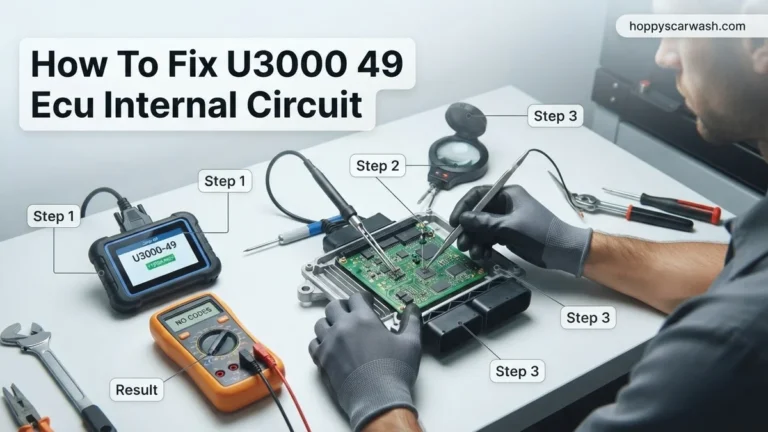
Step 5: Test Continuity and Voltage with a Multimeter
What you need: Digital multimeter, wiring diagram for your specific make and model.
Instructions: Set your digital multimeter to measure ohms (continuity) or DC voltage according to your service manual specifications. Back-probe the switch terminals or test the disconnected pins while shifting through the gears. In Park and Neutral, you should show complete continuity (zero resistance) across the designated starting circuit pins. In Drive and Reverse, the circuit should be open. If you notice erratic resistance readings, intermittent drops in continuity while holding the shifter still, or voltage spikes, your neutral safety switch internal contacts are worn out and the unit must be replaced.
Pro Tip: Never pierce the insulation of wires with sharp meter probes, as this lets moisture inside and creates future wiring corrosion points.
Step 6: Adjust or Replace the Faulty Switch
What you need: Basic socket set, alignment tool (if required by manufacturer), and a replacement neutral safety switch.
Instructions: If the switch is simply out of adjustment, loosen the mounting bolts slightly, align the alignment marks while the transmission is in Neutral or Park, and tighten the bolts back down. If the switch is permanently broken, disconnect the negative battery cable, remove the shift linkage nut and arm, unbolt the old switch, and install the new unit. Torque the mounting bolts to the manufacturer’s precise specification. Reconnect the shift linkage and the electrical plug, ensuring everything moves smoothly through all gear selections without binding or putting undue stress on the wires.
Pro Tip: Many aftermarket switches require precise alignment using a specific drill bit or alignment pin size; do not skip this alignment procedure or your car won’t start at all.
Step 7: Verify Repair and Road Test
What you need: Your vehicle, a safe open road or parking lot.
Instructions: With the new or adjusted switch fully installed and all tools cleared from the engine bay, reconnect your car battery. Turn the key to the ON position and verify that the dashboard gear indicator correctly displays P, R, N, and D as you move the shifter. Attempt to start the car in Drive and Reverse—it should refuse to crank. Move the shifter to Park and Neutral, start the engine, and let it idle. Perform the shift-waggle test again to ensure no stuttering or stalling occurs. Take the vehicle for a 10-minute test drive, making multiple stops, shifts, and turns to confirm normal operation.
Pro Tip: If the vehicle still stalls after replacing the switch, your issue lies elsewhere, likely in the idle air control valve, mass airflow sensor, or crankshaft position sensor.
✅ Final Checklist
- Shift-waggle test completed without any engine hesitation or stalling
- Dashboard gear indicator accurately reflects the physical shifter position
- Vehicle successfully cranks only when in Park or Neutral
- Electrical connector is clean, dry, and securely locked in place
- Mounting bolts torqued to factory specifications with no fluid leaks present
Important Notes:
- Always disconnect the negative battery terminal before working on automotive electrical or transmission components to prevent electrical shorts.
- Seek professional mechanic assistance if you lack lifting equipment or if transmission removal is required to access an internal park/neutral position sensor.
- Estimated DIY time: 1 to 3 hours. Estimated cost range: $30 to $150 for parts, or $150 to $350 if performed by a professional repair shop.
How to Test and Diagnose a Faulty Neutral Safety Switch
Before you buy replacement parts for your 2026 vehicle, you need to verify whether the switch is actually broken. Proper testing saves time and prevents you from throwing money at a healthy transmission component.
The Wiggle Test and Park-Neutral Check
The fastest diagnostic method is the manual shift check. Sit in the driver seat with your foot firmly on the brake pedal. Try these steps to isolate the issue:
- Attempt to start the car while gently pulling or pushing the gear shifter back and forth within the Park position.
- Shift the transmission directly into Neutral and try turning the key again.
- Observe your instrument cluster gear indicator to see if it accurately matches the physical position of your shifter.
Using a Multimeter for Voltage Verification
If shifting tactics fail to produce a crank, break out a digital multimeter to test continuity. Disconnect the neutral safety switch wiring harness. Set your meter to check for continuity or ohms. Probe the switch terminals while moving the gear selector between Park, Reverse, and Drive. If the switch does not open and close the circuit properly according to factory specifications, the internal contacts are worn out. Replace the switch to restore reliable starting operations.
Step-by-Step Guide to Replacing a Bad Neutral Safety Switch
Replacing a faulty neutral safety switch restores proper starting and running conditions. Following standard automotive repair procedures ensures safety and accuracy.
Preparation and Safety Measures
Always disconnect the negative battery terminal before starting electrical repairs. Secure the vehicle with wheel chocks since the transmission linkage may be disturbed during the process.
Replacement Steps
- Locate the switch on the side of the transmission housing or at the base of the gear shifter inside the cabin, depending on vehicle design.
- Unplug the main electrical wiring harness connector from the switch, inspecting it for corrosion, oil intrusion, or melted pins.
- Unbolt or unclip the switch from its mounting bracket, noting its precise rotational alignment for reassembly.
- Install the new switch, finger-tightening the mounting bolts and aligning the indicator marks according to factory service manual specifications.
- Reconnect the electrical wiring harness firmly until the locking tab clicks into place.
- Reattach the negative battery terminal and test the vehicle engine starting sequence in both Park and Neutral.
What If It Still Doesn’t Work and Stalling Continues
If replacing the neutral safety switch does not resolve unexpected engine stalling, the root cause lies elsewhere within the electrical or fuel delivery systems. Systematic troubleshooting prevents unnecessary component replacement and diagnostic expenses.
- Inspect the ignition switch and main power relays for intermittent electrical drops that mimic transmission sensor failures.
- Test the crankshaft position sensor and camshaft position sensor, as data from 2026 automotive diagnostic databases shows these components frequently trigger sudden stalling without setting permanent dashboard codes.
- Check the fuel pump relay and fuel pressure levels to ensure adequate combustion delivery during vehicle movement.
- Evaluate the Powertrain Control Module (PCM) ground straps and chassis wiring harnesses for corrosion or loose connections.
- Consult a certified professional mechanic if diagnostic trouble codes persist or if advanced electrical testing requires an automotive oscilloscope. According to industry data, professional replacement and diagnostic labor for complex intermittent stalling ranges from $150 to $450 depending on the vehicle make.
Conclusion
A failing neutral safety switch primarily prevents vehicle ignition, but severe internal contact erosion or wiring shorts can trigger intermittent stalling events. Diagnosing electrical faults accurately prevents costly missteps. According to verified research and expert automotive sources, replacing a defective switch immediately restores reliable powertrain communication. Take action today by testing your transmission safety circuits to ensure dependable vehicle operation.
❓ Frequently Asked Questions
Will a bad neutral safety switch cause stalling in automatic transmissions?
In almost all cases, no. The switch only interrupts the starter relay circuit when the transmission is out of Park or Neutral, meaning it affects starting, not running.
Why does my car only start when I wiggle the shifter?
This is a classic sign of a misaligned or worn-out neutral safety switch where the internal contacts fail to close fully unless manually adjusted by shifting.
Can a faulty neutral safety switch cause my reverse lights to stop working?
Yes, many modern neutral safety switches (often called range sensors) also integrate the backup light circuit, causing the reverse lights to fail simultaneously.
What sensors actually cause a car to stall while driving?
If your car is actively stalling while moving, the culprit is usually a failing crankshaft position sensor, camshaft position sensor, bad fuel pump, or alternator issue.
How do I bypass a neutral safety switch in an emergency?
You can attempt to start the vehicle by shifting firmly into Neutral instead of Park. Bypassing the wiring manually requires advanced automotive electrical knowledge and is not recommended for safety reasons.
Is it safe to drive with a failing neutral safety switch?
It is generally unsafe because the vehicle might unexpectedly start while in gear if the safety mechanisms fail completely, leading to a sudden and dangerous vehicle lunge.