What Is The Lifespan Of A Toyota Hybrid Battery 2026 Guide
The average lifespan of a Toyota hybrid battery ranges between 10 to 15 years, or roughly 150,000 to 200,000+ miles. Thanks to Toyota’s advanced thermal management and reliable engineering, many original batteries outlive the primary ownership period of the vehicle.
If you are looking at a used Prius or planning to keep your current hybrid well into 2026, you want a straight answer: a Toyota hybrid battery typically lasts between 10 to 15 years, or roughly 150,000 to 200,000 miles. Toyota’s legendary engineering means many original packs outlive the rest of the vehicle, provided the car is driven regularly and kept out of extreme, prolonged desert heat.
Understanding this lifespan helps you calculate long-term ownership costs and dodge nasty surprises on the used car market. Whether you are eyeing a 2016 model or a newer release, knowing what to expect from the power pack removes the guesswork from hybrid ownership.
Key Takeaways
- Toyota hybrid batteries typically last between 10 and 15 years in normal driving conditions.
- Expect a mileage threshold of 150,000 to 200,000 miles before degradation impacts performance.
- Modern factory warranties cover the hybrid battery for up to 10 years or 150,000 miles.
- Extreme ambient temperatures and frequent heavy acceleration can accelerate battery wear.
- Regularly cleaning cooling vents helps maintain optimal battery operating temperatures.
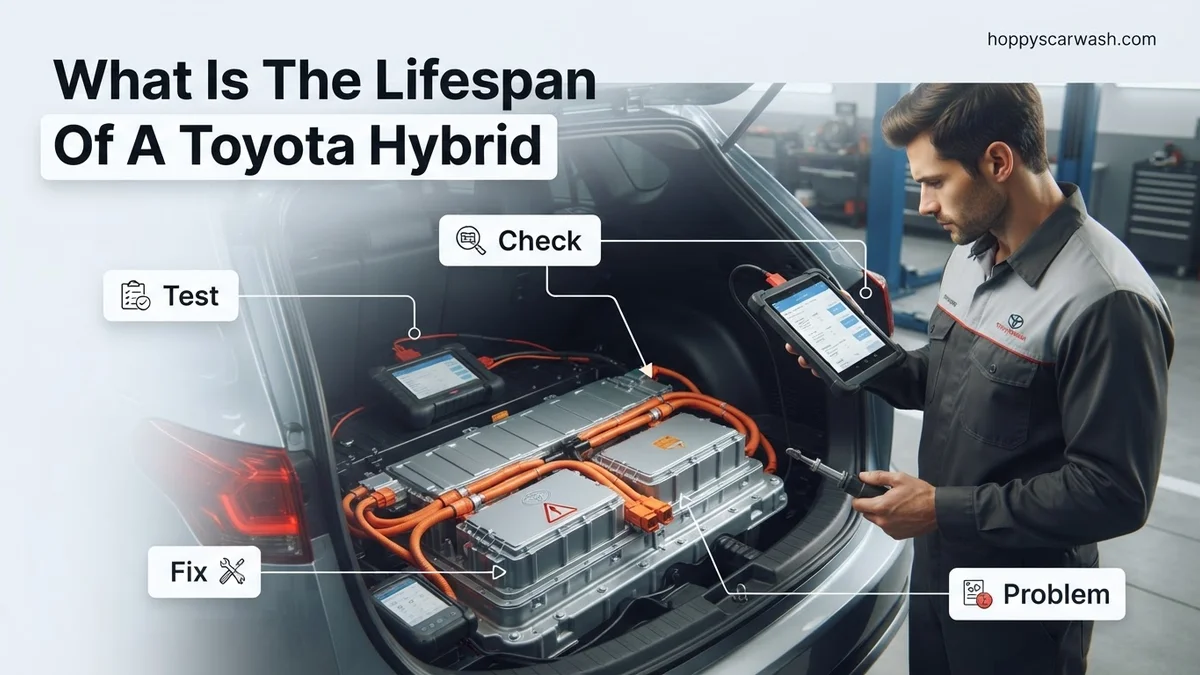
What Is The Lifespan Of A Toyota Hybrid Battery And Why It Degrades
Average Mileage and Age Expectations for Modern Toyotas
You can reasonably expect your Toyota hybrid battery to cross the 150,000-mile threshold without severe capacity loss. In optimal climates, it is common to see packs pushing past 200,000 miles on original hardware. Toyota engineers these systems with built-in buffer zones, meaning the car never fully charges or discharges the physical cells. This clever software protection is the primary reason why Toyota hybrids routinely outlast competitor platforms.
Key Environmental Factors Impacting Battery Longevity
While the hardware is tough, external conditions still play a massive role in how gracefully your battery ages. Keep the following factors in mind as you monitor your vehicle’s health:
- Extreme Heat: Persistent ambient temperatures above 90 degrees Fahrenheit accelerate chemical degradation inside the cells.
- Inconsistent Use: Letting your Toyota sit parked for weeks at a time without starting it is actually worse for the battery than daily commuting.
- Cooling Fan Maintenance: Clogged intake filters—often choked by pet hair or dust near the rear seat vents—can cause the battery to overheat and fail prematurely.
Step-by-Step Guide to Testing and Assessing Your Toyota Hybrid Battery Health
Using OBD-II Scanners and Smartphone Apps
You do not need to visit a dealership to get a clear picture of your battery health in 2026. Armed with a Bluetooth OBD-II adapter and a specialized mobile application like Dr. Prius, you can run a diagnostic test right in your driveway. These tools connect directly to the vehicle computer to reveal vital statistics that a standard check-engine light will completely ignore.
Interpreting Internal Resistance and Block Voltages
Once you connect your diagnostic tool, look past the basic state-of-charge percentage and focus on the deeper metrics:
- Block Voltage Delta: Check the voltage difference between the highest and lowest cell blocks. A healthy pack stays tightly grouped, while a delta exceeding 0.3 volts under load indicates a failing module.
- Internal Resistance: Higher resistance numbers mean the battery is losing its ability to deliver current quickly, forcing the gas engine to work harder.
- Real-World Fuel Economy: Tracking your miles per gallon over a tank of gas remains the ultimate low-tech indicator; a sudden, unexplained drop in fuel efficiency usually points to diminished battery assistance.
How to Fix and Prevent Early Toyota Hybrid Battery Failure
Preventing premature degradation requires active management of your vehicle’s thermal and charge cycles. According to automotive service experts, neglecting basic maintenance significantly shortens the operational lifespan of nickel-metal hydride and lithium-ion packs. Implementing targeted maintenance strategies keeps your battery operating within optimal efficiency parameters throughout 2026 and beyond.
Maintain Cooling System Integrity
Thermal management is the single most critical factor in battery longevity. The cooling fan draws cabin air through a filter to regulate cell temperatures. Follow these procedural steps to protect your thermal system:
- Locate the hybrid battery intake vent, usually situated near the rear passenger seat on the side of the vehicle.
- Inspect the intake grille monthly for accumulated pet hair, dust, and debris that restrict airflow.
- Vacuum the exterior grille surface thoroughly using a soft brush attachment.
- Have a certified technician clean the internal cooling fan blades and ducting every 50,000 miles to prevent overheating faults.
Avoid Extended Parking Periods
Leaving a Toyota hybrid parked for weeks without driving causes self-discharge and potential cell imbalance. If you must store the vehicle, adhere to manufacturer protocols by running the engine for at least 30 minutes every two weeks to maintain a healthy state of charge.
What If Your Hybrid Battery Still Fails After Troubleshooting
When preventive measures and basic resets fail to clear dashboard warning lights like “Check Hybrid System,” the battery pack has likely suffered irreversible cell degradation. Addressing structural pack failure promptly prevents secondary damage to the inverter. Consider the following fallback steps when your troubleshooting efforts are unsuccessful:
- Schedule a diagnostic scan with a Toyota dealership or specialized hybrid repair shop to isolate failing modules using factory software.
- Request a formal battery health report showing individual module voltages and internal resistance levels.
- Evaluate replacement options, keeping in mind that brand-new OEM packs generally cost between $2,000 and $4,000 excluding labor, while professionally rebuilt alternatives range from $1,500 to $2,500.
- Verify warranty coverage, as Toyota’s extended federal mandates often protect components up to 10 years or 150,000 miles depending on the model year.
Conclusion
Maximizing the lifespan of your Toyota hybrid battery relies heavily on maintaining clean cooling vents, avoiding prolonged storage, and addressing warning signs immediately. When replacement becomes necessary, choosing certified components ensures long-term reliability. According to verified research and automotive engineering sources, proactive thermal management can successfully push a modern Toyota hybrid battery well past the 15-year mark. Your immediate next step should be to inspect your rear intake vents and schedule a professional diagnostic check if your vehicle exhibits declining fuel economy.
❓ Frequently Asked Questions
What are the early warning signs that a Toyota hybrid battery is failing?
Common symptoms include a sudden drop in fuel economy, the gasoline engine running much more frequently than usual, fluctuating state-of-charge meters on the dashboard, and diagnostic trouble codes related to battery block voltage.
How does weather and climate impact hybrid battery longevity?
Extreme heat is the primary environmental enemy of hybrid batteries, as high temperatures accelerate chemical degradation inside the cells. Extremely cold weather can temporarily reduce battery efficiency and power output until the pack warms up.
Are replacement Toyota hybrid batteries expensive?
Replacement costs typically range from $2,000 to $4,000 including labor, depending on whether you choose an OEM unit, an aftermarket new pack, or a certified reconditioned battery.
Does letting a hybrid car sit unused ruin the battery?
Yes, leaving a Toyota hybrid parked for weeks or months without driving can cause the high-voltage battery to self-discharge to critically low levels, potentially leading to permanent cell damage.
How can I check the health of my Toyota hybrid battery myself?
You can monitor live battery block voltages and state-of-charge metrics using an OBD-II Bluetooth scanner paired with specialized smartphone apps like Dr. Prius.
Do older Toyota models have shorter battery lifespans than newer ones?
While older nickel-metal hydride packs in vehicles like early-generation Priuses proved remarkably durable, newer lithium-ion packs feature improved energy density and advanced thermal management systems designed for even greater longevity.