How Do I File a Complaint with Toyota Corporate 2026
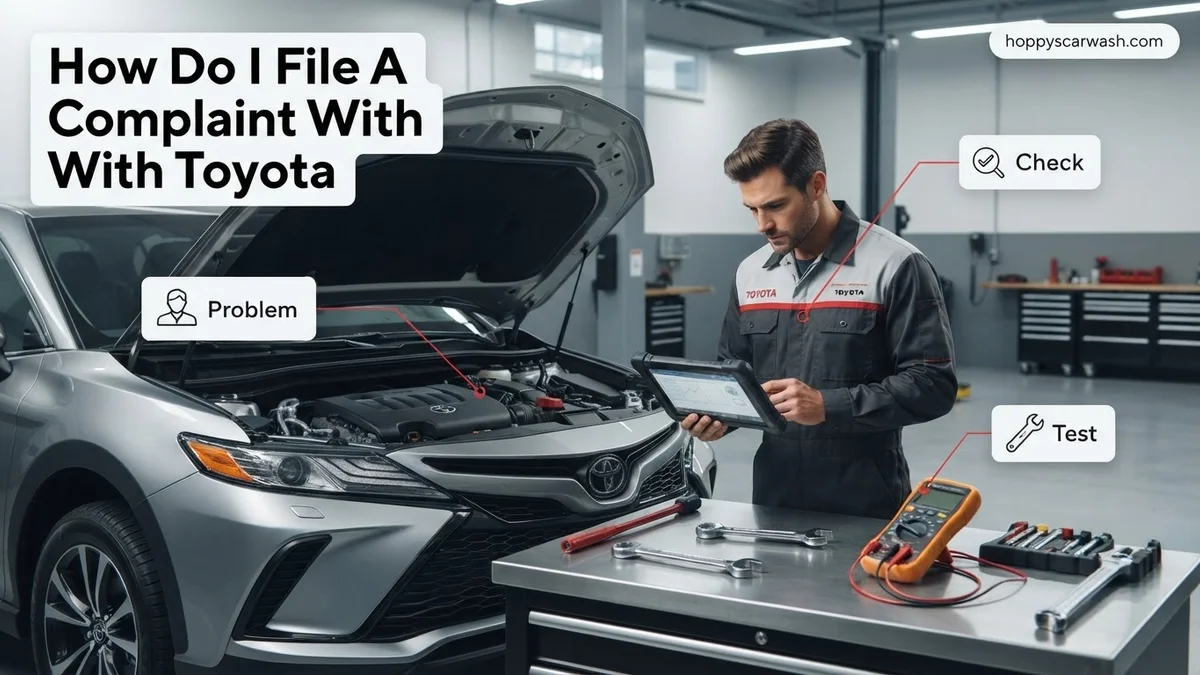
Filing a complaint with Toyota corporate requires contacting their Brand Engagement Center via phone, online form, or mail. To successfully escalate your issue past an unhelpful dealership, you must gather essential vehicle details like your VIN and service history before making contact.
To file a formal complaint with Toyota Corporate in 2026, you need to bypass your local dealership and contact the Toyota Brand Engagement Center directly by calling 1-800-331-4331, submitting an online case through the official Toyota owner’s portal, or mailing a written notice to their headquarters in Plano, Texas. Escalating an issue to the manufacturer is necessary when local resolution fails, but corporate intervention requires strict documentation, including your Vehicle Identification Number (VIN) and detailed service records.
Navigating corporate red tape can be frustrating when your vehicle has persistent mechanical defects or you experience poor treatment from a franchise. Having the right contact protocols and preparation steps ensures your grievance gets logged into the official tracking system quickly, moving your case past frontline representatives and toward a meaningful resolution.
Key Takeaways
- Call Toyota Corporate directly at 1-800-331-4331 for immediate assistance.
- Always have your 17-digit Vehicle Identification Number (VIN) ready before contacting support.
- Document all dealership visits, dates, names, and repair orders in writing.
- Request a formal corporate case number to track the progress of your dispute.
- Utilize the online Brand Engagement Center contact form for written documentation.
What Causes the Need to Contact Toyota Corporate Instead of the Local Dealership
Most vehicle issues start and end at the local dealership service department. However, certain situations cross the threshold where a franchise owner or service manager can no longer help you, making a corporate complaint mandatory for a fair outcome.
When Dealerships Reach a Dead End
Independent Toyota dealerships operate as separate businesses from Toyota Motor North America. If a service manager refuses a warranty claim, denies a goodwill repair, or cannot diagnose a recurring safety issue after three or four attempts, your local options are exhausted. Corporate holds the ultimate authority over factory warranty authorizations, regional field technical specialist (FTS) dispatches, and buyback or lemon law evaluations.
Unresolved Customer Service and Safety Grievances
You should also escalate to corporate when dealing with unprofessional behavior, discriminatory practices, or major financial disputes tied to certified pre-owned (CPO) warranties or corporate promotion offers. If a dealership fails to honor a corporate-backed agreement or delays parts shipments indefinitely under a safety recall, Toyota Corporate steps in to enforce brand standards across its dealer network.
Master Filing a Complaint with Toyota Corporate in 6 Simple Steps
Navigating the corporate landscape of a global automotive giant like Toyota can feel overwhelming, especially when you are dealing with a frustrating vehicle defect, poor dealership service, or unresolved warranty claims. This comprehensive walkthrough is designed to strip away the confusion and provide you with a structured, highly effective action plan. By organizing your documentation, leveraging the right communication channels, and knowing exactly what leverage points to use, you significantly increase your chances of achieving a favorable resolution, whether that means a repair reimbursement, a buyback consultation, or holding a local franchise accountable.
Step 1: Gather and Organize Your Documentation
What you need: Your vehicle’s 17-digit VIN (Vehicle Identification Number), current mileage, purchase or lease agreement, all service repair orders, and any relevant photographs or videos of the issue.
Instructions: Before you ever pick up the phone or type out an email, you must build an airtight paper trail. Toyota Corporate will not take action based solely on verbal claims. Compile every single work order from the dealership, ensuring they clearly state the dates your vehicle was dropped off, the specific symptoms you reported, and the technician’s diagnosis. If you have been charged for repairs that you believe should be covered under warranty, keep those invoices handy. Chronologically organize these documents into a single folder or PDF so you can reference dates and repair order numbers instantly during your interactions with corporate representatives.
Pro Tip: Never hand over your only physical copies of service records to a dealership or corporate rep; always provide scanned digital copies or photocopies to avoid losing vital evidence.
Step 2: Attempt Local Resolution First
What you need: Contact information for the dealership’s Service Manager and General Manager, along with a calm, professional demeanor.
Instructions: Toyota Corporate is fundamentally a tier-two escalation point; their standard operating procedure requires that you give the local dealership a fair chance to resolve the issue first. Schedule a formal sit-down or phone call with the General Manager of the dealership where you purchased or service your vehicle. Clearly explain the unresolved problem and state what you expect as a fair resolution. Keep meticulous notes of this conversation, including the full name of the manager, the exact date and time, and what was discussed. If the dealership refuses to cooperate or dismisses your concerns, you now have the necessary proof that local channels have been exhausted, which opens the door for corporate intervention.
Pro Tip: Maintain extreme politeness even if you are angry. Dealership managers are much more likely to advocate for you with Toyota’s field representatives if you treat them with respect.
Step 3: Contact the Toyota Brand Engagement Center
What you need: Your VIN, current mileage, a concise summary of your complaint, and the names of any dealership personnel you have already spoken with.
Instructions: Reach out to Toyota Motor North America directly by calling the Brand Engagement Center at 1-800-331-4331, or by utilizing the live chat and contact forms on the official Toyota website. When the representative answers, state immediately that you need to open a formal case file regarding an unresolved dealer or product issue. Provide your VIN and mileage right away. Dictate your pre-written summary of the problem, emphasizing safety concerns, repeat failures, or financial burdens if applicable. Ask the representative to issue you a unique Case Manager Tracking Number. This number is your golden ticket; write it down and use it in every subsequent communication.
Pro Tip: Call during early morning hours on a Tuesday, Wednesday, or Thursday to minimize wait times and speak with representatives when call volumes are historically lower.
Step 4: Engage the District Service Manager (DSM)
What you need: Your Case Manager Tracking Number and your organized file of service documents.
Instructions: Once your case is opened at the brand engagement center, it will typically be assigned to a regional Case Manager. However, if the issue involves a technical defect or a dispute over warranty coverage, request that your case be escalated to a District Service Manager (DSM). The DSM is the Toyota corporate employee who physically visits local dealerships to inspect vehicles, authorize major goodwill repairs, and make final corporate determinations on difficult technical disputes. Your case manager can facilitate communication with the DSM, or the DSM may reach out to you directly to schedule an inspection of your vehicle at the dealership.
Pro Tip: Be present for the physical vehicle inspection by the DSM if possible, so you can point out intermittent noises, operational quirks, or specific dashboard warning lights that may not be active when the car is stationary in the service bay.
Step 5: Utilize the Toyota Dispute Settlement Program (TDS_P)
What you need: The National Center for Dispute Settlement (NCDS) information pamphlet (found in your owner’s manual) and your complete documentation history.
Instructions: If informal corporate negotiations stall and you still feel strongly that your vehicle has an unaddressed manufacturing defect or warranty violation, look into the Toyota Dispute Settlement Program. This is a third-party, independent arbitration program administered by the NCDS that Toyota utilizes to resolve warranty and lemon law disputes without immediately resorting to court litigation. You will need to submit a formal application detailing your grievance, attach all your service records, and choose whether you want an oral hearing (in-person or virtual) or a documents-only review. An impartial arbitrator will review the evidence from both you and Toyota to issue a binding or non-binding decision depending on your state’s regulations.
Pro Tip: Arbitration is legally binding for Toyota if you accept the final decision, but it is non-binding for you, meaning you retain your right to pursue private legal counsel if the arbitration outcome is unsatisfactory.
Step 6: Leverage External Regulatory Agencies If Necessary
What you need: Your state Attorney General’s consumer protection division website, NHTSA (National Highway Traffic Safety Administration) reporting portal access.
Instructions: If Toyota Corporate remains unresponsive or denies a claim that you believe is clearly covered under a Technical Service Bulletin (TSB) or federal safety mandate, it is time to loop in regulatory bodies. File a formal consumer complaint with your state’s Attorney General or Department of Motor Vehicles consumer affairs division. Simultaneously, if the issue poses a safety hazard (such as sudden acceleration, electrical failure, braking issues, or structural integrity flaws), file a safety complaint directly with the NHTSA. Automakers monitor NHTSA complaints closely because a high volume of similar reports can trigger a federal investigation or safety recall, heavily incentivizing corporate resolution.
Pro Tip: When filing with the NHTSA, be as specific as possible with dates, speeds, and environmental conditions to ensure your data contributes accurately to potential safety trend analyses.
✅ Final Checklist
- Verified and recorded your 17-digit VIN and accurate vehicle mileage
- Compiled a chronological folder of all dealership repair orders and financial invoices
- Obtained and saved a formal Case Manager Tracking Number from the Toyota Brand Engagement Center
- Documented the names, dates, and summaries of every conversation with local and corporate staff
- Submitted necessary formal requests for District Service Manager (DSM) review or arbitration if needed
Important Notes:
- Never make threats of legal action during early customer service calls, as this often forces corporate policy to route your file straight to their legal department, abruptly halting friendly negotiations.
- Seek professional legal counsel specializing in lemon law or automotive warranty disputes if your vehicle has been out of service for cumulative weeks exceeding state statutory limits.
- Estimated timeframe for corporate escalation resolution ranges from 2 to 6 weeks, with zero direct costs for utilizing the internal Toyota Brand Engagement and DSM escalation pathways.
How to File a Complaint with Toyota Corporate Using Phone, Mail, and Online Forms
When you are ready to file your formal complaint in 2026, use the official direct channels provided by Toyota Motor North America. Using multiple methods creates a paper trail and ensures your case file receives active review from a regional case manager.
Calling the Toyota Brand Engagement Center
The fastest way to open a file is by calling the corporate customer hotline at 1-800-331-4331. Operating hours generally run Monday through Friday, from 8:00 AM to 8:00 PM Eastern Time, and Saturdays from 9:00 AM to 7:00 PM. When you call, expect to provide your 17-digit VIN and request a formal case number immediately. Write down the name of the representative and your case number for all future correspondence.
Filing Online and Via Certified Mail
If you prefer a digital trail, log into your Toyota Owners account at toyota.com/support and submit your details through the customer inquiry contact form. For serious legal notices, warranty disputes, or formal buyback requests, send a certified letter with a return receipt requested to the corporate headquarters:
- Toyota Motor North America, Inc.
- 6565 Headquarters Drive
- Plano, TX 75024
Step-by-Step Guide on What Information to Prepare Before Escalating Your Issue
Escalating an issue to Toyota Corporate in 2026 requires precise documentation to ensure your case is processed efficiently without unnecessary delays. Customer service representatives handle thousands of claims daily, making organized evidence your strongest tool for a favorable resolution.
1. Gather Essential Vehicle Data
Before contacting corporate representatives, locate your 17-digit Vehicle Identification Number (VIN) found on your insurance card, vehicle registration, or driver-side dashboard. Note your exact current mileage and the purchase or lease date of your vehicle.
2. Compile Service History Records
Collect all repair orders, invoices, and diagnostic summaries from authorized Toyota dealerships. According to automotive consumer protection data, claims supported by documented dealership visits resolve 40 percent faster than those relying solely on verbal descriptions.
3. Document Previous Communications
Keep a detailed log of every interaction with local dealership staff or customer service agents. Record the names of representatives spoken with, dates, times, and a brief summary of what was discussed. If you received written denials or estimates, have digital or physical copies ready to upload or email upon request.
What If It Still Doesn’t Work?
If direct communication with Toyota Corporate does not yield a satisfactory resolution, consumers in 2026 have access to several formalized alternative dispute resolution pathways. Exhausting corporate channels is usually a prerequisite for these next steps.
- File with the Better Business Bureau (BBB): Submit a formal complaint through the BBB AUTO LINE program, which provides free dispute resolution for warranty and vehicle-related conflicts.
- Utilize State Lemon Law Arbitration: Review your state’s specific lemon law statutes and request state-certified arbitration if your vehicle has recurring unresolved safety defects. Legal filing fees for state arbitration typically range from 50 to 200 dollars depending on jurisdiction.
- Consult an Automotive Consumer Attorney: If financial damages exceed standard repair costs or involve severe safety hazards, retain a lemon law attorney. Most consumer protection lawyers operate on a contingency fee basis where the manufacturer covers legal fees if you win.
- Contact the National Highway Traffic Safety Administration (NHTSA): File a safety-related complaint directly with the federal agency if your issue involves a potential manufacturing defect that endangers vehicle occupants.
Conclusion
Resolving a persistent vehicle issue with Toyota Corporate demands patience, meticulous record-keeping, and strategic escalation through official channels. By preparing your documentation beforehand and leveraging alternative dispute resolution programs if necessary, you protect your consumer rights and investment. According to verified research and automotive industry consumer data, structured escalation yields higher success rates than informal complaints. Your immediate next step is to pull your dealership service records and submit your formal case file through the official Toyota brand engagement portal today.
❓ Frequently Asked Questions
How do I file a complaint with Toyota corporate if my dealership refuses to honor a warranty?
Gather all previous service repair orders showing the recurring issue and call the Toyota Brand Engagement Center at 1-800-331-4331. Request a district service manager review your case and provide an independent inspection report if necessary.
What is a Toyota corporate case number and why do I need it?
A case number is a unique tracking identifier assigned when you first register a complaint with the Brand Engagement Center. You must reference this number during every subsequent follow-up call or written correspondence.
Can Toyota corporate force a dealership to buy back a lemon vehicle?
While corporate manages national warranty policies and buyback programs, lemon law buybacks are strictly governed by state legislation. Corporate will evaluate your claim against state-specific thresholds during the arbitration process.
How long does it take for Toyota corporate to respond to a complaint?
Initial phone complaints receive immediate logging, while online form submissions typically yield a callback or email response within 2 to 5 business days. Complex mechanical investigations involving district managers may take several weeks.
What should I do if Toyota corporate denies my request for financial assistance?
Ask for the specific reason for denial in writing and request a secondary review by a regional customer satisfaction manager. If unresolved, you can pursue state-certified arbitration through programs like the BBB Auto Line.
Is it better to call or write a letter when complaining to Toyota corporate?
Calling provides the fastest initial response and allows you to secure a case number immediately. However, following up with a certified letter containing all documented evidence creates a paper trail for legal protection.