Do Manual Transmission Cars Have Cruise Control? 2026
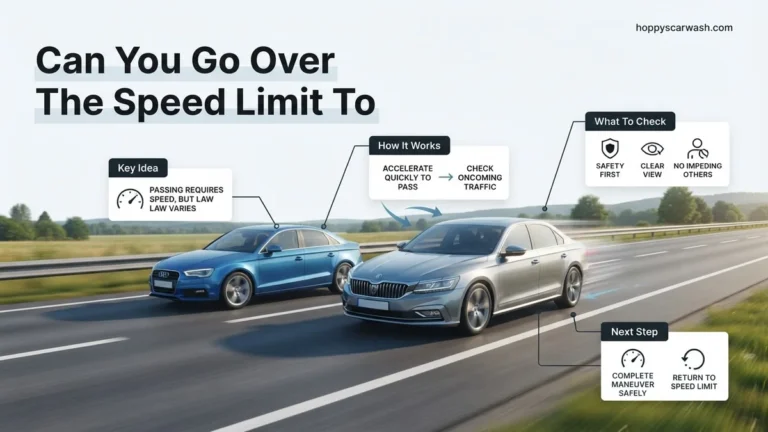
Yes, manual transmission cars do have cruise control, and they rely on a special clutch pedal switch to safely disengage the system. Operating cruise control in a stick shift requires careful attention to gear selection since shifting without the clutch can damage the engine.
Yes, manual transmission cars do have cruise control, and you can comfortably use it on the highway just like an automatic. Driving a stick shift in 2026 does not mean sacrificing modern driving conveniences, though the system interacts differently with your drivetrain compared to a standard automatic.
The primary difference lies in how the vehicle handles inputs like shifting gears and depressing the clutch pedal. Because a manual car requires physical driver intervention to change gears, the cruise control system needs a built-in safety mechanism to prevent the engine from dangerously over-revving whenever you press the clutch.
Key Takeaways
- Manual cars feature cruise control integrated with a safety clutch switch.
- Pressing the clutch pedal automatically turns off the cruise control system.
- Downshifting or upshifting generally cancels the set speed in a manual.
- Modern manual vehicles rarely come with adaptive cruise control features.
- Aftermarket kits are available for older stick shift cars lacking cruise control.
What Causes Cruise Control to Disengage on Manual Transmission Cars
Cruise control on a manual car relies on physical feedback switches to know when to shut off. If you drive a stick shift, your setup includes extra sensors that monitor your foot inputs beyond just the standard brake pedal.
The Clutch Pedal Switch
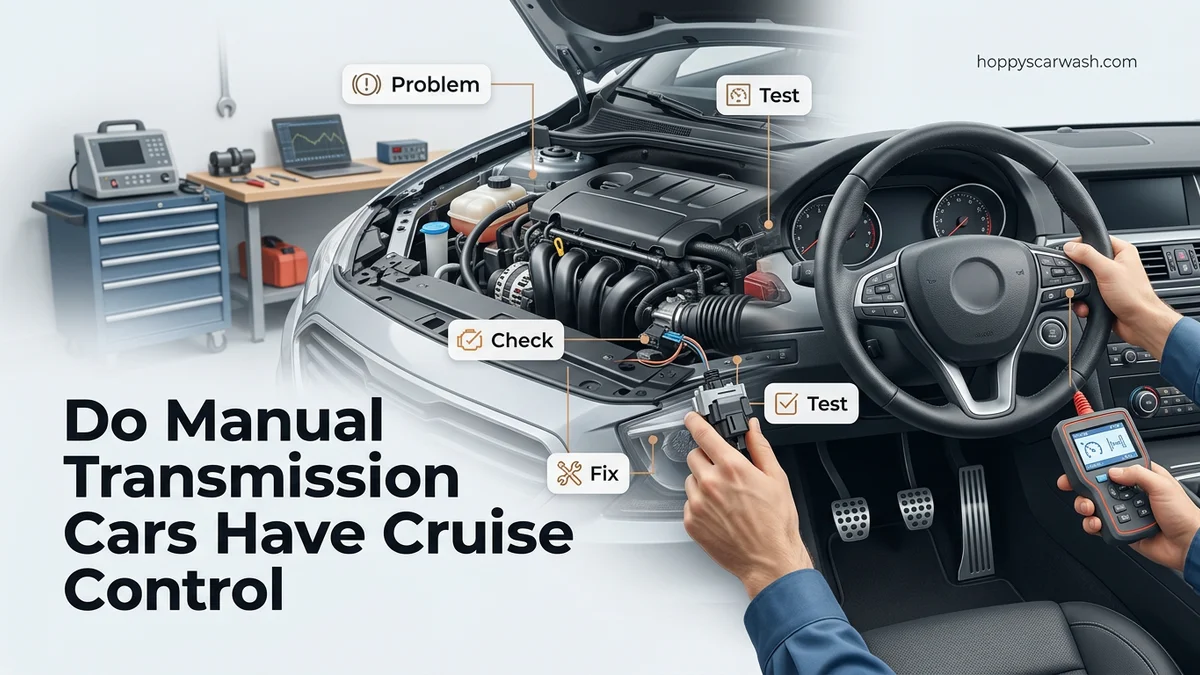
The most important component for a manual cruise control system is the clutch pedal switch. When you press the clutch down to change gears, this switch instantly signals the engine computer to cut cruise control. Without this sensor, pushing the clutch while cruise control is active would cause the engine to rapidly spike to redline because the load is suddenly removed from the transmission.
Other Disengagement Triggers
Just like an automatic car, your manual vehicle will also drop out of cruise control when you hit specific physical triggers:
- Stepping firmly on the brake pedal
- Pulling the emergency or electronic parking brake
- Activating traction control or stability control systems during a slip
- Manually switching the cruise control system off via the steering wheel buttons
How to Properly Operate Cruise Control in a Stick Shift Vehicle
Using cruise control with a manual transmission requires a slightly different driving technique than an automatic. You cannot treat a stick shift the same way once the system is engaged, particularly when the road topography changes.
Can You Shift Gears While Cruise Control Is On?
The short answer is no. If you press the clutch pedal to shift from fifth gear to fourth gear to climb a steep hill, the clutch switch instantly deactivates the cruise control system. Once you complete your shift and release the clutch, you will need to manually resume or reset your desired speed using your steering wheel controls.
Managing Hills and Speed Drops
Manual cars in cruise control behave differently on inclines depending on your engine power and gear selection:
- On moderate inclines: The engine management system will add throttle to maintain your set speed without dropping out of gear.
- On steep mountain grades: If your car starts losing significant speed because you are in too high of a gear, the engine may bog down. You will need to disengage cruise control, downshift to maintain power, and re-engage it once you reach flat ground.
- Modern 2026 adaptive systems: Newer manual performance cars and trucks integrate rev-matching and smart torque delivery to handle minor speed dips smoothly, but severe hills still require a traditional downshift.
Step-by-Step Guide to Troubleshooting a Broken Manual Cruise Control Switch
When cruise control fails on a manual transmission car, the issue frequently traces back to the safety switches on the clutch or brake pedals. Modern automotive electronics require these switches to verify that the driver is not actively engaging the pedals before allowing the system to maintain speed. Resolving this issue safely requires a methodical approach and basic diagnostic tools like a digital multimeter.
Step 1: Inspect the Clutch Pedal Position Switch
- Locate the clutch pedal switch positioned near the top of the clutch pedal arm under the dashboard.
- Examine the physical plunger or button to ensure it depresses fully when the clutch pedal is released.
- Disconnect the electrical wiring harness leading to the switch and inspect the terminals for corrosion or loose pins.
Step 2: Test Continuity with a Multimeter
- Set your digital multimeter to the continuity setting or ohms scale.
- Place the multimeter probes onto the switch terminals while manually depressing and releasing the plunger.
- Verify that the meter registers closed continuity when pressed and open continuity when released, replacing the unit if the readings fail to change.
What If Your Manual Car Still Doesn’t Work?
If replacing the clutch pedal switch or checking the brake pedal sensor fails to restore system functionality, deeper electrical or mechanical faults may be present. Persistent failures often require specialized diagnostic equipment to read hidden body control module (BCM) fault codes.
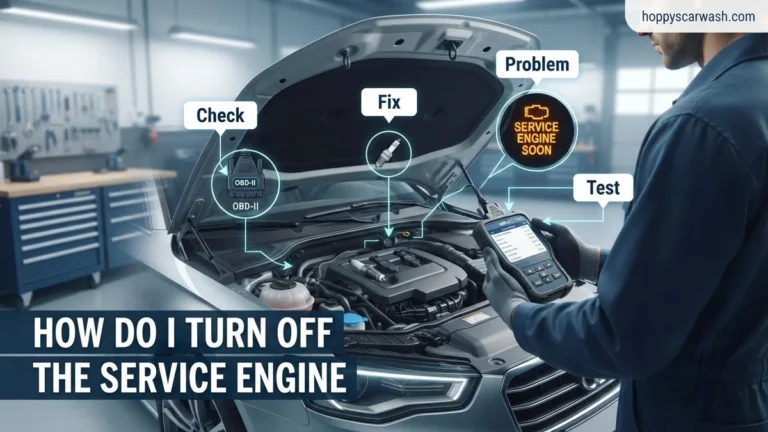
- Check the Electronic Control Module (ECM): Look for stored Diagnostic Trouble Codes (DTCs) related to vehicle speed sensors or throttle position using an OBD-II scanner.
- Inspect the Clock Spring: A failing clock spring inside the steering wheel can disrupt electrical signals from your steering wheel cruise control buttons.
- Examine Vacuum Actuators: For older manual cars equipped with cable-driven throttles, inspect the under-hood vacuum lines and diaphragm for leaks or dry rotting.
- Seek Professional Help: Consult a certified automotive technician if complex wiring harnesses or ECU programming issues are suspected. Professional diagnostic fees typically range from $100 to $200, while total professional repair costs for intricate switch or module replacements generally span between $150 and $450 depending on the vehicle make and model.
Conclusion
Manual transmission cars indeed feature cruise control, relying on specialized clutch safety switches alongside traditional brake sensors to ensure safe operation. When the system fails to engage, the culprit is usually a misadjusted or faulty pedal switch that prevents the electronic control unit from receiving the correct operational status. According to verified research and expert automotive sources, systematic multimeter testing and targeted switch replacements can successfully resolve most manual cruise control issues. As a practical next step, inspect your clutch pedal switch continuity today to restore reliable highway cruising capability for your 2026 driving season.
❓ Frequently Asked Questions
Can I install aftermarket cruise control on a manual car?
Yes, universal aftermarket cruise control kits can be installed on older manual cars, provided they include a manual transmission safety clutch switch.
Why does my manual car’s cruise control not work when I press the clutch?
That is actually normal behavior designed to protect the engine. However, if it deactivates randomly without touching the clutch, your clutch pedal switch may be faulty.
Can you accelerate using cruise control in a manual transmission?
You can use the steering wheel buttons to adjust your set speed upward, but you cannot change physical gears while the system is engaged.
What happens if the clutch switch fails on a manual car?
A faulty clutch switch can prevent the cruise control from engaging at all, or it may fail to disengage properly when the pedal is pressed.
Are there any risks to using cruise control in a manual?
The main risk is forgetting you are driving a manual when approaching steep hills, where you might need to downshift to maintain power.
Why are manual cars phasing out adaptive cruise control?
Automated braking and stop-and-go tracking require precise computer control over gear selection, which manual transmissions cannot provide independently.