Do Manual Transmissions Have Transmission Fluid? 2026
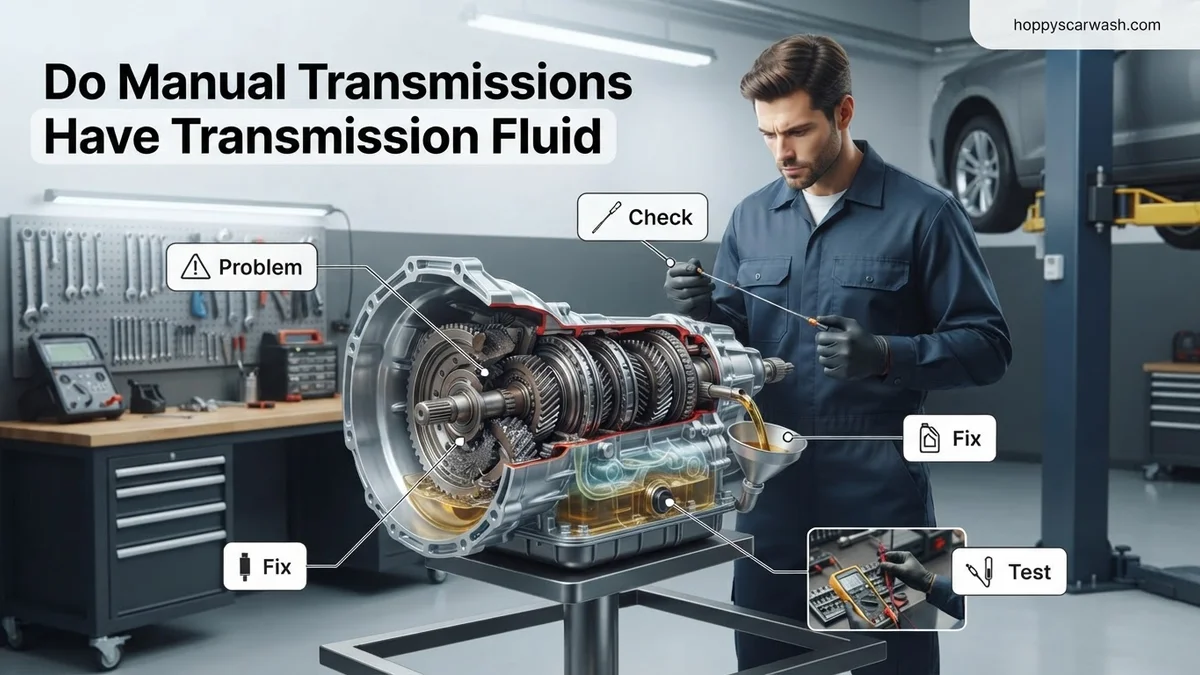
Yes, manual transmissions definitely require fluid to lubricate gears, reduce friction, and prevent premature wear. Unlike automatics, they typically use heavy-duty gear oil rather than hydraulic fluid to protect internal components.
Yes, manual transmissions do have transmission fluid, and keeping it fresh is just as critical for a stick-shift car in 2026 as it is for an automatic. While many drivers assume that manual gearboxes are simpler and therefore do not require the same fluid maintenance, they actually rely heavily on specialized lubrication to operate smoothly.
Without adequate fluid, your manual transmission will quickly suffer from metal-on-metal friction, leading to severe gear damage and costly repairs. Understanding what goes into your manual gearbox helps you protect your drivetrain and keeps your shifts crisp and effortless.
Key Takeaways
- Manual transmissions require fluid to lubricate gears and protect internal components.
- Most manual gearboxes use thicker gear oil, though some use standard automatic fluid or motor oil.
- Low fluid causes hard shifting, grinding noises, and eventual transmission failure.
- Fluid change intervals typically range between 30,000 to 60,000 miles depending on driving habits.
- Checking manual transmission fluid usually requires removing a fill plug under the vehicle.
What Causes Low or Degraded Manual Transmission Fluid
Fluid Leaks Through Seals and Gaskets
Over time, the rubber seals and gaskets in your manual transmission can dry out, crack, and shrink. This is the primary reason why fluid levels drop unexpectedly in modern vehicles. If you notice dark reddish-brown or amber puddles under the center of your car, a failing input shaft seal or output shaft seal is likely the culprit.
Natural Breakdown From Heat and Friction
Even without a leak, manual transmission fluid degrades through normal use. Constant gear meshing, high operating temperatures, and microscopic metal shavings from normal wear and tear break down the chemical additives in the oil. By 2026 standards, modern gear oils are engineered to last longer, but they still lose their protective qualities over thousands of miles of driving.
-
Common warning signs of low or degraded fluid include:
- Difficulty shifting gears, especially when the transmission is cold
- Grinding noises when moving the shifter into specific gears
- A whining or humming sound that increases as your vehicle accelerates
- A burning smell coming from underneath the vehicle
How to Check and Change Manual Transmission Fluid Step-by-Step
Locating and Checking Your Transmission Fluid
Unlike automatic transmissions, most manual gearboxes do not feature a convenient dipstick under the hood. Instead, you must safely lift the vehicle on jack stands to inspect the transmission housing. You will need to locate the fill plug on the side of the transmission case; the fluid level should ideally sit right at the bottom lip of this threaded plug hole when checked on a level surface.
The Fluid Change Process
Replacing manual transmission fluid is a straightforward maintenance task if you have basic mechanical tools. Always remove the fill plug before removing the drain plug to ensure you can replenish the fluid if the fill plug is stuck. Most manual transmissions require between 2 to 4 quarts of heavy-duty gear oil, such as 75W-90, though you should always check your specific owner manual for the exact viscosity and capacity required for your vehicle.
-
Basic steps for replacing your manual transmission fluid:
- Warm up the transmission by driving for 10 minutes to help the old fluid drain completely.
- Safely elevate the vehicle using certified jack stands and secure wheel chocks.
- Remove the fill plug first, then place a drain pan underneath and remove the drain plug.
- Allow the old fluid to drain fully, then reinstall and torque the drain plug to factory specifications.
- Pump or squeeze new gear oil into the fill hole until it begins to trickle back out, then reinstall the fill plug securely.
Signs Your Manual Transmission Needs New Fluid
Manual transmission fluid degrades over time due to extreme thermal breakdown, high shear forces, and microscopic metal shavings from gear engagement. According to automotive service data from the Society of Automotive Engineers (SAE), manual gearboxes require fluid replacement every 30,000 to 60,000 miles, depending heavily on driving conditions.
Recognizing the Warning Symptoms
Ignoring scheduled fluid changes leads to distinct mechanical warning signs. Drivers should monitor their vehicles for the following performance changes:
- Stiff or rough gear engagement: Degraded fluid loses its viscosity, making it difficult to slide the gear synchronizers into place smoothly.
- Audible grinding noises: A distinct whine or metal-on-metal grinding sound during shifting indicates metal components lack sufficient lubrication.
- Slipping out of gear: Low fluid pressure or worn fluid additives can cause the transmission to spontaneously pop out of gear while driving.
- Burning odor: A foul, sulfur-like smell suggests the transmission fluid has overheated and burned, losing all protective properties.
Visual Fluid Inspection
Checking the physical condition of the manual transmission fluid provides definitive proof of wear. Fresh gear oil typically appears amber or clear with a distinct smell. If a technician or DIYer pulls the dipstick or fill plug and finds dark, opaque fluid contaminated with metallic flakes, immediate replacement is required to prevent catastrophic internal transmission failure.
What If It Still Doesn’t Work?
Replacing old manual transmission fluid resolves the vast majority of shifting friction issues. However, if the vehicle still exhibits gear grinding, resistance, or slipping after a fresh fluid fill, the root cause extends beyond lubrication.
When basic fluid maintenance fails to correct the problem, drivers should follow these subsequent steps:
- Inspect the clutch hydraulic system for leaks, air bubbles, or master cylinder failure, as an incomplete clutch release mimics transmission trouble.
- Check the shift linkage and bushings for excessive play or physical damage that prevents proper gate alignment.
- Consult a certified professional transmission specialist to diagnose internal mechanical damage, such as worn brass synchronizer rings or chipped gear teeth.
- Prepare for potential component overhauls; professional manual transmission repairs typically range from $1,500 to $3,500 depending on the vehicle make and model.
- Seek immediate diagnostics if persistent metallic noises occur, as delayed professional intervention in 2026 often turns a minor repair into a full transmission replacement.
Conclusion
Manual transmissions absolutely require transmission fluid—typically heavy-duty gear oil—to protect vital internal components from friction, heat, and premature wear. Neglecting this essential maintenance schedule compromises shifting performance and risks expensive mechanical failures. According to verified research and expert automotive sources, sticking to a strict 30,000-to-60,000-mile fluid change interval dramatically extends the lifespan of a manual gearbox. The most actionable next step is to check the current mileage against the vehicle owner’s manual to determine if a fluid service is overdue.
❓ Frequently Asked Questions
Do manual transmissions have transmission fluid?
Yes, manual transmissions require a specialized lubricant—usually gear oil or synchronized manual transmission fluid—to function properly. This fluid keeps the gears cool, quiets operation, and prevents metal-on-metal wear.
What type of fluid goes into a manual transmission?
Depending on the make and model, manual transmissions use heavy-duty gear oil (like 75W-90), automatic transmission fluid (ATF), or specifically formulated synchronized fluid. Always check your owner’s manual for the exact specification.
How can I tell if my manual transmission fluid is low?
Common signs include resistance or stiffness when shifting gears, a grinding sound when changing gears, a burning smell, or a noticeable whining noise coming from underneath the vehicle.
Can I use automatic transmission fluid in a manual transmission?
Only if the manufacturer specifically calls for it. Putting ATF into a manual transmission designed for heavy gear oil will result in inadequate lubrication and rapid internal damage.
Is it hard to change manual transmission fluid yourself?
Changing the fluid is generally straightforward if you can safely lift the vehicle on jack stands. You simply remove the drain plug to empty the old fluid, replace the plug, and pump new fluid in through the fill hole.
Why does manual transmission fluid need to be changed?
Over time, friction wears down microscopic metal particles that contaminate the fluid. Additionally, thermal breakdown causes the oil to lose its lubricating properties, making gear changes rougher.