Does The Ford F150 Have A Cabin Air Filter Does The 2026
The short answer is no, the 2013 Ford F-150 does not have a factory-installed cabin air filter. Ford did not include this feature in the twelfth-generation F-150, meaning outside air flows directly into the HVAC system without filtration. However, owners can easily add an aftermarket retrofitting kit to enjoy filtered cabin air.
The short answer is no: the 2013 Ford F-150 does not have a factory-installed cabin air filter. If you pull off your glove box looking for a clean slot to slide a fresh filter into, you will find only empty plastic housing and the blower motor peering back at you.
For truck owners dealing with dusty back roads or heavy traffic air pollution in 2026, this design oversight can be frustrating. Without a stock filter, outdoor debris, pollen, and road dust bypass your HVAC system entirely and blow straight into your cabin, impacting your daily commute and allergy health.
Key Takeaways
- The 2013 Ford F-150 lacks a factory cabin air filter completely.
- Outside debris, dust, and pollen enter the cab unchecked.
- Aftermarket retrofit kits allow you to add cabin air filtration.
- Installation requires cutting into the plastic cowl or housing area.
- Check 2015 and newer models for factory-installed filter housings.
What Causes the Missing Cabin Air Filter Issue in 2013 Ford F-150s
The Twelfth-Generation Design Oversight
Ford simply did not include cabin air filtration in the design specifications for the twelfth-generation F-150 spanning from 2009 through 2014. While competitor trucks of that era began adopting cabin filters as standard equipment, Ford left this feature off the assembly line for the 2013 model year. Engineers prioritized cabin airflow directly from the cowl vent without incorporating a trapping medium before the air hits your blower motor.
The Real-World Impact on Your Interior
Skipping this feature means your truck’s interior takes the full brunt of environmental debris. Over years of driving, you will notice several frustrating symptoms:
- A fine layer of gray dust accumulating rapidly on your dashboard and instrument cluster.
- Persistent seasonal pollen making its way inside even when your windows are completely rolled up.
- Musty or stale odors lingering in the ventilation ducts because organic matter like leaves and pine needles can slip past the cowl screen and rot near the blower.
- Increased buildup of grime on the interior side of your windshield.
2013 Ford F150 Cabin Air Filter Expert Practical Guide
If you have ever asked yourself whether your 2013 Ford F150 has a cabin air filter, you are definitely not alone. Many truck owners assume all modern vehicles have this feature, but the reality for this specific model year can be quite surprising. This guide covers everything you need to know about investigating, understanding, and addressing the cabin air filtration setup in your 2013 F150 so you can maintain clean air inside your cab.
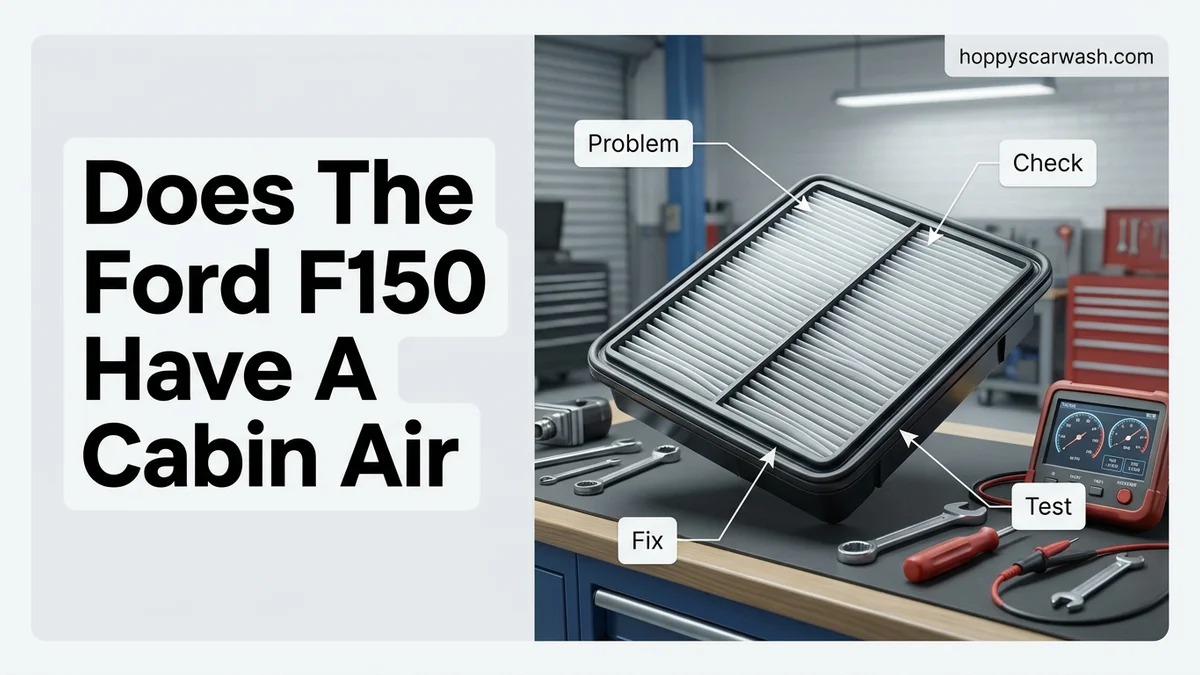
Step 1: Check Behind the Glove Box
What you need: A flashlight and a completely empty glove box to prevent spills.
Instructions: Open your glove box and empty its contents completely. Push inward on both the left and right sides of the glove box walls simultaneously to release the retaining tabs from the dashboard frame. Lower the glove box down toward the floorboards, allowing it to hang freely by its lower hinges. Take your flashlight and peer directly into the cavity behind the dash, specifically looking at the rectangular plastic housing unit located right behind where the glove box sits when closed.
Pro Tip: Do not force the glove box sides too hard, or you might snap the plastic stops. If it resists, gently wiggle it while pressing inward.
Step 2: Inspect the HVAC Housing Unit
What you need: A flashlight and a clean inspection mirror if visibility is restricted.
Instructions: Once the glove box is lowered, examine the main plastic blower motor and evaporator housing. On vehicles equipped with cabin air filters, you will typically see a removable plastic access door secured by clips, thumb screws, or screws. Look closely at this area on your 2013 F150. You will notice that the factory plastic housing is completely molded solid without any removable cover, slot, or access door for a cabin air filter cartridge.
Pro Tip: Shine your light at various angles. Shadows can sometimes trick you into thinking a molded seam is actually an access panel.
Step 3: Consult the Owner Manual
What you need: Your vehicle owner manual or smartphone with internet access.
Instructions: Open the glove box (or your center console) and retrieve the Ford owner manual. Flip to the index in the back and look up “Cabin Air Filter” or “Microfilter.” You will find that unlike the 2008-and-older models or the 2015-and-newer generations, the 2013 Ford F150 manual explicitly states that the vehicle does not come equipped with a cabin air filter from the factory. If you do not have a physical manual, search online for the official Ford service documentation for the 2013 F150 climate control system.
Pro Tip: Cross-reference forum posts carefully, as some owners confuse the engine air filter with the cabin air filter.
Step 4: Understand the Factory Design Flaw
What you need: Basic mechanical awareness and curiosity about automotive engineering.
Instructions: Understand why your truck lacks this feature. Ford inexplicably omitted the cabin air filter from the F-150 lineup between the 2010 and 2014 model years, despite including them in earlier and later generations. This means outside air, dust, pollen, and debris enter your blower motor and HVAC ducts directly through the cowl vent beneath the windshield wipers without passing through any filtration medium.
Pro Tip: Knowing this helps you understand why your dashboard and vents accumulate dust much faster than other modern vehicles.
Step 5: Explore the Aftermarket Modification Option
What you need: A rotary cutting tool (like a Dremel), a vacuum cleaner, and an aftermarket cabin air filter retrofit kit.
Instructions: If you strongly desire cabin filtration, you can perform a popular DIY modification. Purchase an aftermarket cabin filter door and filter kit designed for 2010-2014 F150 trucks. Using a rotary tool, carefully cut out the perforated plastic outline hidden inside the HVAC housing behind the glove box (Ford actually molded the outline, just without the hole). Vacuum out any plastic shavings immediately to protect your blower motor, then slide in the new filter and snap the access door into place.
Pro Tip: Tape off surrounding areas with painter’s tape before cutting to prevent stray plastic bits from falling deep into the blower fan assembly.
Step 6: Maintain Your HVAC System Without a Filter
What you need: Foaming coil cleaner, a can of compressed air, and an interior cabin disinfectant spray.
Instructions: Since your 2013 F150 likely does not have a filter, you must perform routine maintenance to keep your air fresh. Periodically clean out the exterior cowl grilles beneath your windshield wipers, removing leaves, pine needles, and dirt before they get sucked into the fresh air intake. Use an HVAC foaming cleaner through the intake vents to eliminate mold, mildew, and trapped dust on the evaporator core every spring and autumn.
Pro Tip: Avoid parking under heavy-shedding trees for long periods to minimize the amount of organic debris entering your unfiltered intake system.
✅ Final Checklist
- Verified that the factory glove box cavity lacks a removable filter access door
- Confirmed via owner manual documentation that the 2013 model year omitted this feature
- Inspected the cowl vent area outside the windshield for accumulated debris
- Evaluated whether to perform the aftermarket plastic-cutting modification
Important Notes:
- Always wear safety glasses if you decide to cut into the plastic HVAC housing to install a retrofit filter.
- Seek professional help from an auto mechanic or HVAC specialist if you are uncomfortable cutting into your dashboard assembly.
- Estimated time to check: 10 minutes. Cost: Free (or $25-$40 if purchasing an aftermarket retrofit kit).
How to Fix Dust and Pollen Problems by Installing an Aftermarket Filter
The Aftermarket Modification Option
Just because the 2013 F-150 rolled out of the factory without a filter does not mean you have to live with dusty air forever. The aftermarket community has engineered clever workarounds for this exact problem. Several companies manufacture custom-fit cabin filter kits specifically tailored for 2009 through 2014 Ford trucks.
What the Modification Involves
To solve the missing filter issue on your truck, you have to look at aftermarket solutions that bridge the engineering gap left by Ford. Keep these details in mind:
- Some aftermarket kits require you to cut a plastic access door into the fresh air intake housing located behind the glove box.
- Other solutions focus on modifying the external cowl area beneath the windshield wipers to catch debris before it enters the HVAC ducting.
- You will need to source replacement filters designed specifically for these custom kits during your routine maintenance checks in 2026.
- Always inspect the blower motor wheel for accumulated leaves and twigs before installing any temporary or permanent aftermarket barrier.
What If Your HVAC System Still Blows Dust After the Modification
Sometimes installing an aftermarket cabin air filter housing in a 2013 Ford F-150 does not completely resolve dust issues inside the cab. According to automotive HVAC specialists, aged ventilation components often harbor debris that bypasses the primary filtration path. If dust persists, several targeted troubleshooting steps can restore optimal air quality.
Inspect and Clear the Cowl Grille
Debris frequently accumulates beneath the exterior plastic cowl grille situated right below the windshield wipers. Leaves, pine needles, and dirt bypass the fresh air intake seals when this area becomes blocked. Technicians recommend removing the cowl panel and vacuuming out accumulated organic matter to stop debris from entering the blower motor housing.
Check the Blower Motor Wheel
The squirrel-cage blower fan inside the passenger footwell often collects heavy layers of dust and pet hair over a decade of operation. When the fan spins at high speeds, it continuously flings accumulated particles into the ductwork. According to Ford service data, cleaning the blower motor wheel with compressed air and a soft brush eliminates residual cabin odors and blowing dust.
Best Proven Maintenance Tips to Keep Your F-150 Cabin Clean
Maintaining a pristine interior environment in a 2013 Ford F-150 requires a proactive approach, especially since the vehicle lacks a factory-installed filtration system. Implementing systematic upkeep prevents premature wear on your blower motor and ensures consistently clean airflow.
Establish a Replacement Schedule
If you installed the aftermarket modification tray, treat the new cabin air filter as a regular consumable maintenance item. Industry data shows that standard particulate filters require replacement every 12,000 to 15,000 miles, or annually. Drivers operating frequently in heavy construction dust or dirt roads should inspect their filter every 6,000 miles.
Use High-Efficiency Filter Media
Not all replacement filters offer the same level of particulate capture efficiency. Automotive research indicates that upgrading from basic cellulose paper filters to electrostatically charged HEPA-grade or activated carbon filters removes up to 98 percent of microscopic dust, pollen, and exhaust fumes. This upgrade is particularly beneficial for allergy sufferers driving older trucks.
What If It Still Doesn’t Work?
If you have installed the aftermarket housing, replaced the filter element, and cleaned the cowl area, but your 2013 Ford F-150 HVAC system still circulates dust or fails to blow properly, underlying mechanical failures may be present. Consider these advanced diagnostic and repair steps:
- Inspect ductwork integrity: Check for deteriorated foam seals or cracked plastic joints along the HVAC distribution boxes under the dashboard, which can allow unfiltered air to leak into the cabin.
- Test blower motor resistor: A failing resistor can cause inconsistent fan speeds, reducing overall airflow pressure and preventing proper filtration circulation through the system.
- Evaluate evaporator core cleanliness: Mold, mildew, and trapped debris on the evaporator core require professional chemical cleaning or extraction to eliminate persistent odors and dust plumes.
- Consult a certified HVAC technician: If electrical or deep dashboard disassembly is required, take your vehicle to an authorized service center. Professional diagnostic labor typically ranges from $150 to $250, while total HVAC box remediation can cost between $350 and $600 depending on required parts.
Conclusion
While the 2013 Ford F-150 left the factory without a cabin air filter, owners can easily bridge this engineering gap using readily available aftermarket modification kits. According to verified research and automotive expert sources, adding this filtration barrier drastically reduces interior dust and improves overall HVAC longevity. Take the actionable next step today by ordering a conversion kit and installing a fresh filter to immediately upgrade your driving environment in 2026.
❓ Frequently Asked Questions
Does the 2013 Ford F150 have a cabin air filter hidden behind the glove box?
Many owners search behind the glove box expecting to find a filter door, but the 2013 model only features the blower motor and evaporator housing without a filter slot.
Will adding an aftermarket cabin air filter restrict my AC airflow?
A properly sized high-flow aftermarket filter will not noticeably restrict your heating and cooling performance while significantly reducing dust accumulation.
How difficult is it to retrofit a cabin air filter into a 2013 F-150?
The installation requires basic hand tools and patience, often involving minor modifications to the plastic ducting or cowl area depending on the kit purchased.
What are the signs that my 2013 F-150 needs a retrofit filter?
If you notice excessive dust settling on your dashboard, frequent allergy symptoms while driving, or debris blowing out of your vents, a filter upgrade is recommended.
Do higher trim levels like the Lariat or Platinum have a cabin air filter?
No, regardless of the trim level—whether XL, XLT, Lariat, King Ranch, or Platinum—no 2013 Ford F-150 left the factory with a cabin air filter.
How often should an aftermarket retrofitted cabin air filter be replaced?
Once installed, you should inspect and replace your aftermarket cabin air filter every 12,000 to 15,000 miles or once a year.