Can You Use Compression Fittings on Brake Lines Expert 2026
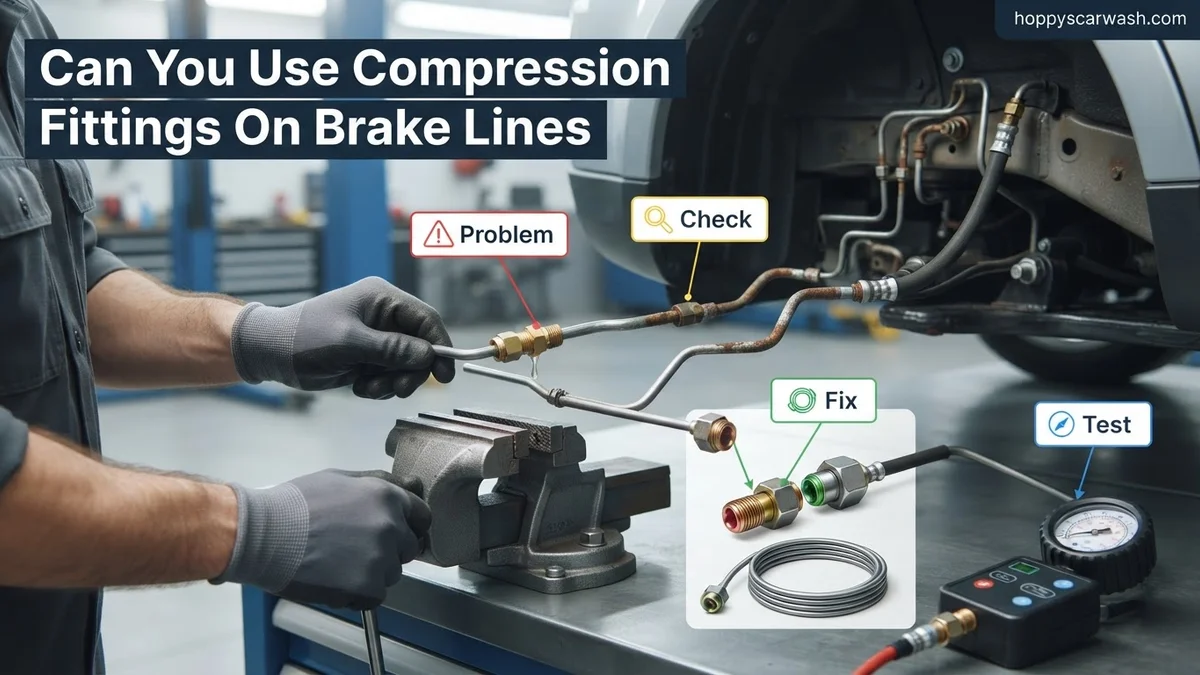
No, you should never use standard plumbing compression fittings on automotive brake lines. These fittings are incapable of handling the extreme hydraulic pressure generated by braking systems and pose a severe safety hazard due to the high risk of catastrophic line blowout.
The short answer is no: you should never use standard plumbing-style compression fittings on automotive brake lines. While they might look like they fit a standard hard line, these fittings lack the structural integrity required to handle the extreme hydraulic forces inside a modern braking system.
When you press your brake pedal in 2026, you are activating a high-pressure hydraulic circuit that operates between 800 and 2,000 PSI during normal driving, and can spike past 3,000 PSI in a panic stop. A standard compression fitting uses a simple brass ferrule that relies on friction to grip the outside of the tube. Under heavy braking pressure, that metal line can easily pull out of the fitting, leading to sudden, catastrophic brake failure with zero warning.
Key Takeaways
- Never use compression fittings on brake lines because they cannot handle high hydraulic pressure.
- Compression fittings rely on a brass olive that can easily slip off smooth steel lines.
- Using compression fittings on brake systems violates DOT regulations and fails safety inspections.
- Always use proper double-flare or ISO bubble-flare unions designed specifically for automotive brakes.
- Proper brake repair requires a dedicated flaring tool and steel or NiCopp brake lines.
Why Compression Fittings Fail on Automotive Brake Lines
Extreme Hydraulic Pressure Spikes
Brake systems do not experience a steady, low-pressure flow. Every time you slam on the brakes to avoid an obstacle, hydraulic shockwaves ripple through the lines. Standard compression fittings are designed for low-pressure residential plumbing applications, such as under-sink water supply lines that rarely see more than 60 to 80 PSI. When subjected to the thousands of pounds of pressure generated by your master cylinder:
- The brass ferrule can deform unevenly, creating micro-gaps for fluid to escape.
- The hard steel or nickel-copper tubing can slip backward out of the gripping sleeve.
- Vibration from the road and engine can work the compression nut loose over time.
Material Incompatibility and Metal Fatigue
Automotive brake lines are constructed from specific materials like Bundy tubing (double-wall steel) or nickel-copper (KUNIFER). These materials are rigid and designed to be shaped with a proper 37-degree AN flare or a 45-degree double flare. When you use a compression fitting, the sharp edge of the brass ring bites directly into the outer wall of the brake line. This creates a severe stress concentration point. Road vibration combined with this localized pinching causes metal fatigue, eventually leading to a clean fracture right at the edge of the fitting.
DOT Regulations, Legal Risks, and Safety Implications
Department of Transportation and FMVSS Compliance
Vehicle safety standards leave no room for guesswork. The Department of Transportation (DOT) and Federal Motor Vehicle Safety Standards (FMVSS No. 106) strictly regulate brake hose, tubing, and connections. Manufacturers must certify their brake components to withstand extreme burst pressures and environmental degradation. Standard compression fittings fail these compliance tests completely. Using them means your vehicle no longer meets federal safety standards for road use.
Inspection Failures and Legal Liability
If you take your vehicle to a certified shop for a state safety inspection in 2026, finding a compression fitting on a brake line is an automatic failure. Professional mechanics are trained to spot these dangerous DIY repairs immediately. Beyond failing an inspection, the legal liability is staggering:
- If a brake line fails due to a compression fitting and causes an accident, your insurance investigator will find it.
- Denial of coverage is highly likely if negligence or unapproved parts are identified as the root cause.
- You open yourself up to severe civil liability if property damage or personal injury occurs.
Step-by-Step Guide to Safely Repairing and Flaring Brake Lines
Replacing damaged brake line sections requires precision, proper tools, and adherence to automotive safety standards. According to ASE-certified master technicians, bypassing improper compression fittings in favor of a double flare or ISO bubble flare is the only way to ensure structural integrity under extreme hydraulic pressures exceeding 2,000 PSI.
Essential Tools and Preparation
Before beginning the repair, gather a professional flaring tool kit, a tubing cutter, a pipe bending tool, a wire brush, and a line wrench. Never use standard open-end wrenches, as they easily round off brake line fittings. Ensure the workspace is clean and well-lit.
Execution Steps
- Disconnect the vehicle battery and elevate the vehicle securely on heavy-duty jack stands rated for its weight.
- Locate the damaged section of the steel or ni-cop brake line, ensuring you cut at least two inches past any corrosion or kinks.
- Use a dedicated tubing cutter to slice cleanly through the line, rotating the tool slowly to avoid collapsing the inner diameter.
- Slide the correct tube nuts onto both cut ends of the brake line before attempting any flaring operations.
- Secure the line firmly in the flaring tool clamp, adjust the depth adapter according to the manufacturer specifications, and form a precise 45-degree double flare or ISO bubble flare.
- Bridge the two flared ends using an approved steel union fitting, tightening the nuts by hand first to prevent cross-threading before applying final torque with a line wrench.
- Bleed the entire brake system systematically, starting with the wheel furthest from the master cylinder and working closer.
What to Do If Your Brake Repair Leaks or Fails
If you notice fluid seepage or a soft brake pedal immediately after completing a line repair, do not drive the vehicle. Brake system failures under pressure can result in catastrophic loss of stopping power. Address any post-repair issues systematically using proven diagnostic and troubleshooting procedures.
Troubleshooting Steps
- Wipe the newly installed union and flare nuts completely dry with a clean shop towel, then have an assistant firmly depress the brake pedal while you inspect for micro-leaks under high pressure.
- If fluid weeps from the center of the union, loosen the fitting, inspect the flare seats for debris, and retighten carefully without over-torquing.
- If a flare is malformed, cracked, or leaking at the base of the cone, cut the end off completely, discard the old tube nut, and create a brand-new double flare.
- Verify that the brake fluid reservoir remains adequately filled throughout the bleeding and testing process to prevent air from entering the master cylinder.
- If air bubbles persist in the hydraulic lines despite multiple bleeding cycles, or if component corrosion compromises adjacent structural mounting points, consult a professional mechanic. Professional brake line replacement services typically cost between $150 and $400 depending on the vehicle make and affected line length.
Conclusion
Using compression fittings on automotive brake lines creates a severe safety hazard due to their inability to withstand high-hydraulic pressures and mechanical vibration. Prioritizing proper double flares and certified steel union fittings ensures your braking system remains secure under stressful driving conditions. According to verified research and expert automotive safety sources, replacing makeshift hardware with proper flaring techniques prevents catastrophic brake failure. Take action today by inspecting your vehicle’s current brake lines and replacing any unauthorized compression fittings immediately.
❓ Frequently Asked Questions
Are brass compression fittings rated for hydraulic brake pressure?
Standard plumbing or hardware store brass compression fittings are typically rated for a few hundred PSI of water or air pressure. Automotive hydraulic braking systems regularly exceed 1,500 to 2,000 PSI during heavy braking, far surpassing the structural limits of a compression fitting.
What happens when a compression fitting blows out on a brake line?
When a compression fitting fails under pressure, the brake fluid instantly escapes, causing an immediate loss of hydraulic pressure. This leads to a dangerously soft or completely dead brake pedal, severely reducing stopping power.
Are compression fittings illegal in all states for brake repairs?
Yes, Department of Transportation (DOT) regulations and every state vehicle safety inspection code explicitly prohibit non-standard, unrated fittings on primary safety systems like brakes. Using them renders a vehicle unroadworthy.
What is the correct method to join two pieces of hard brake line?
The proper method requires cutting the line cleanly, slipping on the correct tube nut, forming a proper 45-degree double flare or 37/ISO bubble flare on the tube ends, and joining them with an approved steel or brass brake union.
Can I use compression fittings on a clutch line instead?
While hydraulic clutch lines operate at lower pressures than braking systems, they still experience significant spikes and fluid displacement. Using compression fittings on any critical hydraulic vehicle control line is strongly discouraged.
What tools do I need to safely repair a broken brake line?
You will need a tubing cutter, a high-quality professional flaring tool kit (capable of double flares), line wrenches, a deburring tool, and replacement brake-rated tubing and unions.