What to Do When Gas Overflows When Filling Tank Guide 2026
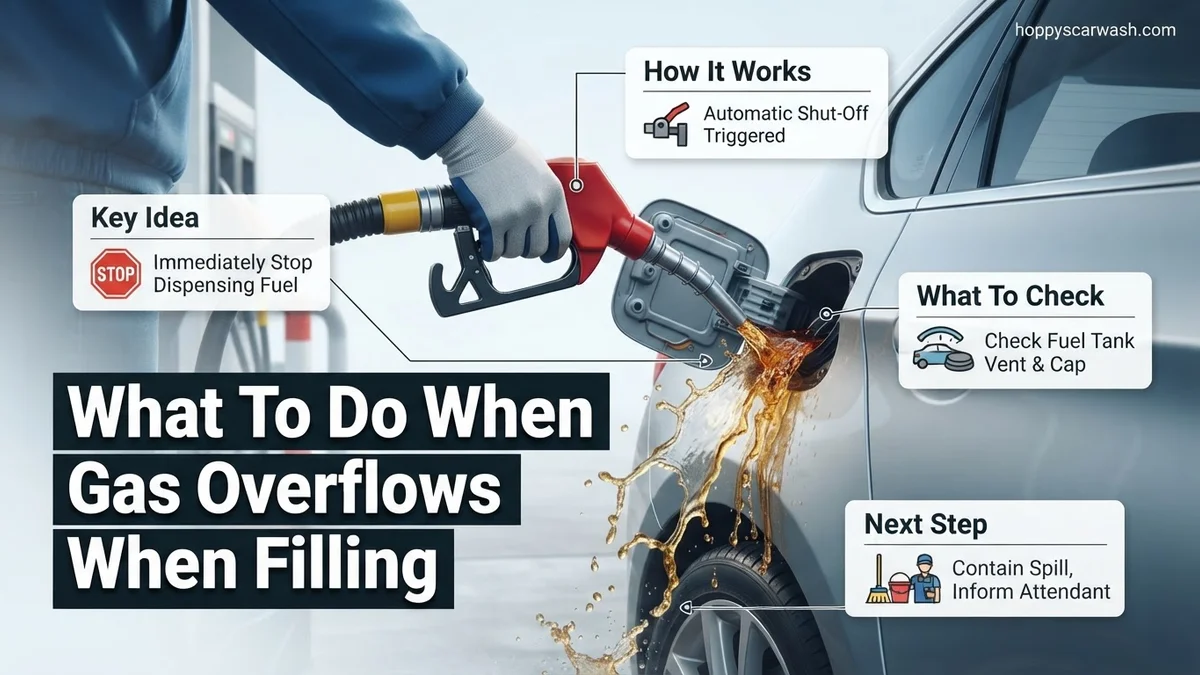
If gasoline overflows while you are pumping fuel, you must immediately stop pumping and hang up the nozzle to prevent a fire hazard. Act quickly to wash the fuel off your car’s paint to prevent permanent chemical damage, and notify station attendants if necessary.
When gasoline overflows from your car tank while pumping, immediately release the fuel nozzle handle to stop the flow. Gasoline is an extremely volatile liquid that releases flammable vapors into the air instantly, creating a serious fire hazard at the service station.
As we navigate fuel safety standards in 2026, dealing with a fuel spill quickly prevents paint damage and reduces the risk of accidental combustion. Knowing the exact steps to take protects both you and your vehicle from dangerous situations.
Key Takeaways
- Stop pumping gas immediately by releasing the handle on the fuel nozzle.
- Move away from the spill zone and ensure no ignition sources are nearby.
- Rinse car paint with cool water and mild soap as soon as possible.
- Never start your engine immediately if fuel has pooled under the vehicle.
- Check your EVAP system if frequent overflows occur during refueling.
What Causes Gas to Overflow When Filling Your Tank
Modern fuel nozzles feature an automatic shut-off mechanism designed to stop pumping when the liquid level reaches the spout. Understanding why this system fails helps you prevent future spills during your routine fill-ups.
Faulty Nozzle Shut-Off Sensors
The automatic shut-off relies on a small pressure-sensing venturi hole at the tip of the nozzle. When liquid blocks this hole, air pressure trips a valve inside the handle. If this sensor is broken, worn out, or caked in debris, it fails to detect the rising fuel level. This causes the pump to keep pushing gas into your already full tank instead of clicking off.
EVAP System Malfunctions and Fast-Flow Pumps
Your car features an evaporative emission control (EVAP) system that channels fuel vapors out of the tank as it fills. If your charcoal canister or vent lines are blocked, trapped air creates backpressure. This premature pressure tricks the nozzle into clicking off early, leading drivers to bypass the auto-stop by holding the handle manually. Furthermore, commercial gas station pumps delivering over 10 gallons per minute can easily overwhelm slow-venting filler necks, resulting in a sudden, messy overflow.
Step-by-Step Guide on What to Do When Gas Overflows
A fuel spill demands calm, rapid action to mitigate safety hazards and protect your vehicle’s exterior. Follow this protocol the exact second you notice gasoline pooling down the side of your car.
Immediate Safety and Containment Actions
- Stop pumping instantly: Release the trigger on the nozzle and let it click back to the closed position.
- Notify the station attendant: Alert the clerk immediately so they can shut off the pump remotely and deploy absorbent material on the ground.
- Move away from the spill: Step at least 15 feet away from the vehicle to avoid inhaling concentrated toxic fumes and to stay clear of potential ignition zones.
- Eliminate ignition sources: Do not check your phone, light a cigarette, or re-enter your vehicle where static electricity could spark a fire.
Washing Gas Off Car Paint and Pavement
Gasoline can permanently stain or eat away at your vehicle clear coat if left to sit in direct sunlight. Head to a self-service car wash immediately or use a bucket of cool water and mild automotive soap to thoroughly flush the affected body panels. Never use dish soap or harsh household detergents, as they strip away remaining wax protection. For the asphalt pavement, avoid hosing raw gas directly into storm drains; instead, let the station attendant apply professional absorbent granules to soak up the puddle safely.
How to Safely Clean Spilled Gasoline Off Car Paint and Pavement
Gasoline contains aggressive petroleum solvents that can rapidly soften and permanently stain automotive clear coat if left unattended. According to automotive finish experts, you must act quickly to neutralize the chemical residue without scratching the delicate surface of your vehicle.
Cleaning Gas Off Car Paint
Follow these steps to safely remove gasoline from your vehicle’s exterior finish:
- Blot the excess fuel gently with a clean microfiber towel, avoiding aggressive rubbing that can grind trapped abrasive particles into the paint.
- Mix a solution of warm water and a few drops of automotive-grade pH-balanced car wash soap in a bucket.
- Wash the affected area thoroughly using a soft wash mitt, rinsing frequently with clean water to lift chemical residues away.
- Apply a high-grade carnauba wax or synthetic sealant to the dry paint surface immediately. This step restores the protective clear coat layer stripped away by the fuel solvents.
Cleaning Gas Off Driveways and Asphalt
Pavement spills require a different approach because concrete and asphalt absorb petroleum quickly. Avoid using high-pressure washers initially, as they can drive fuel deeper into porous pores.
- Cover the fresh asphalt or concrete spill completely with an absorbent material like cat litter, baking soda, or specialized oil-dri compound.
- Allow the absorbent powder to sit undisturbed for at least 30 to 45 minutes to draw the trapped gasoline out of the porous stone.
- Sweep up the used powder and dispose of it safely in a sealed metal container according to your local hazardous waste regulations.
- Scrub the remaining stain with a heavy-duty degreaser or trisodium phosphate (TSP) substitute, then rinse away the residue with a garden hose.
What to Do If Your Car Smells Like Gas or Fails to Start After a Spill
A lingering gasoline odor inside the cabin or a vehicle that cranks sluggishly after an overfill indicates that liquid fuel or vapors have entered the evaporative emissions (EVAP) system. When raw fuel floods the charcoal canister, it disrupts the air-fuel ratio and prevents normal combustion.
Addressing Cabin Odors and Starting Failures
Take these corrective measures if your vehicle exhibits symptoms of a flooded EVAP system:
- Park the vehicle outdoors in a wide-open, well-ventilated area away from open flames, pilot lights, and electric motors to let dangerous vapors dissipate.
- Open all doors and windows completely for at least 20 minutes to clear out heavy concentration levels of volatile organic compounds.
- Attempt to start the engine while holding the accelerator pedal firmly to the floor. This “clear flood” mode signals the fuel injectors to shut off while letting extra air clear out flooded cylinders.
- Check the gas cap to ensure it clicks securely, clearing any trapped debris on the rubber gasket that might keep the emissions system from properly pressurizing.
What If It Still Doesn’t Work?
If your vehicle continues to throw a “Check Engine” light, stall out after refueling, or refuse to start entirely, the overfill likely damaged sensitive emissions components. Try these fallback steps to resolve persistent failures:
- Drive the vehicle on a highway for 15 to 20 minutes at sustained speeds to let the engine vacuum naturally purge minor liquid fuel from the charcoal canister lines.
- Disconnect the negative battery terminal for 15 minutes to reset the engine control unit (ECU) and clear temporary EVAP system trouble codes.
- Inspect the fuel filler neck assembly and purge valve solenoid for visible cracks or saturation caused by corrosive liquid gasoline exposure.
- Schedule an appointment with a certified automotive technician to test the EVAP purge valve and replace a saturated charcoal canister if necessary. Professional diagnostics typically cost between $150 and $250, while full canister replacement ranges from $300 to $600 including labor.
Conclusion
Dealing with an overflowing gas tank is an alarming and messy situation, but quick action prevents permanent paint damage and hazardous vapor accumulation. By safely cleaning fuel residues, airing out the cabin, and addressing potential EVAP system flooding, you can protect your vehicle from costly mechanical repairs. As a reliable next step, inspect your gas cap gasket for wear today to ensure a proper seal during your next trip to the fuel station. According to verified research and automotive safety sources, proactive maintenance of your fuel filler neck and emissions components remains the single best defense against accidental overfills and vapor leaks in 2026.
❓ Frequently Asked Questions
What should I do if a large amount of gasoline spills on my clothes?
Immediately remove any gasoline-soaked clothing to prevent skin irritation and extreme fire hazards. Wash your skin thoroughly with soap and water as soon as possible.
Can I drive immediately after gasoline overflows down the side of my car?
Yes, but you should rinse the affected body panels with water first if possible. Ensure no puddles remain under the tires before driving away.
How can I prevent the gas pump from overflowing in the future?
Do not override the automatic shut-off by locking the trigger and walking away. Keep the nozzle fully inserted and hold it upright during refueling.
What causes gas to constantly spit back when I try to fill my tank?
A clogged evaporative emissions (EVAP) charcoal canister or a blocked vent tube often traps air and causes backpressure, forcing fuel out.
Should I report a major gas spill to the gas station attendant?
Yes, always notify the station staff immediately so they can handle environmental cleanup, use absorbent materials, and manage fire safety risks.
What long-term damage can gasoline cause to rubber car parts?
Gasoline can degrade rubber fuel lines, seals, and plastic trim over time if it is allowed to pool or soak into those materials repeatedly.