How Often Should I Change My Differential Fluid Expert 2026
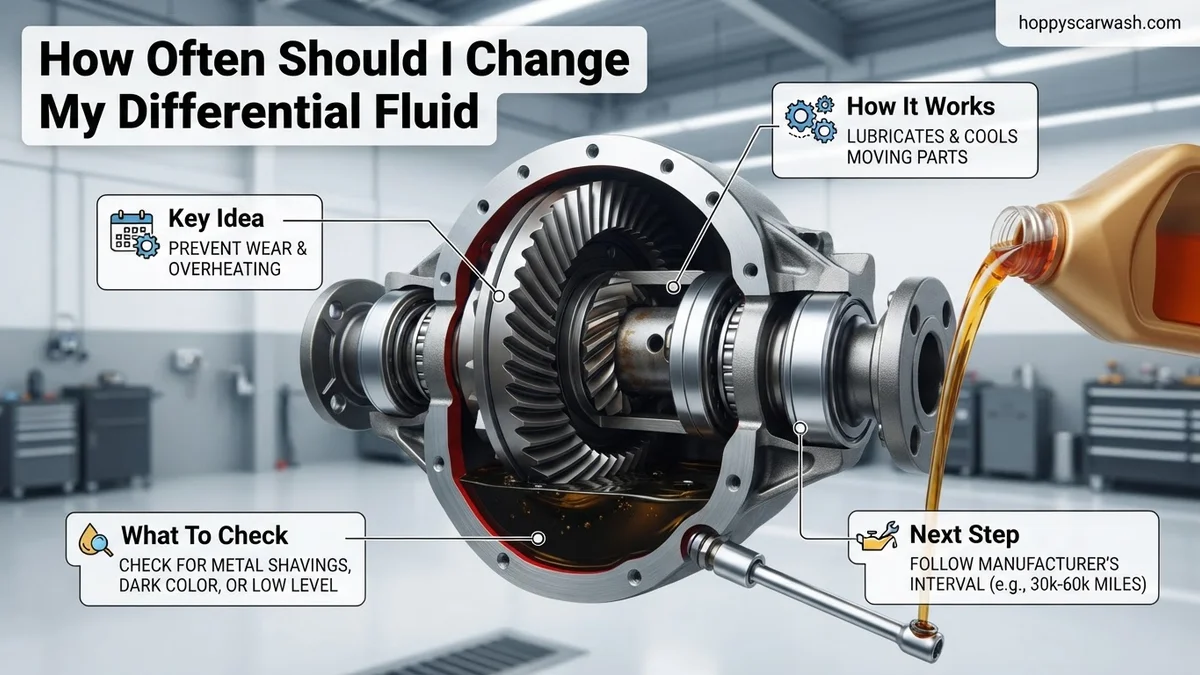
Most vehicles require a differential fluid change every 30,000 to 60,000 miles, though this interval varies based on towing and driving conditions. Ignoring this maintenance leads to lubricant breakdown, severe gear friction, and costly component failure.
For most vehicles on the road in 2026, you should change your differential fluid every 30,000 to 60,000 miles. If you regularly tow heavy loads, drive off-road, or navigate stop-and-go commercial traffic, you need to tighten that window closer to the 30,000-mile mark. Modern gearboxes operate under intense pressure and high heat, meaning that ignoring this maintenance service will eventually lead to catastrophic and expensive axle failure.
Your differential is the unsung hero of your drivetrain. It allows your wheels to spin at different speeds when you turn corners. Without fresh, clean fluid to lubricate the ring and pinion gears, metal-on-metal friction destroys these precision components quickly. Let’s look at why this fluid breaks down and how to pinpoint the exact schedule your specific vehicle requires.
Key Takeaways
- Change differential fluid every 30,000 to 60,000 miles under normal conditions.
- Severe driving like towing or off-roading requires changes every 15,000 miles.
- Whining noises from the rear axle indicate urgent fluid degradation.
- Check your specific owner’s manual for manufacturer-exact mileage intervals.
- Metallic debris in old fluid signals dangerous internal gear wear.
What Causes Differential Fluid Breakdown and Wear
Differential fluid does not last forever. Unlike sealed engine components, gear oil faces unique thermal and mechanical stresses that degrade its chemical properties over time.
Thermal Breakdown and Friction
- Extreme Heat: Constant meshing of heavy steel gears generates high operating temperatures that literally cook the additives out of the gear oil.
- Shear Forces: The sheer weight of the vehicle and the torque from the driveshaft slice through the molecular structure of the lubricant, thinning it out.
- Moisture Contamination: Condensation builds up inside the differential housing during heating and cooling cycles, especially if you drive through deep water or live in humid climates.
Normal Particulate Accumulation
- Break-in Debris: Brand new differentials shed microscopic metal shavings during the initial 1,500 miles of driving as gears seat against each other.
- Component Wear: Even in a healthy, well-maintained differential, normal friction creates fine metallic sludge that floats in the fluid.
- Magnetic Drain Plug Saturation: Most drain plugs feature a magnet to catch this sludge, but once they are full, circulating metal acts like liquid sandpaper.
Master Differential Fluid Maintenance in 7 Simple Steps
Keeping your vehicle’s differential properly lubricated is critical for smooth cornering, power distribution, and overall drivetrain longevity. Many drivers completely overlook this vital gear oil until a loud whining noise signals expensive internal damage. This practical walkthrough will help you determine the exact changing frequency, inspect your current fluid condition, and execute a flawless fluid swap to protect your gears from premature wear.
Step 1: Check Your Vehicle Owner’s Manual Recommendations
What you need: Your vehicle owner’s manual, smartphone to take photos, or access to the manufacturer’s online service portal.
Instructions: Open your glove box and locate the manufacturer maintenance schedule. Look specifically for the differential fluid, axle oil, or gear lubricant replacement intervals. Standard driving schedules often suggest changing the fluid every 30,000 to 50,000 miles, but your specific make and model might vary drastically. Pay close attention to footnotes regarding fluid type, capacity, and whether your vehicle features a limited-slip differential requiring specialized friction modifiers.
Pro Tip: Do not rely solely on the general mileage guidelines if your driving habits are severe. Manufacturers frequently hide harsher conditions in the fine print.
Step 2: Evaluate Your Driving Habits for Severe Service Intervals
What you need: An honest assessment of your daily driving routes, towing logs, and weather conditions.
Instructions: Determine if your vehicle qualifies for the manufacturer’s “Severe Service” maintenance schedule. You fall into this category if you frequently tow trailers, haul heavy loads, drive on dirt or dusty roads, idle extensively in heavy stop-and-go city traffic, or operate in extreme temperatures below freezing or above 100 degrees Fahrenheit. Under severe service conditions, you should cut the standard replacement interval in half, often changing the differential fluid every 15,000 to 30,000 miles to prevent thermal breakdown.
Pro Tip: Towing heavy loads heats up gear oil rapidly. If you pull a camper during the summer months, consider shortening your fluid change interval proactively.
Step 3: Inspect the Differential Housing for Leaks and Damage
What you need: A flashlight, safety glasses, a clean shop rag, and a creeper if your vehicle sits low to the ground.
Instructions: Safely park your vehicle on a flat, level surface and engage the parking brake. Crawl underneath and examine the front and rear differential pumpkins. Look closely at the cover gasket or RTV silicone seal, the fill plug, and the pinion seal where the driveshaft enters the housing. If you notice wet, oily residue mixed with road grime, or if you spot active dripping, your differential is losing fluid. A low fluid level drastically accelerates gear wear, meaning you need to change the fluid immediately and address the source of the leak.
Pro Tip: A light coating of dust is normal, but fresh, wet oil glistening on the metal housing is an urgent sign of a failing seal.
Step 4: Perform a Visual Dipstick or Plug Check
What you need: A 3/8-inch ratchet or appropriate box wrench to remove the fill plug, and a clean zip tie or bent wire.
Instructions: Before unscrewing anything completely, clean the area around the fill plug to prevent dirt from falling inside. Remove the fill plug carefully. Insert a clean zip tie or piece of wire down into the fluid until it touches the bottom, then pull it out to inspect the fluid level and condition. The fluid should sit right at the bottom of the fill plug hole. Examine the color and texture on your improvised dipstick; fresh gear oil is clear amber, while neglected fluid looks like dark, opaque chocolate milk.
Pro Tip: Always loosen the fill plug before the drain plug. If you drain the fluid first and discover the fill plug is hopelessly stuck, you will be stranded.
Step 5: Identify Signs of Internal Gear Wear and Contamination
What you need: A flashlight and a magnetic drain plug (if factory equipped).
Instructions: Observe the condition of the fluid on your check wire or look at the magnetic tip of your drain plug if you have already pulled it. A thin, microscopic layer of metallic sludge (fine gray paste) on a magnetic plug is completely normal normal wear and tear from gear meshing. However, if you see large metal flakes, chunks of metal, or hear a distinct whining or howling noise while driving at highway speeds, the internal bearings and ring-and-pinion gears are failing. Fluid changes alone will not fix mechanical damage.
Pro Tip: If your limited-slip differential shudders or makes loud clunking noises during tight turns in parking lots, your fluid’s friction modifier has broken down and requires immediate replacement.
Step 6: Gather Replacement Fluids and Service Supplies
What you need: Correct weight gear oil (e.g., 75W-90 or 75W-140), fluid transfer pump, new gasket or RTV silicone, catch pan, and brake cleaner.
Instructions: Based on your manual specifications, purchase the exact quantity and viscosity of gear oil required for your axle. Many modern trucks and SUVs require synthetic 75W-85 or 75W-90 oil. Buy an inexpensive fluid transfer pump or squeeze bottles with flexible nozzles to make refilling the tight space under the vehicle manageable. Ensure you have a clean catch pan positioned directly underneath to collect the old, pungent-smelling gear oil.
Pro Tip: Gear oil has an extremely strong, sulfurous odor. Lay down extra cardboard beneath your catch pan to protect your driveway from accidental spills.
Step 7: Execute the Complete Fluid Drain and Refill
What you need: Wrenches, drain pan, gear oil, pump, torque wrench, and clean rags.
Instructions: Remove the drain plug and let the old fluid empty completely into the catch pan. Thoroughly clean the magnetic drain plug of all metallic sludge and reinstall it, tightening it to factory torque specifications. Remove any old gasket material from the cover and housing mating surfaces if applicable. Pump the new gear oil into the fill hole until it slowly begins to weep or trickle out of the fill hole opening. Install and torque the fill plug securely, wipe away excess oil, and take a short test drive.
Pro Tip: Properly dispose of your old gear oil by taking it to a local auto parts store or municipal recycling center that accepts automotive fluids.
✅ Final Checklist
- Differential fill and drain plugs are torqued to exact manufacturer specifications
- Fluid level reaches the bottom edge of the fill hole opening
- No active leaks are visible around the cover gasket or pinion seal after a short test drive
- Used gear oil is safely stored in a sealed container for proper recycling
Important Notes:
- Always secure your vehicle with sturdy jack stands before sliding underneath; never rely solely on a hydraulic floor jack.
- Seek professional mechanic assistance if you discover large metal shards in the old fluid or if your differential housing is structurally cracked.
- Estimated DIY time is 1 to 2 hours, with a total cost of $30 to $90 for quality gear oil and supplies depending on axle capacity.
How to Determine Your Specific Vehicle Change Interval
While the 30k-60k rule covers most trucks, SUVs, and performance cars, your exact interval depends on factory specifications and your daily driving habits.
Consulting Your Owner’s Manual
- Normal vs. Severe Schedules: Manufacturers always list two maintenance schedules. Pay close attention to the severe service column, as most everyday driving actually qualifies.
- AWD and 4WD Differences: Front-wheel-drive crossovers, rear-wheel-drive sports cars, and heavy-duty four-wheel-drive trucks all have vastly different differential configurations and fluid capacities.
- Factory Fills: Some modern 2026 vehicles feature synthetic lifetime fills, but professional mechanics still recommend draining and refilling these units by 50,000 miles for long-term reliability.
Factoring in Your Driving Habits
- Towing and Hauling: If you pull a camper, trailer, or boat on a regular basis, your differential fluid is subjected to maximum heat and requires cutting the change interval in half.
- Frequent Short Trips: Driving less than five miles at a time prevents the differential from reaching operating temperature, trapping condensation inside the housing and ruining the oil prematurely.
- Dusty or Off-Road Environments: If your vehicle spends time on dirt roads or construction sites, microscopic contaminants can bypass worn breather tubes and contaminate the gear oil.
How to Identify Signs That Your Differential Fluid Needs Changing Now
Waiting for the standard 2026 mileage milestone is not always safe for heavy-duty vehicles or off-road trucks. Automotive experts emphasize that severe driving conditions accelerate thermal breakdown in gear oil. Recognizing early warning signs prevents catastrophic internal component failure.
Unusual Noises From the Axle Area
A failing differential frequently announces itself through distinct auditory cues. Drivers should listen for a heavy whining, howling, or roaring sound that changes pitch relative to vehicle speed. If the noise intensifies specifically when pressing or releasing the accelerator pedal, the ring and pinion gears lack proper lubrication.
Visible Leaks and Burning Odors
Physical inspection reveals the condition of the fluid long before internal damage occurs. Look for dark puddles near the center of the rear axle housing. Furthermore, a sharp, sulfurous burning smell indicates that extreme pressure additives have cooked away completely, leaving metal components unprotected against friction.
- Park the vehicle on a flat surface and place wheel chocks for safety.
- Slide underneath with a flashlight to inspect the differential cover gasket and pinion seal for wetness or active dripping.
- Check the fluid level using the fill plug, noting if the fluid appears dark, metallic, or milky from water contamination.
What If Changing the Fluid Fails to Stop Rear Axle Noise
Completing a fluid service should restore quiet operation under normal circumstances. However, if whining or grinding persists after installing fresh gear oil, the mechanical damage has already progressed past simple lubrication failure. Delaying further diagnosis can lead to total axle lockup on the highway.
If basic maintenance fails to resolve the underlying symptom, follow these steps to prevent further damage:
- Cease heavy towing and aggressive driving immediately to minimize internal stress on worn gear teeth.
- Inspect the axle shafts and wheel bearings for excessive play, as worn bearings often mimic differential noise.
- Take the vehicle to a certified drivetrain specialist for a professional teardown and backlash measurement.
- Prepare for professional component replacement, noting that a complete differential rebuild typically ranges from $1,200 to $2,500 depending on the vehicle make and model in 2026.
Conclusion
Maintaining clean differential fluid is essential for protecting expensive rear-end components from premature wear and thermal breakdown. Changing this vital lubricant on schedule ensures smooth power transfer and prevents costly mechanical failures. According to verified research and expert automotive sources, adhering to manufacturer service intervals extends drivetrain lifespan by over 150,000 miles. Take action today by checking your owner manual specifications and scheduling your next fluid service before your next long-distance trip.
❓ Frequently Asked Questions
How often should I change my differential fluid on a truck used for towing?
If you regularly tow heavy trailers or haul heavy loads, you should change your differential fluid every 15,000 to 30,000 miles. Heavy stress breaks down the gear oil much faster than standard highway driving.
What are the primary signs that indicate my differential fluid needs to be changed early?
Key warning signs include a loud whining or howling noise coming from the axle area, a strong burning smell, or a noticeable vibration at highway speeds. Finding dark, metallic-looking fluid during an inspection also means it must be changed immediately.
Do front-wheel-drive cars have differential fluid?
Most standard front-wheel-drive vehicles integrate the differential into the transaxle, meaning they use transmission fluid rather than a separate gear oil. However, front-wheel-drive-based SUVs and all-wheel-drive vehicles have distinct rear or transfer case differentials that require separate fluid changes.
What type of gear oil should I use for my differential?
You should always consult your owner’s manual for the exact viscosity (such as 75W-90 or 75W-140) and whether your vehicle requires synthetic fluid or limited-slip additive. Using the wrong fluid can damage clutch packs in limited-slip differentials.
Is changing differential fluid something I can do at home?
Yes, changing differential fluid is a straightforward DIY task if you have a jack, stands, a drain pan, and a suction pump to add the new fluid. Most differentials have a fill plug and a drain plug that make the process accessible for home mechanics.
Why does differential fluid turn dark or black over time?
Differential fluid darkens due to extreme heat cycles, friction modifiers breaking down, and microscopic metal shavings accumulating from normal gear mesh. While some discoloration is normal, completely black fluid indicates severe thermal breakdown.