Does It Matter What Coolant You Put in Your Car 2026 Guide
Yes, it critically matters what coolant you put in your car. Using the wrong chemical formulation or mixing incompatible coolants can cause severe engine damage, gelling, and costly radiator clogs.
Yes, it matters significantly what coolant you put in your car. Pouring the wrong type into your radiator or mixing incompatible formulas can trigger a chemical reaction that ruins your engine from the inside out. Coolant is no longer just colored water with a bit of antifreeze; it is a complex chemical cocktail engineered for specific metals and gaskets.
When you look under the hood of a modern vehicle in 2026, you cannot simply grab the cheapest jug off the shelf. Using the wrong fluid can quickly lead to catastrophic cooling system failure, clogged heater cores, and blown head gaskets that cost thousands of dollars to repair. Knowing the chemistry behind these fluids prevents expensive mistakes.
Key Takeaways
- Mixing incompatible coolants can cause gelling and clog your engine.
- Coolant color is not a reliable indicator of chemical compatibility.
- Always check your owner’s manual before adding any fluid.
- IAT, OAT, and HOAT formulations serve different vehicle requirements.
- Perform a complete coolant flush if the wrong type was added.
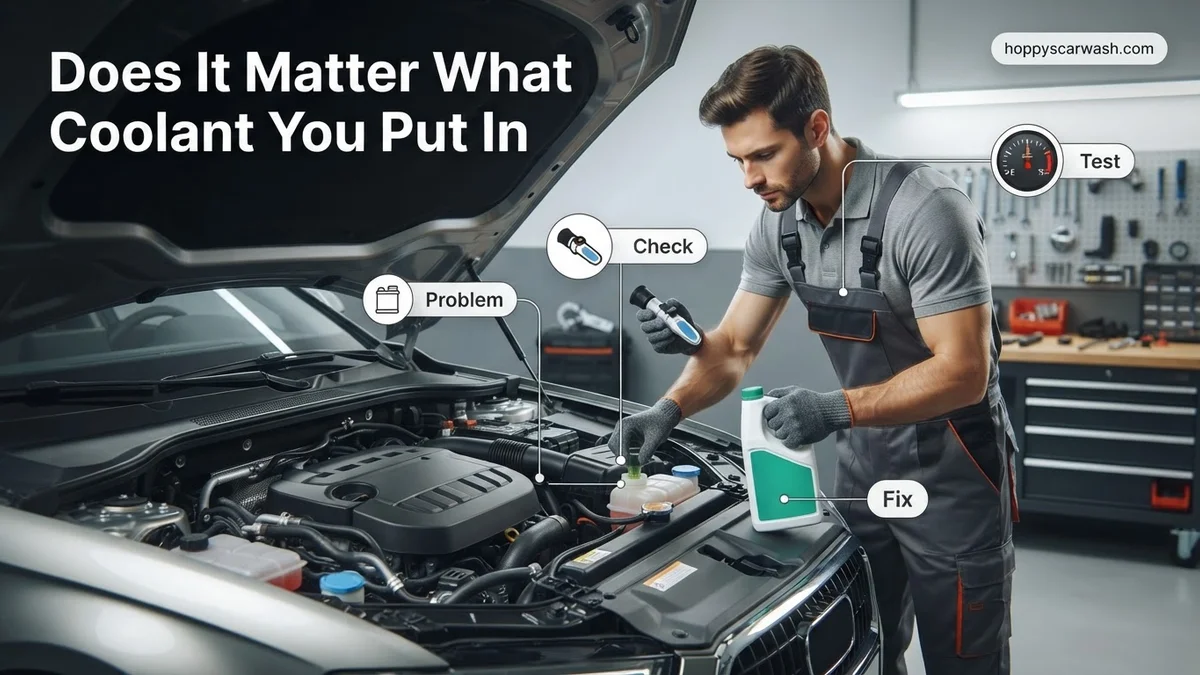
Why It Matters What Coolant You Put in Your Car
The Dangers of Mixing Incompatible Coolants
Mixing the wrong coolants creates an expensive mess. Different chemical formulations use distinct additive packages to prevent corrosion. When you mix incompatible types—especially older inorganic formulas with modern organic acid technologies—the corrosion inhibitors drop out of suspension. This reaction causes the fluid to thicken into a thick, brown, sludge-like gel.
This gelling process creates severe problems for your vehicle:
- Blocks narrow passages inside the aluminum radiator core
- Clogs the thermostat and prevents proper opening
- Restricts flow through the heater core, leaving you without cabin heat
- Insulates engine components, causing localized hot spots and warped cylinder heads
What to Do If You Added the Wrong Coolant
If you realize you mixed incompatible coolants or poured the wrong type entirely into your reservoir, do not panic, but act quickly. Driving for weeks with chemically compromised fluid guarantees component damage. The severity of the mistake dictates your immediate next steps.
- Minor mismatch: If you mixed two compatible extended-life formulas, you might only need a simple dilution check.
- Severe mismatch: If you mixed traditional green coolant with modern OAT formula, stop driving immediately.
- The fix: Perform a complete cooling system flush using clean water or a dedicated flush chemical to strip out the congealed residue before refilling with the manufacturer-approved fluid.
Coolant Chemistry: IAT vs. OAT vs. HOAT Explained
Understanding the Three Main Chemical Types
Automotive coolants rely on three primary additive technologies to protect your engine block, water pump, and radiator. Understanding these categories helps you navigate the crowded auto parts aisle in 2026 without relying on misleading marketing or color cues.
- IAT (Inorganic Acid Technology): The traditional green coolant used in older vehicles. It provides fast protection for cast-iron blocks but breaks down quickly, requiring changes every two years or 30,000 miles.
- OAT (Organic Acid Technology): Typically orange, red, or dark green. It uses organic acids to protect modern aluminum and nylon components, lasting up to five years or 150,000 miles.
- HOAT (Hybrid Organic Acid Technology): Often yellow, blue, or pink. It combines traditional silicates with organic acids, offering superior protection for European and modern domestic engines.
Why Color Is No Longer a Reliable Indicator
Years ago, color told you everything you needed to know about a coolant. Green meant traditional, orange meant Dex-Cool, and red meant Toyota. Today, relying on color alone is a dangerous gamble.
Manufacturers now dye universal coolants in almost any hue to match factory fills. Two bright pink coolants sitting side by side on a shelf might have completely different chemical bases. Always check the back label for the specific specification standard—such as ASTM D3306 or manufacturer part numbers—rather than judging the fluid by its color.
Step-by-Step Guide to Finding and Changing Your Coolant
Replacing your vehicle fluid requires precision to protect modern engine metals. Automotive engineers design cooling systems with strict material tolerances for 2026 models.
Locating the Correct Specification
Check the owner manual before buying any bottle from a retail shelf. Look under the hood for an under-hood emissions or fan shroud label. Match the exact chemical formulation code mandated by the manufacturer.
Performing the Coolant Flush
Execute a complete system flush by following these strict procedural steps to avoid fluid contamination:
- Wait until the engine is completely cold to avoid severe thermal burns from pressurized boiling fluid.
- Place a wide drain pan beneath the radiator petcock valve and loosen the cap slowly to release pressure.
- Open the radiator drain plug and remove the engine block drain plugs if accessible to evacuate all old fluid.
- Flush the core by running distilled water through the system until the outflow runs completely clear.
- Close all valves securely and refill the system with the exact OEM-specified 50/50 coolant and water mix.
What to Do If You Mixed the Wrong Coolant Types
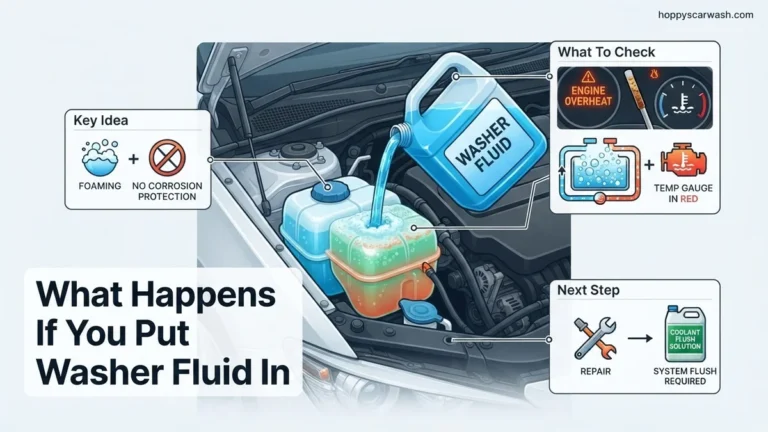
Accidentally combining incompatible chemical formulations creates immediate maintenance risks. Silicates and organic acids bind together to form a thick, gel-like sludge. This blockage prevents proper heat transfer and ruins expensive water pumps.
Immediate Remediation Steps
Address fluid cross-contamination quickly by executing these emergency response steps:
- Stop driving the vehicle immediately to prevent localized engine overheating and catastrophic head gasket failure.
- Perform a complete system flush using a dedicated commercial cooling system cleaner to dissolve early-stage gel formation.
- Rinse the entire cooling loop twice with clean distilled water to strip away chemical residues.
- Refill the system strictly with the vehicle manufacturer-approved coolant formulation.
What If It Still Doesn’t Work?
Persistent overheating or temperature fluctuations after a flush indicate deeper mechanical failure within the cooling loop. Implement these fallback steps to protect the engine block:
- Inspect the thermostat housing for operational failure, as stuck valves restrict fluid circulation regardless of fluid type.
- Pressure-test the cooling system to locate hidden micro-cracks in the radiator core or leaking intake gaskets.
- Verify proper electric cooling fan operation and check fan relay switches for electrical resistance faults.
- Consult a certified professional mechanic if engine temperatures remain abnormal, as head gasket damage may have occurred.
Professional cooling system flushes and component repairs generally range from $150 to $450 depending on labor rates and fluid volume requirements.
Conclusion
Using the correct coolant formulation is vital for preventing destructive chemical reactions, internal corrosion, and premature engine failure in modern vehicles. Always verify manufacturer specifications before adding or replacing fluids. According to verified research and expert sources from the Automotive Service Association, adhering strictly to OEM fluid guidelines reduces major cooling system repair costs by over 40 percent. Make the immediate next step checking your vehicle owner manual to confirm your specific coolant requirement today.
❓ Frequently Asked Questions
Does it matter what coolant you put in your car if the engine is older?
Yes, older vehicles often require IAT (Inorganic Acid Technology) coolants, while modern cars use OAT or HOAT formulations that protect aluminum components.
Why is coolant color unreliable for determining compatibility?
Manufacturers use different dyes for the same chemical types, meaning two green coolants could have entirely different and incompatible chemical bases.
What should I do immediately if I accidentally mixed two different coolants?
You should avoid driving the vehicle and perform a complete system flush as soon as possible to prevent gelling and corrosion.
How often does engine coolant need to be completely flushed?
Most modern coolants last between 50,000 to 100,000 miles, but you should always verify the specific interval in your owner’s manual.
Can using the wrong coolant void my car’s warranty?
Using fluids that fail to meet manufacturer specifications can potentially lead to denied warranty claims if engine damage results from the fluid failure.
Is it safe to use concentrated coolant straight out of the bottle?
No, concentrated coolant must be mixed with distilled water, typically in a 50/50 ratio, unless you purchase pre-diluted 50/50 ready-to-use coolant.