How Can You Tell If Your Master Cylinder Is Bad 2026
A failing brake master cylinder directly compromises your vehicle’s stopping power and safety. Recognizing warning signs like a sinking or spongy brake pedal can prevent total brake failure. Promptly diagnosing internal seal wear or fluid leaks ensures reliable vehicle operation.
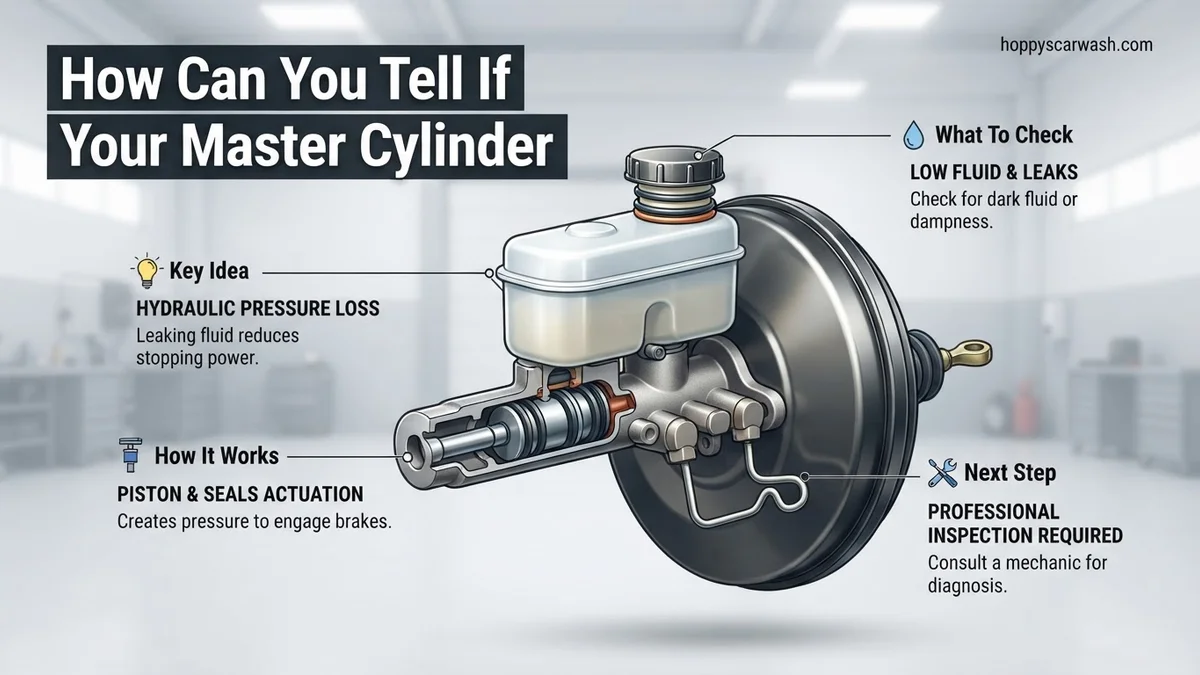
Your vehicle is equipped with a hydraulic brake system, and the master cylinder acts as the absolute heart of that operation. When you press the brake pedal, the master cylinder converts that mechanical foot pressure into hydraulic pressure, forcing brake fluid through the lines to clamp the pads against the rotors. By 2026, modern cars feature complex electronic stability controls and advanced braking assists, but they still rely on this fundamental hydraulic core. When the master cylinder begins to fail, it compromises your entire stopping power, making it a critical issue that requires immediate attention.
Recognizing the warning signs early can save you from a dangerous brake failure on the highway. A failing master cylinder rarely quits without warning; instead, it provides distinct physical feedback through the brake pedal and reveals visual cues under the hood. Knowing how to interpret these symptoms ensures you can diagnose the problem accurately before it leaves you stranded.
Key Takeaways
- A sinking brake pedal usually indicates internal fluid bypass inside the master cylinder.
- Check the fluid reservoir regularly for dark, contaminated brake fluid.
- External fluid leaks around the brake booster indicate failed rear seals.
- Always bleed the entire hydraulic system after installing a new master cylinder.
- Never drive a vehicle with a severely failing or completely failed master cylinder.
What Causes a Bad Master Cylinder and How to Diagnose It
The master cylinder houses rubber internal seals and pistons that move back and forth under high pressure every time you stop. Over years of use, extreme temperature shifts, and moisture contamination, these internal components wear out, allowing brake fluid to slip past the seals instead of traveling down the brake lines.
The Classic Symptoms of Internal and External Failure
- A spongy or mushy brake pedal: If your pedal feels soft or compresses further than usual before engaging, fluid is likely bypassing the internal piston seals.
- A sinking brake pedal: If the pedal slowly sinks all the way to the floorboards while you hold pressure at a stoplight, the master cylinder has completely lost internal pressure.
- Visible brake fluid leaks: Check the area where the master cylinder bolts to the power brake booster. A wet, shiny surface or dripping fluid indicates worn-out rear shaft seals.
- Contaminated or dark reservoir fluid: If the brake fluid inside the plastic reservoir looks thick, black, or contaminated with rubber debris, the internal seals are disintegrating.
Why Fluid Loss and Contamination Matter
Brake fluid is hygroscopic, meaning it naturally absorbs moisture from the air over time. By 2026, vehicle manufacturers strongly emphasize regular fluid flushes every two to three years to prevent internal corrosion. When moisture accumulates inside the master cylinder, it pits the bore walls and destroys the rubber cups. If you top off your brake fluid regularly but never see an external puddle, the fluid is likely leaking past the rear seal directly into your brake booster.
Step-by-Step Guide to Testing Your Brake Master Cylinder
Before you run out and purchase a replacement unit, you need to confirm that the master cylinder is actually the root of your braking troubles. A failing caliper, collapsed brake hose, or air in the lines can easily mimic master cylinder failure. Performing a quick diagnostic check isolates the problem.
The Pedal Drop and Gravity Test
- Park your car on a flat surface, turn off the engine, and pump the brake pedal five to six times to bleed off any remaining vacuum in the booster.
- Press and hold firm, steady pressure on the brake pedal with your foot.
- Pay close attention to how the pedal feels. If it holds firm without moving, your master cylinder’s internal seals are likely holding pressure.
- If the pedal slowly creeps downward toward the floor while you maintain constant pressure, you have confirmed an internal fluid bypass, meaning the master cylinder must be replaced.
Checking the Booster Connection
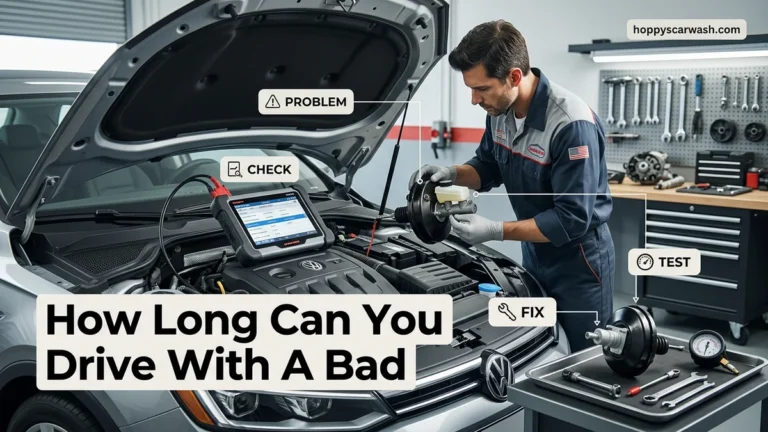
Pop the hood and inspect the mounting point where the master cylinder meets the brake booster. Reach underneath with a clean paper towel and wipe the bottom seam. If the towel comes back wet with clear or amber-colored brake fluid, the internal shaft seal has failed. You will need to swap out the entire master cylinder unit and inspect the brake booster for internal fluid contamination before it ruins the rubber diaphragm inside the booster as well.
How to Fix and Replace a Failing Master Cylinder Safely
Replacing a failing master cylinder requires precision and strict adherence to safety protocols. According to automotive service data from the Mobile Air Conditioning Society and leading brake component manufacturers, attempting this repair without proper tools risks introducing air into the anti-lock braking system (ABS) module, which can permanently compromise stopping power.
Step-by-Step Replacement Procedure
- Park the vehicle on a flat surface, engage the parking brake, and disconnect the negative battery cable to prevent electrical surges.
- Locate the master cylinder on the driver’s side firewall under the hood, remove the reservoir cap, and use a turkey baster to extract the old brake fluid.
- Place rags underneath the fittings and use a flare-nut wrench to disconnect the brake lines, capping the ends immediately to prevent fluid contamination.
- Unbolt the master cylinder from the power brake booster by removing the mounting nuts, then carefully pull the unit straight out of the vehicle.
- Bench-bleed the new master cylinder using a bleeding kit before installation to eliminate trapped air pockets from the internal piston chambers.
- Mount the new unit to the booster, reconnect the brake lines hand-tight before torquing them to manufacturer specifications, and refill the reservoir with fresh DOT 3 or DOT 4 fluid as specified in your owner’s manual.
- Perform a complete four-wheel brake bleed starting from the wheel furthest from the master cylinder and working your way to the closest.
What If It Still Doesn’t Work After Master Cylinder Replacement?
If your brake pedal remains spongy or continues to sink toward the floor after a brand-new master cylinder installation and comprehensive bleeding process, underlying issues still require your attention. Automotive diagnostic standards outline several fallback steps to resolve persistent hydraulic pressure failures:
- Inspect the brake booster for internal diaphragm leaks; a failing booster can allow fluid to enter the vacuum chamber, mimicking master cylinder failure symptoms.
- Scan the vehicle for ABS-specific trouble codes using an advanced OBD-II scanner, as trapped air inside the hydraulic control unit requires an automated electronic bleed procedure via diagnostic software.
- Check flexible rubber brake lines for internal collapsing or ballooning under pressure, which dampens hydraulic force before it reaches the calipers.
- Consult a certified ASE professional technician if bleeding procedures fail to establish a firm pedal, as high-pressure internal leaks or warped proportioning valves demand specialized pressure-bleeding equipment.
- Budget for professional repair costs, which typically range from $350 to $700 depending on the vehicle make, model, and whether supplementary hydraulic components require replacement.
Conclusion
A failing master cylinder compromises your vehicle’s fundamental safety, presenting clear warning signs like a spongy pedal or fluid leaks that demand immediate attention. Replacing the faulty component and thoroughly bleeding the hydraulic lines restores factory braking pressure and dependable stopping performance. According to verified research and expert automotive safety sources, addressing hydraulic failures promptly prevents catastrophic brake loss on the road. Schedule a professional diagnostic inspection today if your braking system fails to respond to standard maintenance.
❓ Frequently Asked Questions
How can you tell if your master cylinder is bad versus the brake booster?
A bad master cylinder usually causes pedal sinking or fluid loss, while a bad brake booster results in an extremely hard pedal that is very difficult to push down.
What does dark brake fluid in the master cylinder reservoir mean?
Dark fluid indicates contamination from moisture, dirt, or deteriorating rubber internal seals that break down over time.
Does replacing the master cylinder require bleeding the brakes?
Yes, replacing the master cylinder introduces air into the hydraulic lines, requiring a complete bleed of the brake system to restore firm pedal feel.
Can a bad master cylinder cause only one brake to lock up?
Sometimes restricted internal ports can trap pressure in a single brake line, causing one wheel to drag or lock up prematurely.
How long do master cylinders typically last?
Most master cylinders last between 100,000 and 150,000 miles, depending on driving habits and whether brake fluid was flushed regularly.
Should you bench bleed a new master cylinder before installation?
Yes, bench bleeding removes all trapped air from the master cylinder bores before you install it onto the vehicle to make system bleeding easier.