Are Upstream and Downstream O2 Sensors the Same? 2026
No, upstream and downstream oxygen sensors are not the same physically or functionally and cannot be interchanged. Upstream sensors monitor the air-fuel ratio before the catalytic converter, while downstream sensors evaluate converter efficiency after it. They feature different wire lengths, thread sizes, and connector plugs to prevent improper installation.
The short answer is no: upstream and downstream oxygen sensors are not the same, and you cannot swap them interchangeably. While they might look identical at a quick glance, they have completely different internal designs, response times, and computer calibrations built specifically for their unique jobs in your exhaust system.
Putting the wrong sensor in the wrong location will trigger a check engine light, cause erratic fuel economy, and potentially ruin your catalytic converter. As vehicle emissions standards tighten up through 2026, modern engine control units (ECUs) have become even less forgiving of mismatched or generic replacement O2 sensors.
Key Takeaways
- Upstream and downstream sensors are never identical.
- Physical differences include distinct wire lengths and plug connectors.
- Functional roles differ from air-fuel ratio tuning to emissions monitoring.
- Direct-fit sensors cannot be swapped between locations.
- Universal sensors may match internally but require custom wiring modifications.
The Core Differences Between Upstream and Downstream O2 Sensors
Physical and Design Differences
At first glance, an upstream and downstream sensor might feature the exact same threaded housing and electrical plug. However, manufacturers engineer them for completely different tasks:
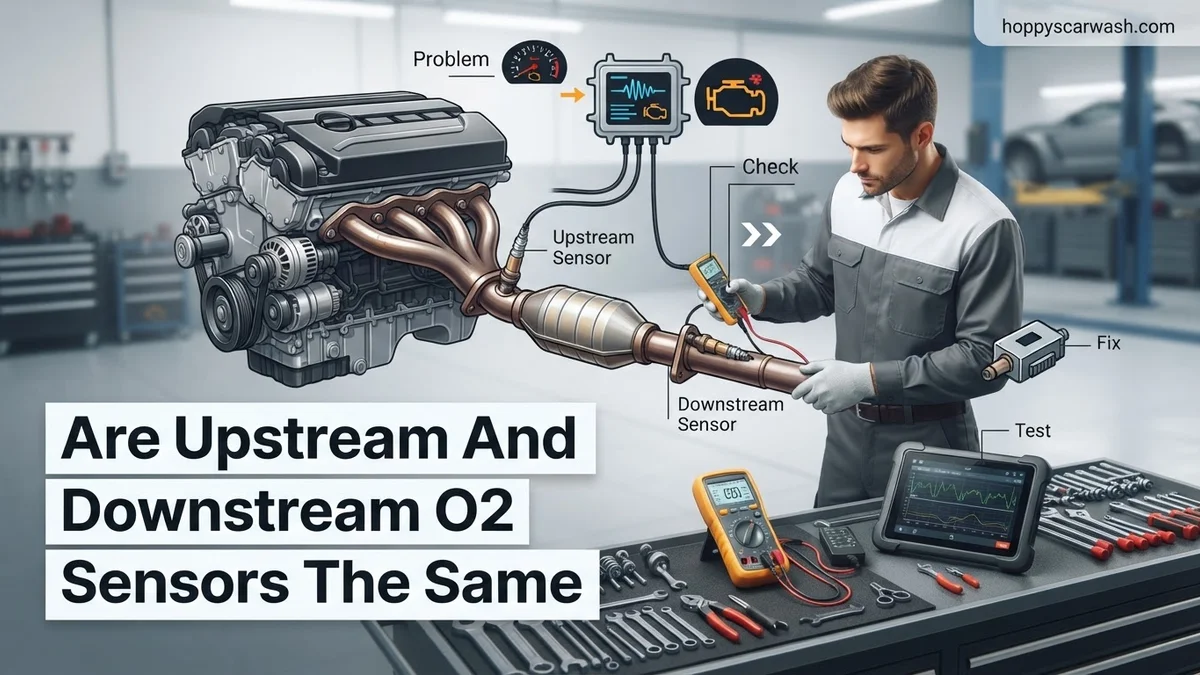
- Upstream sensors (Pre-Cat): These are usually wideband sensors (or high-precision narrowband sensors in older models). They must react in milliseconds to tiny shifts in air-fuel ratios so the ECU can constantly adjust fuel delivery.
- Downstream sensors (Post-Cat): These are traditionally narrowband sensors. Their primary goal is to monitor the chemical efficiency of the catalytic converter, meaning they look for a stable, slow-moving signal rather than rapid fluctuations.
- Wiring and Housing: Even when the sensor elements are similar, the wiring harness length, flange angles, and protective shield designs are often unique to prevent improper installation.
Functional and Operational Roles
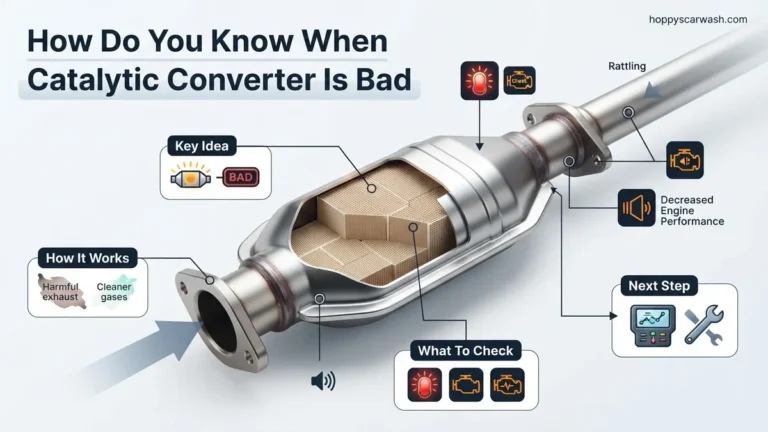
The operational environment for each sensor dictates how it is built. Upstream sensors sit right before the catalytic converter, enduring extreme thermal shock and raw exhaust pulses directly from the engine cylinders. They measure unburned oxygen to tell the computer if the engine is running rich or lean.
Downstream sensors sit after the catalyst. Because the catalytic converter scrubs the exhaust, the downstream sensor experiences a much more stable environment. Its only job in modern 2026 vehicles is to confirm that the catalyst is doing its job. Swapping them disrupts the precise feedback loop the ECU relies on.
How to Diagnose O2 Sensor Failure and Location Issues
Reading Diagnostic Trouble Codes (DTCs)
When an O2 sensor fails, your OBD-II scanner will throw a specific code that tells you exactly which sensor is misbehaving. You need to know how to read these codes to avoid replacing the wrong part:
- Bank 1 vs. Bank 2: Bank 1 refers to the side of the engine containing cylinder number one. Bank 2 is the opposite side (common in V6 and V8 engines).
- Sensor 1 vs. Sensor 2: Sensor 1 is always the upstream sensor (before the cat). Sensor 2 is always the downstream sensor (after the cat).
- Common Codes: Codes like P0130 through P0135 typically point to upstream issues, while P0136 through P0141 usually indicate a downstream problem.
Physical Inspection and Testing
If you are troubleshooting a sensor error code, visual and physical checks can save you from buying unnecessary parts. Always verify the wiring harness before assuming the sensor is dead.
- Wiring damage: Downstream sensors often hang lower on the chassis, making their wires vulnerable to road debris, melting against the exhaust pipe, or corrosion from winter road salt.
- Contamination: Upstream sensors are prone to failure from oil burning or coolant leaks entering the exhaust stream, coating the sensor tip in white or black deposits.
- Heater circuit failures: Modern O2 sensors have internal heaters. If a diagnostic scan shows a heater circuit fault, no amount of swapping upstream and downstream sensors will fix a broken internal resistor.
Step-by-Step Guide to Replacing the Correct Oxygen Sensor
Replacing an oxygen sensor requires patience, the right tools, and strict adherence to safety protocols. Whether you are dealing with an upstream or downstream unit, the physical extraction process remains largely the same, though access points differ.
Preparation and Necessary Tools
According to automotive service standards, you will need a dedicated 7/8-inch oxygen sensor socket, a ratchet, a breaker bar for stubborn threads, and penetrating catalyst oil. Always allow the exhaust system to cool completely for at least two hours before starting.
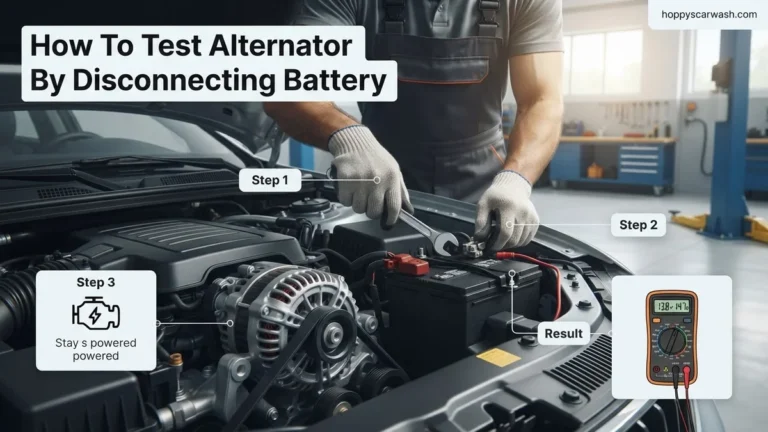
- Disconnect the negative vehicle battery terminal to protect the engine control unit and prevent electrical shorts.
- Locate the specific oxygen sensor identified by your diagnostic trouble code, following the wiring harness to its secure connector clip.
- Depress the locking tab and carefully unplug the electrical connector, inspecting it for oil contamination or corrosion.
- Apply professional-grade penetrating oil to the sensor base threads and allow it to soak for fifteen minutes if the vehicle exhibits high mileage.
- Slide the specialized slotted socket over the sensor wires, attach your ratchet, and turn counter-clockwise to break the unit loose.
- Coat the threads of the new, correct sensor with the included anti-seize compound, taking extreme care to keep lubricants away from the sensor tip.
- Thread the new sensor in by hand to prevent cross-threading, then torque it down to the manufacturer specification, typically between 30 and 40 foot-pounds.
What If Your Check Engine Light Stays On After Replacement
If the dashboard warning light remains illuminated after a successful installation, the vehicle computer has not yet registered the hardware update or an underlying issue persists.
- Clear the diagnostic trouble codes manually using an OBD2 scanner, as many systems do not auto-clear historical faults immediately.
- Perform an ECU idle relearn procedure or drive the vehicle through a complete drive cycle so the computer can re-evaluate closed-loop data.
- Inspect the wiring harness for hidden melting, chafing, or pin damage that occurred further up the line away from the sensor.
- Check for secondary issues such as intake manifold leaks, faulty fuel injectors, or exhaust leaks that mimic oxygen sensor faults.
What If It Still Doesn’t Work?
Persistent codes or ongoing rough idling after a new sensor installation require advanced diagnostic steps. Review these fallback options:
- Verify that the replacement part matches your exact original equipment manufacturer (OEM) part number, as universal aftermarket sensors frequently cause resistance compatibility errors in modern vehicles.
- Test the vehicle’s fuel trim data live with an advanced scan tool to determine if the engine is running genuinely rich or lean due to a mechanical fault.
- Consult a certified professional technician if wiring harness repairs or complex computer flash updates are necessary. Professional diagnosis typically ranges from $100 to $200, while complete diagnostic and repair labor scales based on local shop rates.
Conclusion
Upstream and downstream oxygen sensors serve entirely different functions and are physically and electronically non-interchangeable. Installing the wrong sensor type disrupts air-fuel ratio management and triggers recurring diagnostic trouble codes. According to verified research and expert automotive technician sources, always match your replacement part strictly to the specific diagnostic trouble code definition. Take the actionable next step today by scanning your vehicle to confirm the exact sensor bank and position before purchasing any replacement components.
❓ Frequently Asked Questions
Are upstream and downstream O2 sensors the same part number?
No, manufacturers assign completely different part numbers to upstream and downstream oxygen sensors because their calibration, wire length, and connector shapes are unique to their specific exhaust locations.
Why do upstream and downstream sensors have different jobs?
The upstream sensor operates wideband or narrowband to actively help the computer adjust the air-fuel ratio in real time. The downstream sensor acts strictly as a monitor to verify that the catalytic converter is effectively reducing harmful emissions.
Can a universal O2 sensor fit both locations?
Universal oxygen sensors lack vehicle-specific connectors, meaning you must splice the old plug onto the new sensor. While the sensing element might be similar, the physical installation and calibration can still cause performance errors if not matched carefully.
What trouble codes indicate an upstream vs. downstream failure?
Codes starting with P013x to P015x typically point to upstream sensor issues related to fuel trim. Codes starting with P0420 or P0430 often indicate a downstream sensor reading catalytic converter inefficiency or a faulty downstream sensor itself.
Do all cars have both upstream and downstream sensors?
Modern vehicles manufactured after 1996 (OBD-II compliant) are legally required to have at least one upstream and one downstream oxygen sensor per exhaust bank to monitor emissions compliance.
Is it safe to drive with a bad downstream sensor?
Yes, your engine will usually run normally because the downstream sensor does not control the air-fuel mixture. However, your vehicle will fail emissions testing and your check engine light will remain illuminated.