How Do You Get Automotive Grease Out of Clothes 2026 Guide
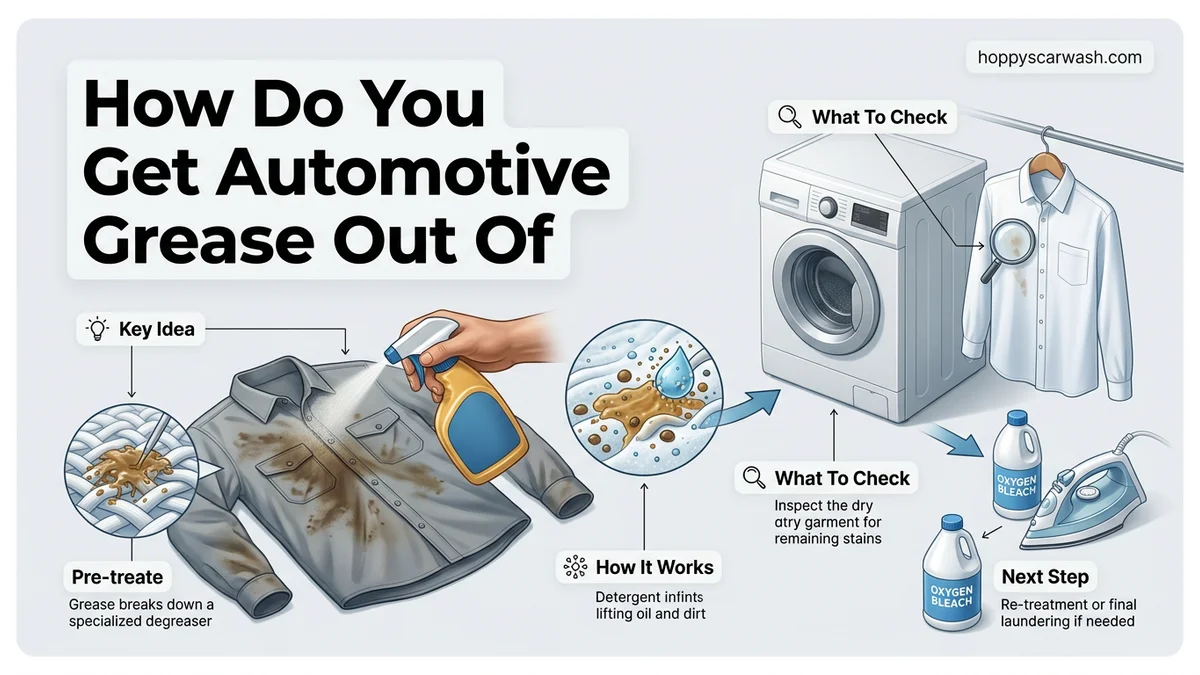
Removing automotive grease requires breaking down petroleum oils before washing rather than using standard laundry detergent right away. Applying a powerful degreaser like Dawn dish soap or specialized automotive cleaners will lift the heavy oil from fabric fibers. Crucially, never put greasy clothes into a hot dryer, as heat permanently sets the stain.
Getting automotive grease out of clothes requires immediate action, a powerful degreasing agent, and zero exposure to high heat. When you are working on a car in 2026, touching a lubricated axle or transmission part inevitably leads to dark, stubborn stains on your favorite workwear or casual garments.
Unlike standard dirt, petroleum-based lubricants bond tightly to textile fibers because of their hydrophobic and viscous nature. Surviving this garage mishap without ruining your favorite jeans or jacket means breaking down those heavy hydrocarbons before they permanently set into the weave of the fabric.
Key Takeaways
- Act quickly to prevent the heavy petroleum oil from setting deeper into fabric fibers.
- Never place grease-stained clothing into a hot dryer, which permanently bakes the stain in.
- Use heavy-duty dish soap, baking soda, or WD-40 to effectively break down the oil base.
- Blot excess grease gently with a paper towel instead of rubbing it deeper into the material.
- Wash the pre-treated garment in the hottest water temperature recommended on the care label.
What Causes Automotive Grease Stains and Why They Bind to Fabric
Understanding the chemistry of your stain helps you fight it more effectively. Automotive grease is a thick mixture of petroleum base oils, metallic soaps, and heavy additives designed to withstand extreme pressure and friction.
The Hydrophobic Bond
Water and standard laundry detergent will not dissolve automotive grease because the oil molecules naturally repel water. Instead of washing away, the grease wraps itself around synthetic or natural clothing fibers, creating a dense barrier that traps particulate matter like carbon and metal shavings.
Fiber Sensitivity
Natural fabrics like cotton absorb grease deeply into their hollow structures, while synthetic fabrics like polyester actually attract and hold onto oil molecules due to their chemical makeup. This means a grease smear on a polyester blend requires an aggressive pre-treatment to release the oil from the synthetic polymer chains.
Master Automotive Grease Removal in 7 Simple Steps
Automotive grease is one of the most stubborn substances you can get on your favorite garments, combining heavy petroleum oils, thickeners, and metallic additives designed to cling stubbornly to surfaces. Normal washing machine cycles often fail and can actually set the stain permanently due to the heat of the wash and dry cycles. This comprehensive guide walks you through the exact, chemical-breakdown process required to safely lift heavy-duty lubricants out of natural and synthetic fabrics without ruining your clothes.
Step 1: Scrape Away Excess Surface Grease
What you need: A dull butter knife, an old plastic credit card, or a stiff-backed spoon.
Instructions: Before applying any liquids, you must remove as much bulk grease as physically possible to prevent it from spreading further into the fabric fibers. Lay the stained garment flat on a hard, clean surface. Gently scrape across the surface of the grease glob using the edge of your plastic card or dull knife, lifting the heavy buildup away from the material. Take extreme care not to press down or grind the grease deeper into the weave of the fabric. Wipe the scraped grease off your tool with a paper towel between passes to avoid transferring it back onto the garment.
Pro Tip: Never use a sharp razor blade or metal utensil, as these can easily snag, tear, or cut through delicate clothing fibers.
Step 2: Apply an Absorbent Powder to Draw Out Oils
What you need: Cornstarch, baking soda, or talcum powder, plus a soft-bristled brush.
Instructions: Once the surface buildup is gone, sprinkle a generous, thick layer of cornstarch or baking soda directly over the remaining greasy spot. Completely cover the stain and let the powder sit undisturbed for at least 30 to 60 minutes. During this time, the fine powder particles will act like a sponge, drawing the trapped petroleum oils up and out of the fabric threads. After the waiting period, use a soft-bristled brush to gently sweep away the powder, noticing how it may have clumped together as it absorbed the grease.
Pro Tip: For exceptionally large or heavy grease stains, let the powder sit overnight to maximize oil absorption before moving on to the next step.
Step 3: Pretreat the Stain with Liquid Dish Soap
What you need: High-degreasing liquid dish soap (such as blue Dawn) and an old, clean toothbrush.
Instructions: Dish soap is specifically engineered to break down stubborn kitchen grease, making it remarkably effective on automotive petroleum products. Squeeze a generous teaspoon of concentrated liquid dish soap directly onto the stain. Using your fingers or an old toothbrush, gently work the soap into the fabric fibers using small circular motions. You should begin to see the soap change color as it emulsifies the remaining oil. Allow the treated garment to sit for 15 to 20 minutes so the surfactants can fully penetrate and break the molecular bond of the grease.
Pro Tip: Do not add water at this stage; applying dish soap directly to dry fabric yields a much stronger chemical breakdown of the oils.
Step 4: Boost Cleaning Power with Baking Soda and Hydrogen Peroxide
What you need: Baking soda, 3% hydrogen peroxide, and rubber gloves.
Instructions: If the grease stain is particularly old or deeply embedded, dish soap alone might not be enough. Create a powerful lifting paste by mixing equal parts baking soda and hydrogen peroxide in a small bowl until it forms a thick consistency. Spread this paste directly over the dish-soap-treated area. Let it fizz and sit for about 10 minutes. The effervescent action helps lift microscopic grease particles from the deepest recesses of the fabric weave while providing a mild bleaching and deodorizing effect.
Pro Tip: Always test hydrogen peroxide on a hidden seam first if you are working with brightly colored or dark clothing, as it can occasionally cause fading.
Step 5: Rinse Thoroughly with Hot Water
What you need: Access to a sink with a faucet capable of producing hot running water.
Instructions: Turn on your faucet to the hottest temperature that is safe for the specific fabric type indicated on the garment care label. Hold the stained portion of the fabric taut under the running tap, directing the flow from the back of the stain toward the front. This reverse-flow technique physically pushes the loosened grease particles and soap residue out of the fabric rather than washing them deeper inward. Continue rinsing for 1 to 2 minutes until all the soapy suds, baking soda, and loosened grime are completely flushed away.
Pro Tip: Check the fabric care label first; while cotton and polyester handle hot water well, wool and silk require lukewarm or cool water.
Step 6: Wash the Garment Alone in the Machine
What you need: Heavy-duty laundry detergent, enzyme booster (optional), and your washing machine.
Instructions: Place the pretreated garment into the washing machine by itself or with a few lint-free towels. Do not wash it with a full load of regular clothes, as residual grease could potentially transfer to other items. Add a heavy-duty laundry detergent formulated for grease removal, and consider adding an oxygen-based bleach booster. Set your washing machine to the warmest water setting appropriate for the fabric, and choose a heavy-duty or long wash cycle to ensure a thorough cleaning action.
Pro Tip: Never add fabric softener during this load, as it coats fibers and can seal in any microscopic residue left behind.
Step 7: Inspect and Air-Dry (The Crucial Final Test)
What you need: Clean white cloth or paper towel; access to a clothesline or drying rack.
Instructions: When the wash cycle finishes, immediately remove the garment and carefully inspect the stain area under bright natural light. Feel the fabric—if it still feels slightly stiff or shows a dark shadow, the grease is not entirely gone. Hang the garment on a clothesline or lay it flat on a drying rack to air-dry. Under no circumstances should you put the clothing into an automatic electric or gas dryer if any trace of the stain remains.
Pro Tip: The intense heat of a mechanical dryer will permanently set any remaining grease, making it practically impossible to remove during future washings.
✅ Final Checklist
- Surface grease was scraped away completely without pressing it into the fabric fibers.
- Absorbent powder was applied, left to sit, and brushed off before liquid treatment.
- Degreasing dish soap was thoroughly worked into the stain and allowed to dwell.
- Hot-water rinse was performed from the backside of the fabric to push out residue.
- Garment passed the visual inspection under bright light with zero remaining dark spots before drying.
Important Notes:
- Always prioritize personal safety by wearing gloves when handling harsh chemical solvents or hydrogen peroxide.
- For delicate fabrics like silk, wool, or specialized technical gear, take the garment to a professional dry cleaner rather than attempting DIY solvent removal.
- Estimated time: 1 to 2 hours of active and waiting time; Estimated cost: Under $5 using household pantry items.
How to Fix Automotive Grease Stains Step-by-Step
Tackling heavy gear oil or chassis grease demands a deliberate, multi-stage cleaning protocol. Gather heavy-duty dish soap, a soft-bristled brush, and a specialized solvent or baking soda before you begin.
Step 1: Scrape and Blot the Excess
- Use a dull knife or a plastic scraper to gently lift any thick, glopped-on grease from the fabric surface.
- Never rub the fresh stain, as this forces the thick petroleum deeper into the core of the textile fibers.
- Press a clean paper towel firmly against the spot to absorb surface oils before applying any liquid treatments.
Step 2: Apply a Powerful Degreaser
- Coat the stained area generously with a concentrated dish soap like blue Dawn, or use a dedicated automotive degreaser formulated for fabrics.
- Work the cleaning agent into the fibers using a circular motion with your soft-bristled brush or an old toothbrush.
- Let the garment sit undisturbed for 15 to 30 minutes to allow the surfactants to break down the heavy oil bonds.
Alternative Methods for Stubborn or Dried-In Grease Stains
Automotive grease left untreated for days undergoes oxidation, binding deeply to synthetic and natural fabric fibers. When standard pre-treatments fail against hardened petroleum deposits, specialized alternative solvents are required to break down the molecular bonds without destroying your garment.
Using WD-40 or Specialist Degreasers
Petroleum-based lubricants like WD-40 act as a solvent to liquefy hardened automotive grease. According to textile care studies from the American Cleaning Institute, matching like-with-like solvents safely dissolves heavy hydrocarbon stains before laundering.
- Lay a piece of clean cardboard behind the stained fabric to protect the other side of the garment.
- Spray a modest amount of WD-40 directly onto the dried grease stain.
- Allow the solvent to penetrate and soften the grease for exactly 15 minutes.
- Blot the area firmly with a clean paper towel to lift the liquefied residue away from the threads.
- Apply a heavy-duty liquid laundry detergent directly to the spot to strip away the remaining oily residue.
Applying Professional Mechanics Hand Cleaner
Waterless pumice-free hand cleaners, commonly found in automotive shops, are chemically formulated to break down heavy industrial greases while remaining skin-safe. These heavy-duty formulas work effectively on stubborn clothing stains as well.
- Spread a thin layer of grease-cutting hand cleaner over the dry stain.
- Work the product gently into the fabric fibers using your fingers or a soft-bristled toothbrush.
- Let the treatment sit undisturbed for 20 to 30 minutes in a well-ventilated room.
- Rinse the area thoroughly with hot water to flush out the loosened grease particles.
- Launder the garment immediately using the warmest water temperature recommended on the manufacturer care label.
What If It Still Doesn’t Work?
If persistent automotive grease survives multiple solvent treatments and hot-water cycles, standard home laundering techniques have reached their technical limit. Pushing further with harsh chemicals at home risks permanently weakening or bleaching the fabric. Consider these fallback steps to salvage the garment:
- Pause before drying: Never place a heat-treated or partially stained garment into an automatic clothes dryer, as heat permanently sets remaining petroleum proteins.
- Take it to a professional dry cleaner: Commercial cleaners utilize specialized perchloroethylene and hydrocarbon solvent systems that effectively dissolve industrial-grade engine oils without damaging delicate weaves.
- Ask for oil-extraction treatment: Inform the counter attendant specifically that the blemish is automotive grease so they can apply a targeted pre-spotting agent before standard processing.
- Expect realistic service costs: Professional spot-treatment and dry-cleaning services typically range from $15 to $35 per garment, depending on fabric type and stain severity.
- Evaluate garment replacement value: If the dry-cleaning quote exceeds 50 percent of the clothing item’s original retail value, professional restoration may not be financially practical.
Conclusion
Successfully removing stubborn automotive grease from clothing relies on fast action, targeted oil-absorbing pre-treatments, and specialized degreasers rather than standard washing alone. According to verified research and textile care experts, acting before the stain oxidizes guarantees the highest recovery rate for damaged garments. Your actionable next step is to apply a targeted solvent to the affected area immediately and launder the item separately on the hottest safe water setting for 2026.
❓ Frequently Asked Questions
How do you get fresh automotive grease out of clothes?
Start by blotting away excess grease with a paper towel. Apply a generous amount of liquid dish soap directly to the stain, work it in gently with an old toothbrush, and let it sit for 15 minutes before washing in hot water.
What is the best household product to dissolve motor oil on fabric?
Dawn dish soap is widely considered the best household degreaser for clothing because it breaks down the petroleum bonds without damaging most washable fabrics. Baking soda and cornstarch are also great for absorbing fresh surface oil.
Can you use WD-40 on delicate fabrics?
No, WD-40 should only be used on sturdy work clothes and heavy-duty cottons or denim. Delicate fabrics like silk, wool, or thin synthetics can be ruined by petroleum-based lubricants and require professional dry cleaning.
How do you remove old, dried-in automotive grease stains?
For set-in stains, apply a specialized automotive degreaser or a paste made of baking soda and dish soap. Let it sit for up to an hour, scrub gently, and rinse thoroughly before laundering.
Is it safe to use commercial engine degreaser on clothes?
Yes, commercial engine degreasers work well on heavy shop stains, but you should test a hidden area of the fabric first to ensure it does not cause discoloration.
What should I do if the grease stain is still visible after washing?
Do not dry the garment. Repeat the pre-treatment process using a stronger solvent like rubbing alcohol or a commercial stain remover, then wash again in hot water.