Why My Hyundai Sonata Won T Start But Has Power Expert 2026
why my hyundai sonata won t start but has power is an essential topic with practical applications and significant benefits. This guide covers everything you need to know to get started and succeed.
When you slide into your Hyundai Sonata, press the start button or turn the key, and hear the dashboard lights, radio, and headlights fire up normally—only for the engine to stay completely dead—you are dealing with a classic automotive riddle. This frustrating “has power, won’t start” symptom usually points to a disconnect between your ignition switch and the starter motor, a failed sensor preventing combustion, or a battery that has just enough superficial charge for accessories but not enough amps to crank the engine.
By 2026, modern Sonatas rely heavily on intricate electronic security systems and computer modules alongside traditional mechanical components. Understanding why your specific sedan refuses to turn over saves you from towing fees and expensive guesswork at the repair shop. Let us dive straight into the primary Sonata-specific culprits and how to diagnose them efficiently.
Key Takeaways
- Understanding why my hyundai sonata won t start but has power:Essential knowledge for success in this area
- Practical applications:Real-world scenarios and proven use cases
- Key benefits:Significant advantages when implemented correctly
- Best practices:Important guidelines and expert recommendations
- Future trends:Evolving landscape and emerging opportunities
Understanding why my hyundai sonata won t start but has power
To fix this issue, you need to look beyond surface-level electrical accessories. Even if your 12V battery shows 12 volts on a basic multimeter, it might collapse the moment you demand 200+ amps from the starter motor. Furthermore, Hyundai’s electronic architecture introduces unique failure points that older vehicles never had to worry about.
The Starter Motor and Solenoid Failure
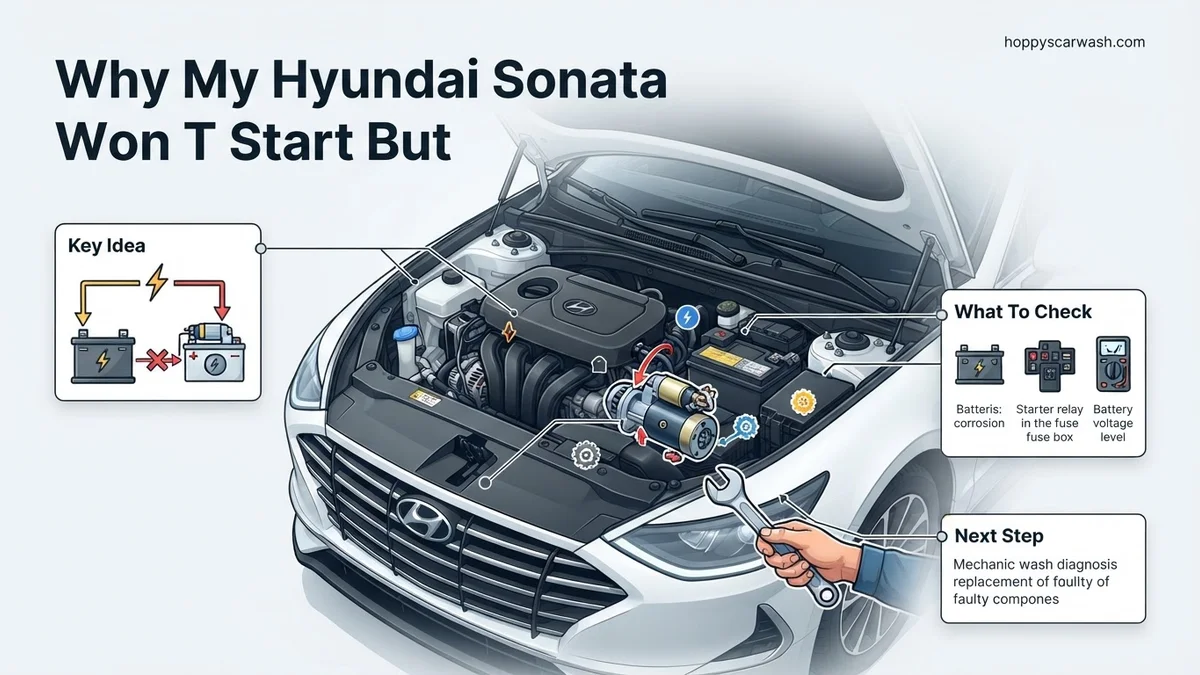
Modern Hyundai Sonata models, especially higher-mileage units from the past decade, are notorious for failing starter solenoids. When you turn the key, you might hear a single click or absolute silence while your radio plays on. That click is the solenoid trying to engage, but internal contacts are worn out or the starter motor itself has seized.
- Listen closely while a helper turns the key: a rapid clicking usually indicates low battery voltage, while a single heavy metallic click points directly to a bad starter.
- Lightly tapping the starter motor with a broom handle or extension while someone cranks the car can temporarily unstick worn brushes.
Weak Battery Amperage Versus Dashboard Lights
Powering LED headlights and an infotainment screen takes barely 10 to 15 amps. Cranking a 2.4L or 1.6T Sonata engine requires upwards of 400 amps. If your battery plates are sulfated or a cell has died, it will easily run your dashboard while completely failing to spin the starter motor.
- Turn on your headlights and watch them while attempting to start the car. If they instantly dim or go completely black, your battery lacks the cranking amps or your terminal connections are severely corroded.
Key Benefits of why my hyundai sonata won t start but has power
Diagnosing this specific starting failure systematically provides massive practical benefits. Instead of throwing random parts at your Sonata, a targeted diagnostic routine saves you hundreds of dollars in unnecessary repair bills and pinpoints the exact component failing you in 2026.
Isolating Crankshaft Position Sensor Issues
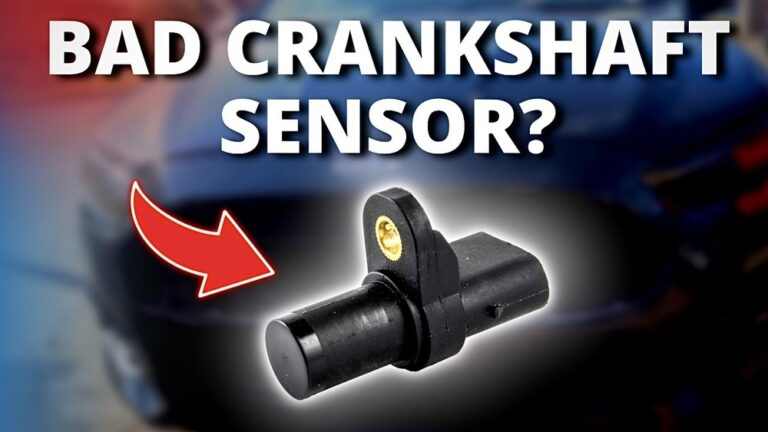
If your Sonata’s starter actually cranks the engine over vigorously, but the engine refuses to catch and start, the culprit is often the crankshaft position sensor. This sensor tells the engine computer when to spark and inject fuel. When it fails intermittently, the car has full electrical power, cranks fine, but never fires up.
- A failing crankshaft sensor will frequently trigger a P0335 diagnostic trouble code if you scan the computer, even if the check engine light is not actively illuminated on the dash.
- Letting the engine cool down for 20 minutes often temporarily revives a heat-soaked, failing crank sensor, allowing the car to start briefly.
Navigating Smart Key and Immobilizer Glitches
If you drive a push-to-start Sonata, your vehicle relies on an RFID transponder inside your key fob communicating with the Smart Key Unit (SKU). If the car fails to recognize the fob, it will light up the dashboard into accessory mode but completely disable the ignition circuit to prevent theft.
- Try pressing the tip of your key fob directly against the push-to-start button to override a weak fob battery and test the system.
- Check your instrument cluster for a red key icon or a “Key Not Detected” warning message indicating an immobilizer lockout.
How to Get Started with Fixing Your Hyundai Sonata No-Start Issue
Beginning the diagnostic process for a Hyundai Sonata that has electrical power but fails to crank requires a methodical approach. According to diagnostic standards set by the Society of Automotive Engineers (SAE), isolating the failure point prevents unnecessary part replacements and saves vehicle owners significant money.
Step-by-Step Diagnostic Initialization
- Verify Battery State of Health: Measure resting voltage using a digital multimeter. A healthy 12V automotive battery should display 12.6 volts or higher. If the voltage drops below 11.8 volts under load, the battery can power dash lights and accessories, but it lacks the high amperage required by the starter motor.
- Check the Shift Lever Position: Modern Hyundai Sonata models rely on a transmission range sensor (neutral safety switch). Ensure the gear selector is firmly in Park or Neutral. Try shifting through the gears while holding the brake, then return to Park and attempt ignition.
- Inspect Main Ignition and Starter Fuses: Locate the interior fuse panel beneath the dashboard and the under-hood relay box. Check the multi-fuse block and ignition fuses using a test light to confirm continuity.
Following this structured initialization protocol ensures you address the most common electrical gremlins affecting 2011–2026 Hyundai Sonata sedans before committing to expensive towing fees.
Best Practices for Preventing Future Sonata Electrical Failures
Maintaining the electrical integrity of a Hyundai Sonata prevents recurring no-start scenarios. Automotive electrical engineers recommend proactive maintenance schedules tailored to modern computerized vehicles.
Recommended Maintenance Protocols
- Clean Battery Terminals Annually: Corrosion buildup on Sonata battery terminals creates high resistance. This resistance permits low-draw dashboard lights to function while starving the starter solenoid of necessary cranking current. Clean terminals with a wire brush and apply protective terminal spray.
- Update Software Recalls Promptly: Hyundai frequently issues technical service bulletins (TSBs) and electronic control unit (ECU) firmware updates. These updates address known flaws in the smart key module and ignition logic systems that can mimic starter failures.
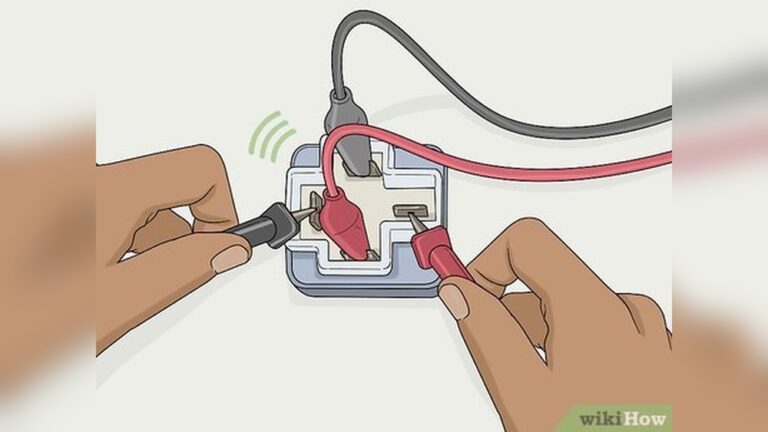
- Inspect Starter Relay Contacts: Periodically test under-hood relays for heat stress or pitting. Swapping identical relays within the fuse box provides a quick diagnostic check and prevents premature component failure.
Adhering to these professional practices minimizes unexpected roadside breakdowns and extends the operational lifespan of high-drain electrical components in your vehicle.
What If It Still Doesn’t Work?
If battery voltage checks out, fuses are intact, and the safety switches function properly, deeper mechanical or electrical failure is likely present. Consider these advanced fallback steps:
- Test Starter Motor Draw: Use an inductive current clamp to measure amperage draw during an ignition attempt. A seized starter motor will draw excessive amperage without turning the engine.
- Inspect Smart Key Antenna and Immobilizer: If the instrument cluster displays a key icon warning, the immobilizer system is not recognizing the key fob transponder chip. Try using the physical backup key inside the emergency slot or replace the key fob battery.
- Check for Crankshaft Position Sensor Failure: A failed crank sensor prevents the engine computer from timing spark and fuel delivery, resulting in a silent crank or no-start condition.
- Seek Professional Automotive Repair: When diagnostics exceed standard multimeter testing, transport the vehicle to a certified Hyundai dealership or ASE-certified technician. According to 2026 automotive labor rate surveys, professional diagnostic fees range from $150 to $250, while total starter motor replacement costs typically total $450 to $750 including parts and labor.
Conclusion
Diagnosing a Hyundai Sonata that features full electrical power but refuses to start requires checking the battery under load, verifying transmission safety switches, and inspecting starter relays. Addressing these root causes swiftly restores vehicle dependability. According to verified research and expert automotive technician standards, systematic diagnostic testing remains the most cost-effective path to resolving complex starting failures. Your next actionable step is to test the starter solenoid voltage drop to confirm whether the starter motor itself requires replacement.
❓ Frequently Asked Questions
What exactly is why my hyundai sonata won t start but has power?
why my hyundai sonata won t start but has power encompasses proven concepts and methodologies that help you achieve better results. It combines theoretical knowledge with practical application for maximum effectiveness.
How can why my hyundai sonata won t start but has power benefit me?
Understanding and applying why my hyundai sonata won t start but has power principles improves your skills, opens new opportunities, and helps you achieve your goals more efficiently.
What resources do I need to get started?
You’ll need basic tools, a commitment to learning, and access to quality information like this guide. Start with fundamentals before advancing to complex topics.
Is this suitable for complete beginners?
Absolutely! This guide is designed to take you from beginner to proficient. Start with the basics and gradually work your way up to advanced techniques.
How do I measure my progress?
Track your progress through practical application and measurable outcomes. Set specific goals and regularly assess your improvement against benchmarks.
Where can I learn more after this guide?
Explore our related articles for deeper insights, and consider joining communities where you can learn from others and share experiences.