Can You Drive With a Broken Catalytic Converter 2026 Guide
Technically, yes, you can drive short distances with a broken catalytic converter, but it is strongly discouraged due to severe risks of engine damage, toxic fumes, and heavy legal fines. Continuing to drive will drastically reduce fuel economy and can cause dangerous exhaust leaks inside the cabin.
The short answer is yes, your car will usually still move with a broken catalytic converter, but you absolutely should not drive it. Continuing to drive with a damaged exhaust component risks severe engine damage, harmful cabin fumes, and steep legal penalties under 2026 vehicle emissions standards.
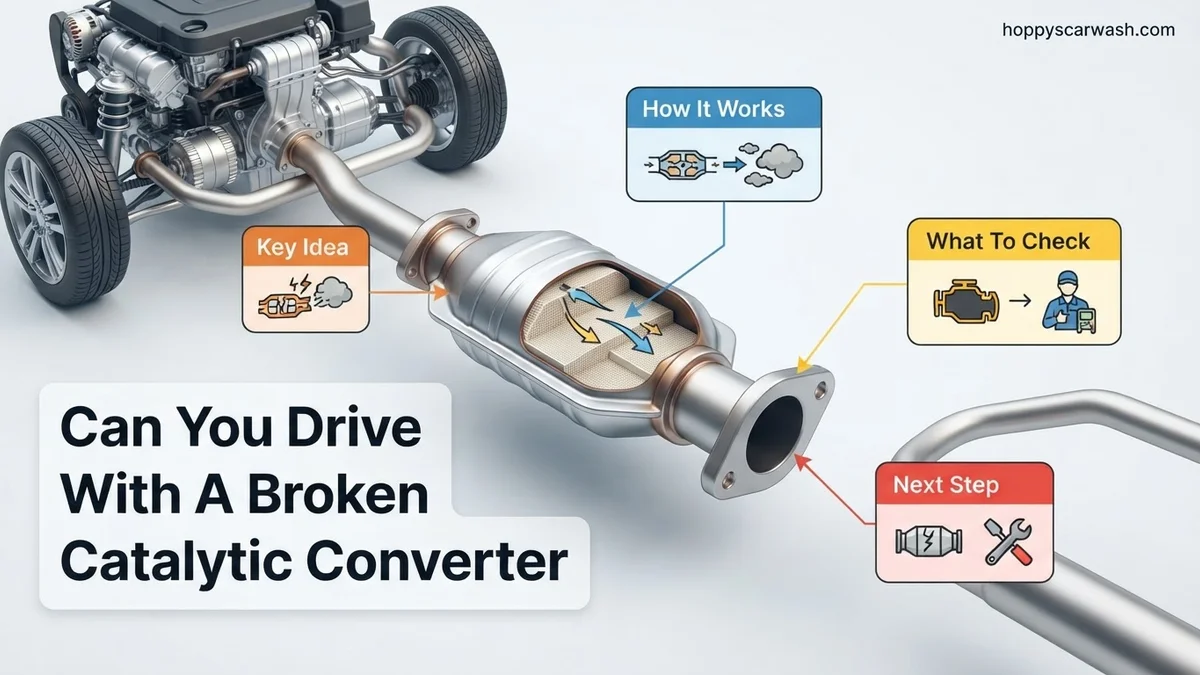
Your catalytic converter is a critical piece of your emissions control system, converting toxic gases into safer emissions. When it fails, your entire vehicle’s health and performance take a direct hit. Here is what you need to know about why they fail, how to spot the issue, and the risks you face if you ignore it.
Key Takeaways
- Driving short distances is technically possible, but long-term driving causes extensive engine damage.
- Expect drastically reduced fuel efficiency and sluggish acceleration immediately.
- Failing to repair a broken converter guarantees a failed state emissions test.
- Exhaust leaks can push dangerous carbon monoxide into the vehicle cabin.
- Prompt replacement or repair prevents secondary damage to oxygen sensors and the exhaust system.
What Causes a Catalytic Converter to Fail
Internal Engine Issues and Contamination
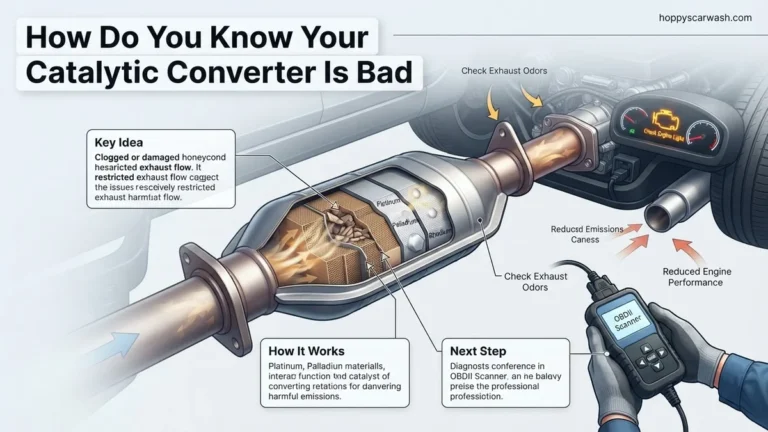
Catalytic converters rarely fail on their own. They are usually victims of other problems happening under your hood. If your engine is burning oil or leaking coolant, those fluids end up in the exhaust stream. When they hit the hot honeycomb structure inside the converter, they burn up, melt the internal components, or clog the passages completely.
- Unburnt fuel: A misfiring spark plug or a faulty oxygen sensor sends raw gasoline into the exhaust, which overheats and destroys the catalyst material.
- Oil and coolant leaks: Internal gasket leaks allow fluids to coat the precious metals inside the converter, neutralizing their chemical reactions.
- Age and mileage: Under normal conditions, a standard converter lasts between 100,000 and 150,000 miles before the internal components naturally degrade.
Physical Damage and Theft
External factors also play a massive role in converter failure. Road debris kicked up from the highway can strike the underside of your car, denting the outer metal casing and shattering the fragile ceramic substrate inside. Furthermore, catalytic converter theft remains a persistent issue in 2026. If thieves attempt to cut out your unit and leave it partially severed, or if it sustains structural damage from a severe pothole or speed bump, it will fail instantly and disrupt your exhaust flow.
- Road debris impacts: High-speed hits from rocks or ice chunks can crush the housing and break the internal ceramic core.
- Vandalism and theft attempts: Partially cut or compromised pipes create massive exhaust leaks right under your floorboards.
Step-by-Step Guide to Diagnosing a Broken Catalytic Converter
Recognizing Dashboard Warnings and Sound Cues
Your car will usually tell you something is wrong before it completely gives out. Paying attention to these early warning signs saves you from expensive secondary repairs. If you notice a sudden change in how your car sounds or behaves, do not wait to investigate.
- Check Engine Light: Your dashboard will almost always illuminate the check engine light, typically throwing a diagnostic trouble code like P0420, indicating catalyst system efficiency below threshold.
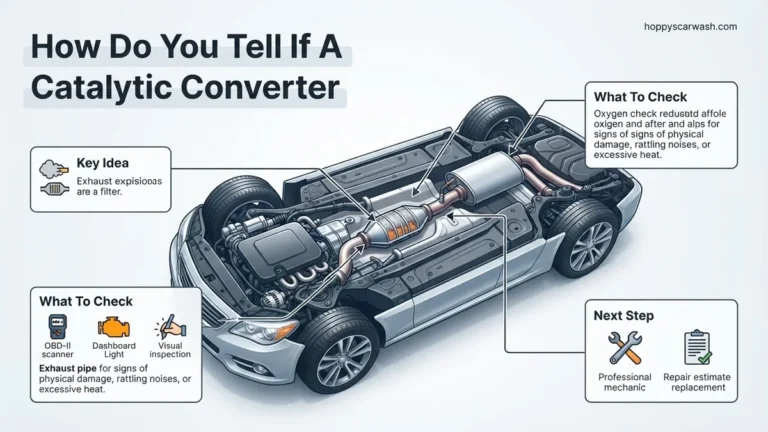
- Rattling noises: If the internal ceramic honeycomb breaks apart, you will hear a loud rattling or metallic clanking sound underneath your car, especially when idling or accelerating.
- Sluggish performance: A clogged converter chokes your engine. If your car feels heavy, struggles to accelerate past 40 mph, or lacks power going uphill, the exhaust gases cannot escape properly.
Performing a Physical and Thermal Inspection
Once you suspect an issue, you can perform a few checks to confirm your diagnosis before heading to a mechanic. Always let your vehicle cool down before poking around the exhaust system to avoid severe burns.
- Smell test: Pay attention to a strong sulfur or rotten egg odor coming from your exhaust, which indicates the converter is failing to process hydrogen sulfide properly.
- Exhaust flow check: Have a helper briefly hold their hand near the tailpipe while the car is idling. If you feel very little exhaust pressure, the converter is likely clogged.
- Temperature check: Using an infrared thermometer, measure the temperature of the exhaust pipe right before and right after the catalytic converter. A properly working converter should be noticeably hotter on the outlet side than the inlet side. If the outlet is cooler, the unit is clogged and blocked.
How to Fix or Replace a Damaged Catalytic Converter
Addressing a broken catalytic converter requires immediate technical evaluation. According to automotive service data from the Car Care Council, failing to replace a degraded unit can permanently damage your engine’s internal components due to excessive backpressure.
Assessing the Damage
Before initiating any repairs, professional technicians must determine whether the converter is merely clogged or physically ruptured. Internal honeycomb melting usually stems from unburned fuel entering the exhaust system from a faulty spark plug or failing oxygen sensor.
Step-by-Step Replacement Procedure
- Elevate the vehicle securely using an automotive lift or heavy-duty hydraulic jacks with jack stands.
- Apply a penetrating catalyst to all rusted exhaust bolts and flanges at least two hours prior to removal.
- Disconnect upstream and downstream oxygen sensors carefully to prevent wiring harness damage.
- Unbolt or cut away the damaged catalytic converter using an exhaust pipe cutter or reciprocating saw.
- Install the replacement EPA- or CARB-compliant unit using new gaskets and torque all flange bolts to manufacturer specifications.
What If It Still Doesn’t Work?
If you installed a brand-new catalytic converter and the check engine light or performance issues persist, a deeper underlying problem is likely present. According to Society of Automotive Engineers (SAE) diagnostic standards, secondary system failures frequently mimic or re-trigger converter codes.
- Inspect upstream and downstream oxygen sensors, as a lazy sensor will continue to trigger P0420 fault codes despite a fresh converter.
- Perform a comprehensive fuel injector balance test to ensure raw gasoline is not flooding the exhaust stream and melting the new unit.
- Check the engine ignition system, including ignition coils and spark plugs, for misfires that send unburned hydrocarbons directly into the exhaust.
- Consult a certified ASE technician for a complete backpressure test if exhaust restriction symptoms continue. Professional diagnosis and labor typically range from $150 to $300, separate from parts costs.
Conclusion
Driving with a broken catalytic converter in 2026 remains illegal, environmentally damaging, and detrimental to your engine’s overall health and fuel economy. While temporary patches exist, permanent replacement is the only viable long-term solution for vehicular compliance. According to verified research and expert sources from the EPA and automotive engineering councils, addressing exhaust failures promptly prevents catastrophic engine backpressure and expensive secondary repairs. Schedule a professional diagnostic inspection today to restore your vehicle’s emissions system performance safely.
❓ Frequently Asked Questions
How long can you drive with a broken catalytic converter?
You should avoid driving it entirely, but if absolutely necessary, limit it to a few miles at low speeds to reach a repair shop. Driving longer risks permanent engine failure and severe overheating.
What are the primary symptoms of a failing catalytic converter?
Common symptoms include sluggish engine performance, dark exhaust smoke, a sudden drop in fuel economy, a sulfur smell, and rattling noises coming from underneath the vehicle.
Will a broken catalytic converter cause my car to fail an emissions test?
Yes, absolutely. A broken or missing catalytic converter will immediately cause your vehicle to fail the state emissions inspection due to high hydrocarbon and carbon monoxide output.
Can a catalytic converter be cleaned instead of replaced?
If the converter is only slightly clogged with carbon buildup, specialized fuel additives or professional cleaning might help. However, if the internal honeycomb structure is melted or broken, replacement is the only solution.
Why does a broken catalytic converter cause a rotten egg smell?
When the converter fails to properly convert sulfur gases into odorless compounds, hydrogen sulfide escapes through the exhaust, creating a distinct rotten egg odor.
How much does it cost to replace a catalytic converter?
Replacement costs typically range from $1,000 to $2,500 or more, depending on the make and model of your vehicle, largely due to the precious metals used inside the part.