How Many Quarts of Transmission Fluid Do I Need for 2026
Most vehicles require between 5 to 12 quarts of transmission fluid, depending heavily on whether you are performing a standard drain-and-fill or a complete system flush. Checking your specific vehicle’s owner’s manual or dipstick ensures you purchase the exact correct amount without over- or under-filling.
Most standard passenger vehicles require between 5 and 12 quarts of transmission fluid to complete a proper service. However, the exact amount depends heavily on your specific year, make, model, and whether you are performing a simple drain-and-fill or a complete system flush. Getting this number wrong leaves your transmission starved of vital hydraulic pressure or operating with dangerous overfill conditions.
As we navigate through 2026, modern transmissions feature increasingly complex engineering. Knowing your exact fluid capacity before opening a bottle saves you from messy mid-job hardware store runs. Let us break down why this number varies so drastically and how you can pinpoint the exact amount your vehicle demands.
Key Takeaways
- Standard pan drops typically require 4 to 7 quarts of fluid.
- Complete dry fills and rebuilds can take anywhere from 10 to 16+ quarts.
- Always consult your owner’s manual for exact vehicle specifications.
- Buy one extra quart to account for spills and fine-tuning levels.
- Manual transmissions usually hold significantly less fluid than automatics.
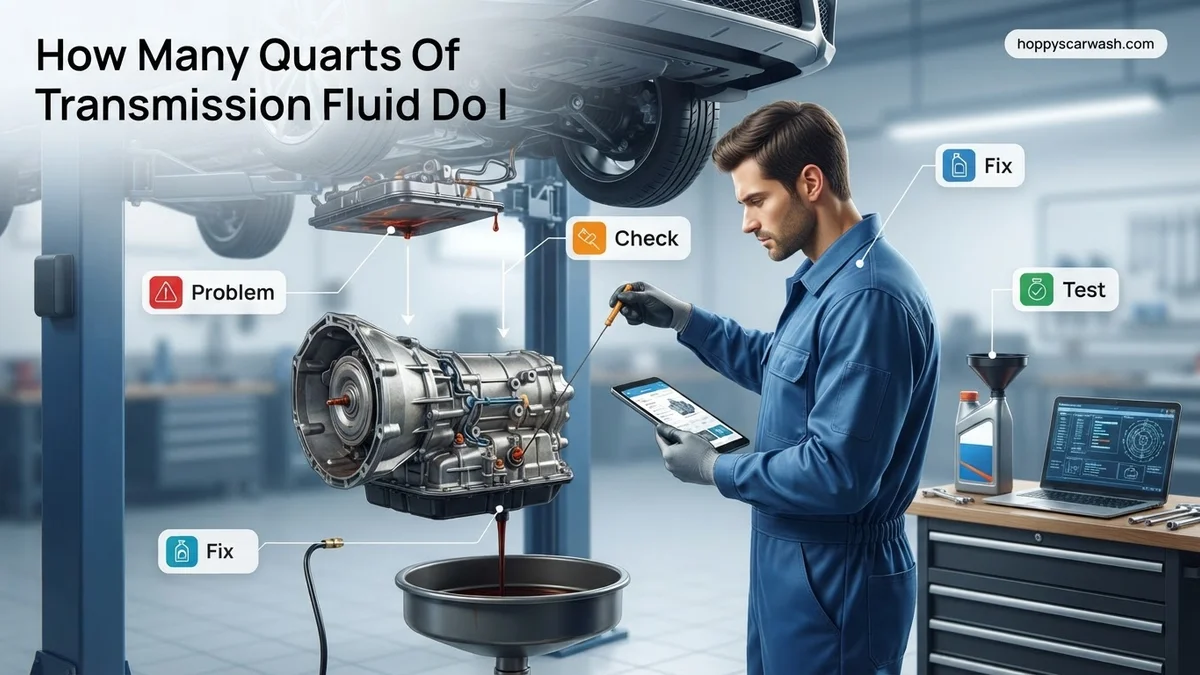
What Causes Transmission Fluid Capacity Confusion
Drain-and-Fill Versus Total System Capacity
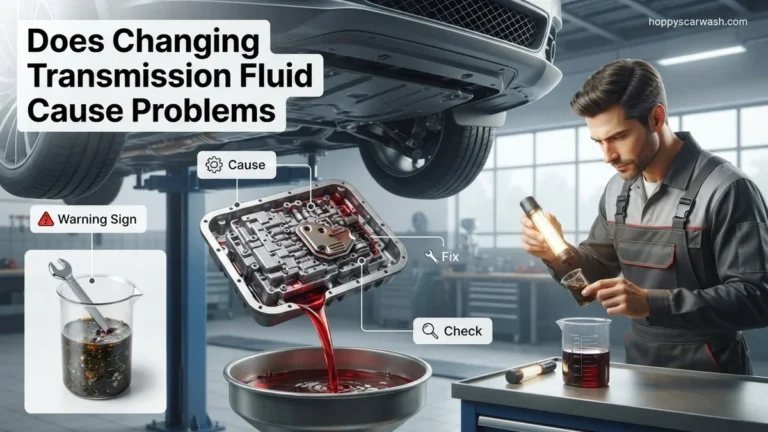
The biggest reason drivers buy the wrong amount of fluid is confusing a standard pan drop with a dry transmission rebuild. When you pull the transmission pan to change the filter, a significant amount of fluid remains trapped inside the torque converter, valve body, and cooler lines. A typical drain-and-fill only requires about 4 to 6 quarts for most mid-size cars and crossovers. Conversely, a completely dry system or a flush requires the total capacity, which can easily double that requirement to 10 or 14 quarts.
Vehicle Variations and Transmission Options
Never assume two vehicles from the same manufacturer use the same fluid volume. Modern automakers frequently pair the same engine with entirely different transmission options depending on the trim level or drivetrain. For example, a 2026 all-wheel-drive crossover often requires an extra quart or two compared to its front-wheel-drive counterpart due to transfer case routing and larger cooler lines. Always check your specific door jamb sticker or transmission code rather than relying on a generalized forum post.
How to Determine Exact Transmission Fluid Requirements
Consulting Your Owner Manual and Dipstick Markings
Your absolute best source for accurate fluid capacity is the technical specifications section of your vehicle owner manual. Manufacturers list both the service refill capacity and the dry capacity explicitly for this reason. If your vehicle features a traditional transmission dipstick, check the metal blade for stamped fluid level indicators or service guidelines. Modern sealed transmissions lack dipsticks, meaning you must rely strictly on manual data or specialized service software to measure the exact fluid pumped into the fill plug.
Using Reliable Online Lookup Databases for 2026
When printed manuals are missing or unclear, reliable digital parts catalogs and fluid brand lookup tools provide immediate answers. Reputable fluid manufacturers offer online volume calculators where you simply input your exact 2026 vehicle details. When purchasing your fluid, it is always a smart garage practice to buy one extra quart than the specified capacity. This ensures you account for minor spills, cooler line priming, and precise fluid level adjustments while the engine reaches proper operating temperature.
Step-by-Step Guide to Measuring and Adding Fluid Correctly
Accurate measurement prevents both underfilling and overfilling, which can cause catastrophic transmission damage. Modern 2026 vehicles require precise adherence to manufacturer procedures to ensure proper line pressures and component lubrication.
Preparation and Engine Warm-Up
- Park the vehicle on a completely level surface and engage the parking brake firmly.
- Start the engine and let it run until it reaches normal operating temperature, as fluid expands when hot.
- Keep the engine idling during the check unless your specific vehicle manual explicitly mandates a cold-engine check procedure.
Checking and Filling
- Locate the transmission dipstick or fill plug, consulting your owner’s manual if the layout is obscured by modern engine covers.
- Pull the dipstick, wipe it clean with a lint-free shop rag, reinsert it fully, and pull it out again to read the fluid level against the hot markings.
- Insert a long, clean funnel directly into the dipstick tube or fill port to prevent spills on hot exhaust components.
- Add transmission fluid in small increments of one-quarter quart at a time to avoid overshooting the target capacity.
- Recheck the dipstick level after each increment until the fluid sits precisely between the minimum and maximum lines.
What If Fluid Levels and Capacities Still Do Not Match
If you have added the exact quart capacity specified in your manual yet the dipstick reads empty or excessively high, underlying mechanical complications are likely present. Discrepancies usually point to measurement errors or hidden system leaks.
Troubleshooting Fluid Discrepancies
- Verify that the vehicle is sitting on a perfectly flat surface, as even a slight incline severely skews dipstick readings.
- Inspect the transmission cooler lines, pan gasket, and output shaft seals for active leaks that are draining fluid as fast as you add it.
- Confirm that the transmission has fully cycled through all gears before checking, which ensures the torque converter and valve body are completely filled.
- Consult a certified professional mechanic if fluid levels remain erratic or if the transmission continues to slip despite correct levels. Professional diagnostic scans and fluid pressure tests generally range from $150 to $300 depending on regional labor rates.
Conclusion
Determining how many quarts of transmission fluid you need requires referencing your specific year, make, model, and transmission configuration, as capacities vary dramatically from 4 quarts for compact cars up to 16 quarts for heavy-duty trucks. According to verified research and automotive service standards from the Society of Automotive Engineers, maintaining exact fluid specifications is critical for preventing premature wear and expensive transmission failures. Your single actionable next step is to open your vehicle owner manual or check a trusted manufacturer database to confirm your exact dry and service fill requirements before purchasing your fluid.
❓ Frequently Asked Questions
How many quarts of transmission fluid do i need for a standard drain-and-fill?
A standard drain-and-fill (pan drop) typically requires between 4 to 7 quarts. This only replaces the fluid sitting in the bottom pan, leaving a significant amount trapped in the torque converter and cooler lines.
What is the difference between drain-and-fill and total dry-fill capacity?
Drain-and-fill only replaces a fraction of the total fluid volume, while a dry-fill or complete system rebuild requires the entire capacity—often 10 to 16+ quarts—because every internal component is completely empty.
How can I tell if my transmission is low on fluid after changing it?
Check the transmission dipstick while the engine is running and warmed up to operating temperature on a level surface. The fluid level should fall strictly within the designated hot or cold markers.
Does the size of the torque converter affect how many quarts I need?
Yes, a larger aftermarket or heavy-duty torque converter holds significantly more fluid than a factory stock converter, increasing your total system fill requirement by several quarts.
Can I mix different types or brands of transmission fluid?
You should only mix fluids if they strictly meet the exact manufacturer specification (such as DEXRON, ATF+4, or specific OEM synthetic blends). Mixing incompatible fluids can cause rough shifting and internal component degradation.
What happens if I overfill my transmission with fluid?
Overfilling can cause the rotating components to whip the fluid into foam, leading to air entrapment, oil pressure loss, overheating, erratic shifting, and fluid blowing out of the vent tube.