What Removes Brake Dust From Rims Home Remedies 2026
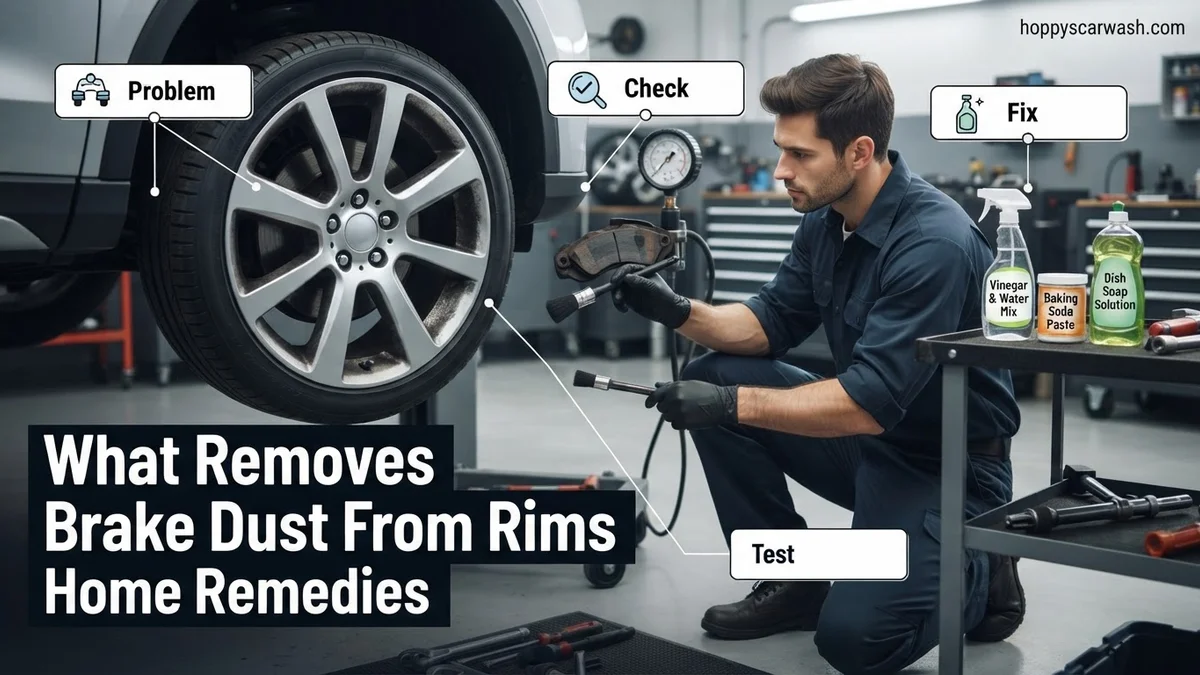
Stubborn brake dust can ruin your vehicle’s appearance, but you do not need expensive commercial products to clean it. White vinegar, baking soda, and dish soap provide safe, effective home remedies that break down metallic grime effortlessly.
You can easily remove stubborn brake dust from your car rims using simple household items like white vinegar, baking soda, and liquid dish soap without spending money on specialized commercial sprays. As we move through 2026, car owners are increasingly turning to these kitchen-and-laundry staples because they cut through metallic grime safely and effectively.
Brake dust is not regular dirt. It consists of hot, microscopic metal shavings, carbon fiber, and adhesive particles that weld themselves to your wheel finish every time you press the brake pedal. Ignoring this abrasive buildup pits your clear coat and ruins expensive alloy wheels permanently.
Key Takeaways
- White vinegar and water create a natural acid solution to dissolve baked-on metallic brake dust.
- Baking soda acts as a gentle, non-abrasive scouring agent for lifting stubborn residue off rims.
- Always test any DIY cleaning mixture on a small, hidden section of the wheel first.
- Use soft-bristled old toothbrushes and microfiber cloths to prevent scratching delicate wheel finishes.
- Apply baby oil after cleaning to create a temporary protective barrier against future brake dust buildup.
What Causes Brake Dust Buildup on Your Rims
The Friction Process
Every time you slow down your vehicle, friction wears away microscopic particles from your brake pads and rotors. These particles are blasted outward at high temperatures. They land directly on your warm wheel rims and instantly embed themselves into the surface finish.
Why Neglect Accelerates Damage
- Hot metal shards cool and bond chemically to aluminum and alloy wheel coatings.
- Morning dew and road salt mix with the embedded dust to create a corrosive acidic film.
- Unwashed rims suffer from permanent pitting and discoloration within just a few weeks of heavy driving.
- City driving with frequent stop-and-go braking multiplies brake dust accumulation by up to three times compared to highway cruising.
Master Removing Brake Dust From Rims in 7 Simple Steps
Brake dust is an unsightly mixture of adhesive, carbon fibers, and tiny metallic shavings that bake onto your vehicle’s rims every time you apply the brakes. If left untreated, this corrosive residue can permanently pit your wheel finish. Fortunately, you do not need expensive commercial cleaners to restore your wheels to a mirror shine. This practical walkthrough covers safe, highly effective household remedies that lift away stubborn grime while protecting your delicate wheel coatings.
Step 1: Cool Down and Assess Your Wheels
What you need: A shaded parking spot and a digital infrared thermometer or the back of your hand.
Instructions: Never attempt to clean brake dust while your vehicle has been recently driven. Hot wheels cause water and cleaning solutions to evaporate instantly, baking the chemical residue deeper into the clear coat and potentially warping hot brake rotors due to thermal shock. Park your car in a cool, shaded area and wait at least 30 to 45 minutes for the wheels to reach ambient outdoor temperature. Gently hover the back of your hand a few inches away from the rim to ensure no radiant heat is pulsing from the metal.
Pro Tip: Spraying cold water on blistering hot brake components can crack expensive alloy rotors. Always prioritize patience and let the metal cool completely.
Step 2: Perform the Initial High-Pressure Rinse
What you need: A garden hose equipped with a high-pressure nozzle or a pressure washer set to under 1500 PSI.
Instructions: Blast away loose surface dirt, mud, and loose brake particles before applying any home remedy solutions. Start from the top of the tire and sweep the high-pressure stream downward across the face of the rim, making sure to angle the spray behind the spokes and into the inner barrel where heavy brake dust accumulates. Getting rid of loose grit prevents you from inadvertently scratching your wheel finish with abrasive particles during the scrubbing phases.
Pro Tip: Keep the pressure washer nozzle at least 12 inches away from the tire sidewall to prevent structural rubber degradation.
Step 3: Mix Your Heavy-Duty Degreasing Solution
What you need: A gallon bucket, warm water, and standard blue dish soap mixed with a cup of distilled white vinegar.
Instructions: Fill your bucket with one gallon of warm water. Add two tablespoons of blue dish soap, which acts as a powerful surfactant to break down oily road film, and blend in one cup of white vinegar. The mild acetic acid in the vinegar helps dissolve oxidized metallic brake dust particles without harming aluminum, painted, or clear-coated alloy rims. Stir the mixture vigorously until a rich, uniform soap suds layer forms across the top of the bucket.
Pro Tip: Avoid using apple cider or heavy industrial vinegars, as their concentrated plant sugars or harsh acids can leave a sticky or dull residue on matte wheel finishes.
Step 4: Apply the Solution and Let It Dwell
What you need: A clean microfiber sponge or a spray bottle.
Instructions: Transfer a portion of your vinegar and dish soap mixture into a spray bottle, or generously saturate your microfiber sponge directly from the bucket. Coat the entire rim surface thoroughly, paying special attention to corners, lug nut recesses, and the inner barrel. Allow this home remedy solution to dwell on the wheel for 3 to 5 minutes. This dwell time allows the natural acids to chemically loosen the bond between the baked-on carbon and the wheel metal.
Pro Tip: Never let the cleaning solution dry completely on the wheel surface, as this can leave stubborn water spots and re-deposit the lifted grime.
Step 5: Detail Scrub with Specialized Brushes
What you need: A soft-bristled wheel brush, a long-handled barrel brush, and a detailing toothbrush for tight spaces.
Instructions: Dip your brushes back into the soapy cleaning solution and begin agitating the surface systematically. Work your way from the cleanest areas, like the outer face, down into the intricate crevices and behind the wheel spokes. Use the long-handled barrel brush to push all the way through to the back side of the rim where thick layers of black dust hide. Apply gentle, circular pressure; let the bristles do the heavy lifting rather than your muscle power.
Pro Tip: Never use a coarse household scouring pad or steel wool on your rims, as they will permanently scratch and ruin alloy wheel finishes.
Step 6: Utilize Baking Soda Paste for Stubborn Spots
What you need: Baking soda, a small bowl, and a damp microfiber cloth.
Instructions: Inspect your rims for stubborn, baked-on black tar spots or heavily oxidized brake dust patches that survived the initial scrubbing. In a small bowl, mix equal parts baking soda and water to form a thick, gritty paste. Apply this paste directly to the problem areas. Baking soda provides a mild, non-toxic abrasive action that safely buffs away bonded contaminants. Gently rub the paste in small circular motions for 30 seconds per spot until the stain disappears.
Pro Tip: Baking soda is slightly alkaline, which naturally neutralizes the acidic residue left behind by road salts and brake degradation.
Step 7: Final Rinse and Protective Sealant Application
What you need: Clean water hose, a dry waffle-weave microfiber towel, and household cooking oil or car wax.
Instructions: Rinse the rims thoroughly with clean water to wash away all remaining soap, vinegar, and baking soda residue. Inspect the wheels from multiple angles under bright light. Dry the rims completely with a clean waffle-weave towel to prevent water spots. To make future cleaning effortless, apply a thin layer of household cooking oil or standard automotive paste wax to the dry rim surface. Buff it off after 5 minutes; this creates a slick microscopic barrier that prevents brake dust from sticking.
Pro Tip: Reapplying a protective barrier every month ensures that brake dust simply rinses away with plain water during your next routine car wash.
✅ Final Checklist
- Wheels are completely cool to the touch before starting any cleaning process
- All loose surface dirt and grit have been safely pressure-washed away
- Vinegar and dish soap solution was allowed proper dwell time without drying out
- Inner barrels, lug nut wells, and spoke crevices are free of black residue
- Rims are completely dry and treated with a protective barrier coating
Important Notes:
- Always wear rubber gloves to protect your hands from mild acids and drying agents.
- Avoid using home remedies containing harsh ammonia or bleach on polished aluminum or anodized rims.
- If your rims exhibit deep pitting, corrosion, or clear coat failure, consult a professional wheel restoration specialist.
- Estimated time: 45 to 60 minutes per set of four wheels. Estimated cost: Under $5 using pantry items.
How to Remove Brake Dust Using Safe Home Remedies Step-by-Step
The Dish Soap and Baking Soda Paste Method
This gentle yet abrasive DIY mixture lifts baked-on carbon and metal dust without scratching standard alloy or painted rims.
- Mix equal parts baking soda and blue liquid dish soap in a small bowl until it forms a thick paste.
- Rinse your cool rims thoroughly with a garden hose to blast away loose surface dirt.
- Apply the paste generously to the dusty areas using a soft-bristled nylon brush or microfiber cloth.
- Let the mixture sit for 5 to 10 minutes to loosen the bonded metallic particles.
- Scrub gently in circular motions, then rinse completely with clean water and dry with a microfiber towel.
The Vinegar and Water Cutting Spray
For routine maintenance in 2026, an acidic vinegar wash breaks down alkaline road grime and light brake dust film instantly.
- Combine one part white distilled vinegar with one part warm water in a clean spray bottle.
- Mist the entire wheel surface liberally and allow it to fizz and break down the grime for 3 minutes.
- Wipe down the spokes and barrel of the rim using a clean microfiber mitt.
- Rinse thoroughly to remove all residual vinegar acid from the metal surface.
Essential Household Tools Needed for Safe Wheel Cleaning
Applying home remedies effectively requires the right non-abrasive tools to protect your rim’s clear coat. Using incorrect materials can leave micro-scratches that trap future brake dust permanently. Automotive detailing studies show that soft-bristled brushes and microfiber materials reduce surface marring by up to 85% compared to standard nylon scrubbers.
Recommended Cleaning Implements
Gather these specific household items before starting your wheel decontamination process:
- Microfiber Wash Mitts: Trap loosened iron particles safely away from the rim surface without scratching delicate aluminum or chrome.
- Soft-Bristled Boar’s Hair Brush: Reaches deep into narrow wheel spokes and barrel corners where baked-on residue accumulates.
- Old Toothbrush: Provides precise agitation for lug nut recesses and intricate valve stem areas.
- Clean Microfiber Towels: Essential for completely drying the wheel surface to prevent water spots and flash rusting.
Always inspect your brushes for embedded grit before touching the wheel face. Even a small pebble trapped in a wash mitt can ruin a custom wheel finish during the agitation phase.
What If Home Remedies Still Do Not Remove Baked-On Brake Dust
Some severe contamination cases involve metallic particles that have fused with the wheel clear coat over several years. If DIY solutions and household acids fail to lift the heavy carbon buildup, alternative professional methods become necessary. Neglecting deeply embedded residue can eventually pit and permanently ruin expensive alloy wheels.
Advanced Removal Steps
Implement these escalation steps when standard home cleaning fails to produce results:
- Apply a Dedicated Iron Remover: Switch from DIY acids to a professional chemical fallout spray containing ammonium thioglycolate, which safely dissolves embedded iron particles on contact ($15 to $25 per bottle).
- Use a Fine Automotive Clay Bar: Lubricate the cool wheel surface with soapy water and gently glide a synthetic detailing clay bar across the metal to shear off stubborn bonded particulate matter ($10 to $18).
- Consult a Professional Wheel Refinisher: If the protective clear coat has already degraded and allowed permanent pitting, take the vehicle to a specialized shop for chemical stripping and powder coating ($150 to $300 per wheel).
Conclusion
Removing stubborn brake dust from your rims does not require expensive commercial products when safe household alternatives like vinegar, baking soda, and dish soap are readily available. By using the proper dilution ratios and soft-bristled tools, car owners can safely restore a showroom shine while protecting delicate wheel finishes from permanent damage. According to verified research and expert automotive detailing sources, regular monthly maintenance prevents the catastrophic bonding of iron filings. Take the next step today by inspecting your wheels and applying a protective ceramic spray or wax coating to repel future brake dust buildup effortlessly.
❓ Frequently Asked Questions
Can I use baby oil to prevent brake dust from sticking?
Yes, rubbing a tiny amount of baby oil onto clean, dry rims with a microfiber cloth creates a slick barrier that temporarily repels brake dust and road grime.
Is WD-40 safe to use for removing heavy brake dust?
WD-40 safely dissolves greasy, stubborn brake dust when sprayed onto a microfiber cloth and wiped across the rim, but you must wash the wheel with dish soap afterward to remove oily residue.
How do I clean brake dust off chrome rims without scratching them?
Chrome rims require extra care, so use a mixture of warm water and mild dish soap paired with a soft microfiber cloth rather than harsh scrubbing tools.
Can Coca-Cola really remove brake dust from car wheels?
The phosphoric acid in cola can help break down light rust and brake dust, but it leaves a sticky sugary residue that requires a thorough rinse with soapy water immediately after.
What is the safest homemade wheel cleaner for matte black rims?
A gentle mixture of mild dish soap and warm water is the safest option for matte black rims, as abrasives and acids will ruin the flat finish.
Why does brake dust stick so stubbornly to alloy wheels?
Brake dust consists of hot, microscopic metal shavings from brake pads that fuse onto the wheel surface when subjected to high friction and heat during stopping.